 (1).png)
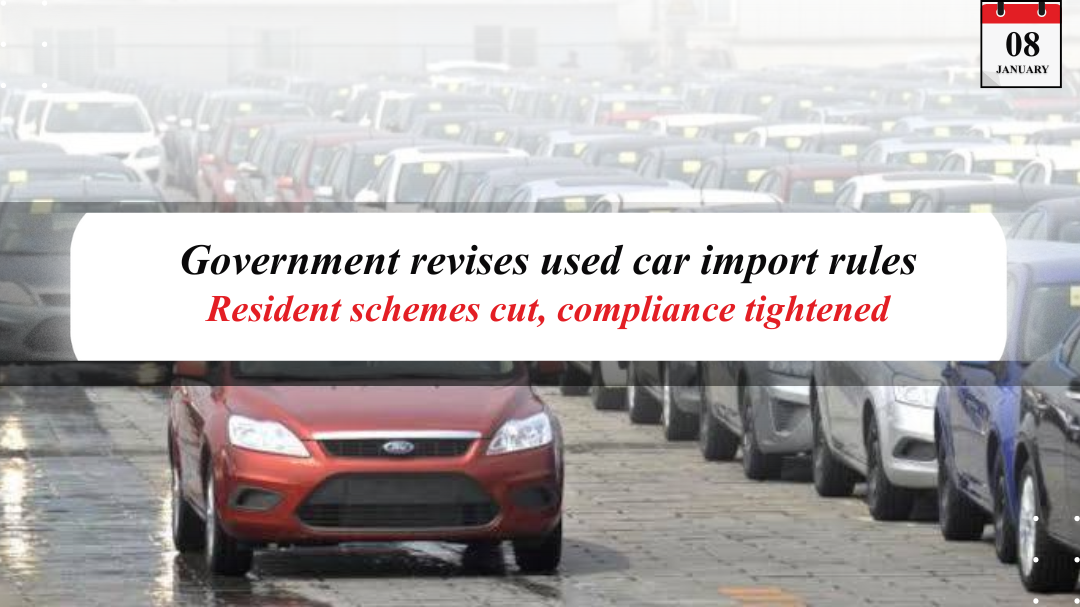
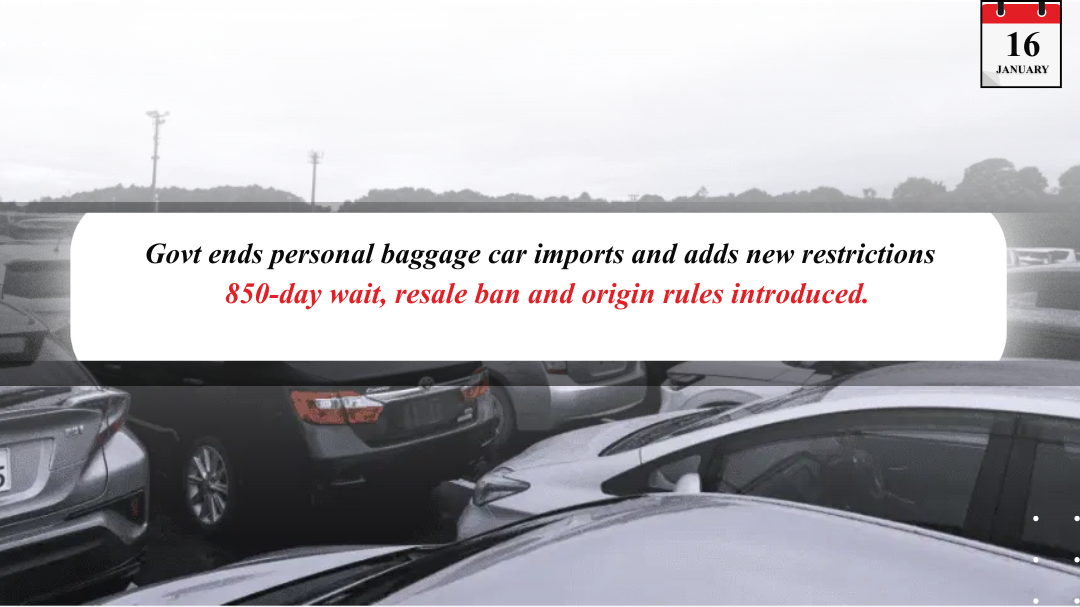
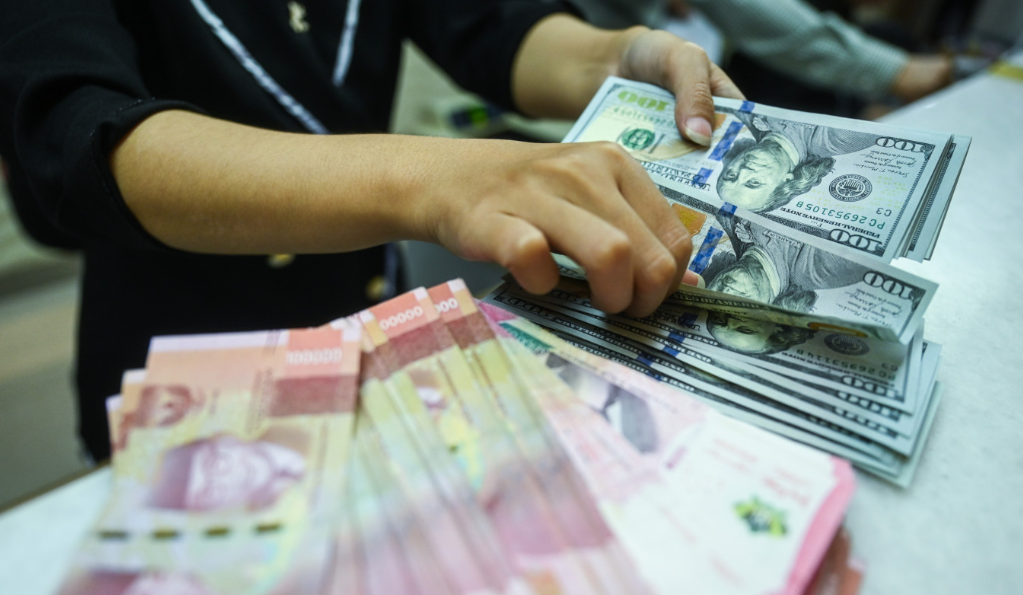
The federal cabinet has approved amendments allowing overseas Pakistanis to import used vehicles up to three years old, following the endorsement of a decision earlier taken by the Economic Coordination Committee (ECC) on December 9, 2025.
An official communication from the Finance Division stated that the approval was granted on a proposal submitted by the Ministry of Commerce, which sought changes to the existing vehicle import regime. Under the revised rules, only the Transfer of Residence and Gift schemes have been retained, while other options have been discontinued.
The updated framework introduces additional compliance requirements. Imported vehicles under the retained schemes will now be subject to commercial import-level safety and environmental standards. The maximum intervening period for importing vehicles has also been extended from two to three years, and vehicles imported under these schemes will remain non-transferable for one year after clearance.
Following cabinet ratification, the Ministry of Commerce will submit the case to the Ministry of Law and Justice for vetting of the relevant Statutory Regulatory Order (SRO) before its issuance. Once cleared, the SRO will be published by the Commerce Ministry.
The ECC had initially reviewed the proposal on October 24, 2025, but deferred a final decision and instructed the Ministry of Commerce to conduct inter-ministerial consultations.
A subsequent meeting brought together officials from the Federal Board of Revenue (FBR), the Ministry of Industries and Production/Engineering Development Board (MoIP/EDB), the Finance Ministry, and the Ministry of Overseas Pakistanis and Human Resource Development (MOPHRD) to examine the proposal in detail. Discussions largely focused on two core questions: which schemes should remain in place, and what conditions should govern them.
During deliberations, the Commerce Ministry and FBR supported retaining the Transfer of Residence and Gift schemes. The MoIP/EDB argued for discontinuing the Gift and Personal Baggage schemes, citing misuse and associated foreign exchange pressures. The MOPHRD, however, favoured keeping all three schemes, highlighting their welfare importance for genuine overseas Pakistanis and the need to avoid undue hardship.
The final cabinet decision reflects the outcome of these consultations, with a compromise framework centred on welfare facilitation, regulatory compliance and foreign exchange considerations.

















































-falls-to-rs43.57tr)




















































































-rises-to-rs44.35-trillion)















-surges-to-rs44.23-trillion-as-bank-deposits-jump)
























































-falls-weekonweek-to-rs40.95tr)






































































































































































-ltd-reports-strong-halfyearly-results-–-profit-surged)





























































































)















Add a comment