 (1).png)
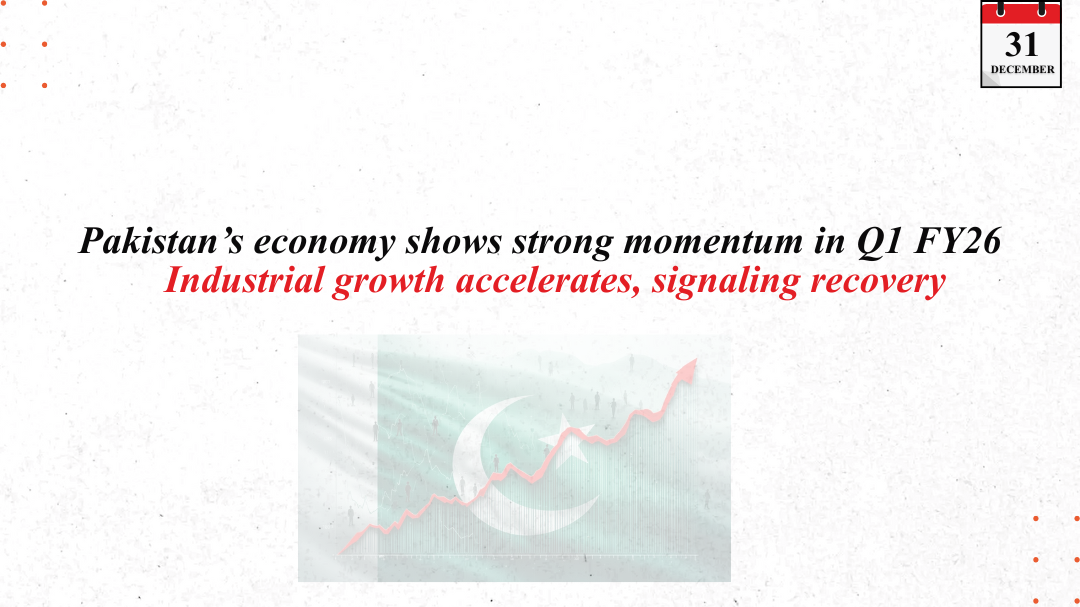
The government on Tuesday approved an economic growth rate of 3.71 percent for the first quarter of the current fiscal year, citing expansion across all major sectors, despite earlier official assessments pointing to severe agricultural damage caused by devastating floods.
The National Accounts Committee (NAC), chaired by Secretary Planning Awais Manzur Sumra, approved the gross value addition figures for the July–September quarter of fiscal year 2025-26. However, the sector-wise output numbers presented to the committee appeared surprising, with some figures contradicting the government’s own assessments and data previously shared with the International Monetary Fund (IMF) following the summer floods.
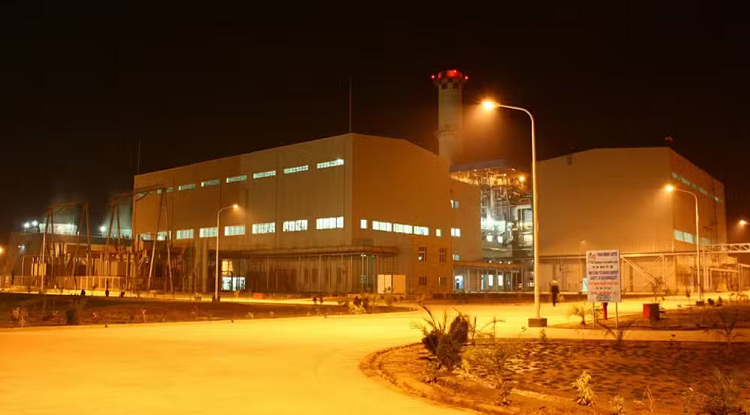
According to the NAC, electricity and gas output surged by more than 25 percent, while the construction sector expanded by over 21 percent. Rice production also exceeded pre-flood official estimates, despite a 3.6 percent reduction in cultivated area. The committee was informed that rice output increased by 2.5 percent to nearly 10 million tonnes, compared to earlier projections of 8.3 million to 8.9 million tonnes shared with the IMF.
The Planning Commission had earlier estimated that the floods caused direct and indirect losses of Rs744 billion, with agriculture bearing the largest share of the damage. For FY26, the government had initially set a growth target of 4.2 percent, later revised down to 3.5 percent after floods affected large parts of Punjab. Despite this, the NAC approved sector-wise growth rates of 2.9 percent for agriculture, 9.4 percent for industry and 2.4 percent for services in the first quarter.
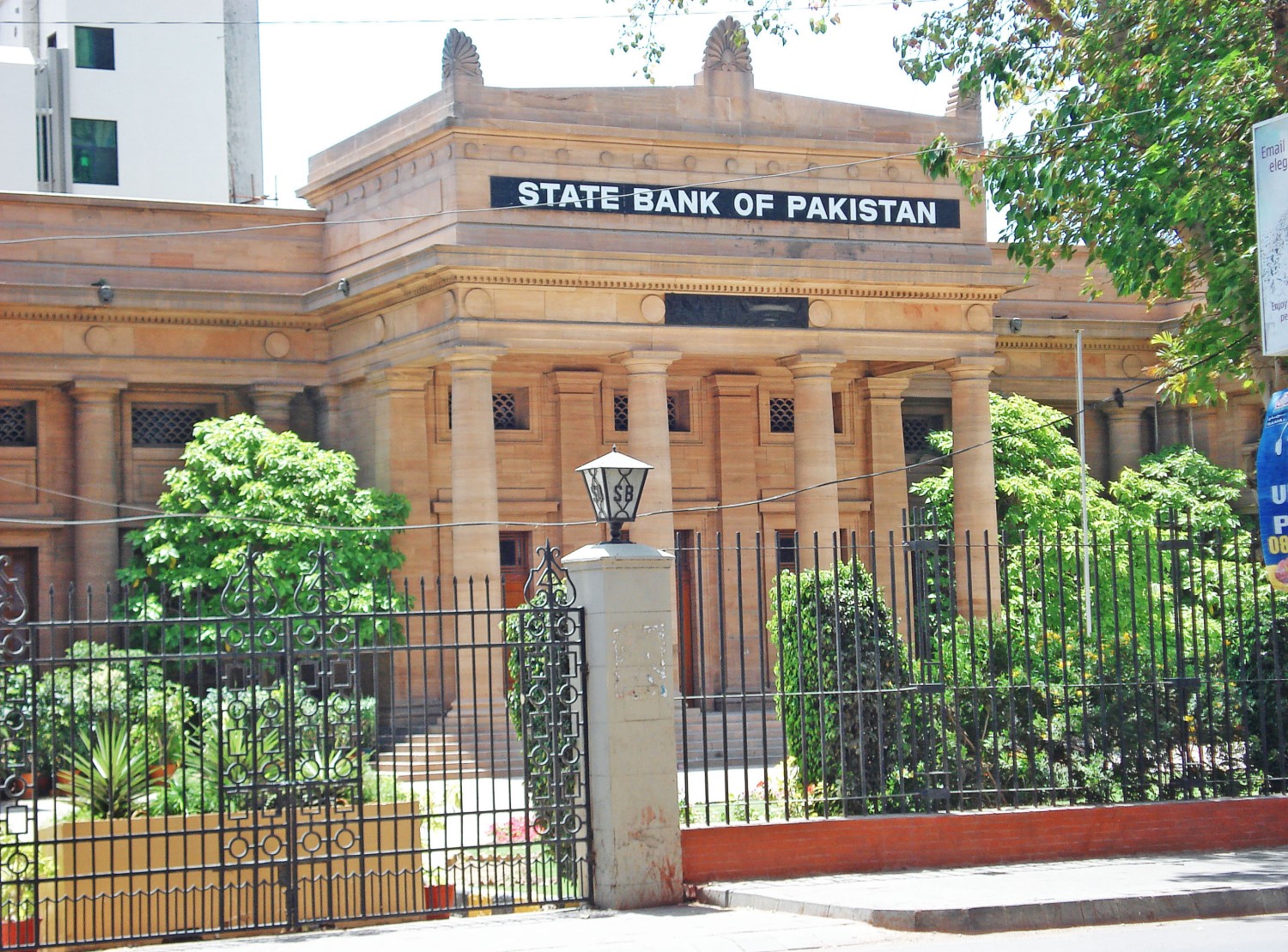
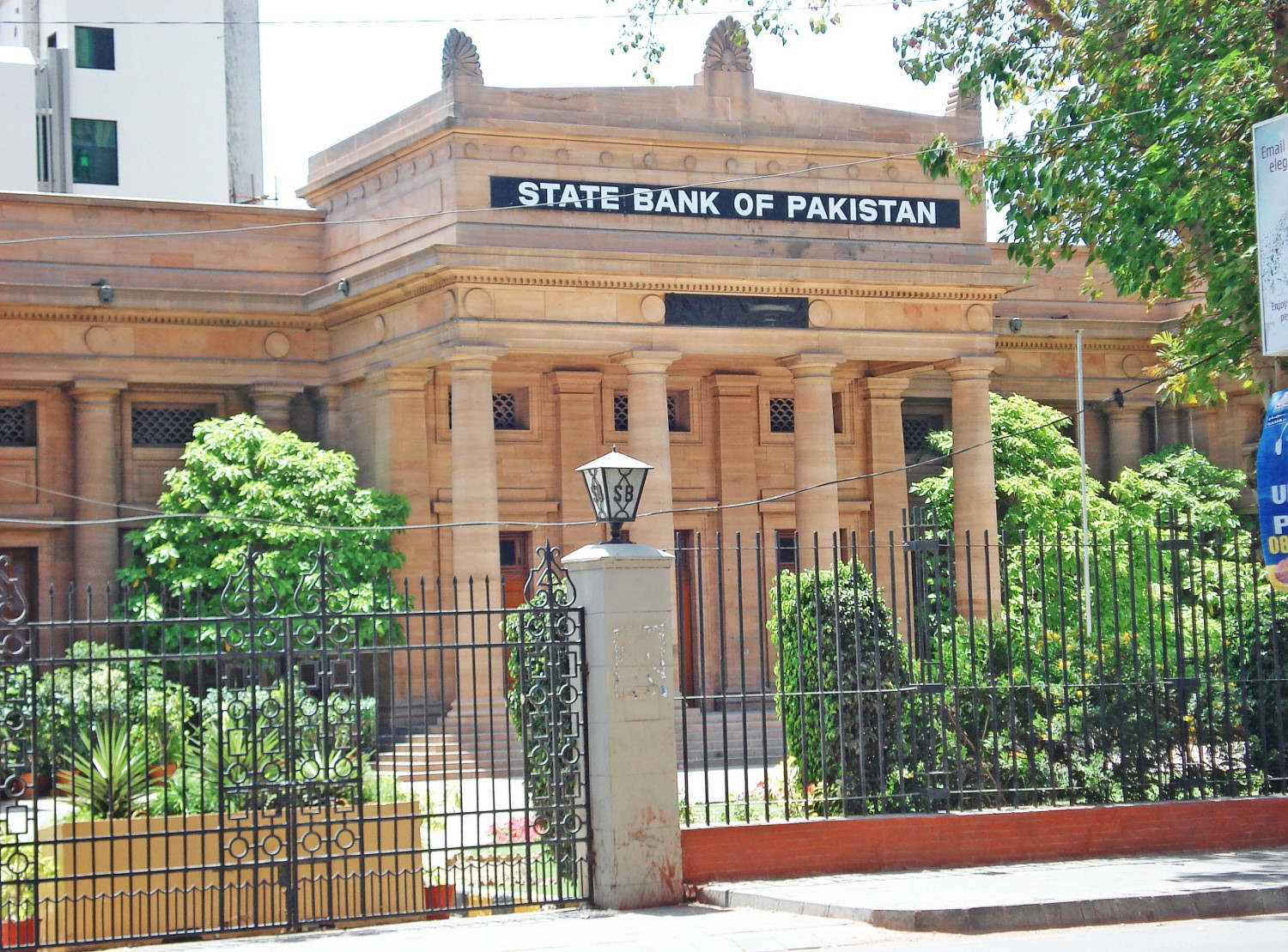
The approval comes amid broader debate on Pakistan’s growth model. In recent weeks, the State Bank of Pakistan governor had warned that the existing economic framework could not sustain a population of 250 million, while the national coordinator of the Special Investment Facilitation Council (SIFC) stated that Pakistan lacked a defined growth plan.
Following controversy over last year’s reported 2.7 percent growth rate, Finance Minister Muhammad Aurangzeb had offered to commission an independent review and involve the media in deliberations. However, no such consultations were held, and the previous fiscal year’s growth rate was later revised upward to above 3 percent.
Agriculture Sector:
The NAC reported that important crops declined by less than 1 percent in the first quarter, mainly due to a 1.2 percent drop in cotton production, while maize, rice and sugarcane recorded higher growth. Other crops registered a contraction of 6.4 percent. Livestock output rose by 6.3 percent, forestry by 2.1 percent, and fishing by nearly 1 percent during the period.
Industrial Sector:
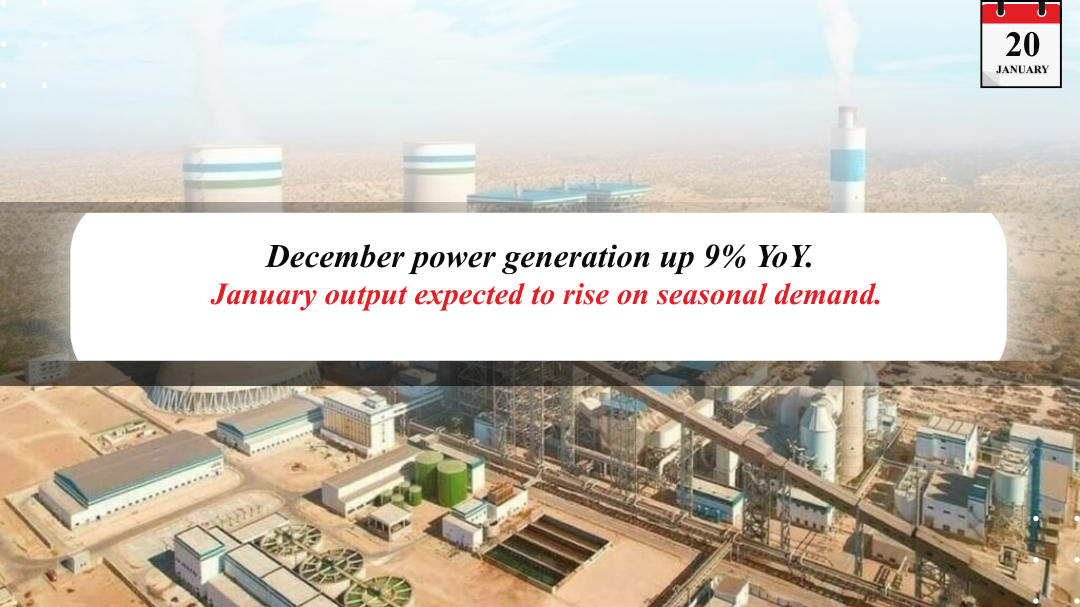
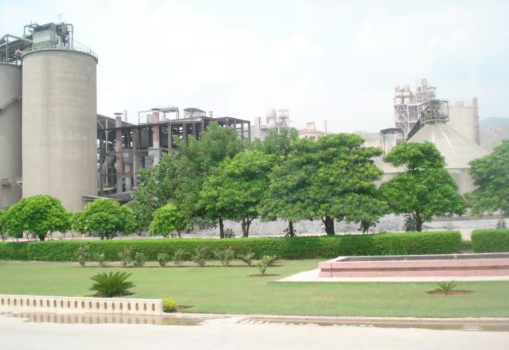
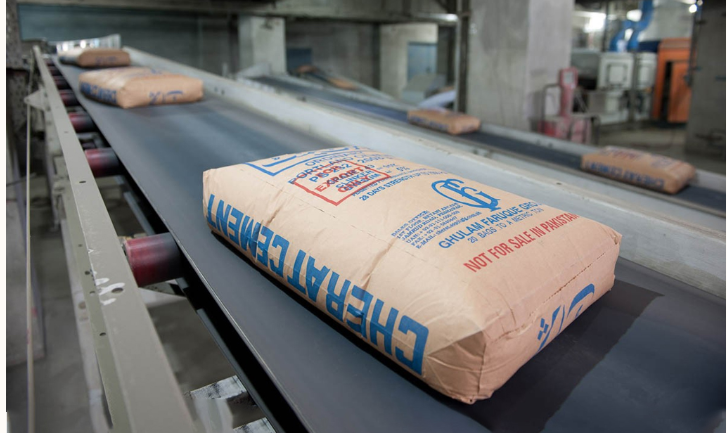
Industrial growth accelerated to 9.4 percent in the first quarter, a figure that raised questions among some observers. Electricity, gas and water supply expanded by 25.5 percent, attributed to higher output from WAPDA and distribution companies, supported by a rise in quarterly subsidies from Rs20 billion to Rs118 billion. The construction sector grew by 21 percent, while cement production increased by 15.3 percent, despite ongoing challenges in the real estate market.
Services Sector:
The services sector recorded growth of 2.4 percent, with wholesale and retail trade expanding by 3.1 percent on the back of agriculture and manufacturing growth. However, the information and communication sector contracted sharply by 28.7 percent, a figure questioned by some NAC members. The Pakistan Bureau of Statistics attributed the decline to reduced output by mobile companies, despite reported growth in IT exports.
The finance and insurance sector posted growth of 10.4 percent, while public administration and social security expanded by 8.1 percent. Education services grew by 5.24 percent, reflecting updated data from private sector sources.
FY25 Revision:
The NAC also marginally revised the economic growth rate for the previous fiscal year upward to 3.09 percent. Growth in the electricity, gas and water sector was revised to over 29 percent, driven by higher output from independent power producers and the gas sector, partially offsetting weaker performance by distribution companies.























































-falls-to-rs43.57tr)













































































































-rises-to-rs44.35-trillion)

























-surges-to-rs44.23-trillion-as-bank-deposits-jump)



























































-falls-weekonweek-to-rs40.95tr)




















































































































































































-ltd-reports-strong-halfyearly-results-–-profit-surged)








































































































)

















Add a comment