
 (1).png)
Oil prices retreated sharply in early Asian trading on Thursday, falling more than 2% as remarks from U.S. President Donald Trump eased immediate fears of military escalation against Iran and reduced concerns over supply disruptions.
Brent crude slipped $1.67, or 2.5%, to $64.85 per barrel, while U.S. West Texas Intermediate (WTI) declined $1.54, or 2.5%, to $60.48 per barrel as of 0109 GMT.
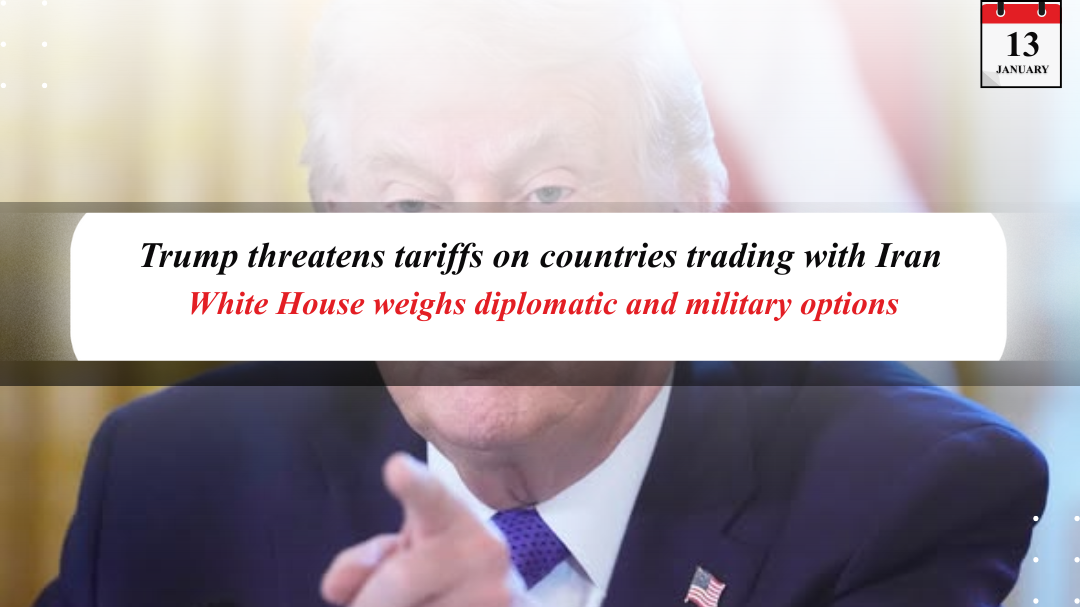
The pullback erased most of Wednesday’s gains, when both benchmarks had settled over 1% higher amid heightened geopolitical anxiety. Trump later stated he had been informed that fatalities linked to anti-government protests in Iran were declining, and that he did not expect mass executions ,comments that dampened speculation over imminent U.S. military action.
Market analysts noted that investors shifted to selling positions as the risk premium linked to Middle East tensions temporarily eased. Hiroyuki Kikukawa, chief strategist at Nissan Securities Investment, said the lack of signals pointing to U.S. strikes reduced buying interest. He added that a larger-than-forecast build in U.S. crude stocks also weighed on sentiment.
While political risk remains elevated, Kikukawa noted WTI could trade within the $55–$65 band in the near term absent major supply shocks.
Adding to the softer tone, a U.S. official confirmed that some personnel were being repositioned from American bases in the Middle East. Earlier, an Iranian official had warned that Tehran would target U.S. bases if attacked.
On the supply side, U.S. government data showed crude inventories rising by 3.4 million barrels to 422.4 million in the week ending January 9, a sharp contrast to market expectations of a 1.7 million-barrel draw. Gasoline stocks also posted sizeable increases.
Meanwhile, sources told Reuters that Venezuela has begun reversing earlier oil output cuts imposed under a U.S. embargo, with exports starting to pick up again, adding further bearish pressure.
On the demand front, OPEC maintained its view that global oil consumption in 2027 will grow at a pace similar to this year and indicated supply-demand conditions may be near balanced in 2026 diverging from other forecasts projecting a surplus.
Separately, Chinese customs data showed strong crude purchasing activity, with December imports up 17% year-on-year and full-year 2025 volumes growing 4.4%. Average daily crude arrivals hit record highs both in December and across the year.



























































-falls-to-rs43.57tr)




























































































































-rises-to-rs44.35-trillion)


























-surges-to-rs44.23-trillion-as-bank-deposits-jump)

















































































-falls-weekonweek-to-rs40.95tr)






















































































































































































































-ltd-reports-strong-halfyearly-results-–-profit-surged)
















































































































)



















Add a comment