
 (1).png)
Pakistan’s mutual fund industry has expanded rapidly over the past three years, with assets under management (AUM) nearly tripling on the back of strong local inflows, stock market gains, and a gradual shift away from income-focused instruments toward equities.
Data from the Mutual Funds Association of Pakistan (MUFAP) shows that total AUM grew 11% year-on-year in December 2025, highlighting the rising influence of domestic institutional investors in supporting capital markets. The acceleration in AUM has coincided with improved macroeconomic stability and a sustained rally in equities.
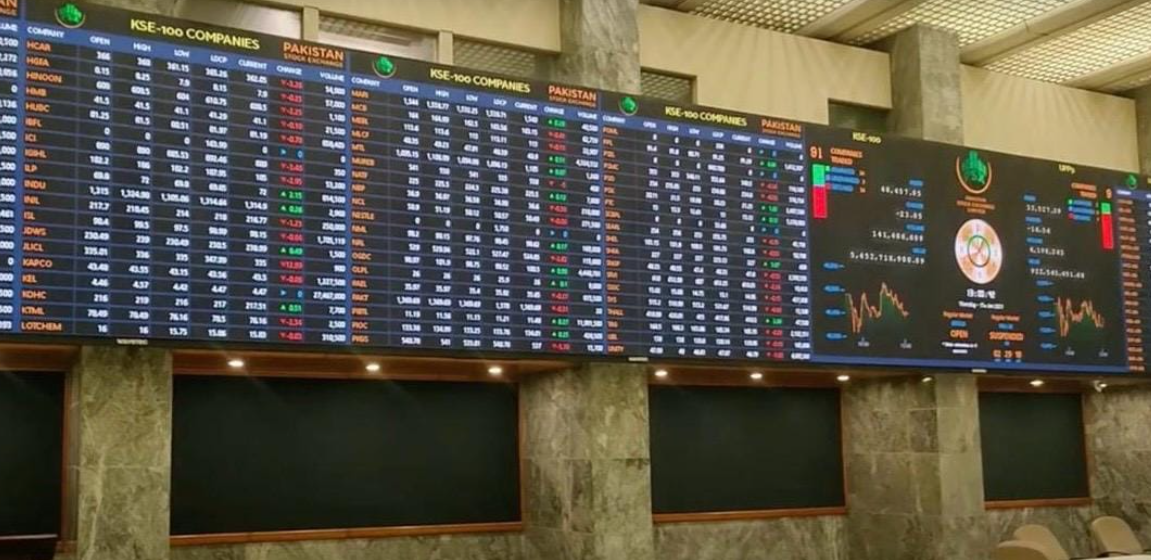
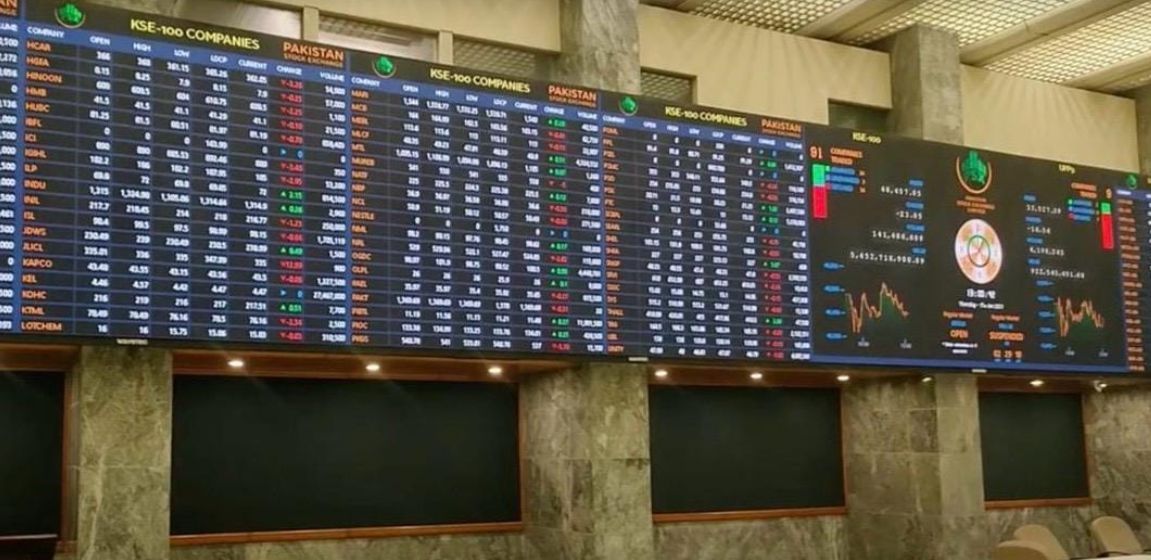
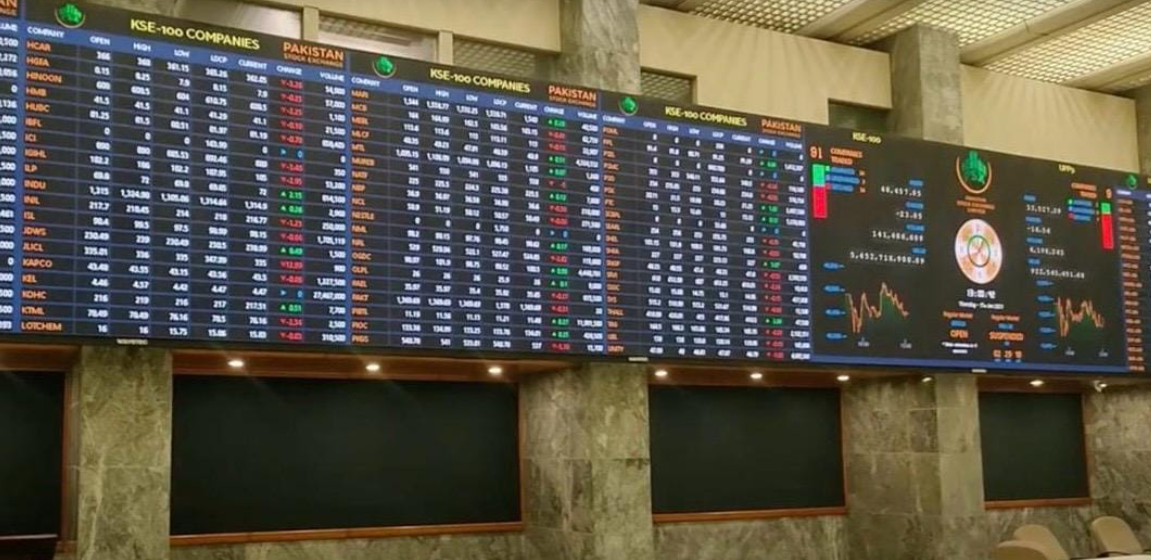
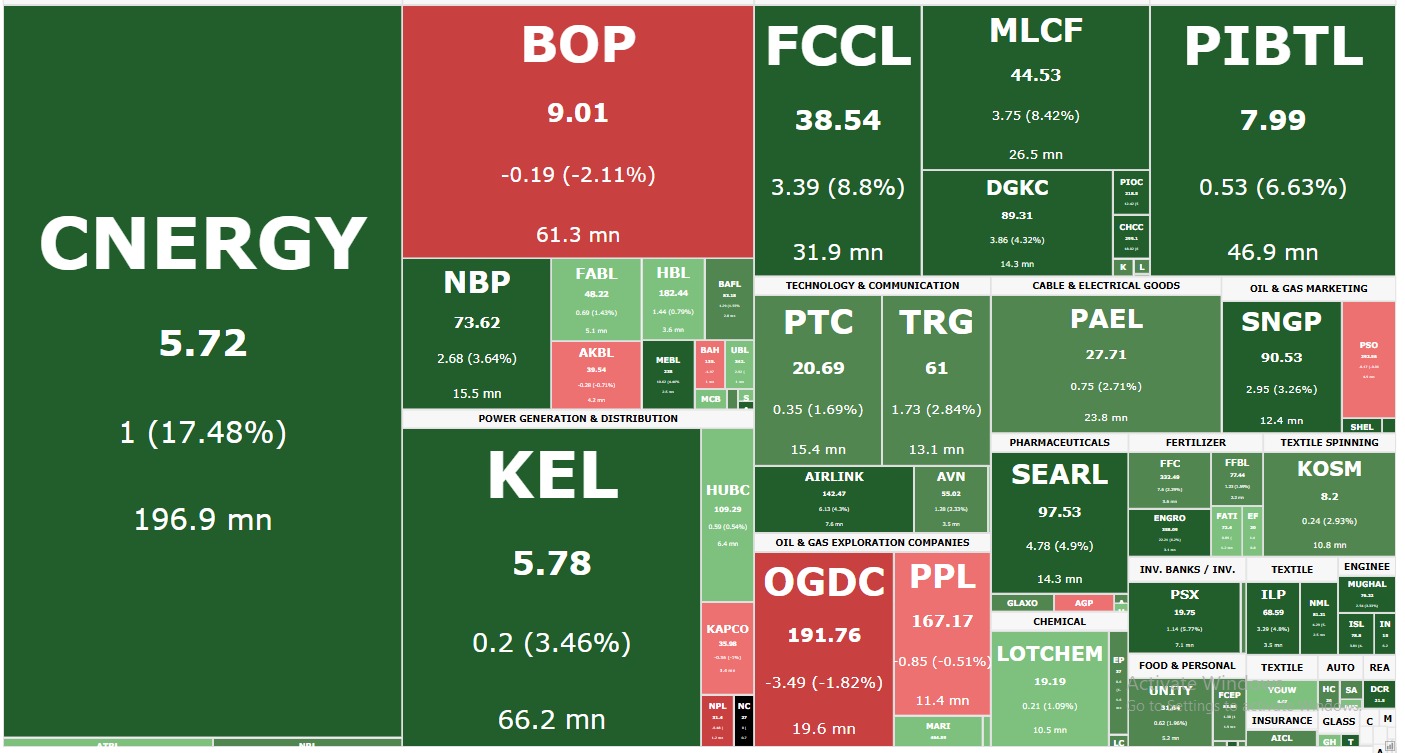
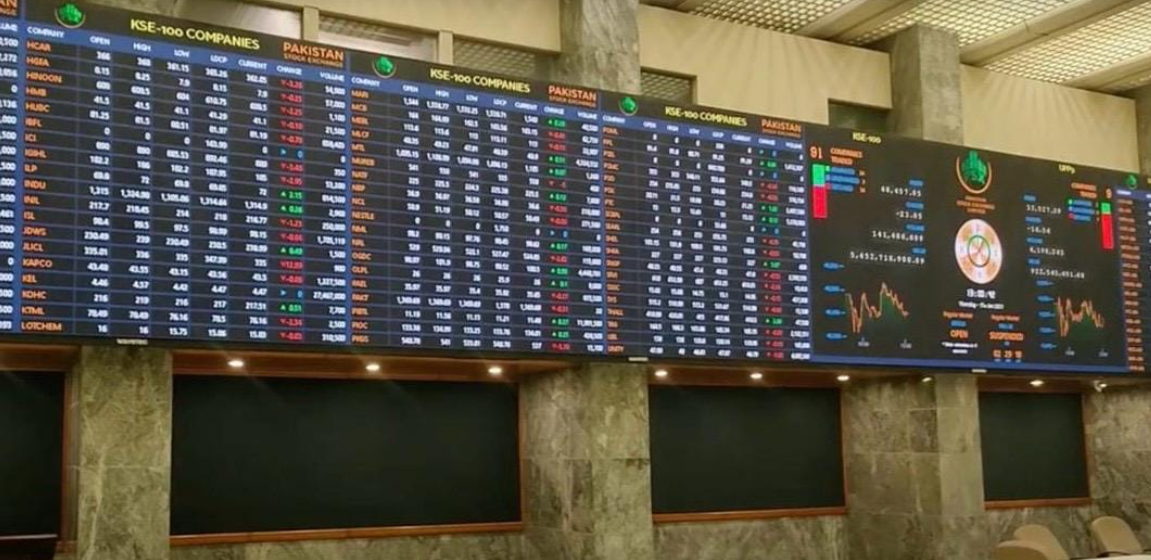
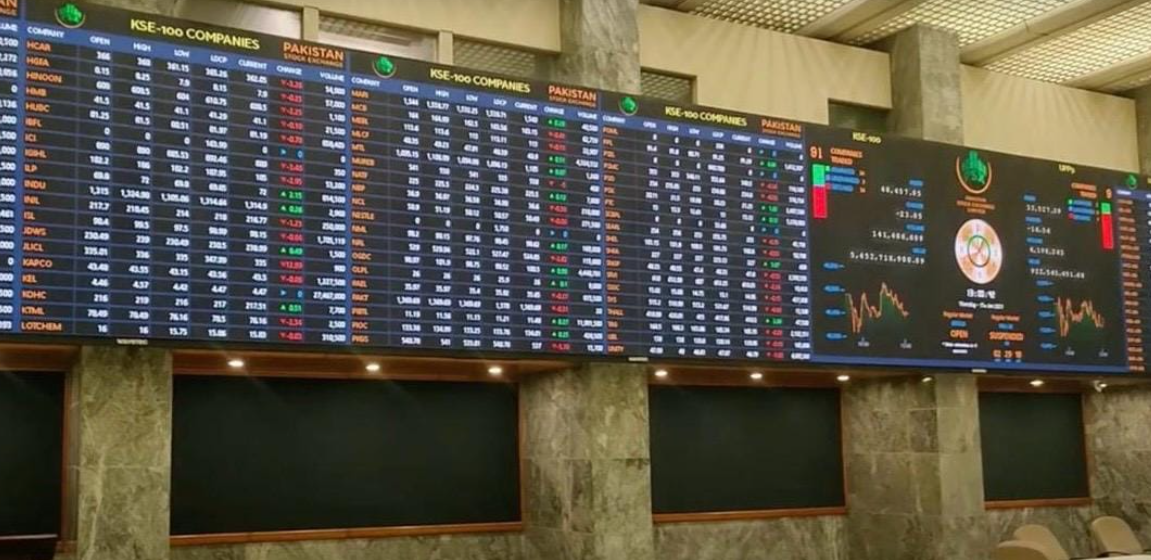
Market analysts note that the expansion of mutual fund assets has helped the equity market absorb continued foreign selling while supporting broad-based valuation re-rating. Between 2022 and 2025, the benchmark KSE-100 index delivered a cumulative return of 331%, driven in part by increased participation from mutual funds and retail investors.
Within overall AUM, equity-focused investments have grown far faster than their debt counterparts. During 2025, allocations to equities increased by 56%, while investments in debt-based funds including money market, income and fixed-income rose by just 5%. As a result, equities’ share in total mutual fund AUM reached 15% in December 2025, up from roughly 10% in December 2023.
This shift reflects changing return dynamics across asset classes. As monetary policy has eased sharply, fixed-income products have become less attractive: since December 2023, the policy rate has been reduced by a cumulative 1,150 basis points, while yields on three-year Pakistan Investment Bonds (PIBs) have fallen about 630 basis points. The latest federal budget also increased taxes on fixed-income returns, further tilting investor preference toward equities.
Despite recent growth, analysts point out that equity exposure remains well below historical highs. During 2016–18, equities made up 40–50% of total AUM far higher than the current 15% level suggesting further reallocation potential if earnings remain strong and macro conditions stay supportive.
Domestic liquidity has also played a crucial stabilizing role amid foreign outflows. In 2025, foreign portfolio investors recorded net outflows of around $370 million. These were more than offset by the combined net buying of roughly $561 million from mutual funds and retail investors, with mutual funds alone accounting for around $298 million in net purchases.
The trend has continued into early 2026. Year-to-date figures show foreign investors remained net sellers with outflows of approximately $53 million, while mutual funds posted net equity inflows of about $92.5 million. Analysts say this indicates a structural shift in market dynamics, with domestic institutions increasingly acting as buffers against external volatility.
Ample liquidity has contributed to rising valuations as well. Market P/E multiples for a broad coverage universe climbed from roughly 3.5x in December 2023 to about 8x by December 2025. While valuations have already re-rated substantially, analysts believe further upside is possible if corporate earnings remain strong and macro risks continue to ease.
Market participants see the growth of the mutual fund industry as a key structural development for Pakistan’s capital markets. A deeper domestic investor base reduces reliance on volatile foreign flows, enhances price discovery, and strengthens market depth. However, sustaining growth will require consistent policy direction, continued financial reforms, and efforts to expand retail participation.
The tripling of mutual fund AUM over the last three years marks a notable shift in Pakistan’s investment landscape, with domestic savings increasingly directed toward capital markets and equities emerging as a more prominent component of managed portfolios.



























































-falls-to-rs43.57tr)

























































































































-rises-to-rs44.35-trillion)


























-surges-to-rs44.23-trillion-as-bank-deposits-jump)
















































































-falls-weekonweek-to-rs40.95tr)























































































































































































































-ltd-reports-strong-halfyearly-results-–-profit-surged)






















































































































)



















Add a comment