 (1).png)
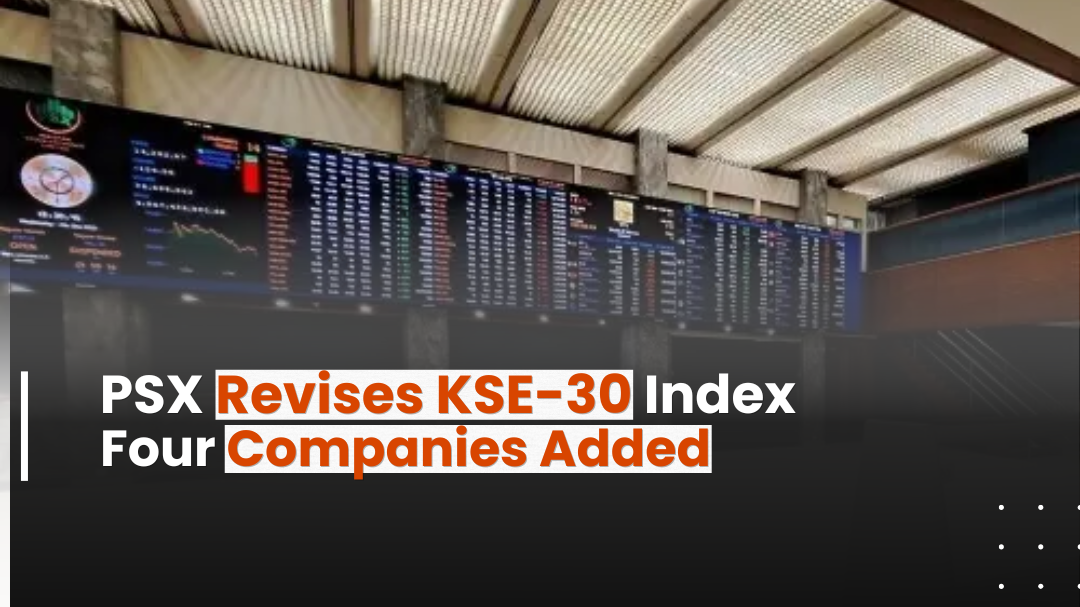
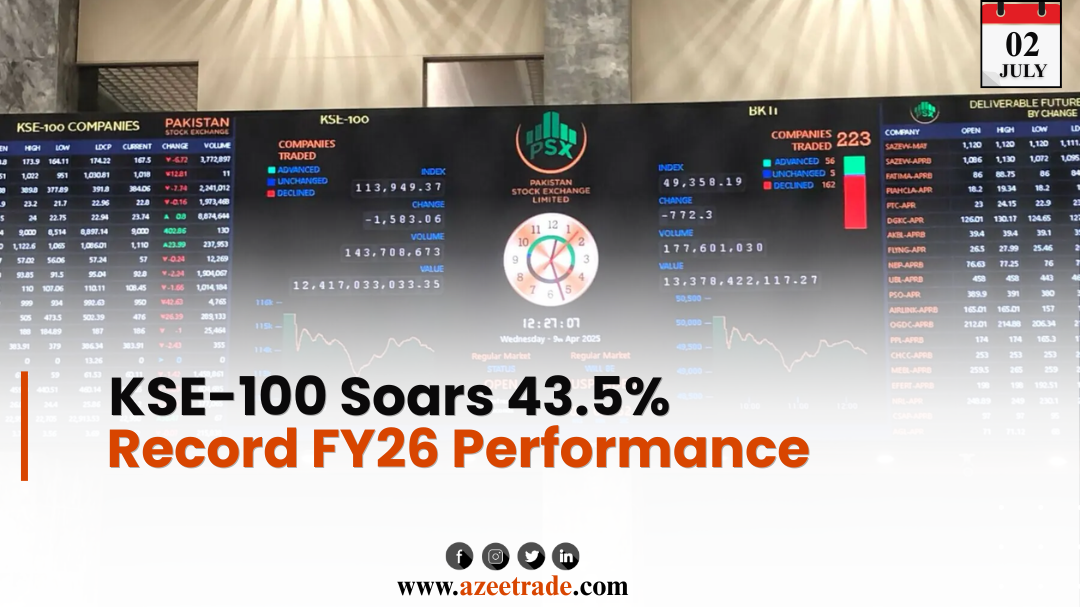
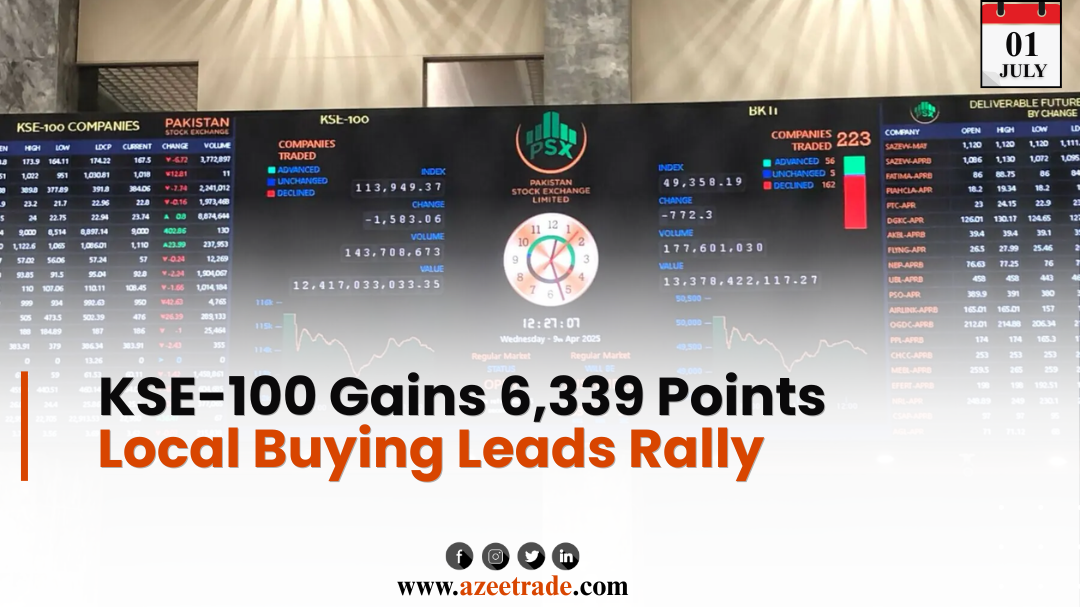
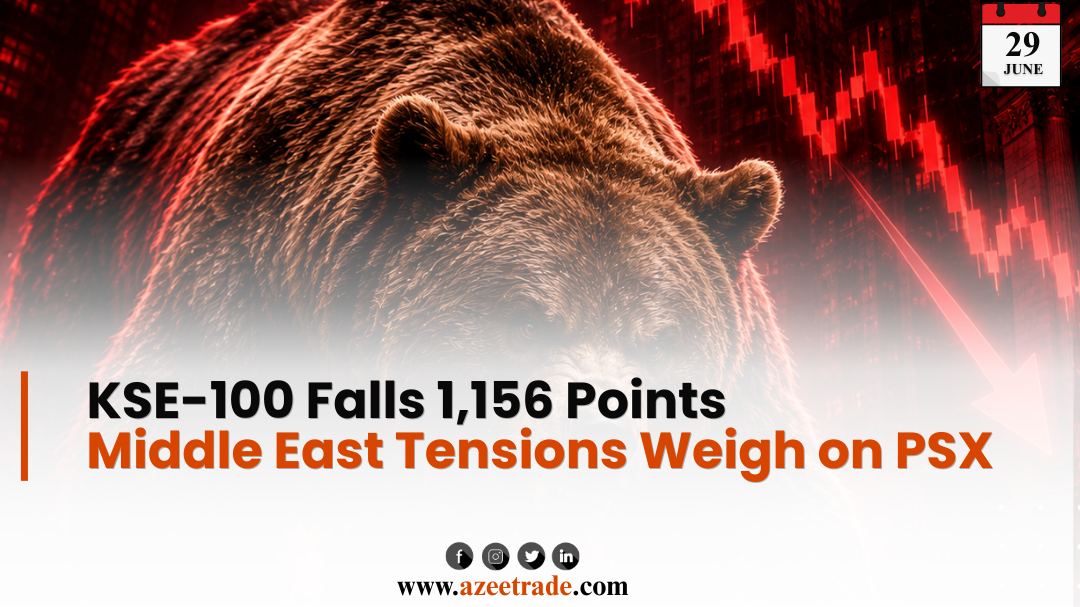
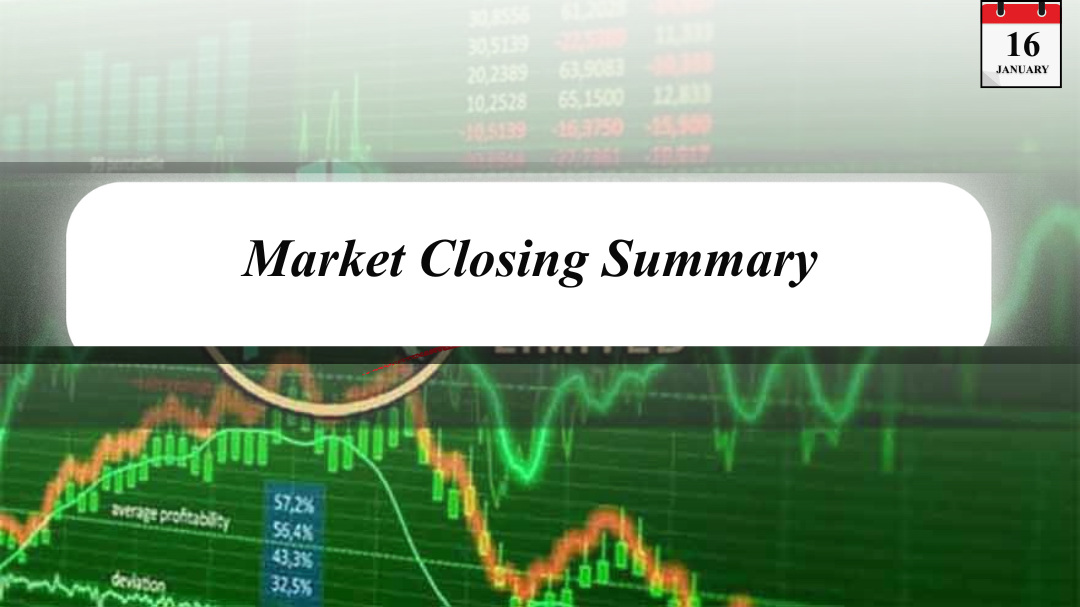
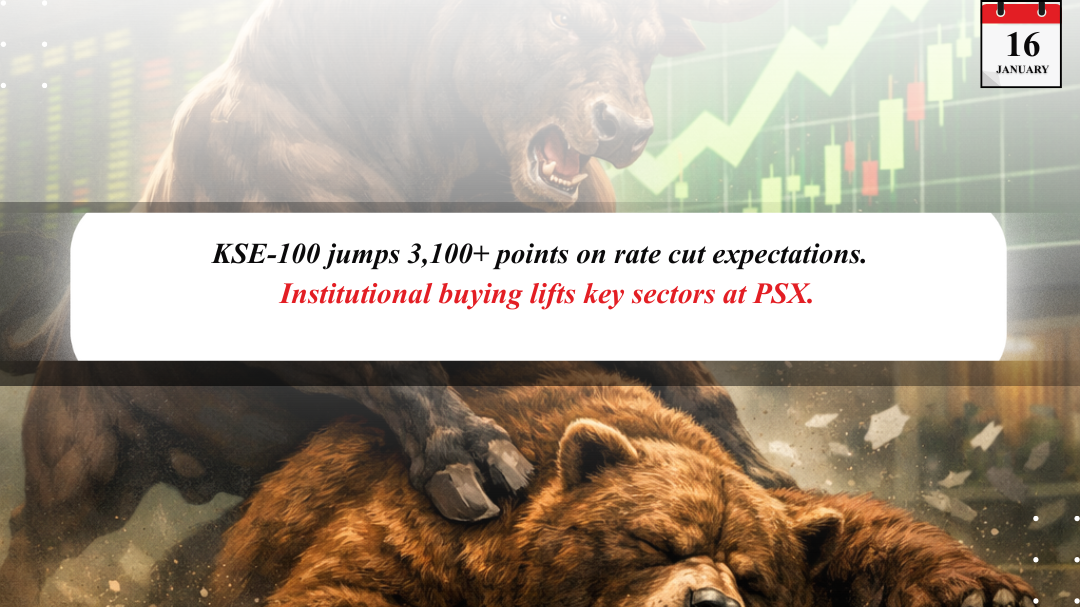
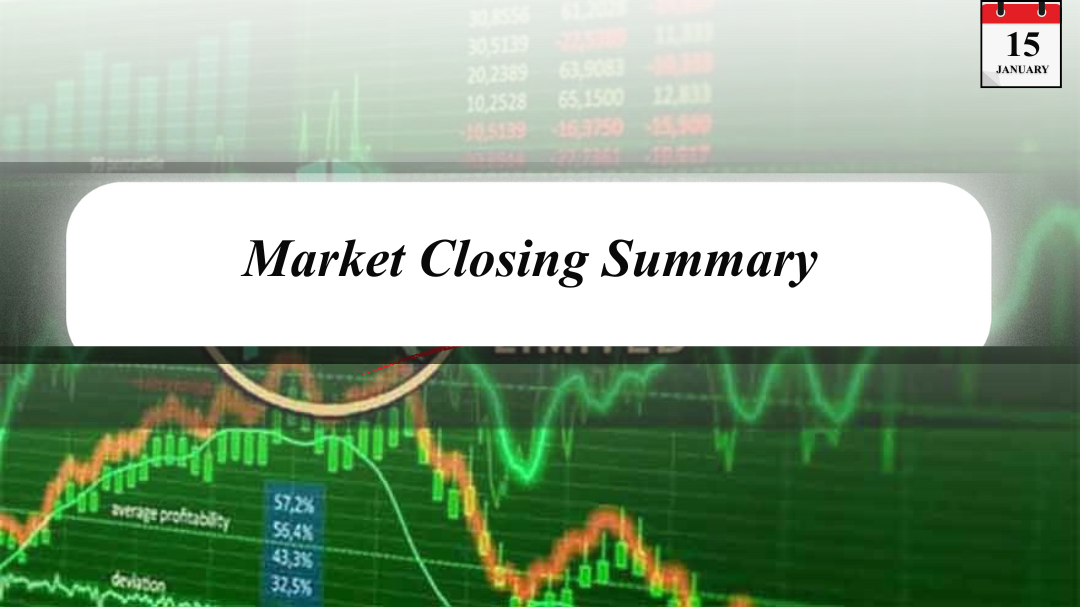
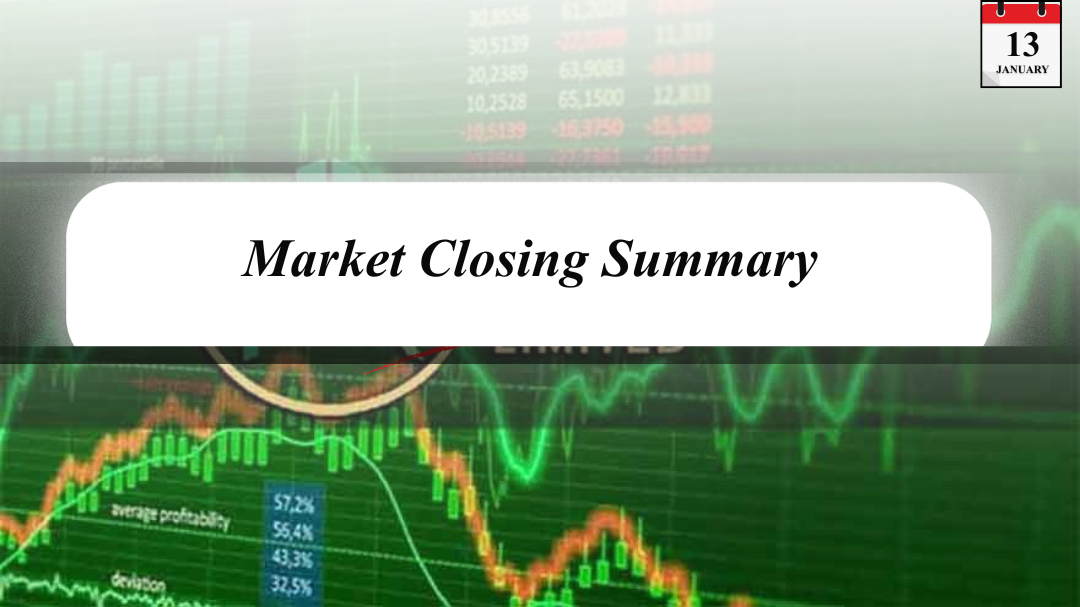
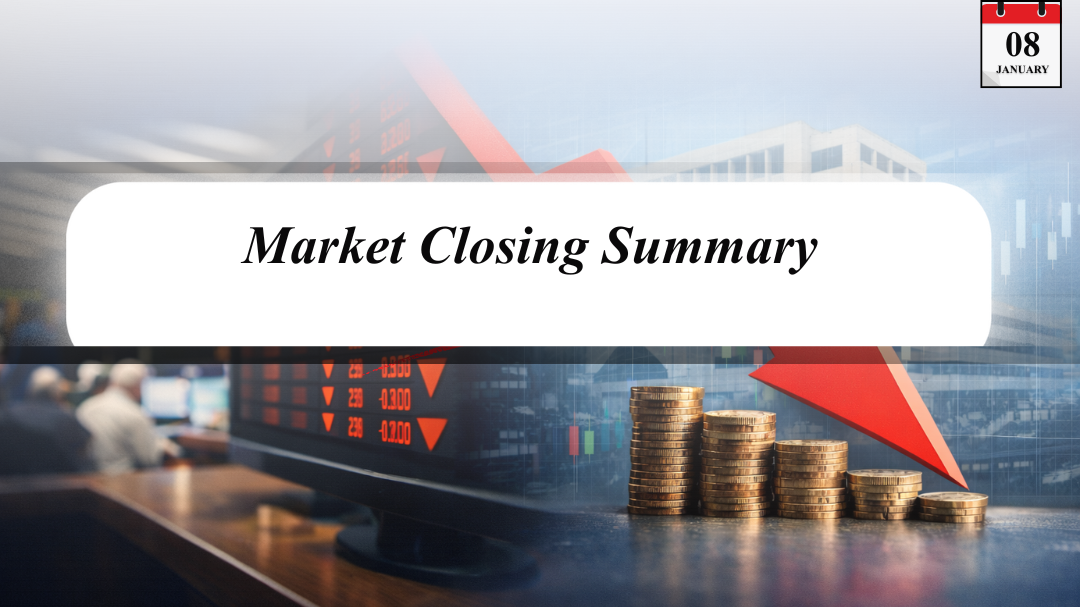
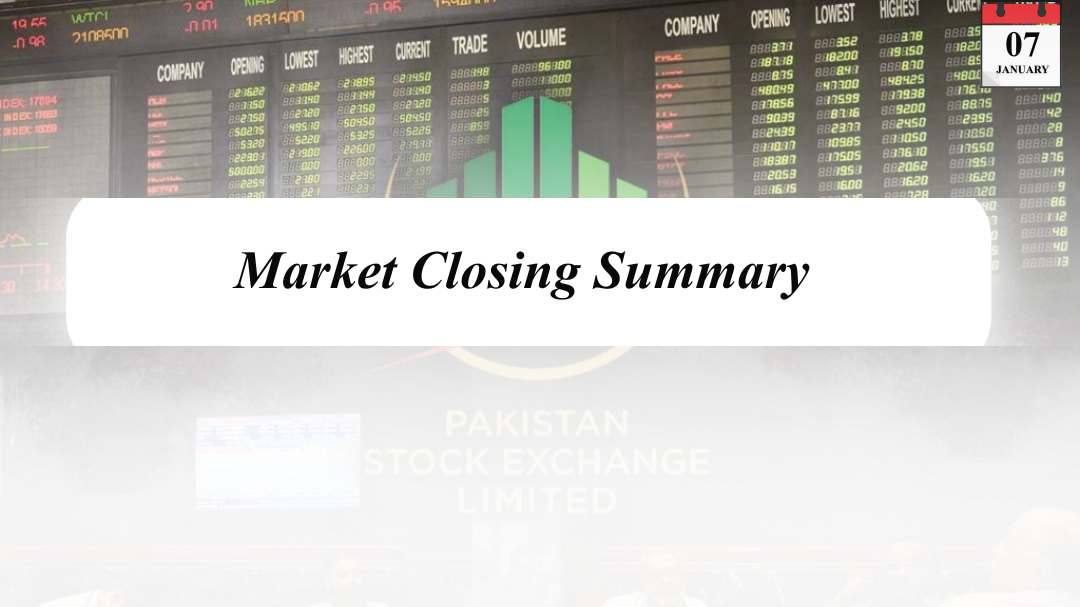
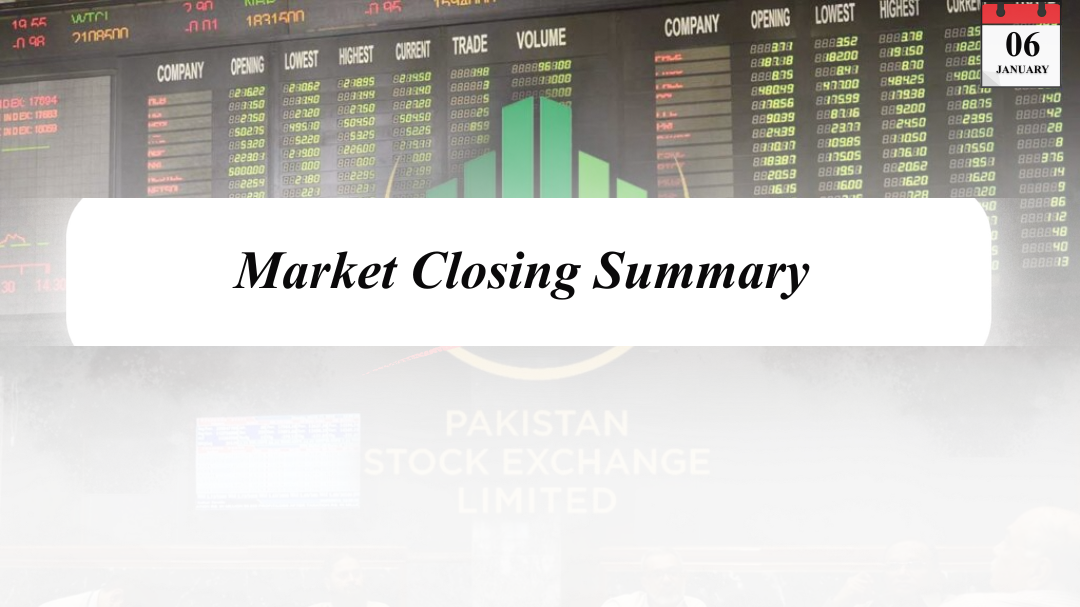
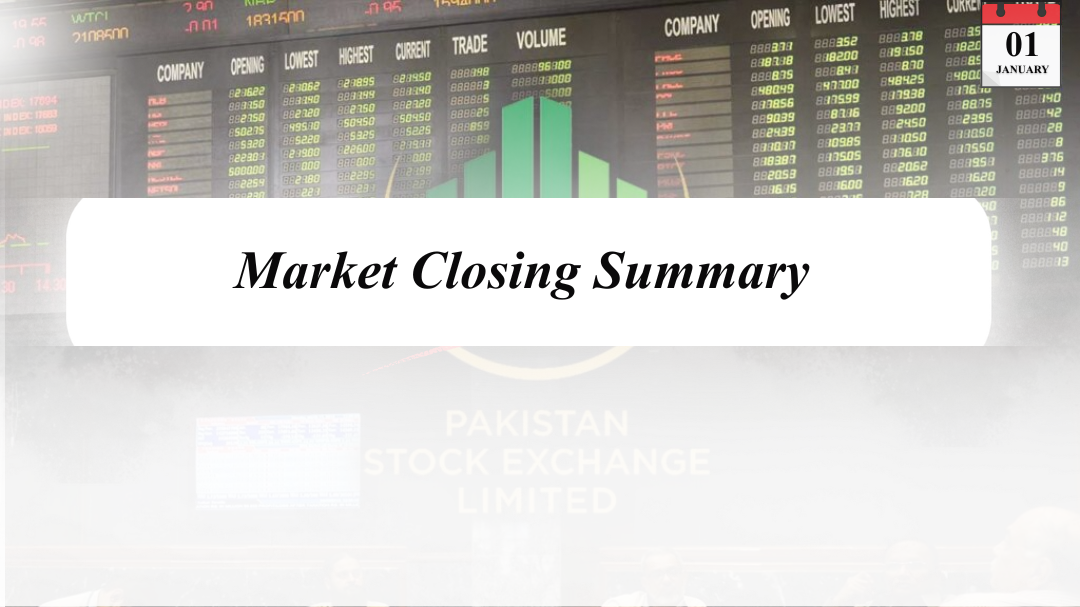
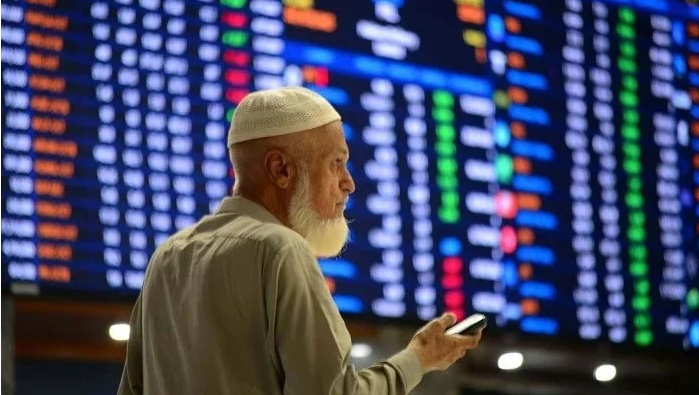
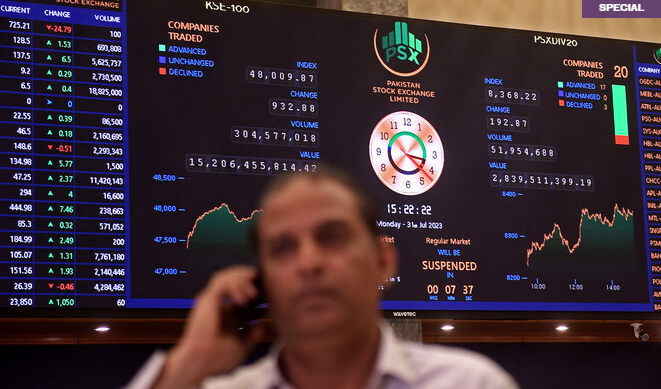
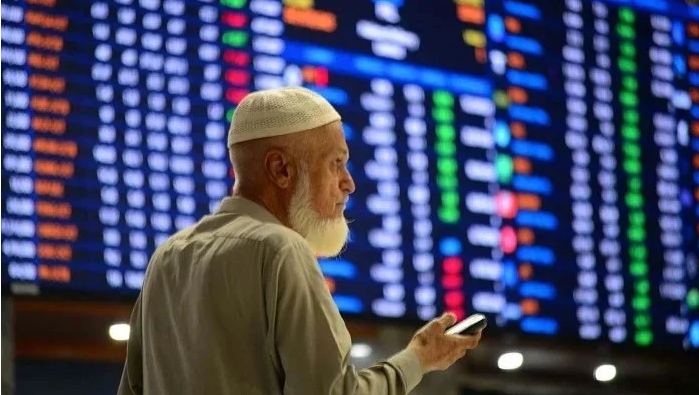
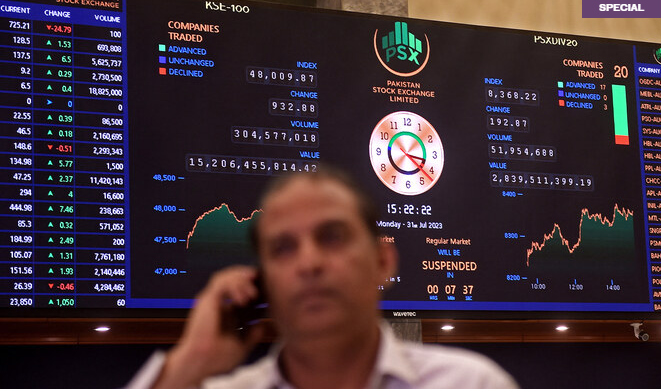
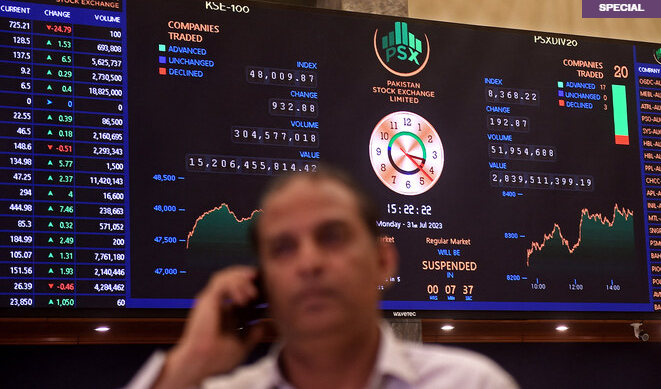
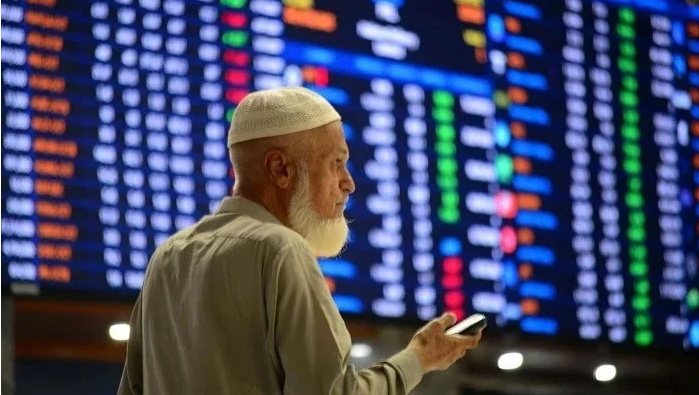
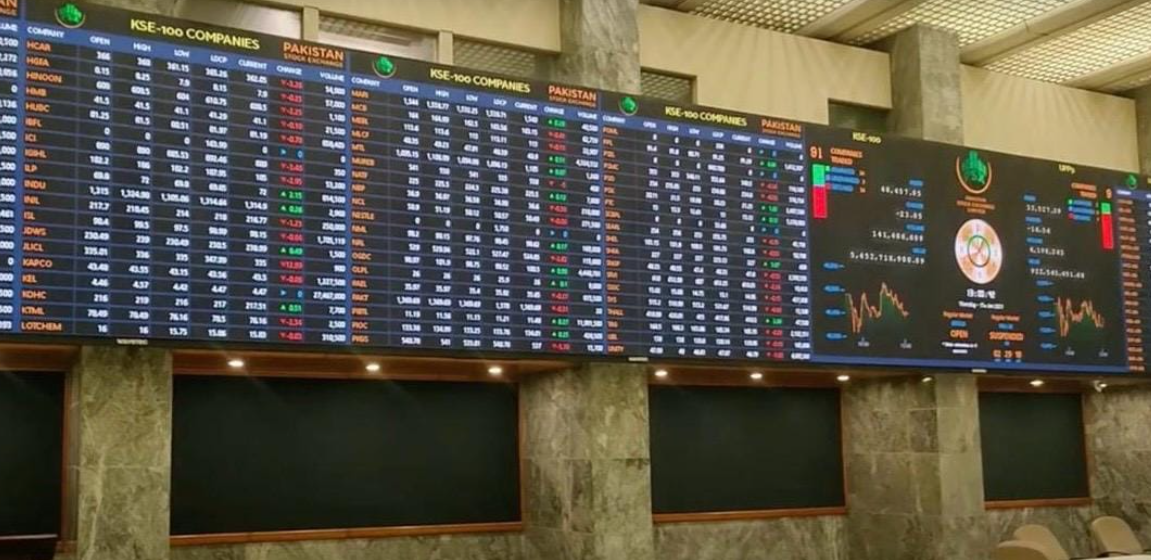
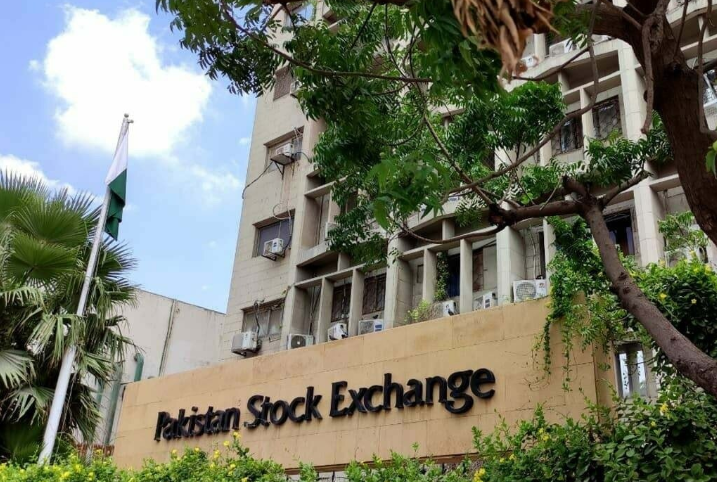
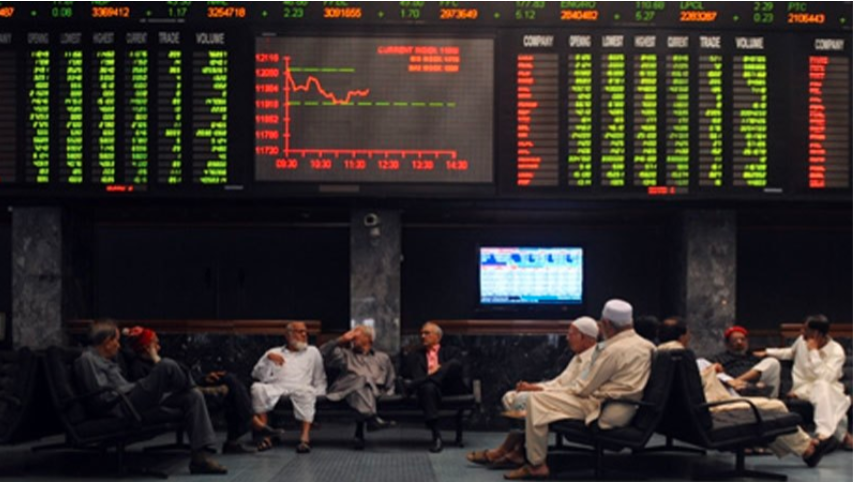
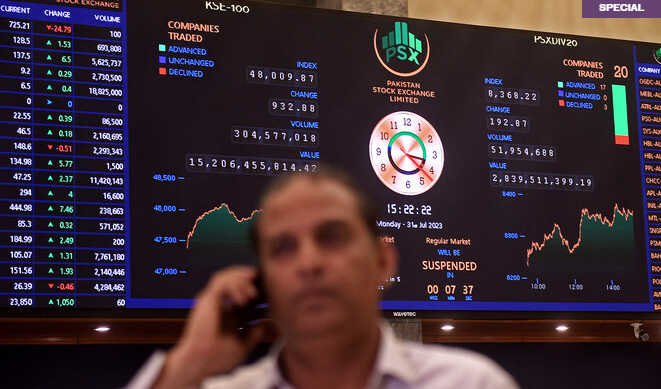
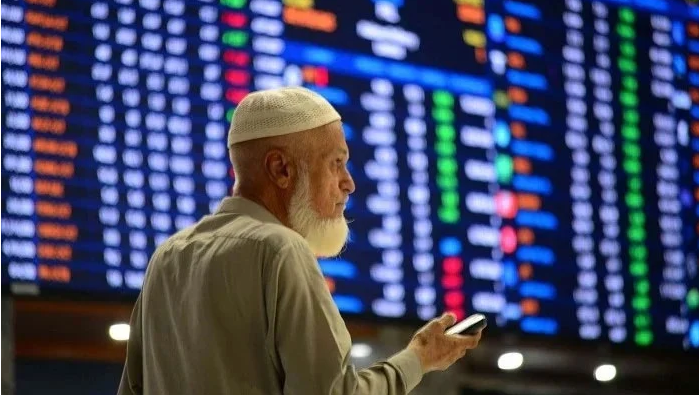
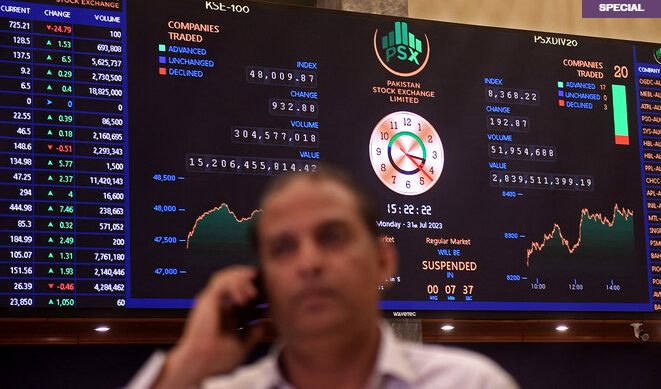
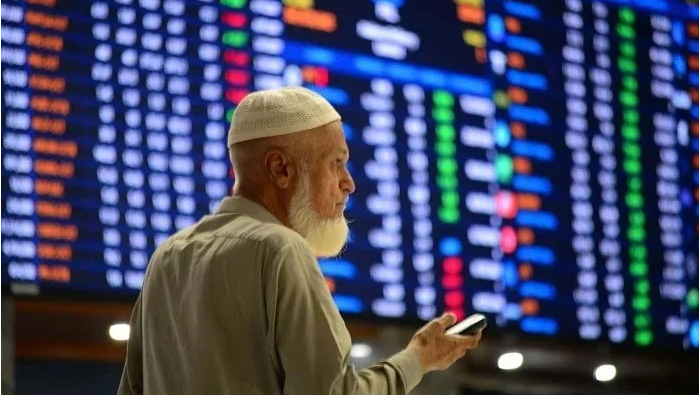
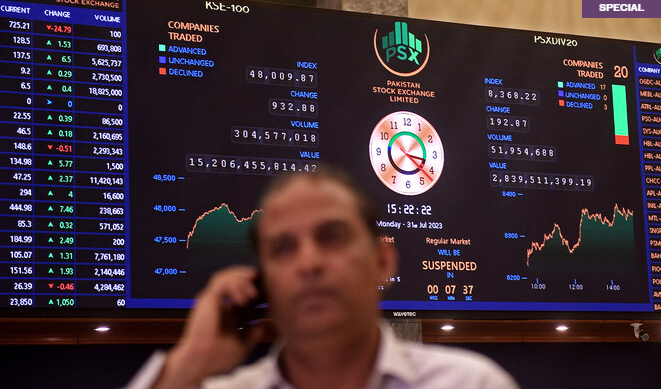
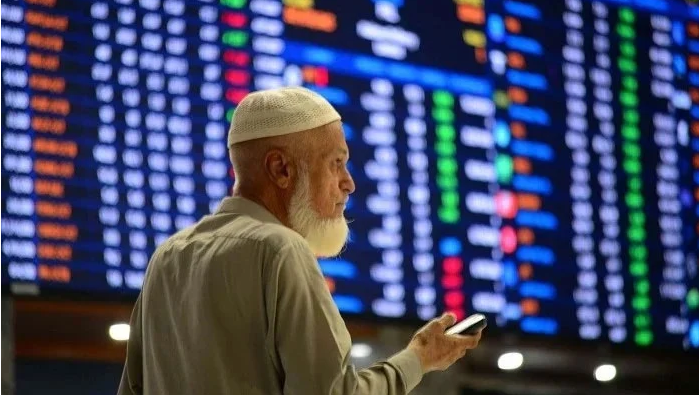
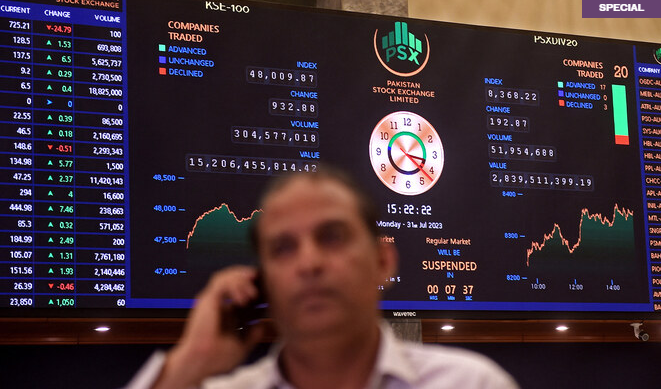
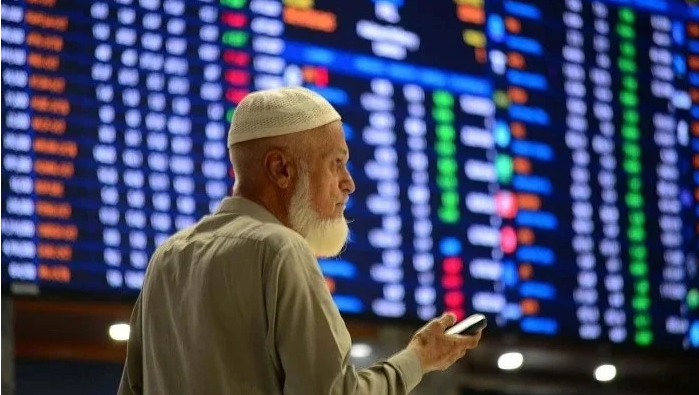
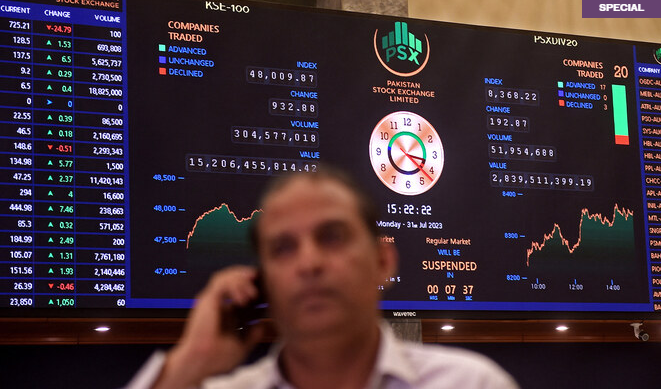
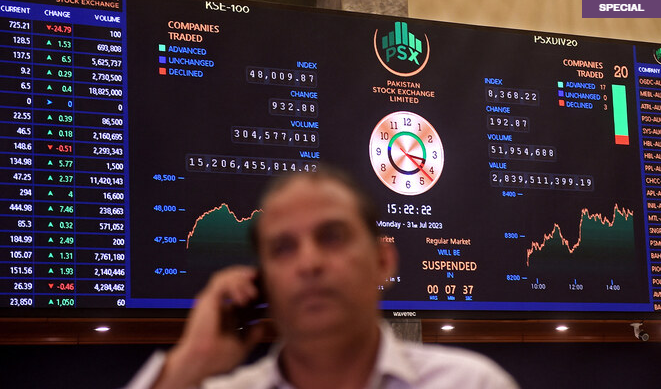
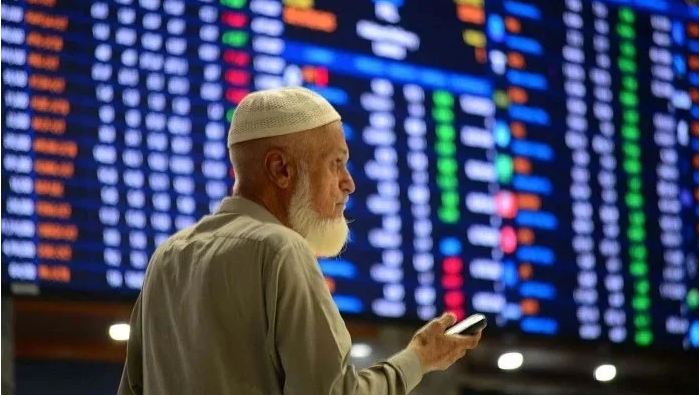
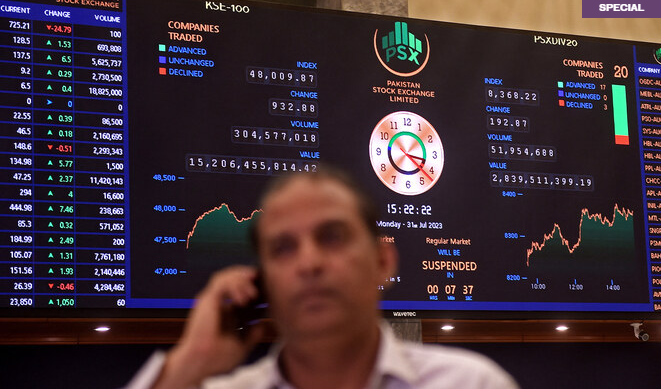
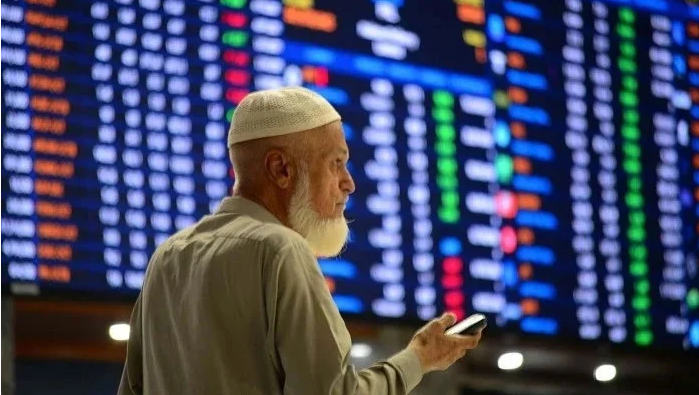
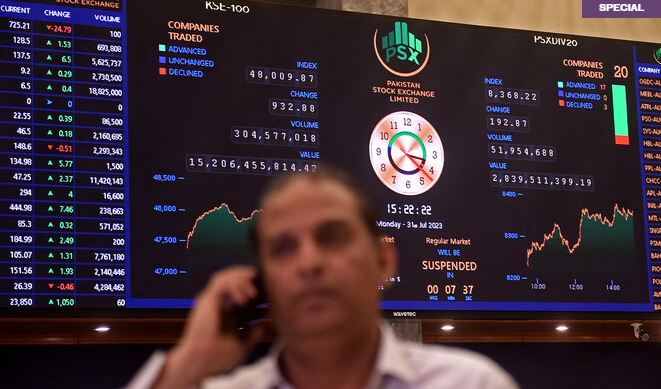
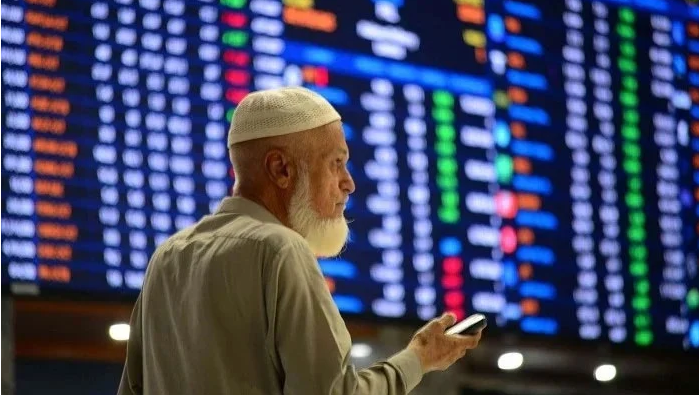
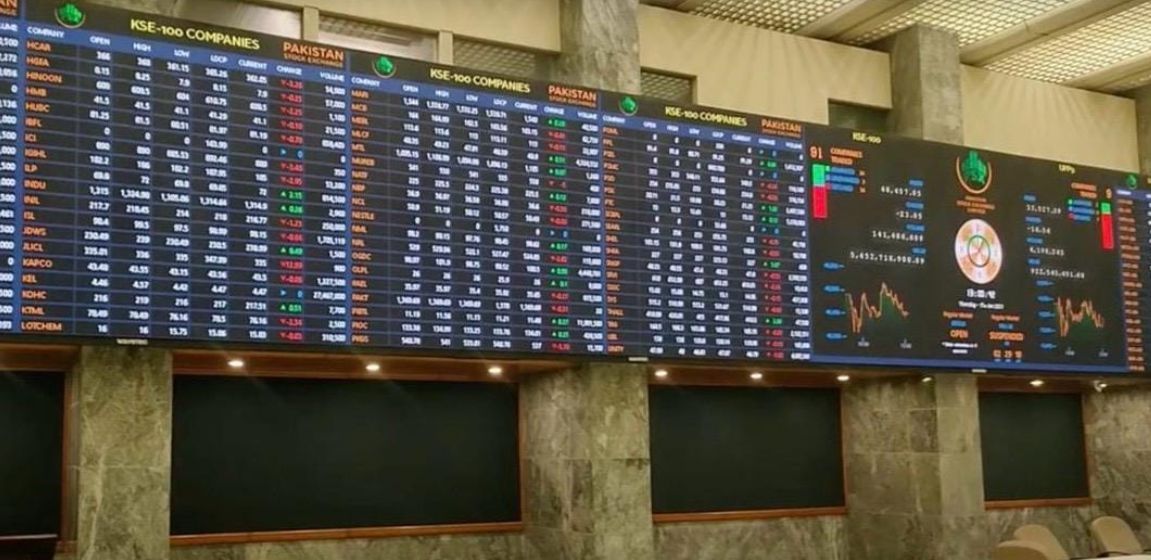
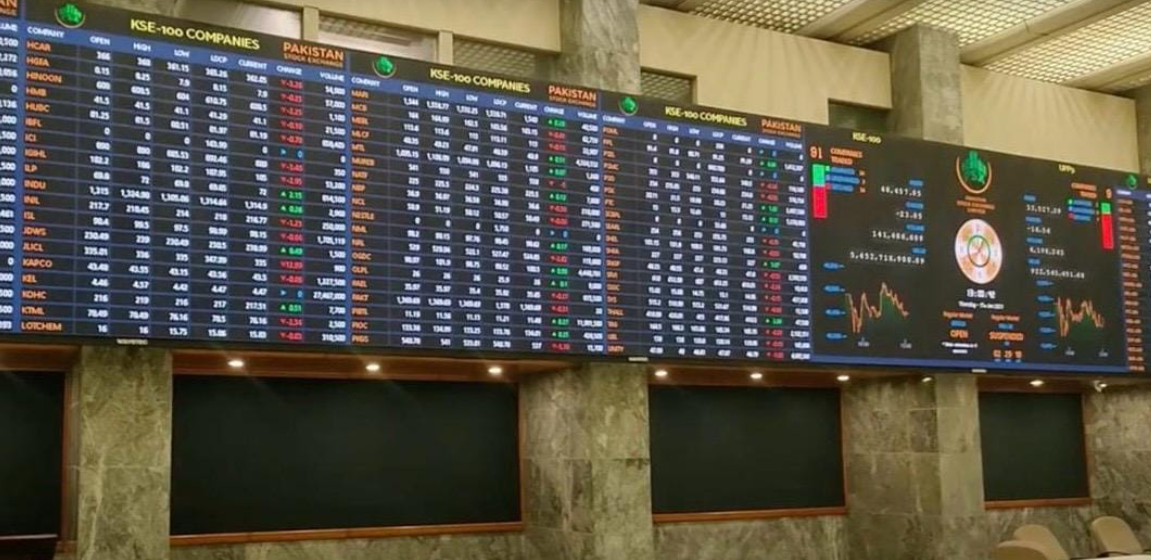
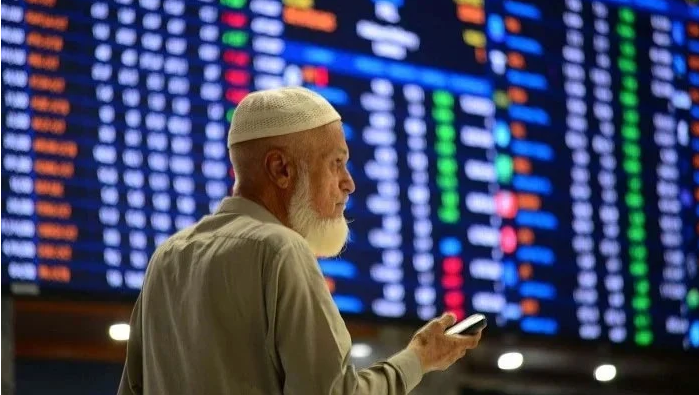
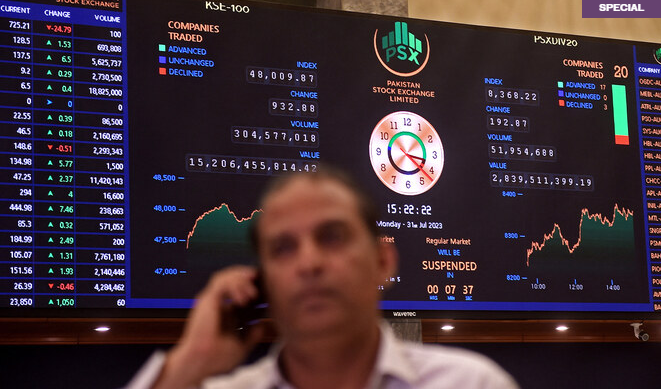
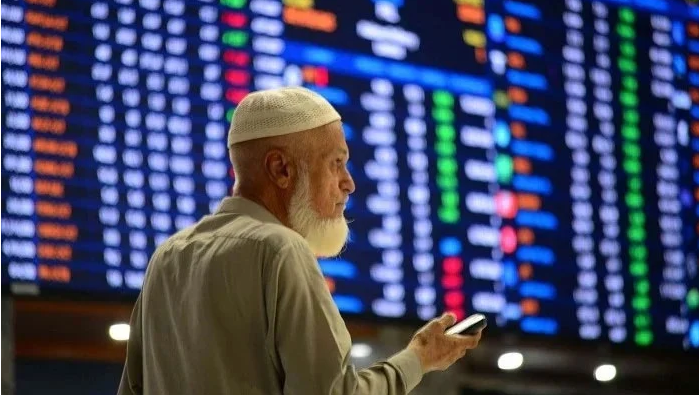
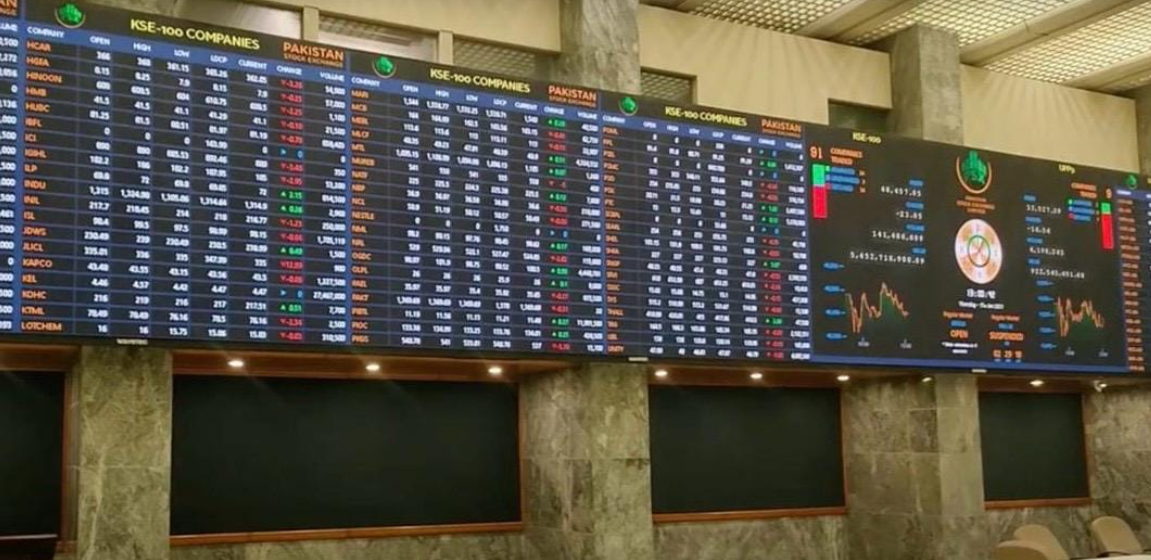
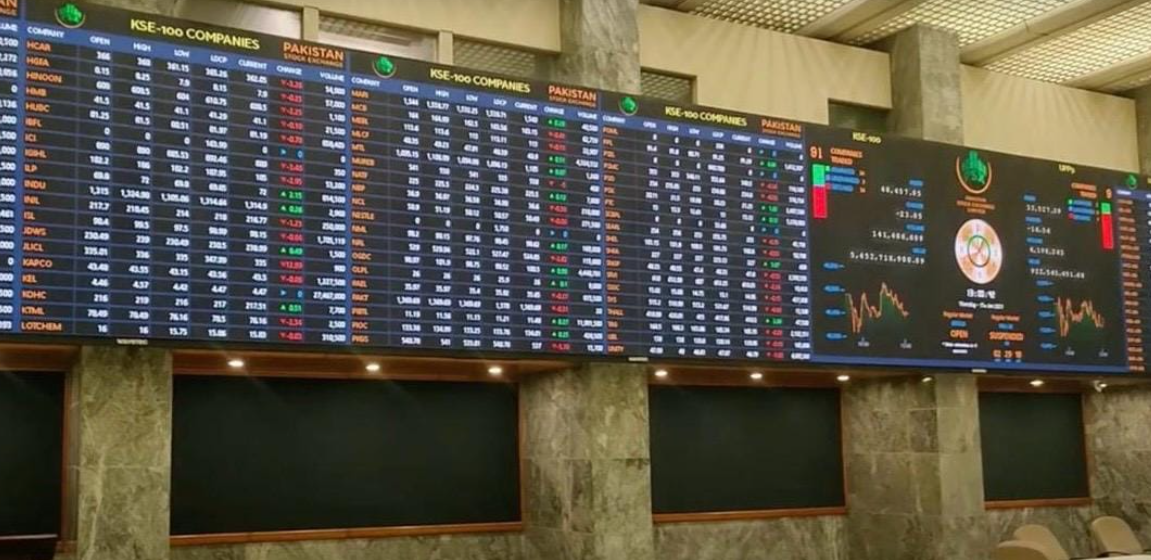
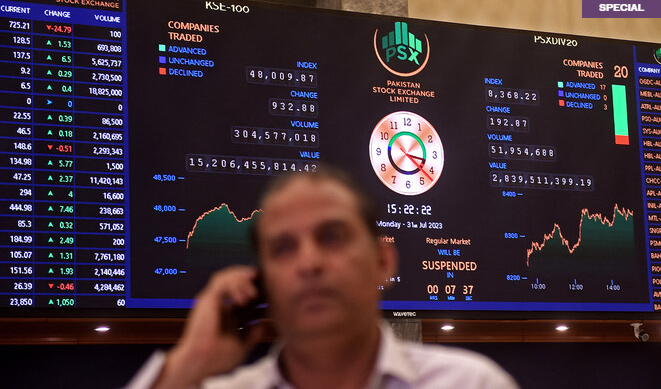
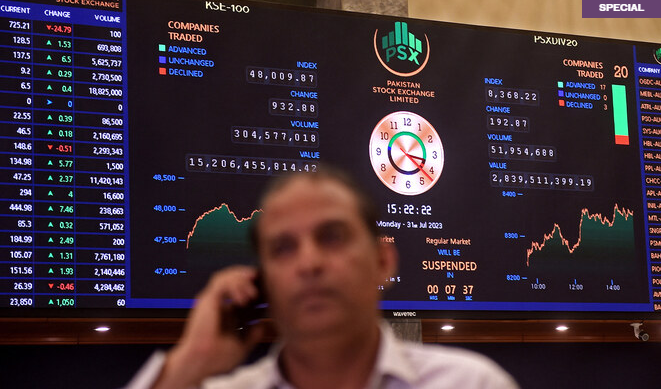
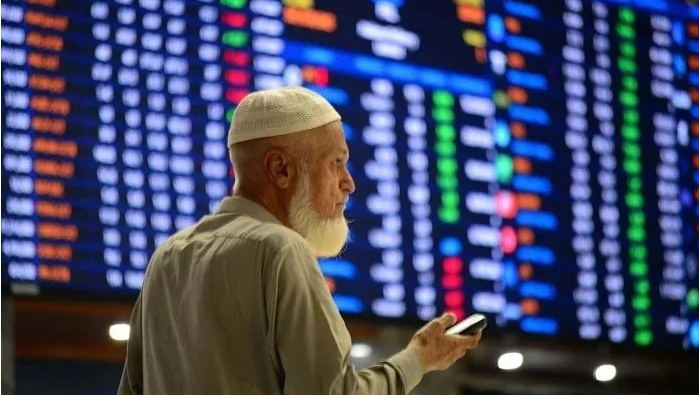
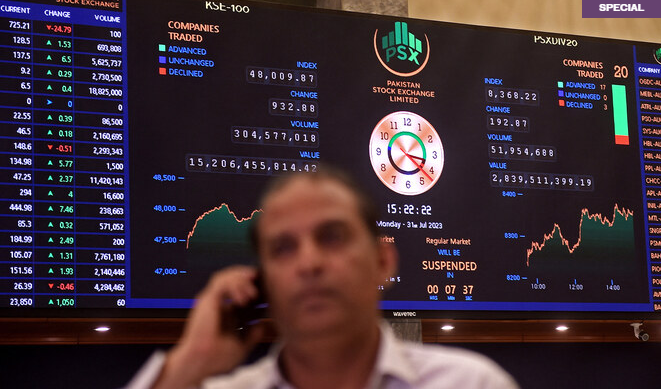
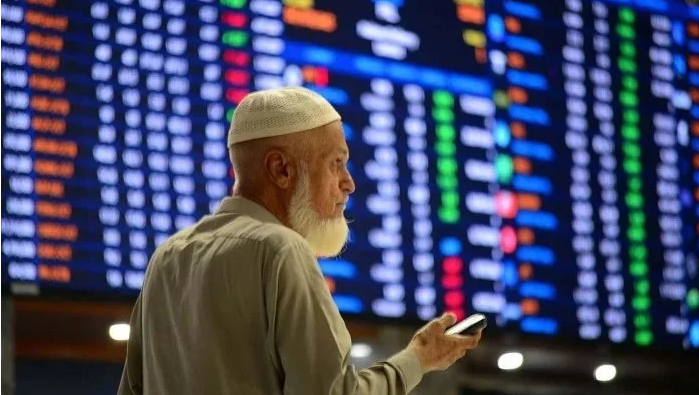
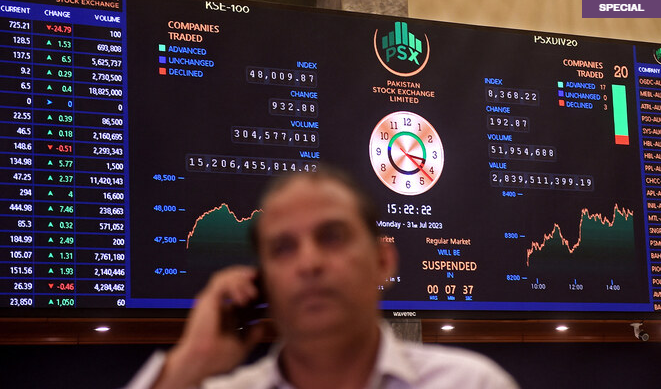
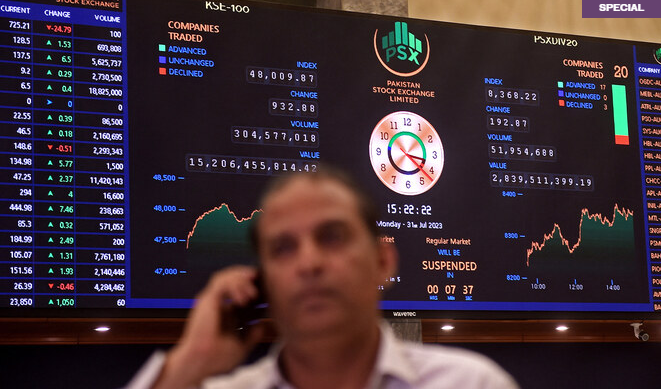
The Pakistan Stock Exchange (PSX) closed sharply lower on Monday as the benchmark KSE-100 Index continued its corrective phase amid risk-off sentiment and profit-taking across major sectors. According to official closing data, the benchmark settled at 182,384.14 points, recording a steep decline of 2,025.53 points during the session. Parallel CFD data, which tracks the performance of Pakistan’s benchmark equity index in real time, showed the index at 182,515 points, down 1.03% from the previous session.
Despite the negative close, broader performance indicators remain firmly positive. CFD-tracked performance shows the benchmark has gained 6.90% over the past month and surged 59.78% year-over-year, reflecting the strong rally the domestic equity market has experienced over the past fiscal cycle. This suggests that short-term volatility is occurring against a backdrop of substantial medium-term gains.
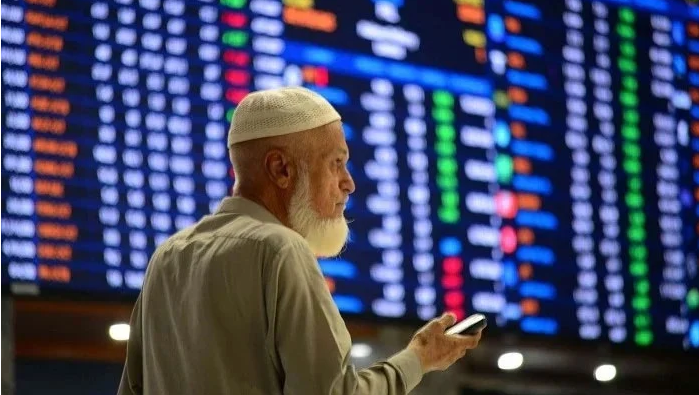
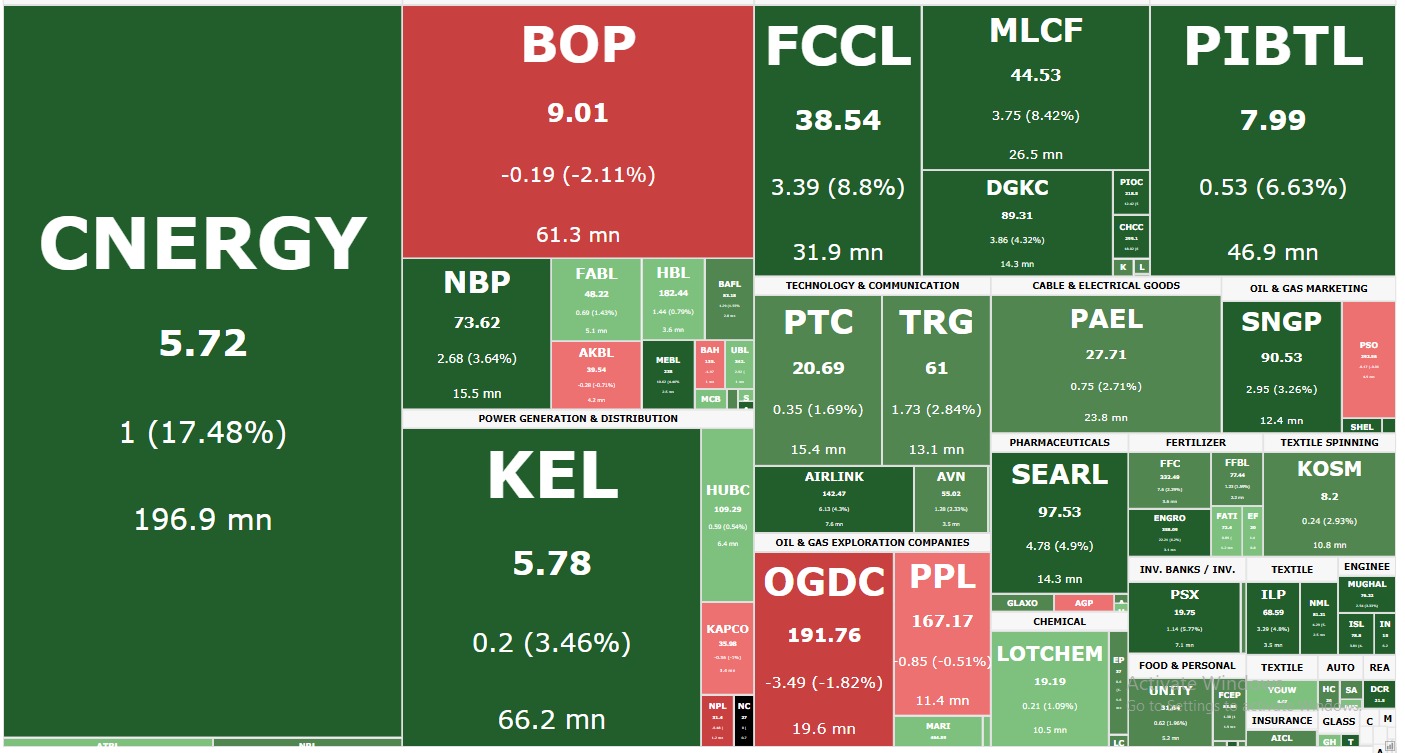
During the session, trading activity moderated, with the total traded volume recorded at 418.83 million shares, while traded value amounted to approximately Rs. 33.67 billion, showcasing softer participation compared to recent high-volume sessions. Market participants reported selling pressure in index-heavy counters, particularly banking, energy, and select technology stocks, as investors locked in profits after a period of elevated valuations.
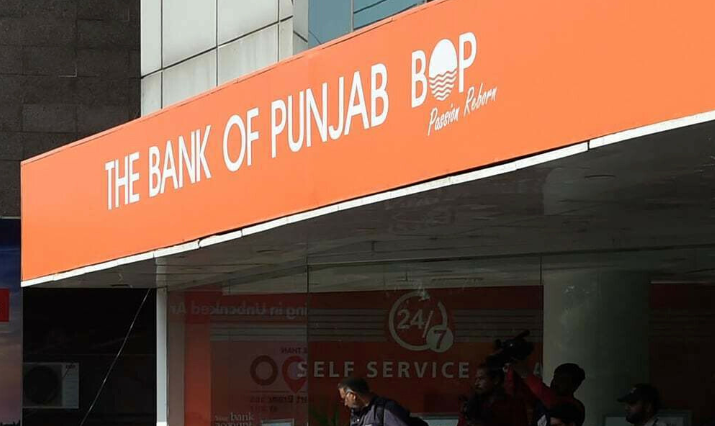
Despite the bearish close, several mid-cap and speculative names remained active. Notable participants by volume included FFL, WTL, HASCOL, LOTCHEM, while BOP faced selling pressure and closed lower. These shifts indicate continued retail participation amid institutional rebalancing.
Analysts note that such pullbacks are typical following strong upward runs, as markets consolidate gains and reassess sector valuations. Traders are closely watching macroeconomic indicators, corporate earnings announcements, and policy-related developments for directional cues. Meanwhile, the sharp improvement in year-on-year performance highlights sustained liquidity, improving investor confidence, and broader structural participation in the equity market.















































-falls-to-rs43.57tr)







































































-rises-to-rs44.35-trillion)








-surges-to-rs44.23-trillion-as-bank-deposits-jump)


























-falls-weekonweek-to-rs40.95tr)

















































































-ltd-reports-strong-halfyearly-results-–-profit-surged)




























































)







Add a comment