 (1).png)
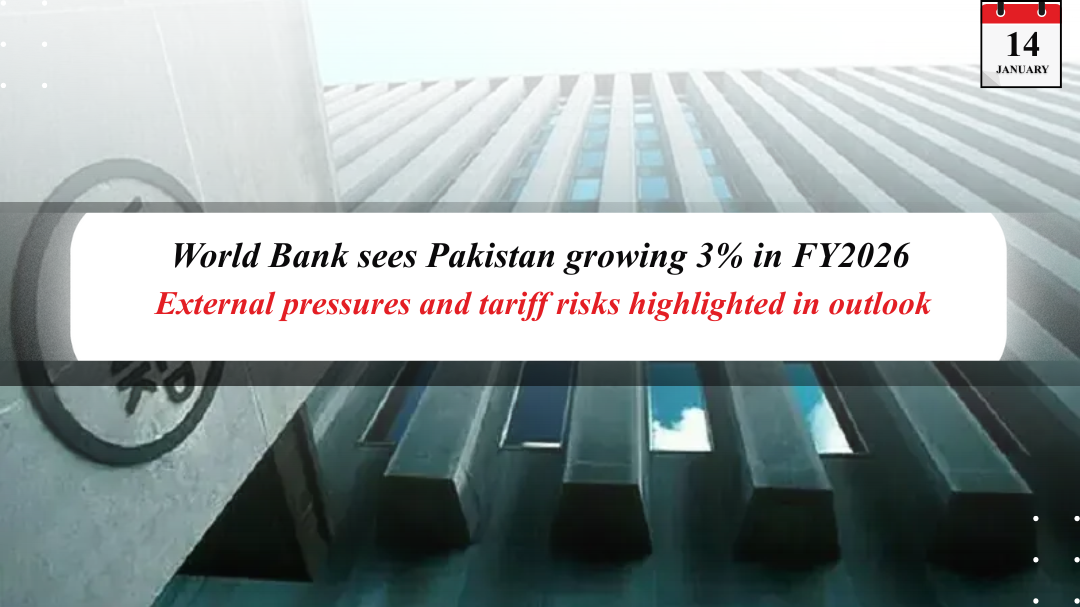
Pakistan’s economic growth is expected to remain moderate over the next two fiscal years, with GDP projected at 3.0% in FY2025–26 and rising slightly to 3.4% in FY2026–27, supported by an agricultural rebound and reconstruction activity following the 2025 floods, according to the World Bank’s latest Global Economic Prospects report.
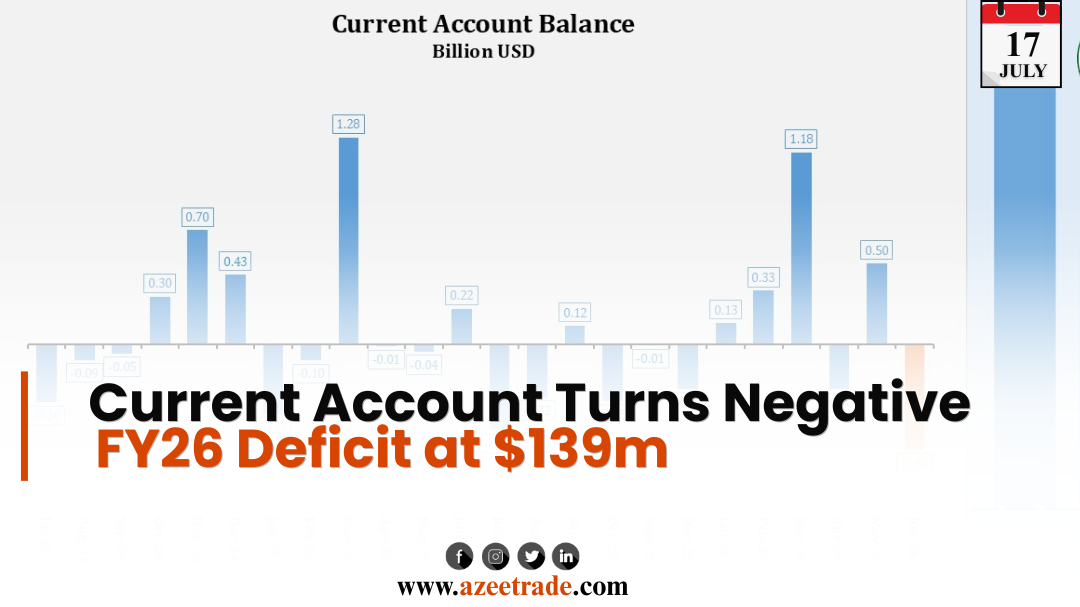
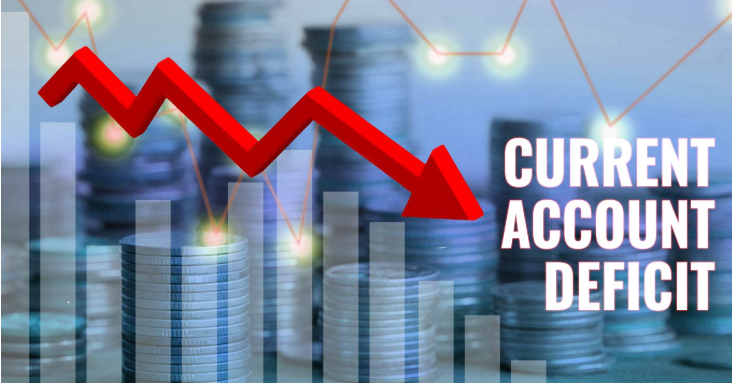
The assessment notes that although output is stabilizing, external pressures are likely to resurface. The current account deficit is expected to widen in FY2026–27 due to rising import demand as growth strengthens and as remittance inflows normalize after the post-flood surge.
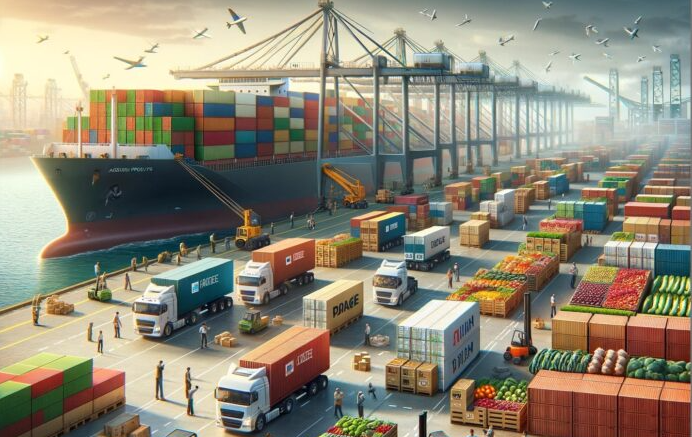
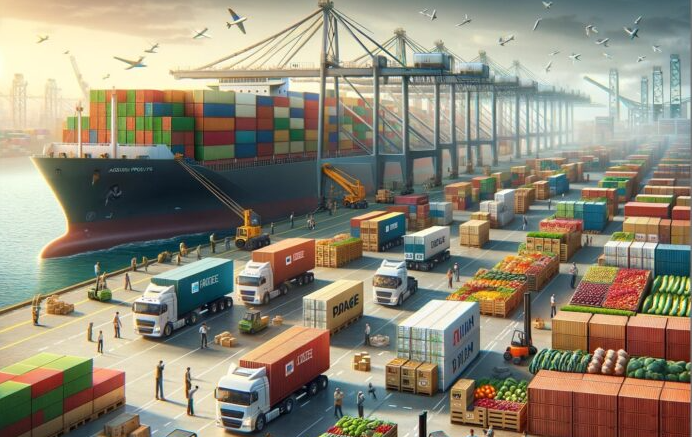
The report also cautions that Pakistan and other oil-importing economies with concentrated export markets could face additional headwinds from escalating U.S. tariff measures, which may weigh on export volumes and trade competitiveness.
However, the World Bank highlights that deeper regulatory reforms to enhance private sector participation particularly in Pakistan and Morocco could accelerate growth, reduce informality, and support job creation if implemented effectively.
The report attributes recent improvement in Pakistan’s economic activity to the easing of import restrictions and increased availability of credit, which have supported industrial output. Current account balances in oil-importing economies including Morocco, Pakistan, and Tunisia benefited from stronger remittances and tourism earnings during the past year.
Inflation has also receded across several oil importers due to softer food prices. Pakistan has already begun lowering policy rates, although monetary conditions remain tight in many developing economies to guard against inflationary risks.
On the global stage, the World Bank notes that economic resilience has exceeded earlier expectations despite ongoing trade tensions and geopolitical uncertainty. Global GDP is forecast to hold broadly steady, easing slightly to 2.6% in 2026 before improving to 2.7% in 2027, marking an upward revision from mid-year projections largely driven by stronger U.S. performance.
Even so, the report warns that the 2020s could become the weakest decade for global growth since the 1960s if current trends persist. It finds that income divergence is deepening: while most advanced economies had higher per-capita incomes in 2025 than in 2019, roughly one in four developing economies are expected to remain below pre-pandemic income levels.
A surge in global trade activity in 2025 driven by supply chain adjustments and pre-policy-change stocking helped lift output, but these temporary boosts are expected to fade in 2026. Easing financial conditions and fiscal support in large economies are expected to cushion the slowdown, with global inflation projected to decline to 2.6% in 2026 amid softer labor markets and lower energy costs.
























































-falls-to-rs43.57tr)






































































































-rises-to-rs44.35-trillion)


























-surges-to-rs44.23-trillion-as-bank-deposits-jump)







































































-falls-weekonweek-to-rs40.95tr)

























































































































































-ltd-reports-strong-halfyearly-results-–-profit-surged)


















































































)











Add a comment