 (1).png)
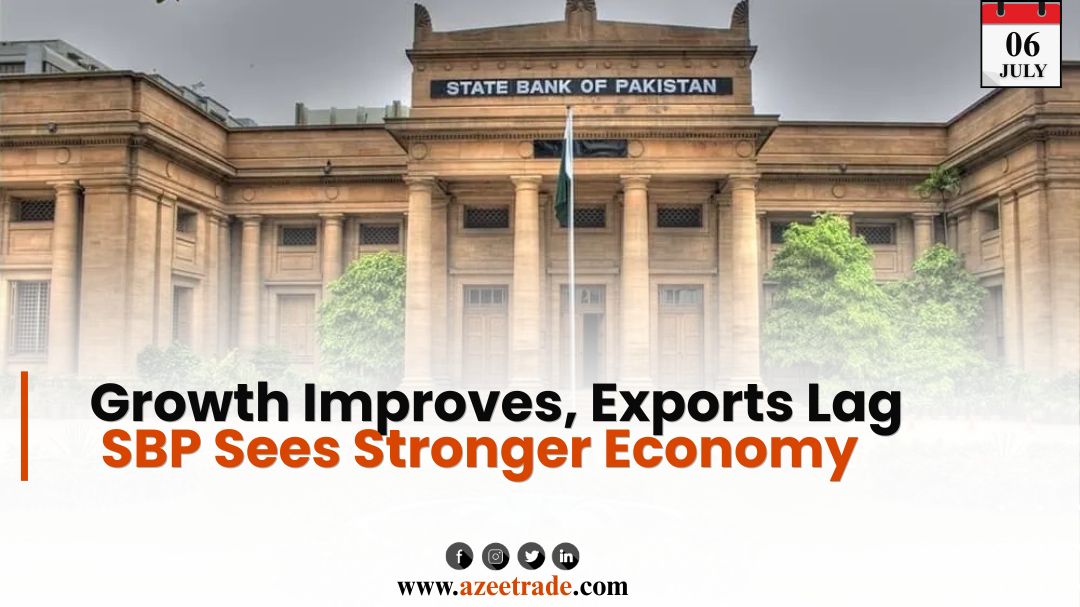
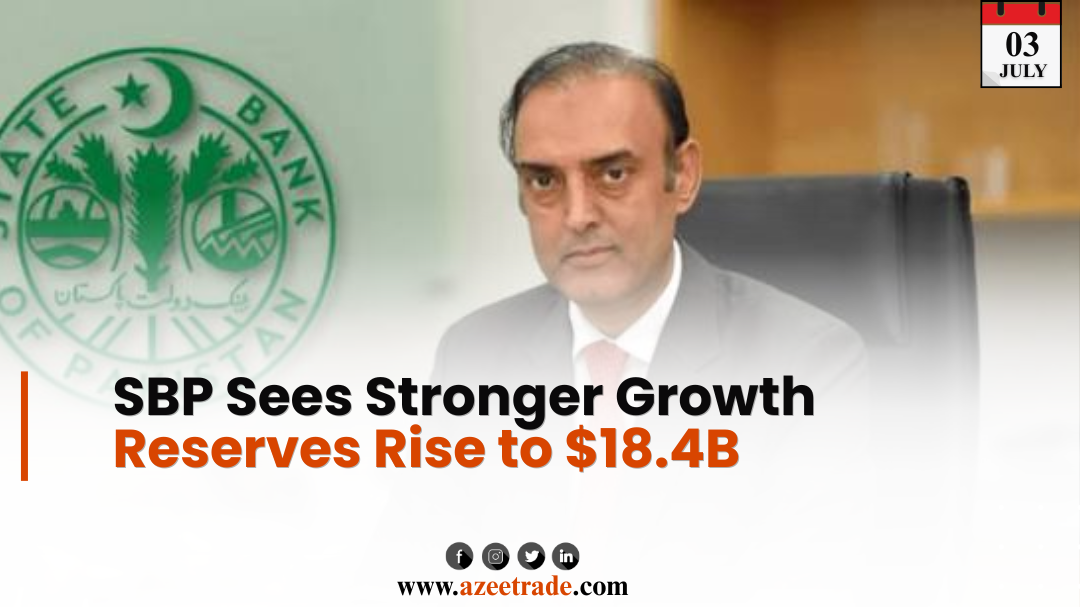
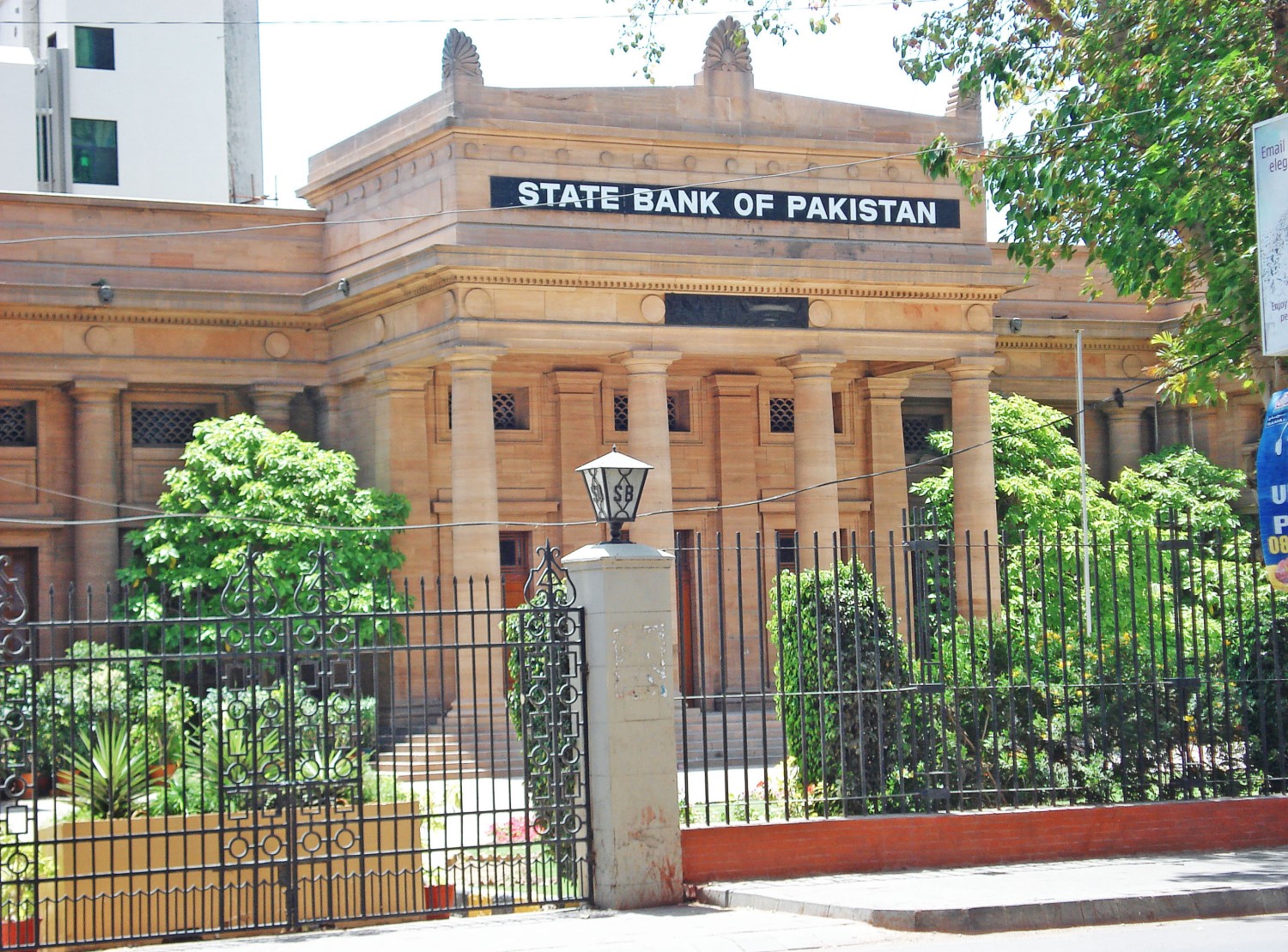
The State Bank of Pakistan (SBP) has expressed confidence in the country's economic outlook, projecting stronger growth and improved external stability. However, weakening exports and a widening trade deficit continue to highlight structural challenges facing the economy.
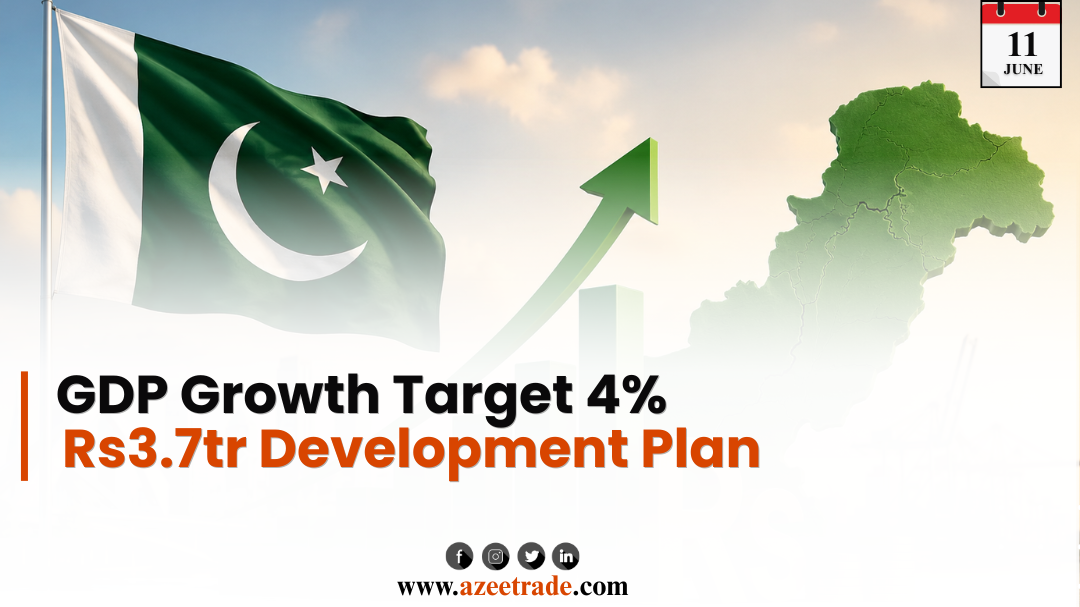
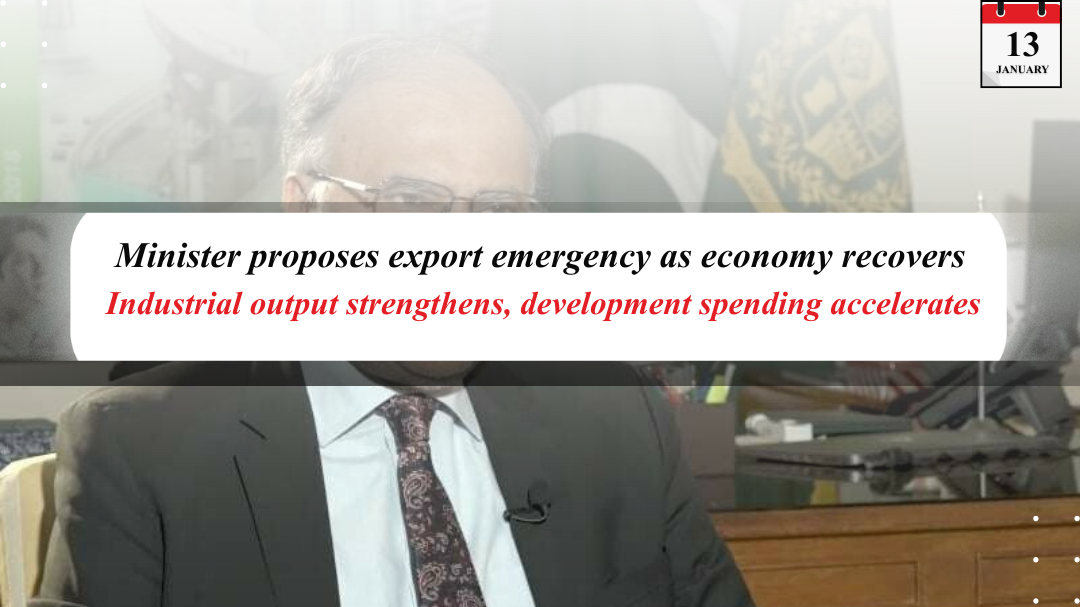
Speaking at a press conference, SBP Governor Jameel Ahmad said Pakistan's FY2026 GDP growth is expected to exceed the government's provisional estimate of 3.7%, with the central bank forecasting growth within a 3.75% to 4.75% range. Updated projections are expected to be released following the upcoming Monetary Policy Committee (MPC) meeting later this month.
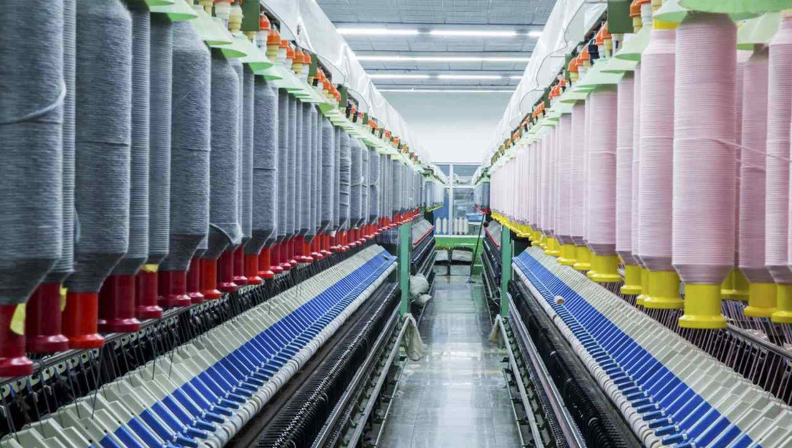
The governor said economic activity gained momentum during FY2026, with Large-Scale Manufacturing (LSM) recording average growth of 6%, while some months posted expansion of up to 10%. He noted that easing geopolitical tensions in the Middle East are expected to further support industrial production and economic growth during FY2027.
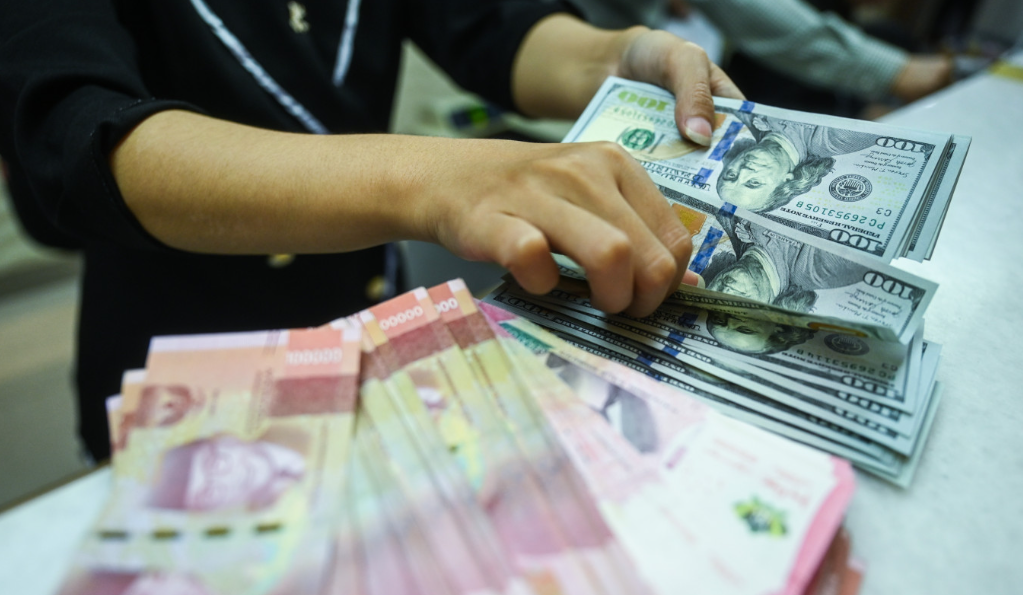
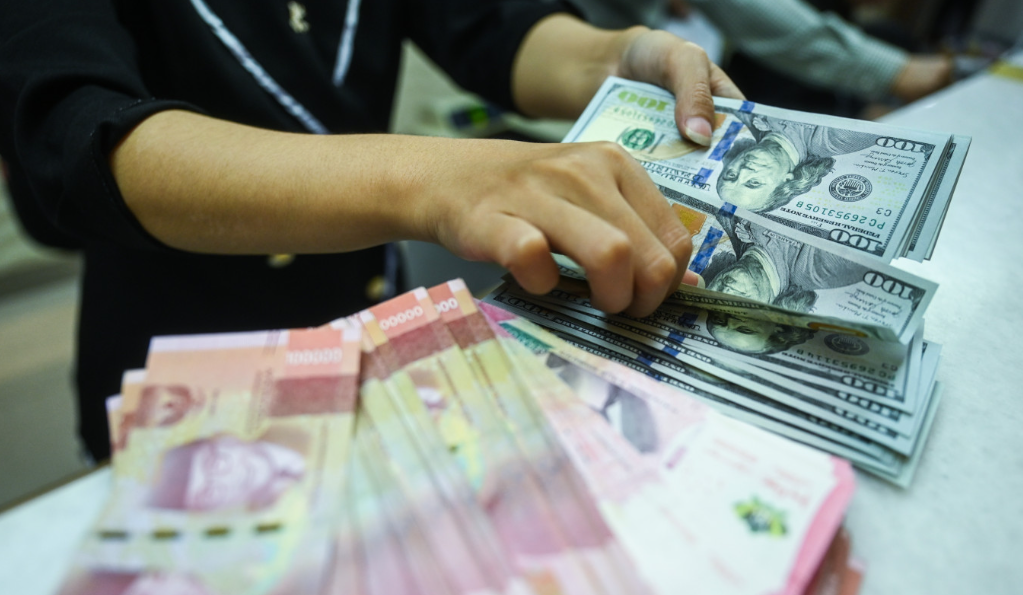
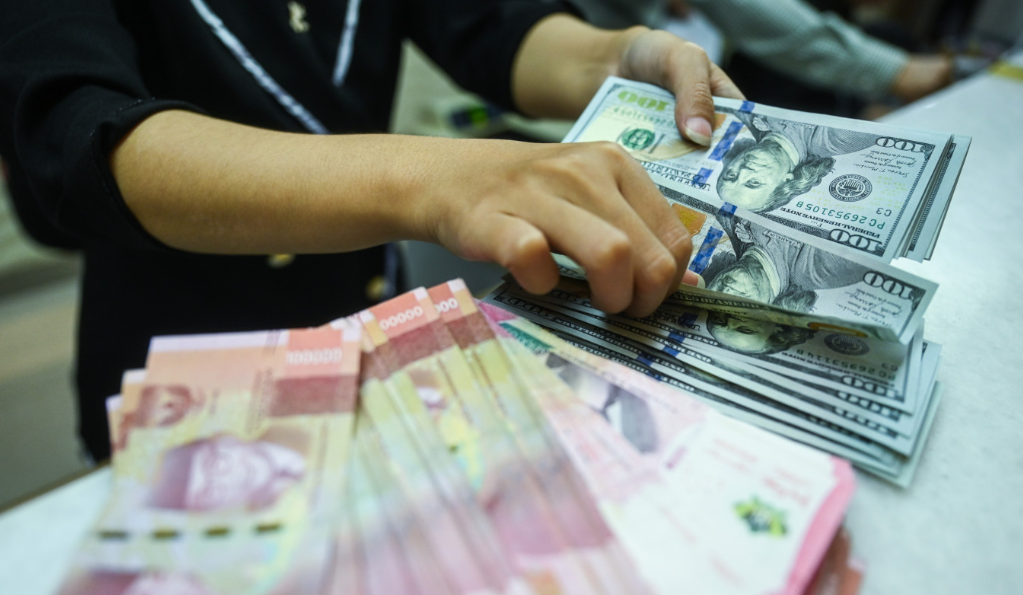
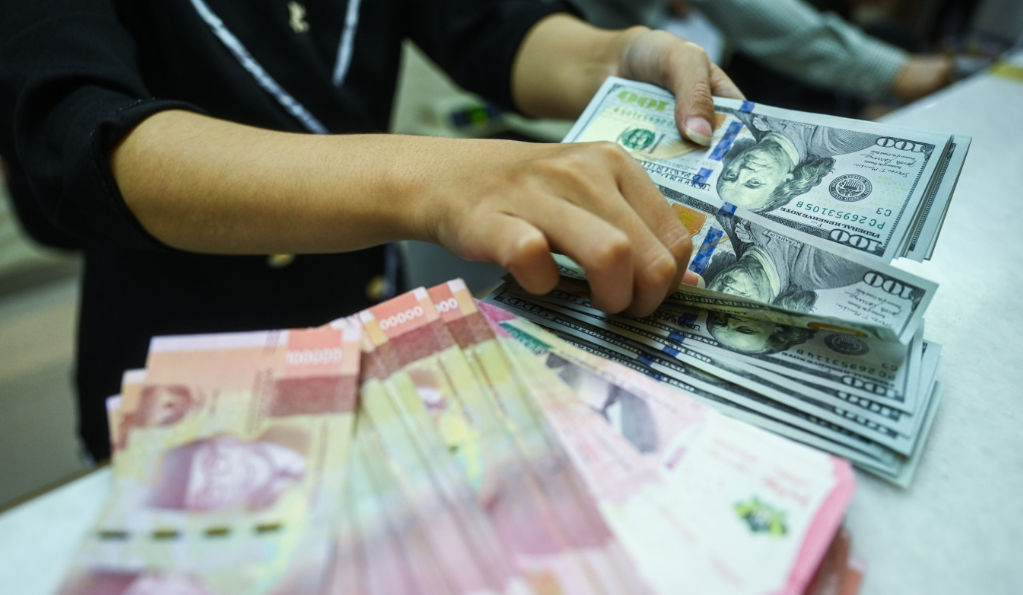
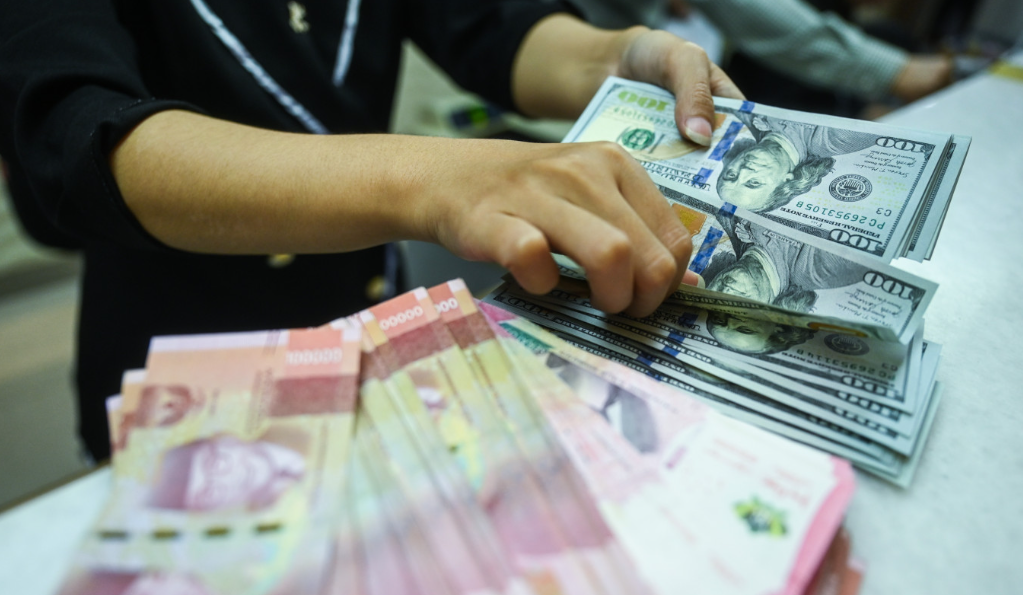
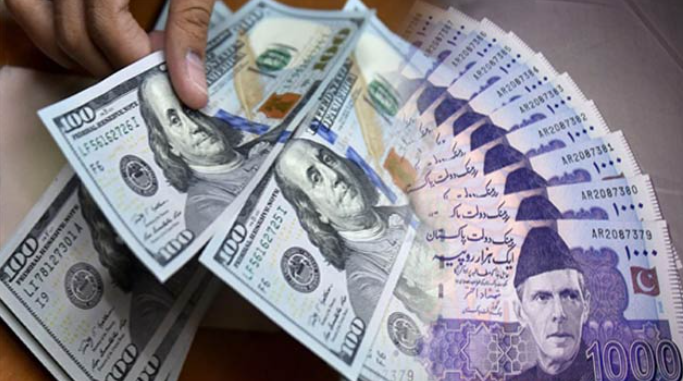
Pakistan's external position also strengthened considerably during the fiscal year. SBP's foreign exchange reserves increased to $18.4 billion, compared with $13 billion a year earlier, despite external debt repayments of nearly $8 billion during June alone. According to the governor, underlying reserves would have approached $23 billion had those repayments not been made.
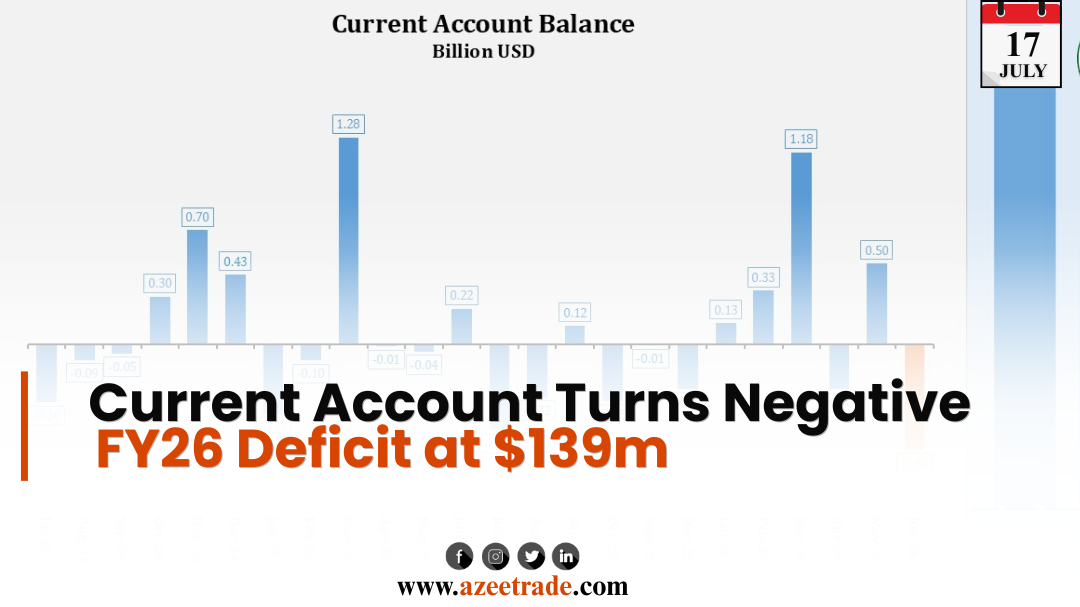
The current account also showed a significant turnaround. After recording a deficit of $17.5 billion (4.7% of GDP) in FY2022, Pakistan reduced the deficit to $3.3 billion in FY2023, $2.1 billion in FY2024, before posting a $2.1 billion surplus (0.5% of GDP) in FY2025. During the first eleven months of FY2026, the current account remained in surplus, with the SBP expecting the full-year balance to remain within 0% to 1% of GDP.
The central bank also highlighted improvements in external resilience. Pakistan's total external debt has remained broadly stable at around $100 billion since FY2022, while foreign exchange reserves have increased significantly over the past three years. Outstanding foreign exchange liabilities of commercial banks have also declined sharply from $5.8 billion in FY2023 to approximately $950 million by the end of FY2026.
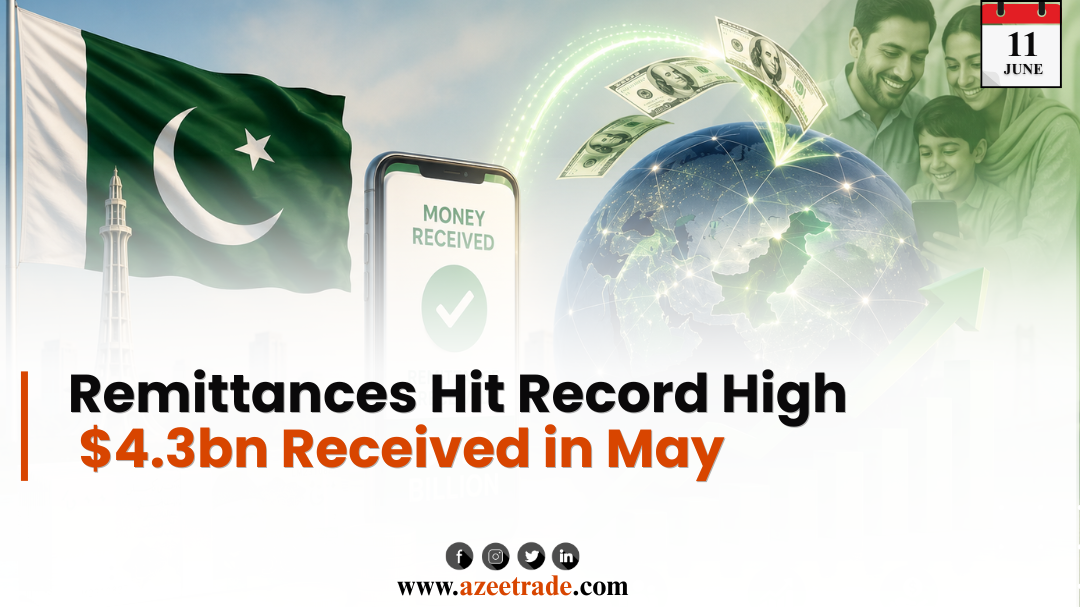
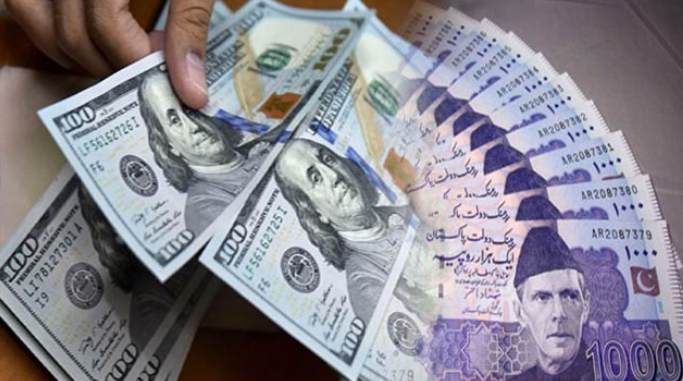
Workers' remittances remained the country's largest source of foreign exchange. Preliminary estimates indicate inflows will exceed $41.5 billion during FY2026, while the SBP expects remittances to reach a record $44 billion in FY2027. The central bank also confirmed that although government-funded remittance incentive schemes have been discontinued, commercial banks will continue offering free remittance services using their own resources.
The Roshan Digital Account (RDA) initiative also continued to perform well, attracting average monthly inflows of around $300 million, reflecting sustained confidence from overseas Pakistanis.
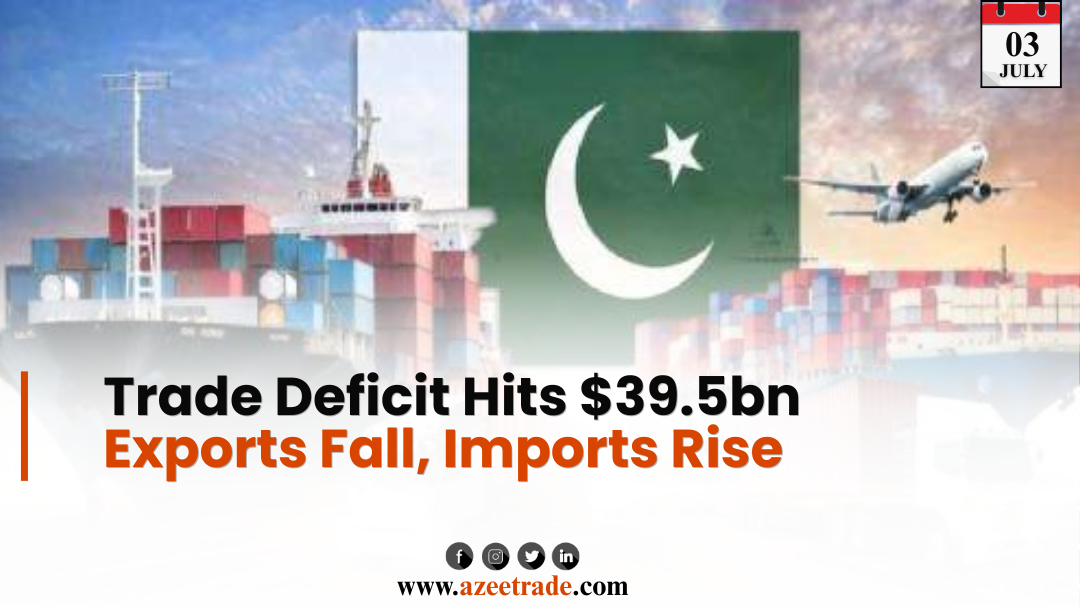
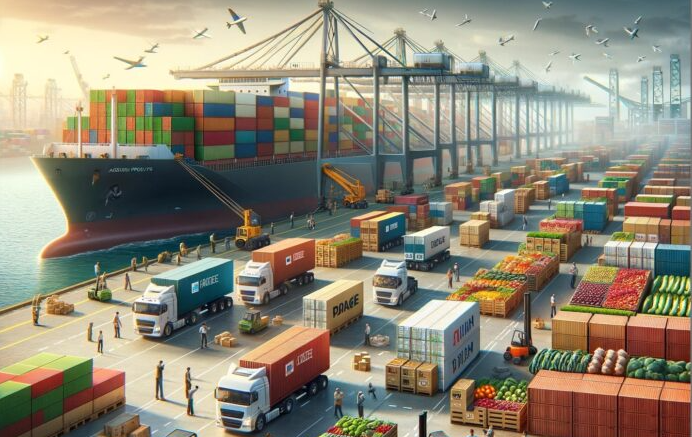
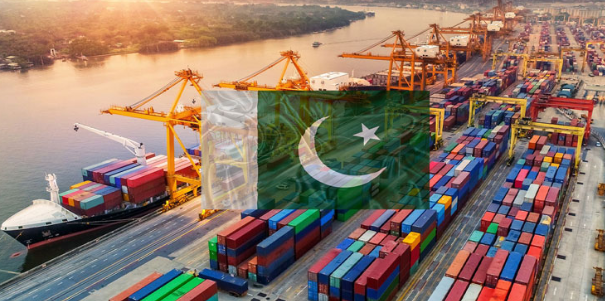
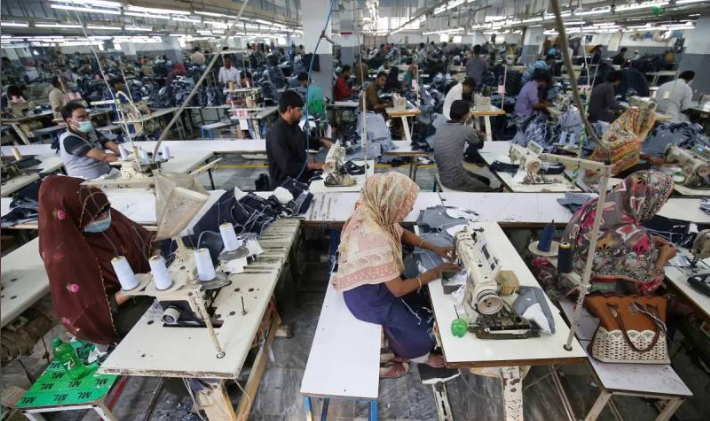
Despite these positive indicators, Pakistan's external trade performance remained under pressure. According to the Pakistan Bureau of Statistics (PBS), exports declined to $30.1 billion during FY2026, falling well short of official targets, while the country's trade deficit widened 21.57% to $39.47 billion as imports continued to outpace export growth.
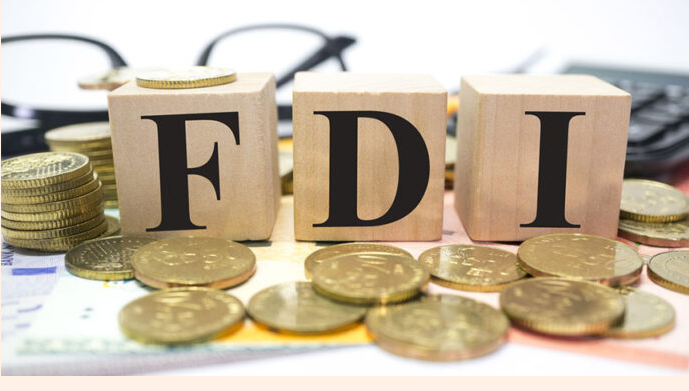
The weaker export performance underscores persistent structural issues, including limited export diversification, low industrial productivity, and Pakistan's continued reliance on remittances to support its external account. Economists have also noted that foreign direct investment remains below potential, reflecting ongoing concerns over the country's investment environment.
On the inflation front, the SBP reported that average inflation stood at 7.05% during FY2026, close to its medium-term target range of 5% to 7%. Headline inflation accelerated to 11.1% year-on-year in June, mainly due to higher petroleum prices following temporary supply disruptions linked to regional geopolitical tensions.
Overall, the SBP expects stronger industrial activity, healthy remittance inflows, stable external accounts, and easing geopolitical risks to support Pakistan's economic growth in FY2027. However, strengthening exports, attracting higher foreign investment, and improving industrial competitiveness remain critical to ensuring sustainable long-term economic growth.









































-falls-to-rs43.57tr)































































-rises-to-rs44.35-trillion)









-surges-to-rs44.23-trillion-as-bank-deposits-jump)





































-falls-weekonweek-to-rs40.95tr)




























































































-ltd-reports-strong-halfyearly-results-–-profit-surged)





























































)






Add a comment