 (1).png)
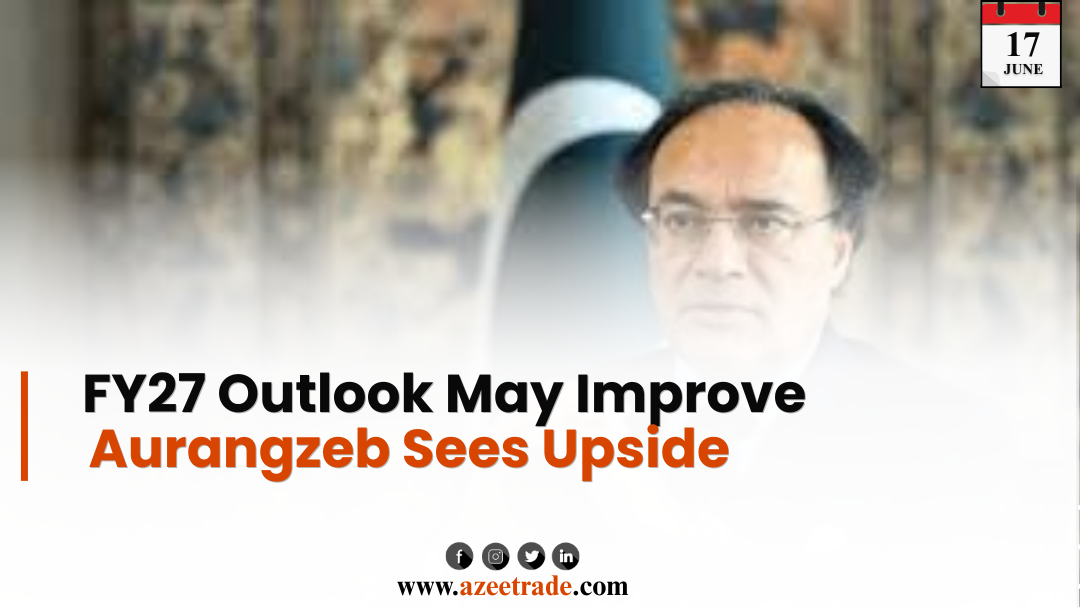
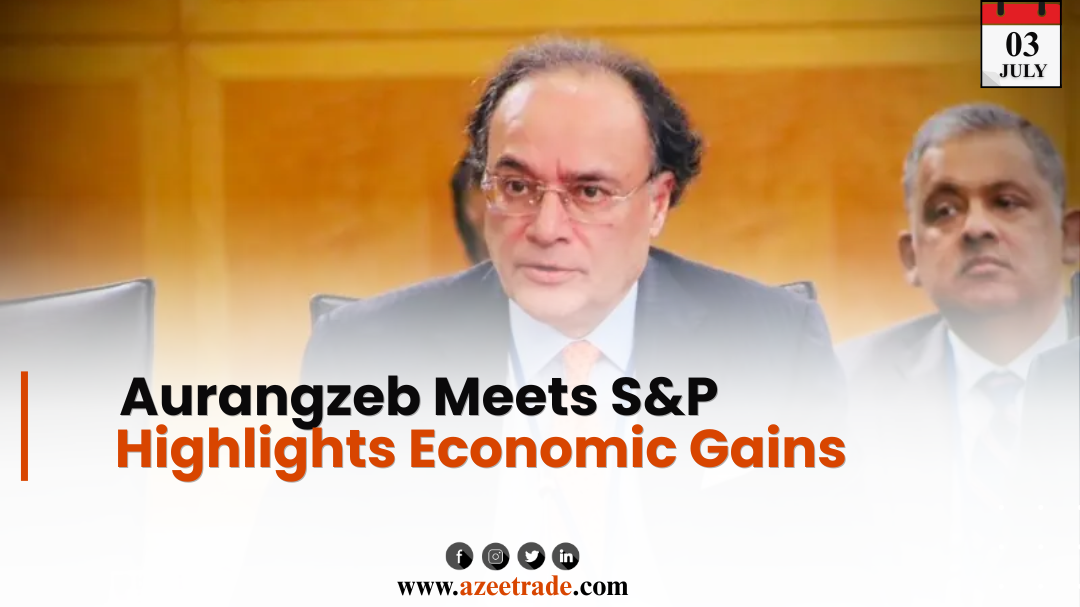
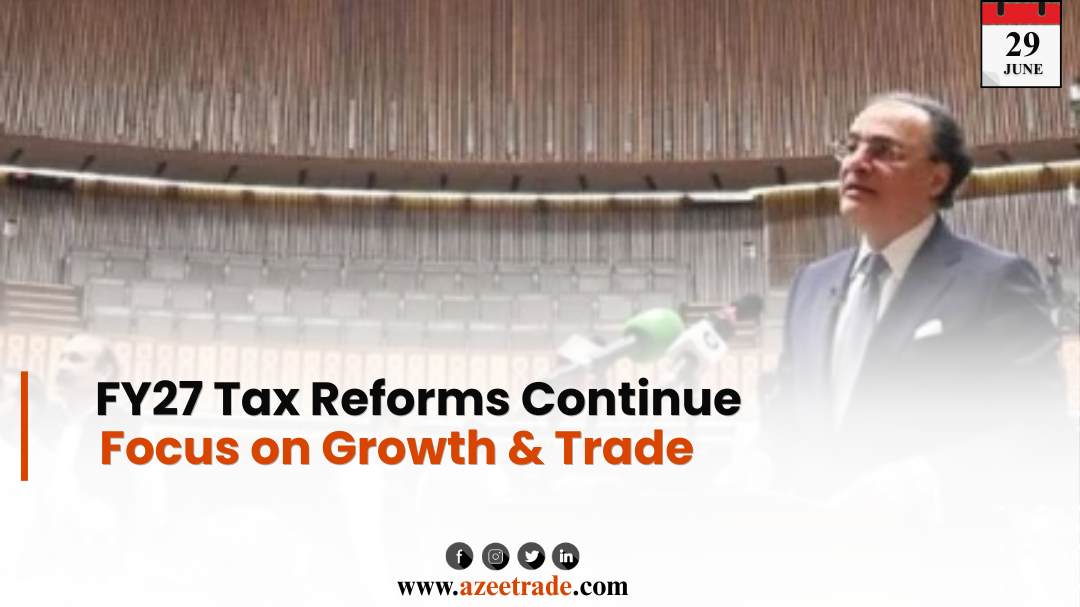
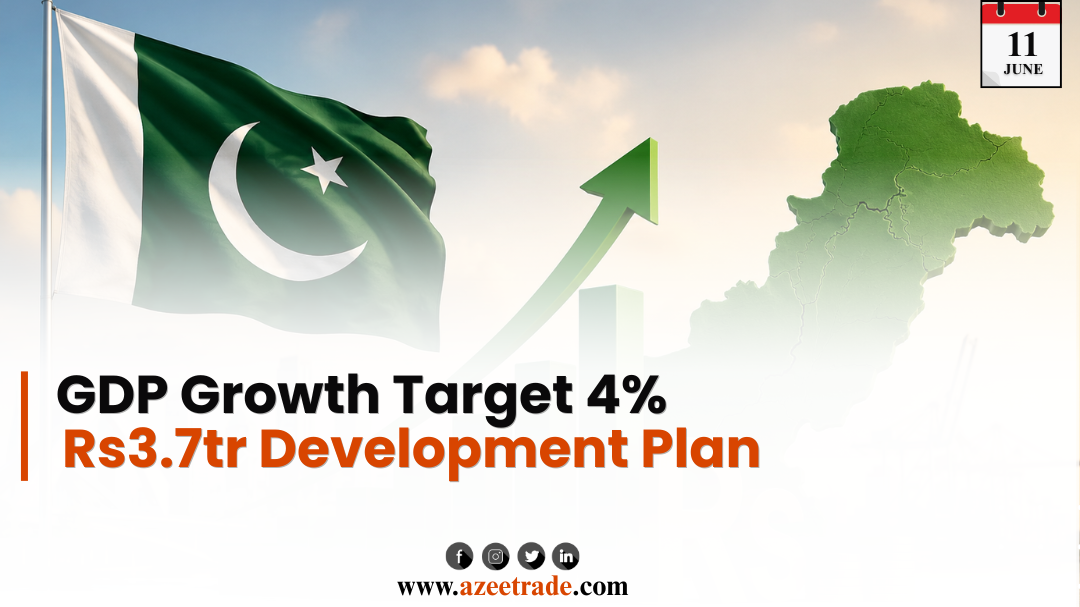
Finance Minister Muhammad Aurangzeb has indicated that Pakistan’s economic outlook for FY2026-27 could improve following the end of the Iran conflict, although he stressed that it remains too early to revise the government’s official budget projections.
Speaking after the United States and Iran signed an agreement to end hostilities, the finance minister said the easing of geopolitical tensions could create favourable conditions for Pakistan’s economy. However, he cautioned that disruptions to regional energy infrastructure and supply chains would take time to normalize.
Aurangzeb noted that policymakers had been closely monitoring the potential economic fallout of a prolonged conflict, particularly its impact on energy markets, inflation, and external sector stability.
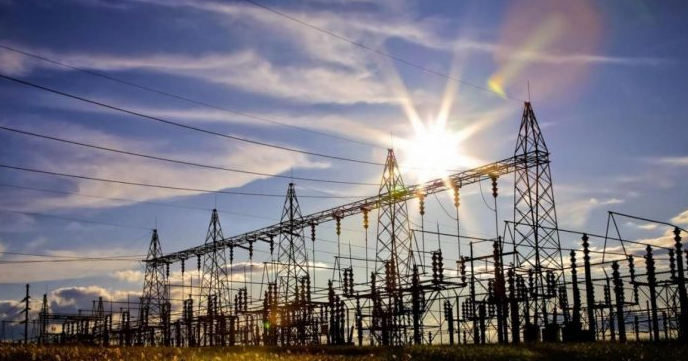
According to the minister, damage to energy infrastructure during the conflict affected regional supply chains and contributed to renewed inflationary pressures. He emphasized that a return to normal market conditions would not be immediate, even after the cessation of hostilities.
While maintaining the government's existing fiscal assumptions, Aurangzeb acknowledged that there may be upside potential to the economic projections outlined in the FY2026-27 federal budget. Nevertheless, he described any immediate revision to growth and inflation forecasts as premature.
The federal budget currently targets economic growth of 4% and average inflation of 8.2% during FY2026-27. The government has also projected higher tax revenues to support fiscal consolidation efforts and remain aligned with commitments under Pakistan’s ongoing $7 billion IMF programme.
The finance minister further stated that Pakistan may consider selective commercial borrowing during FY2026-27 as part of efforts to improve the composition of its external liabilities without increasing the overall external debt burden.
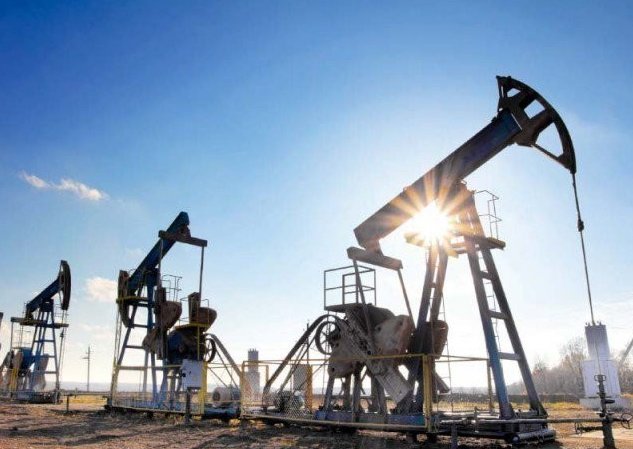
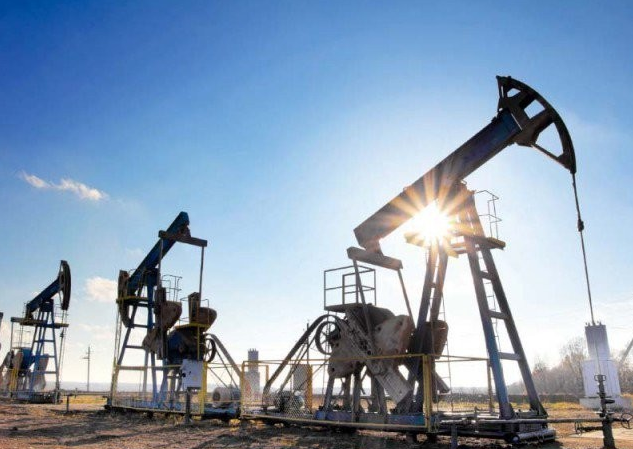
Analysts believe that lower geopolitical risk, easing oil prices, and improved stability in global energy markets could benefit Pakistan by reducing imported inflation, easing pressure on the current account, and supporting broader macroeconomic stability.
The government's economic team is expected to continue monitoring global developments, energy markets, and inflation trends before considering any adjustments to its fiscal and economic projections for the upcoming financial year.

















































-falls-to-rs43.57tr)


















































































-rises-to-rs44.35-trillion)














-surges-to-rs44.23-trillion-as-bank-deposits-jump)






















































-falls-weekonweek-to-rs40.95tr)








































































































































-ltd-reports-strong-halfyearly-results-–-profit-surged)















































































)











Add a comment