 (1).png)
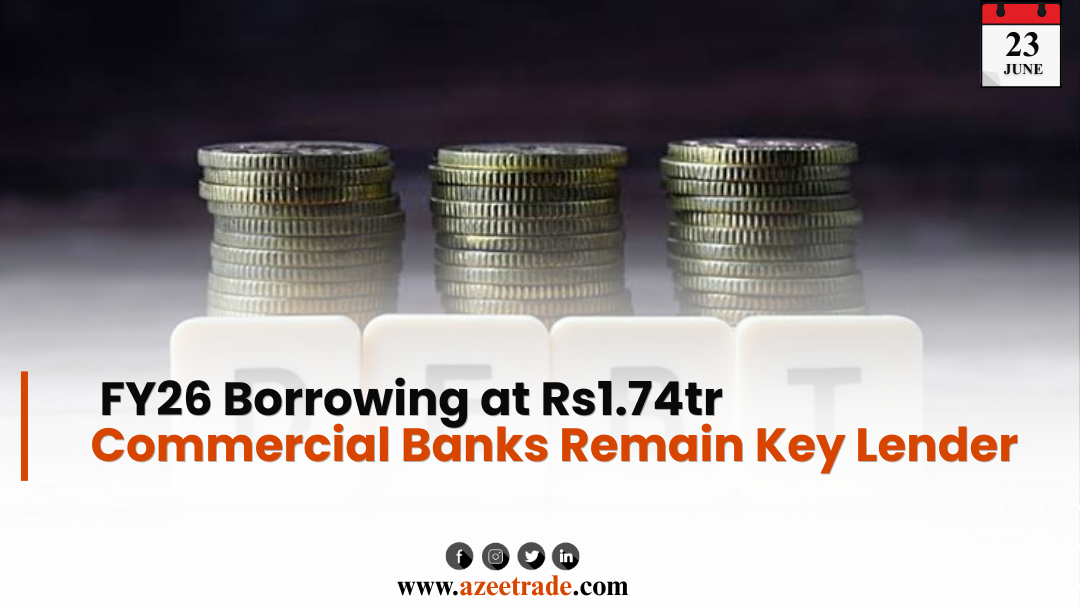
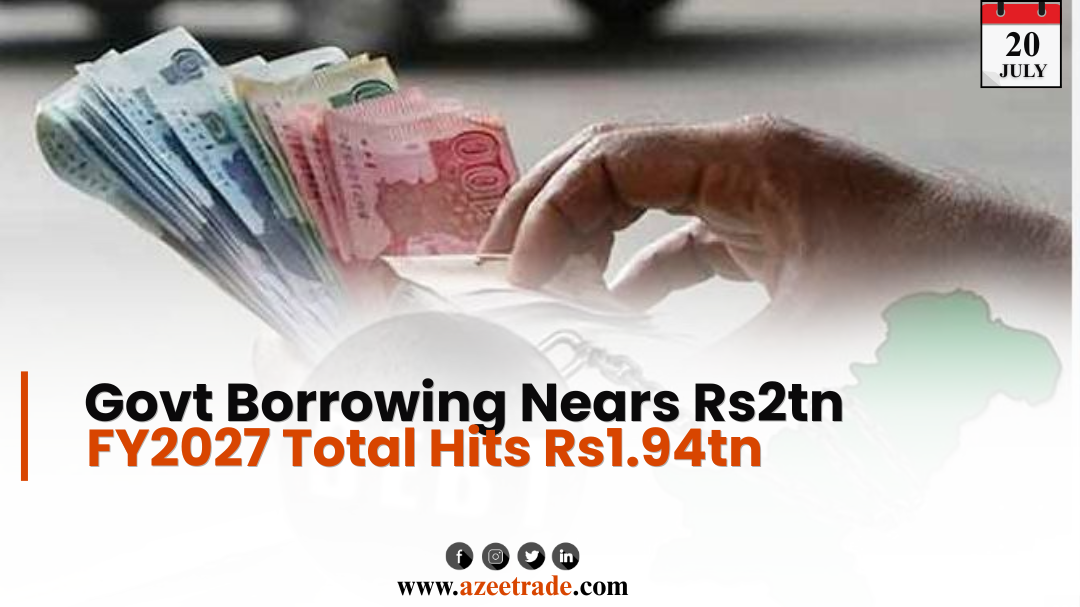
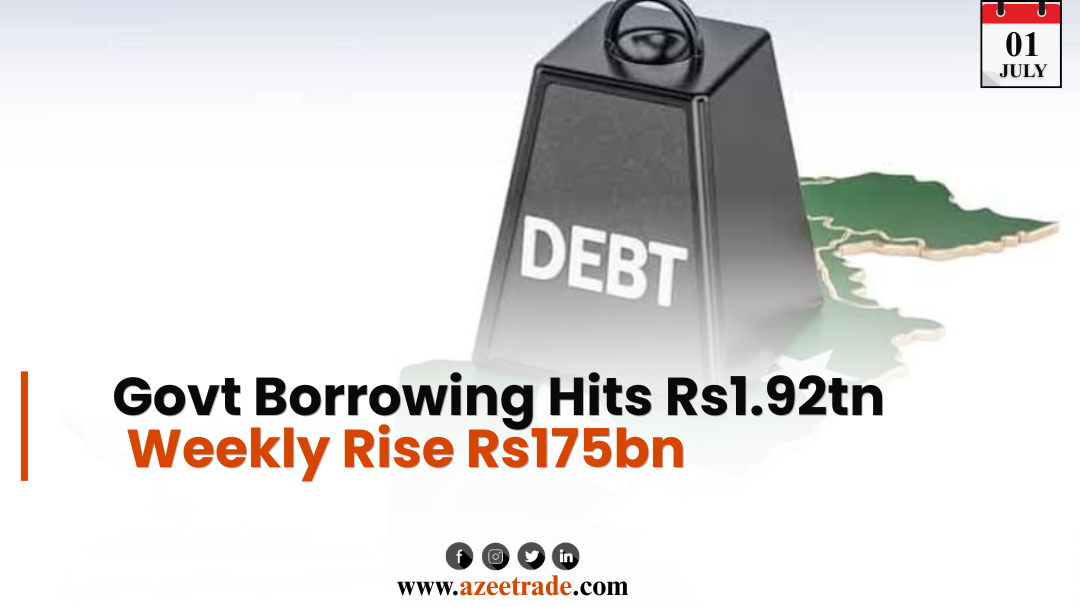
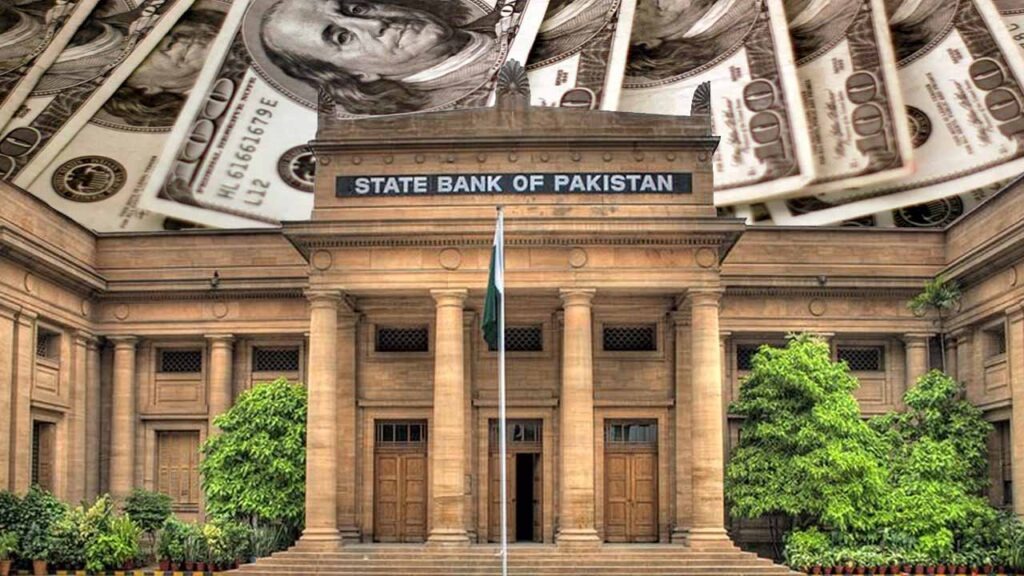
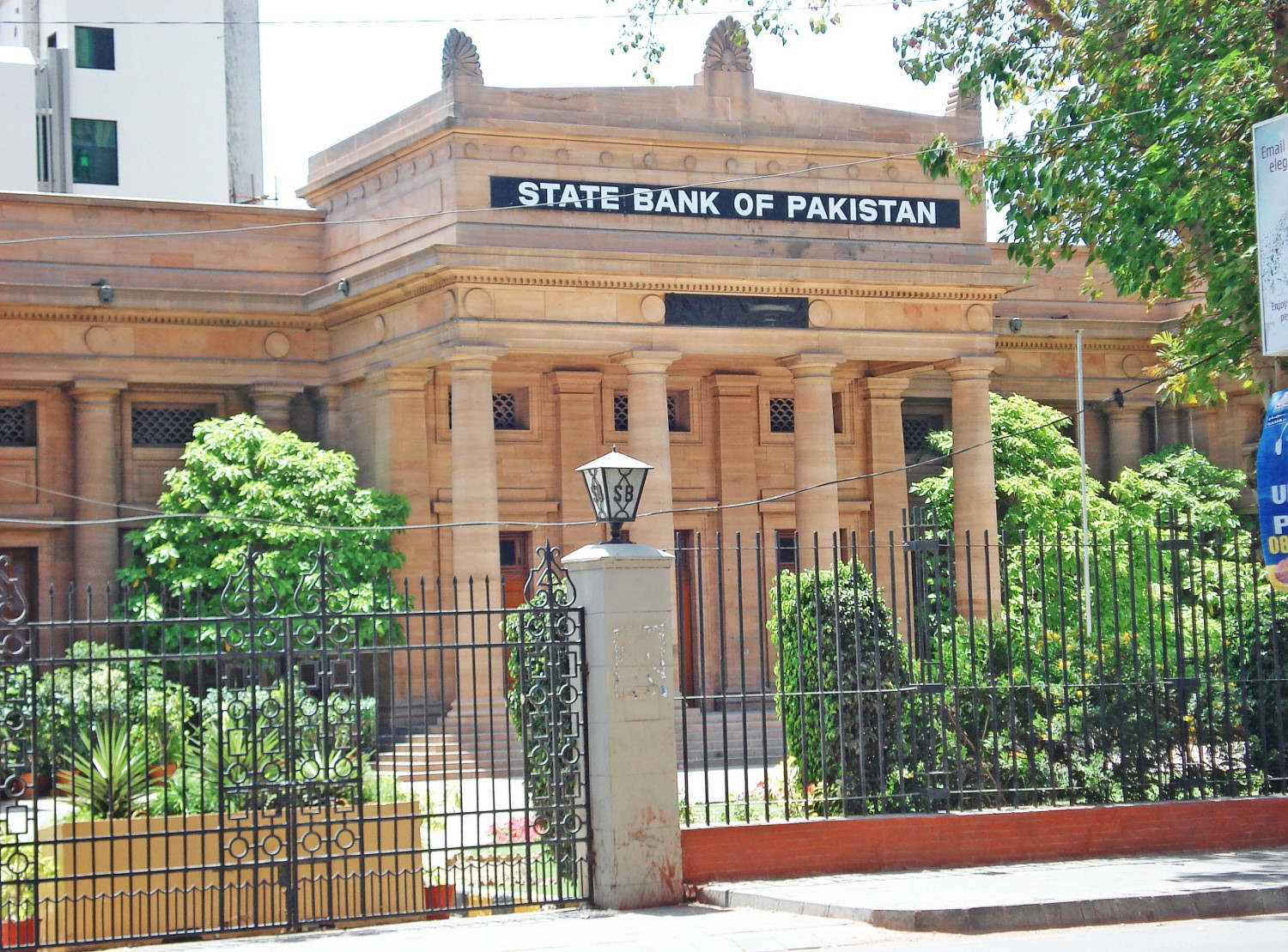
The Government of Pakistan added Rs624.75 billion to its debt during the week ended June 12, 2026, taking total net borrowing for the ongoing fiscal year to Rs1.74 trillion, according to the latest weekly estimates released by the State Bank of Pakistan (SBP).
Government borrowing is broadly categorized into budgetary support, commodity operations, and other financing requirements. During the reported week, net borrowing for budgetary support stood at Rs623.22 billion, while borrowing for commodity operations amounted to Rs1.55 billion. Meanwhile, Rs23 million was retired under the “others” category.
On a cumulative basis during FY2025-26, net borrowing for budgetary support has reached Rs1.80 trillion. In contrast, commodity operations recorded a net retirement of Rs52.19 billion, while borrowings classified under “others” saw a net retirement of Rs3.91 billion.
The latest figures indicate that the government's financing needs continue to be largely driven by budgetary requirements, while commodity financing obligations have declined over the course of the fiscal year.
SBP data further shows a significant shift in the government's borrowing mix. During FY26, the public sector retired a net Rs2.91 trillion owed to the State Bank of Pakistan, reflecting continued adherence to the policy of limiting direct central bank financing.
Of the total retirement amount, the federal government repaid Rs2.24 trillion, provincial governments retired Rs625.07 billion, while the governments of Azad Jammu & Kashmir and Gilgit-Baltistan retired Rs31.99 billion and Rs16.56 billion, respectively.
To offset these repayments and meet financing requirements, the government substantially increased borrowing from scheduled commercial banks. Net borrowing from commercial banks reached Rs4.71 trillion during the fiscal year.
The federal government accounted for the bulk of this financing, borrowing Rs4.92 trillion from scheduled banks. Meanwhile, provincial governments collectively reduced their outstanding bank borrowings by Rs207.75 billion.
The continued reliance on commercial banks highlights the government's strategy of shifting financing away from the central bank toward market-based sources. While this approach supports monetary discipline and helps contain inflationary pressures associated with direct central bank borrowing, it also increases the banking sector’s exposure to government securities and public sector financing needs.
Analysts note that government borrowing trends will remain closely watched in the final weeks of FY26, particularly as authorities seek to manage fiscal deficits, maintain liquidity conditions, and meet commitments under ongoing economic reform and stabilization programs.























































-falls-to-rs43.57tr)




































































































-rises-to-rs44.35-trillion)






















-surges-to-rs44.23-trillion-as-bank-deposits-jump)










































































-falls-weekonweek-to-rs40.95tr)

































































































































































































-ltd-reports-strong-halfyearly-results-–-profit-surged)






















































































































)

















Add a comment