 (1).png)
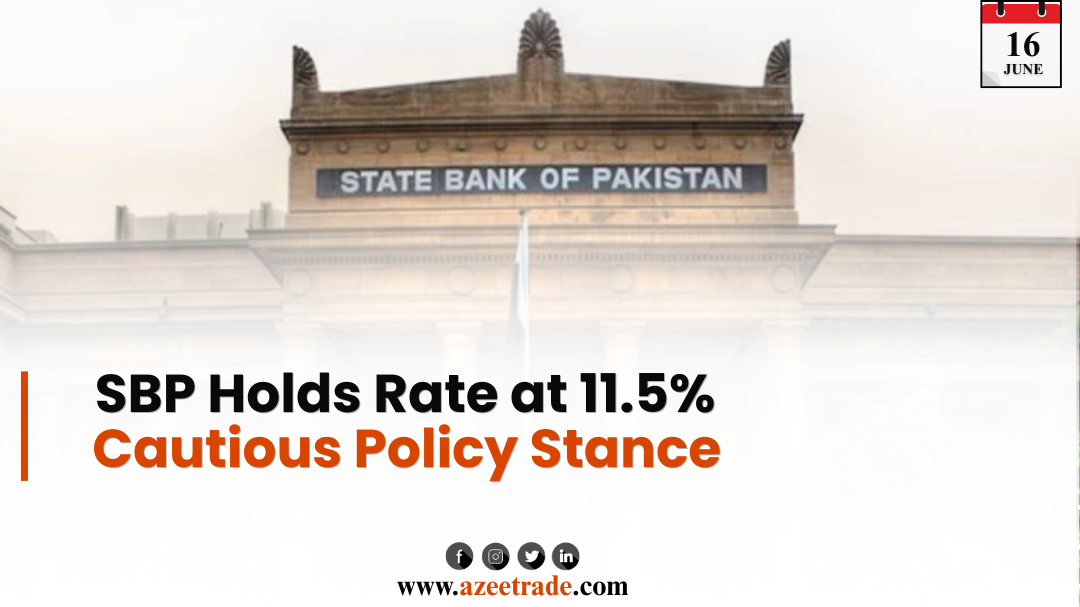
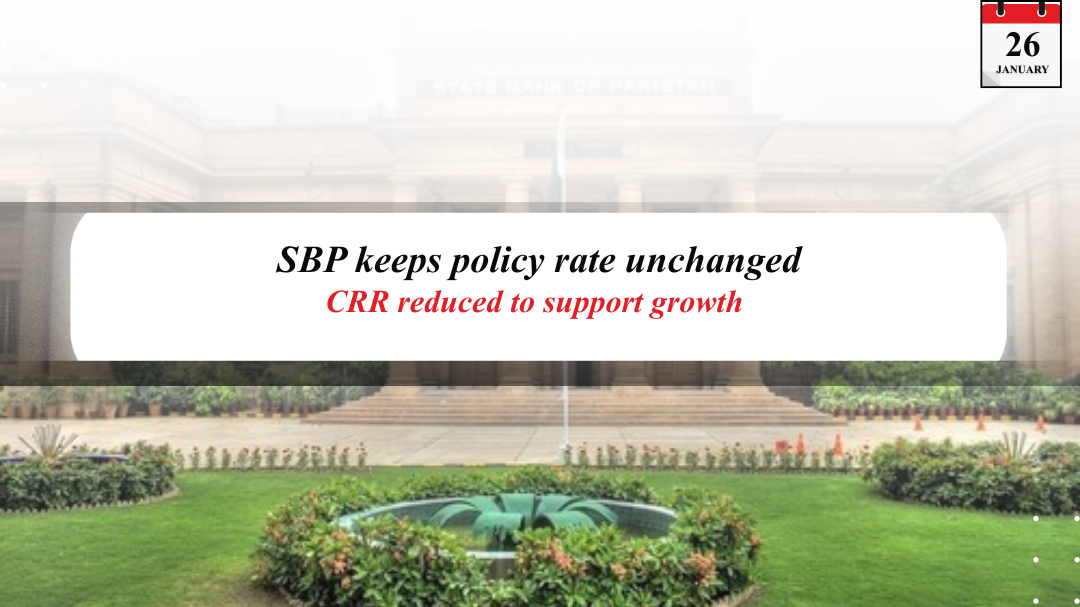
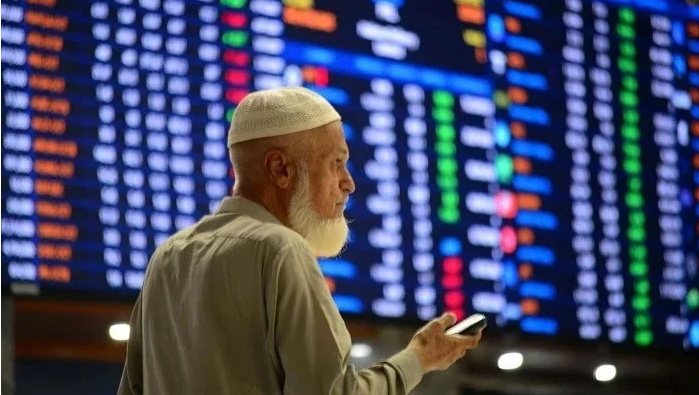
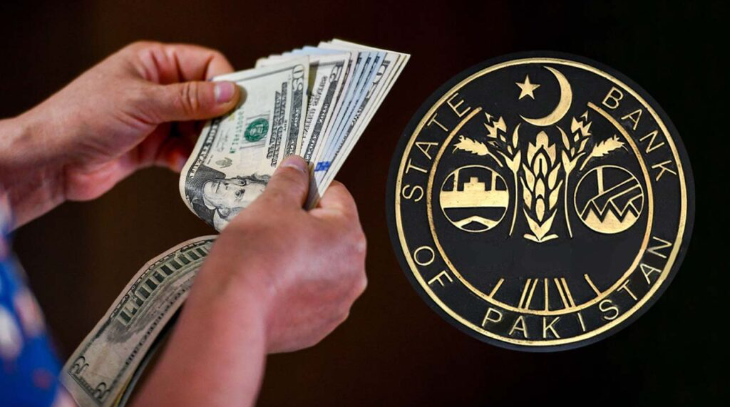
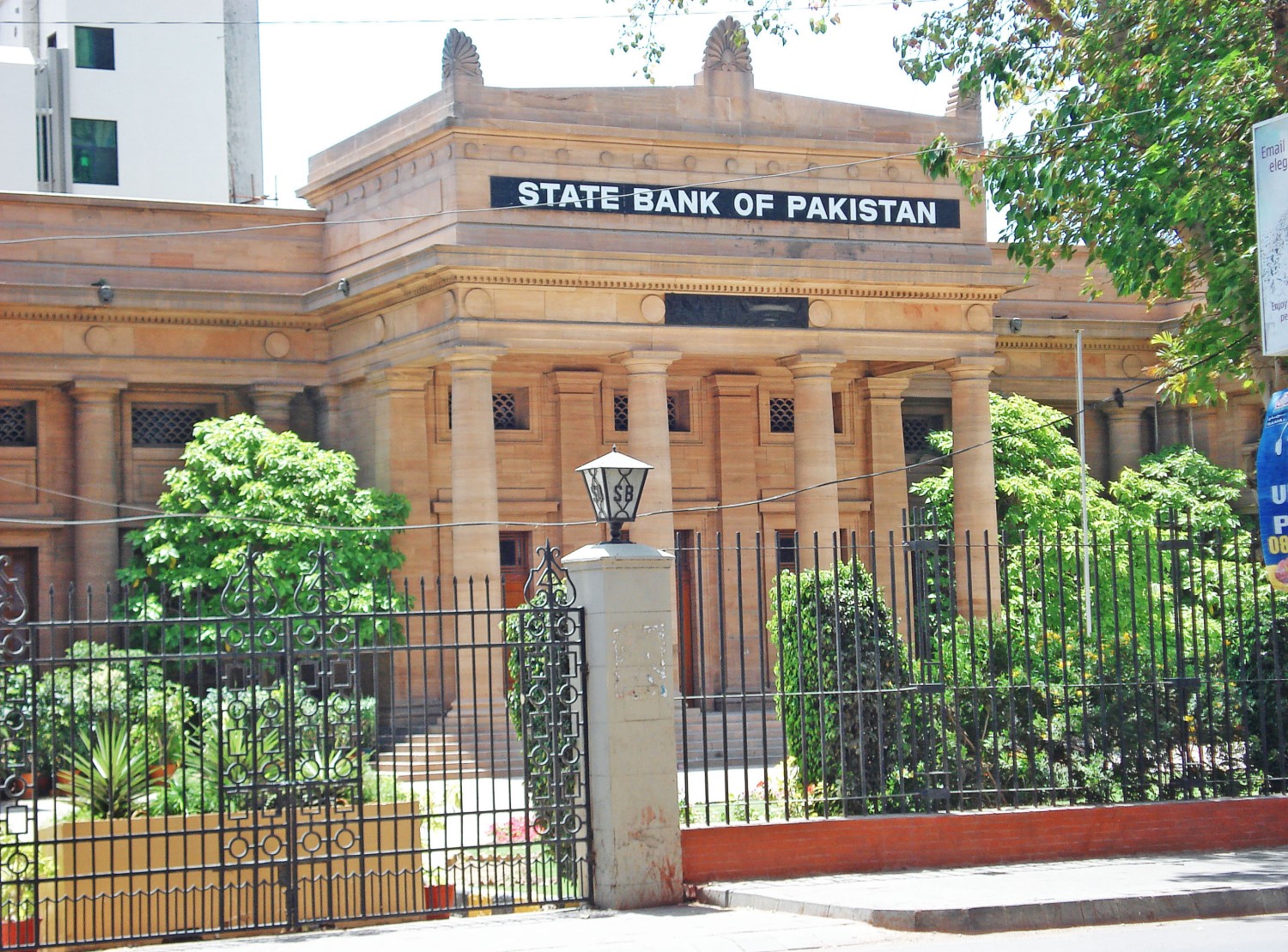
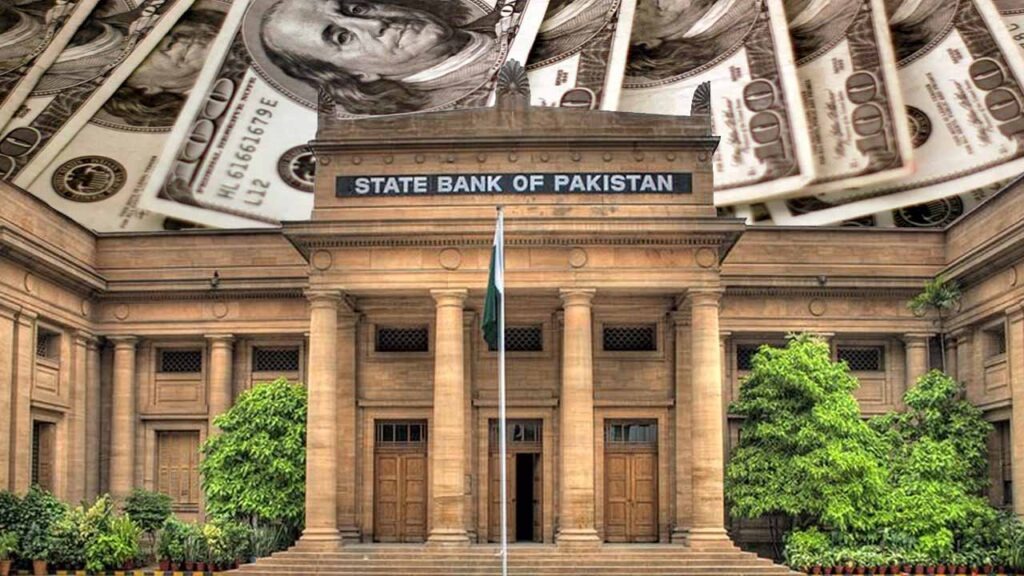
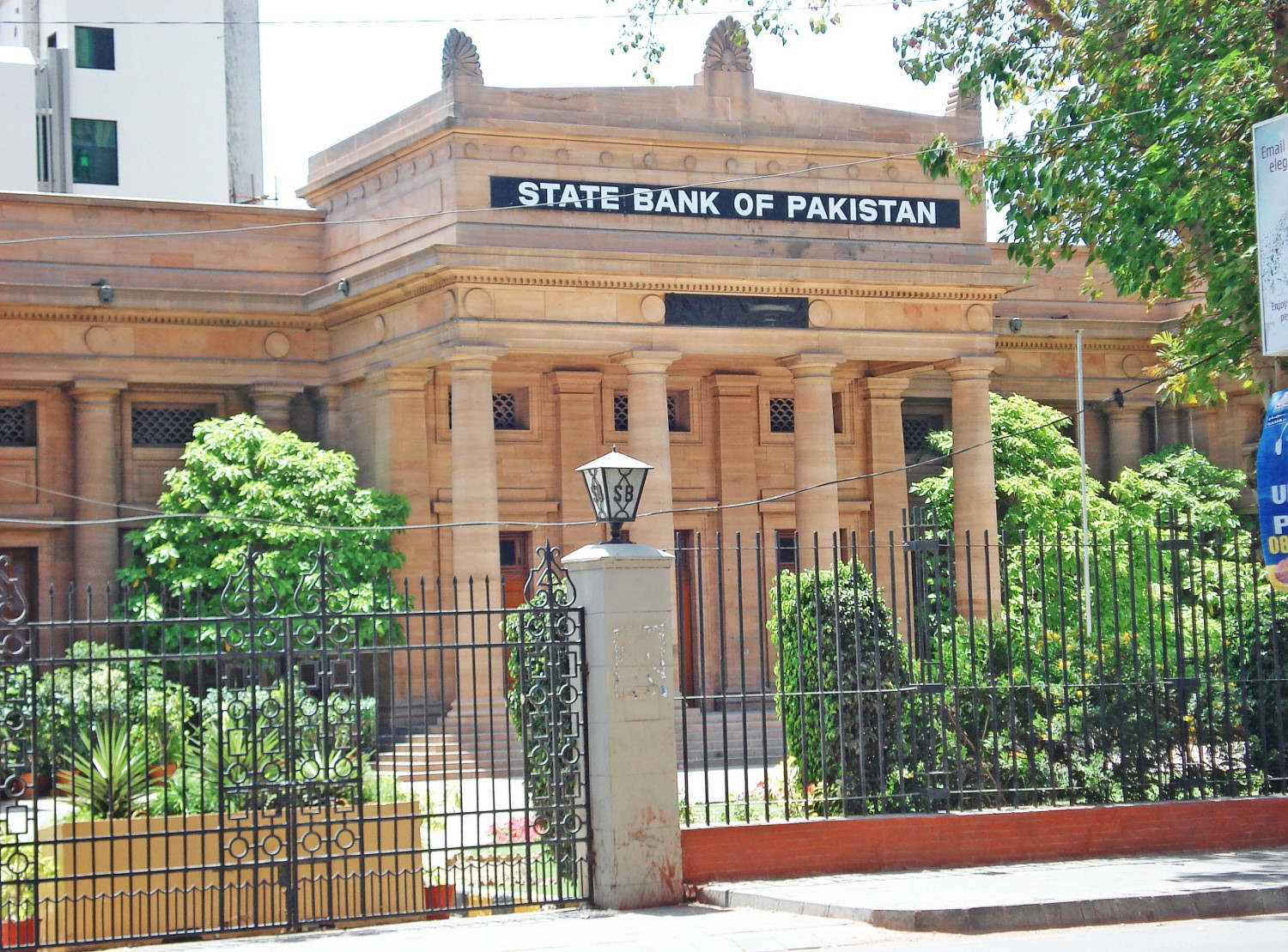
The State Bank of Pakistan (SBP) has kept its benchmark policy rate unchanged at 11.5%, opting for a cautious stance as policymakers assess the evolving inflation outlook, external sector risks, and global economic developments.
The decision was announced following the latest meeting of the Monetary Policy Committee (MPC), marking the central bank’s fourth policy review of 2026. The move follows a 100-basis-point increase in the previous MPC meeting held in April, when the policy rate was raised to address inflationary concerns and emerging external pressures.
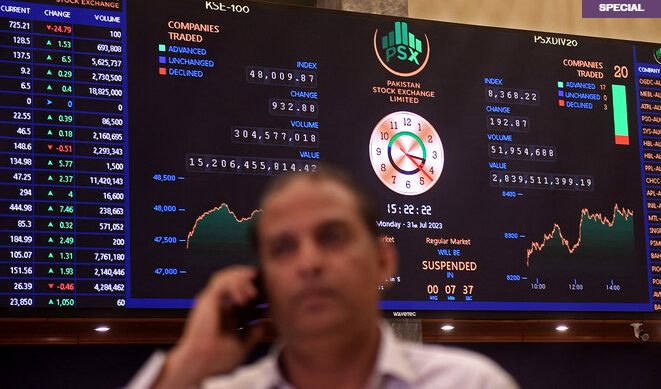
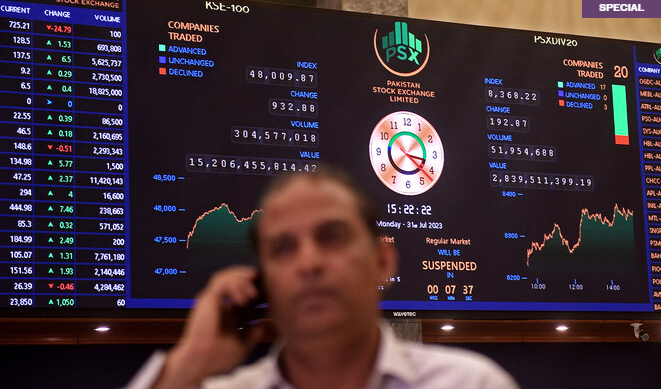
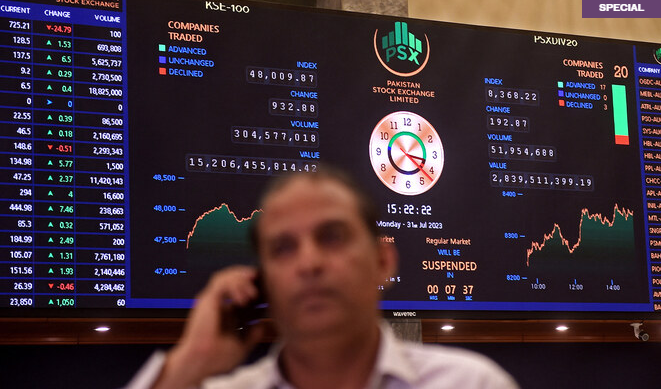
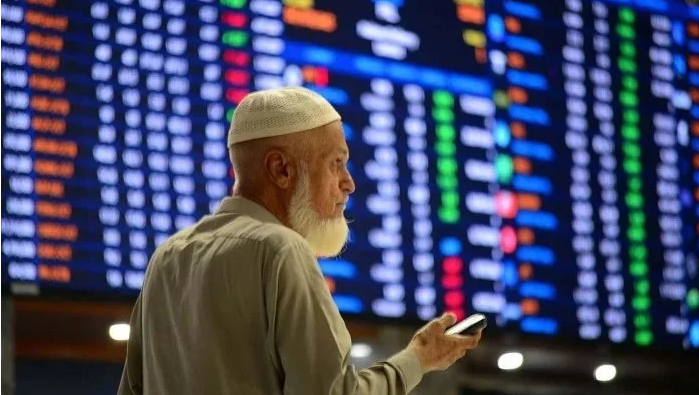
The latest decision was largely in line with market expectations, with analysts divided between a rate hold and a modest increase ahead of the announcement. According to a survey conducted by brokerage firms, nearly half of respondents anticipated no change in interest rates, while an equal proportion expected further tightening.
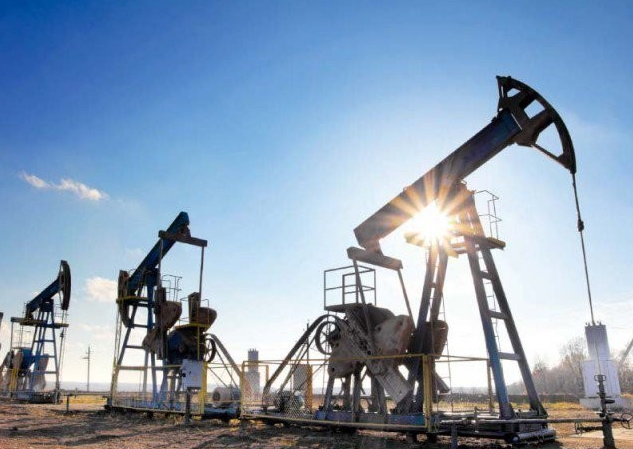
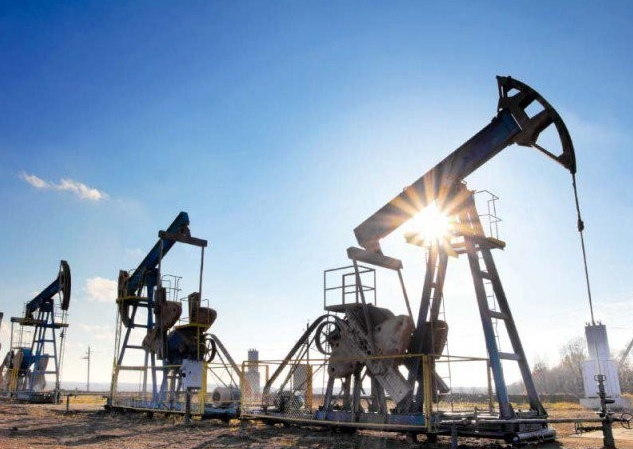
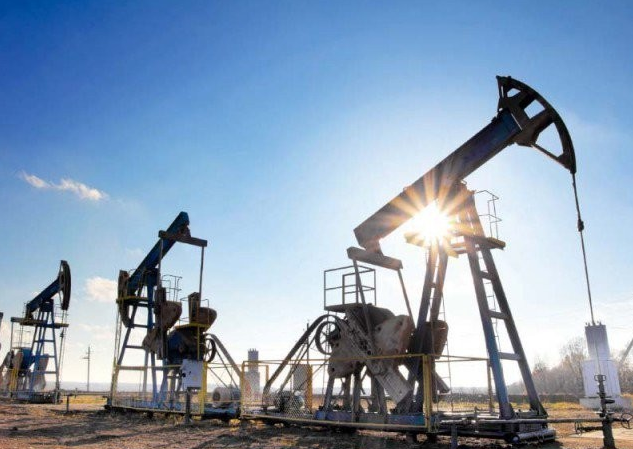
Market participants attributed the uncertainty to fluctuations in global oil prices and geopolitical developments that had the potential to influence Pakistan’s inflation trajectory and external account position.
Analysts noted that easing tensions in the Middle East and expectations of improved stability in energy markets reduced the immediate need for another rate hike. However, the central bank appears to have maintained a cautious approach due to lingering inflation risks and uncertainty surrounding future commodity prices.
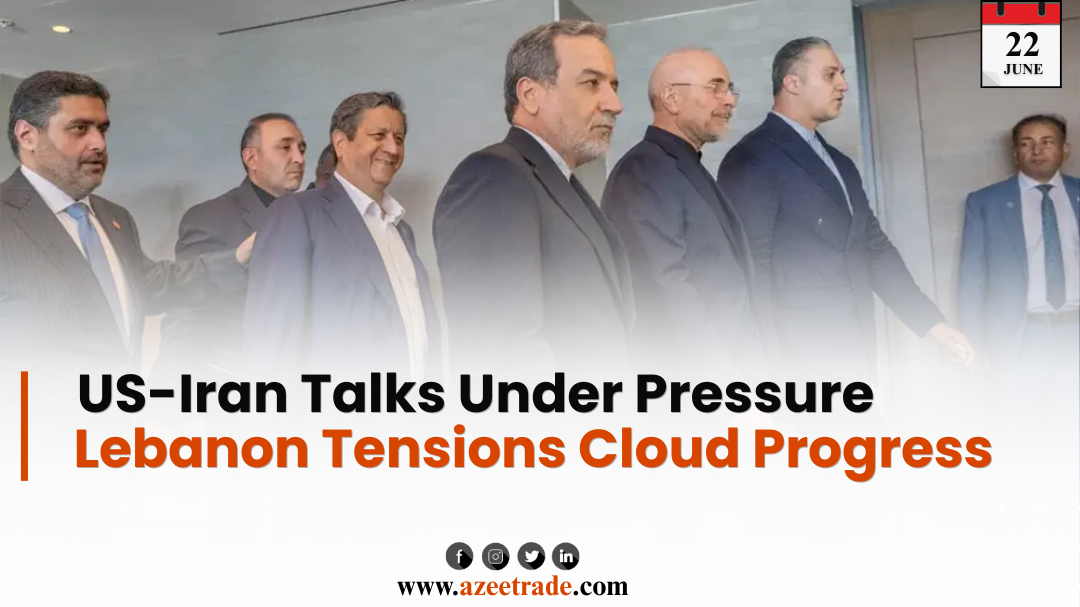
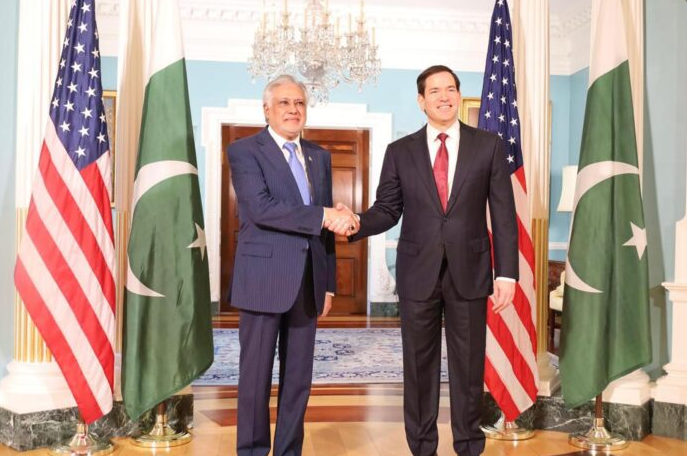
Economic observers believe the recent diplomatic breakthrough between the United States and Iran could help stabilize international oil markets and reduce imported inflation pressures for oil-importing economies such as Pakistan. Lower energy prices may also provide support to the country’s external sector and inflation outlook in the coming months.
Despite improving sentiment, economists caution that core inflation remains elevated and inflation expectations continue to require close monitoring. As a result, a policy rate cut is still considered premature at this stage.
Going forward, the MPC is expected to closely monitor inflation trends, fiscal developments, external account indicators, exchange rate stability, and global commodity prices before determining the future direction of monetary policy.
The decision to maintain the policy rate reflects the central bank’s effort to balance economic growth considerations with its primary objective of ensuring price stability and safeguarding macroeconomic stability.
















































-falls-to-rs43.57tr)



























































































-rises-to-rs44.35-trillion)













-surges-to-rs44.23-trillion-as-bank-deposits-jump)























































-falls-weekonweek-to-rs40.95tr)





























































































































































-ltd-reports-strong-halfyearly-results-–-profit-surged)













































































)












Add a comment