
 (1).png)
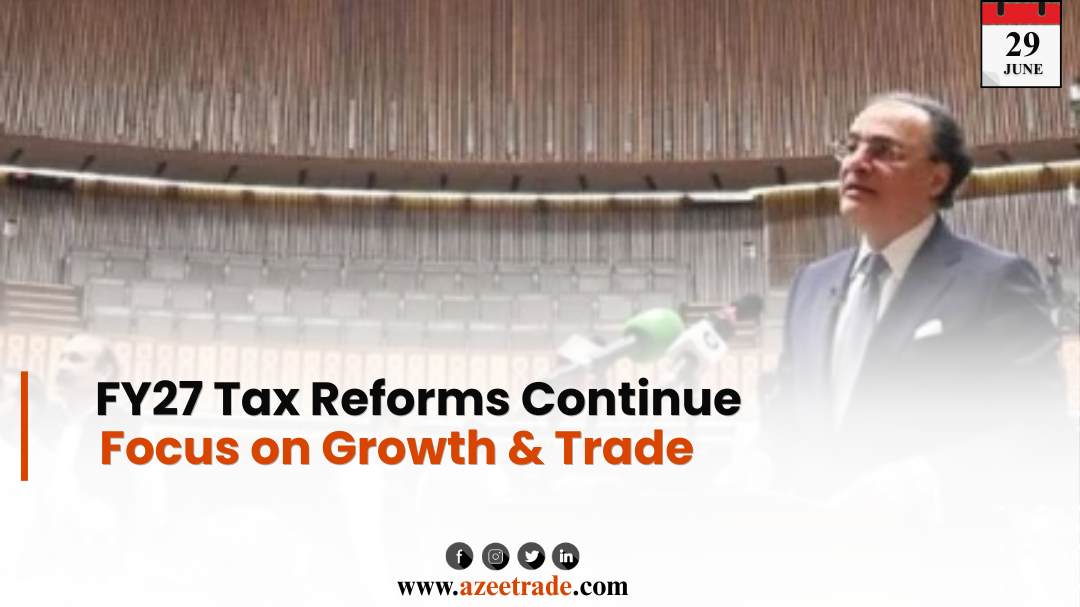
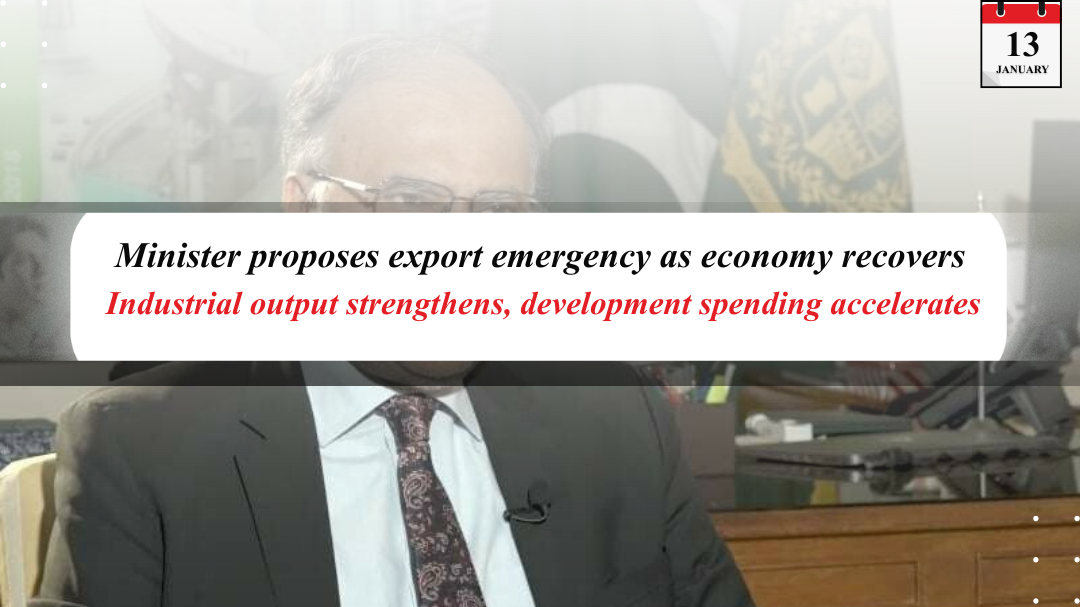
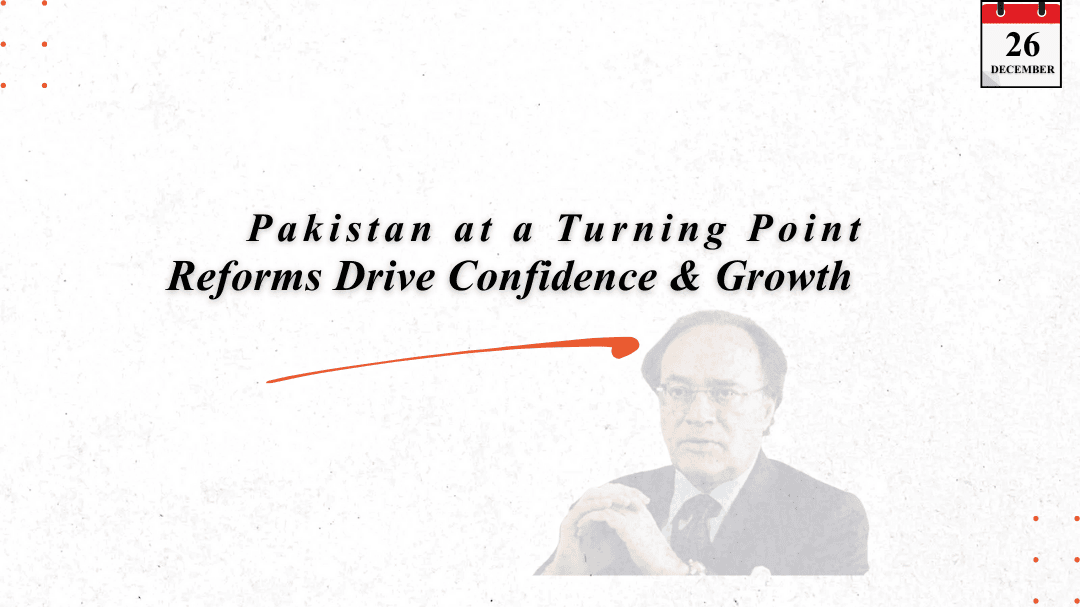
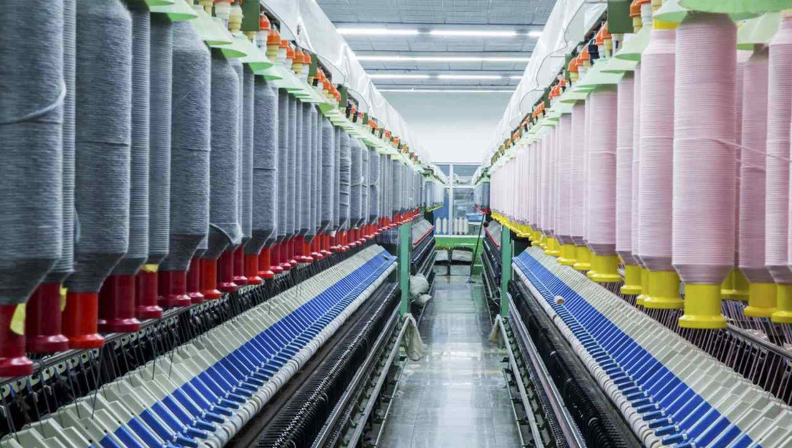
Finance Minister Muhammad Aurangzeb has indicated that the government intends to gradually phase out the super tax over time, while stressing the need for businesses to embrace innovation and transition towards an export-driven growth model.
Speaking during a meeting of the Senate Standing Committee on Finance and Revenue, Aurangzeb acknowledged that Pakistan’s exports have largely remained stagnant over the past five years and emphasized that the country's traditional business model is no longer sufficient to achieve sustainable economic growth.
The finance minister said the government is committed to creating an enabling environment for exporters and industry, adding that efforts to reduce the burden of the super tax will continue on a gradual basis in the coming years.
Committee members raised concerns over Pakistan’s export competitiveness, highlighting that higher taxation and elevated electricity tariffs compared to regional competitors such as India and Bangladesh are undermining export growth. Aurangzeb also noted that exports to Afghanistan have faced challenges and reiterated the importance of innovation, productivity enhancement, and value addition to improve export performance.
During the review of Finance Bill 2026, the committee approved a proposal to abolish the one percent withholding tax currently imposed on exporters, a move expected to improve liquidity and reduce the cost of doing business for export-oriented industries.
The Federal Board of Revenue (FBR) informed lawmakers that increasing the tax exemption threshold from Rs500 million to Rs1 billion would require additional revenue measures worth approximately Rs250-300 billion to offset the resulting fiscal impact.
The committee also approved a proposal to tax the profit component of life insurance policies from Tax Year 2026, while maintaining exemptions on the principal amount, death benefits, disability-related claims, and policies with a maturity period exceeding seven years.
In discussions relating to the digital economy, lawmakers approved a five percent withholding tax on certain categories of income earned through social media and online platforms. Under the approved structure, annual income up to Rs600,000 will remain exempt, while a five percent withholding tax will apply to income between Rs600,000 and Rs1.2 million.
The committee was further briefed on FBR’s digital monitoring initiatives aimed at improving documentation, enhancing compliance, and increasing transparency through technology-based systems. Officials informed members that approximately Rs55 billion in refunds are processed each month, with efforts underway to further streamline the refund mechanism.
Representatives from the manufacturing, steel, telecommunications, and automobile sectors also presented their concerns regarding taxation, regulatory procedures, and industry challenges. Lawmakers emphasized the need for balanced tax policies that support industrial growth while maintaining fiscal sustainability.
The finance minister reiterated that Pakistan’s long-term economic strategy remains focused on increasing exports, broadening the tax base, encouraging investment and improving productivity to achieve sustainable economic growth.


















































-falls-to-rs43.57tr)







































































































-rises-to-rs44.35-trillion)























-surges-to-rs44.23-trillion-as-bank-deposits-jump)




































































-falls-weekonweek-to-rs40.95tr)



































































































































































-ltd-reports-strong-halfyearly-results-–-profit-surged)



















































































)











Add a comment