
 (1).png)
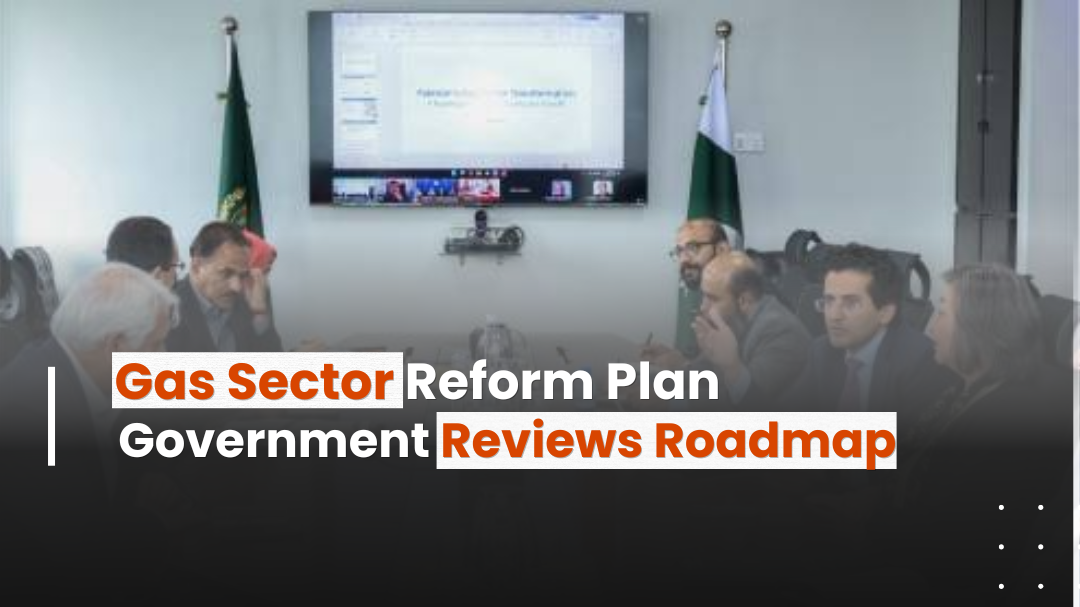
Pakistan's Petroleum Division is preparing a comprehensive overhaul of the country's gas sector through a Multi-Year Tariff (MYT) framework, introducing new pricing mechanisms for gas transmission, distribution, and regulated gas sales as part of a broader reform agenda.
The proposal forms part of the Gas Sector Transition Roadmap, which aims to transform Pakistan's gas industry into a financially sustainable, competitive, and investment-friendly market through the restructuring and unbundling of state-owned gas utilities.
The roadmap was presented by a high-level Steering Committee on Gas Sector Reforms to Federal Minister for Petroleum Ali Pervaiz Malik, describing it as one of the most significant reforms undertaken in the sector in decades.
A key component of the proposal is the restructuring of Sui Northern Gas Pipelines Limited (SNGPL) and Sui Southern Gas Company Limited (SSGCL). Under the plan, each utility would be split into a gas transmission company and two trading entities: Regulated Gas Sales (RGS) for domestic consumers and Competitive Gas Sales (CGS) for commercial and industrial customers.
The CGS segment would gradually move toward market-based pricing and deregulation, while the RGS business would remain regulated, with targeted subsidies continuing during the transition period.
To encourage competition, the roadmap proposes launching a Gas Market Release Programme, under which 20% of gas volumes would be auctioned to private sector participants in the first year, followed by 10% annually over the next two years.
Financial modelling included in the proposal indicates that the regulated gas sales business is expected to continue recording losses due to below-cost tariffs and cross-subsidisation, while the competitive segment remains profitable. To address this imbalance, the roadmap recommends introducing cost-reflective tariffs, replacing blanket subsidies with targeted support for low-income consumers, and eventually moving toward a single gas pricing mechanism instead of the existing slab-based tariff structure.
To address the circular debt issue, the Steering Committee has proposed establishing a dedicated holding company to absorb accumulated receivables and liabilities, allowing the operational companies to function with stronger balance sheets.
The reform package also calls for renegotiating upstream and downstream agreements, including LNG import contracts, which could be transferred to newly established trading companies.
Implementation of the reforms will require amendments to the OGRA Act, licensing regulations, transmission and distribution codes, and third-party access rules, alongside new measures to enhance transparency and prevent anti-competitive practices.
The roadmap further proposes strengthening the institutional capacity of the Oil and Gas Regulatory Authority (OGRA) through the establishment of a dedicated market monitoring unit, while encouraging greater private sector participation in transmission and distribution infrastructure investments.
According to the report, the government plans to mitigate public resistance to higher tariffs through targeted subsidies and a phased implementation of price adjustments.
The next phase of the reform programme includes securing approvals from the Council of Common Interests (CCI) and the federal cabinet, appointing a Transaction Advisor, finalising regulatory amendments, and launching the Gas Market Release Programme in coordination with provincial governments, SNGPL, SSGCL, OGRA, and the World Bank, which has provided technical support in developing the roadmap.
































-falls-to-rs43.57tr)









































-rises-to-rs44.35-trillion)






-surges-to-rs44.23-trillion-as-bank-deposits-jump)














-falls-weekonweek-to-rs40.95tr)








































-ltd-reports-strong-halfyearly-results-–-profit-surged)
































)



Add a comment