
 (1).png)
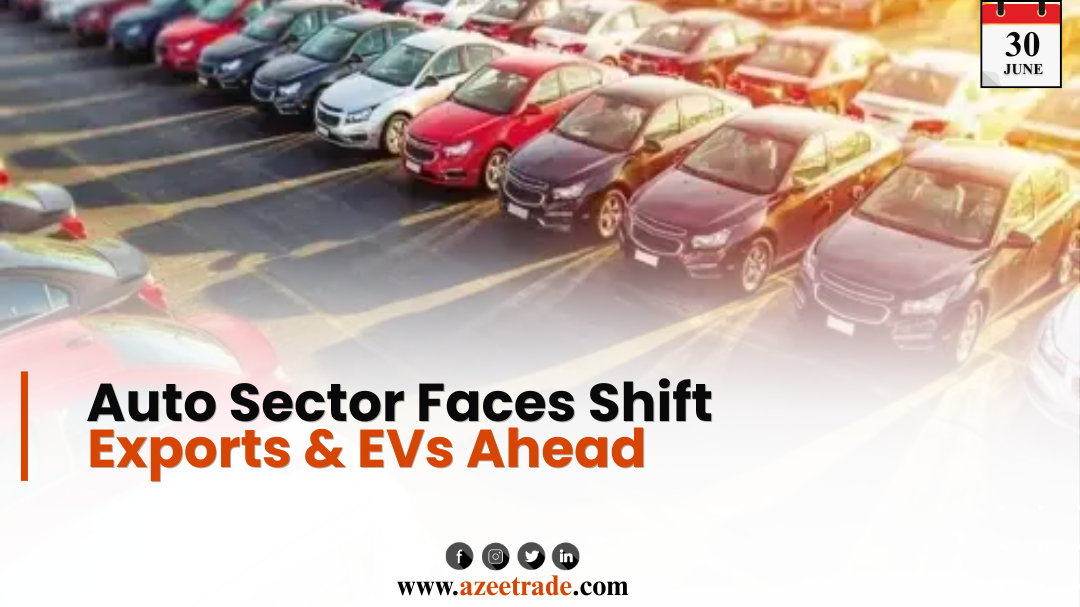
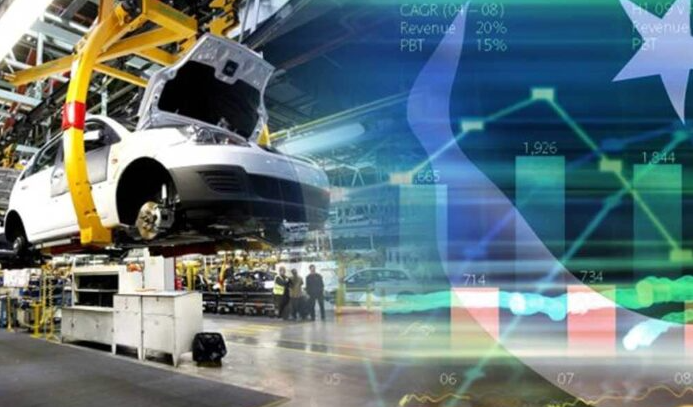
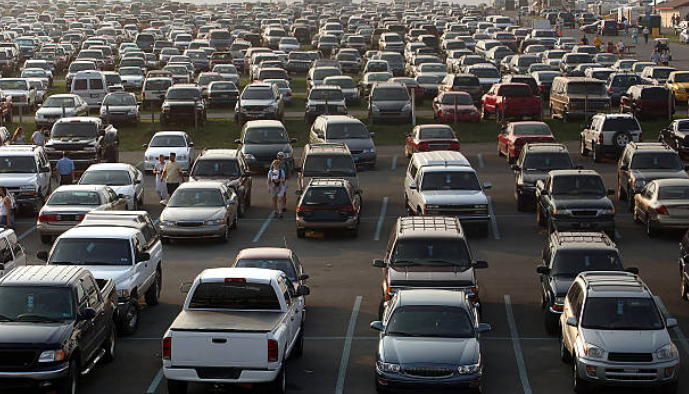
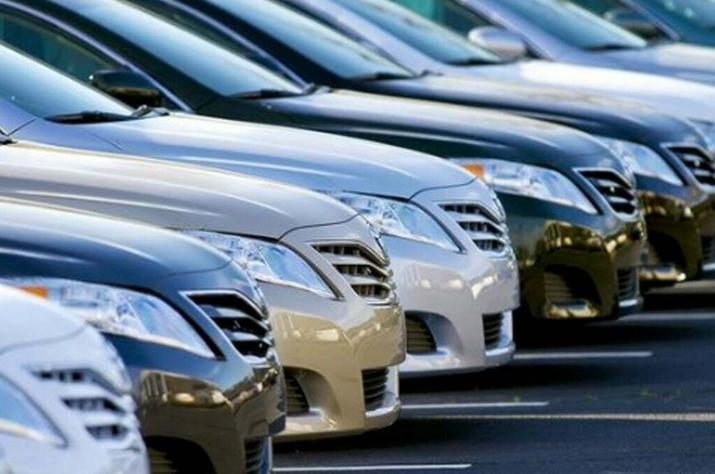
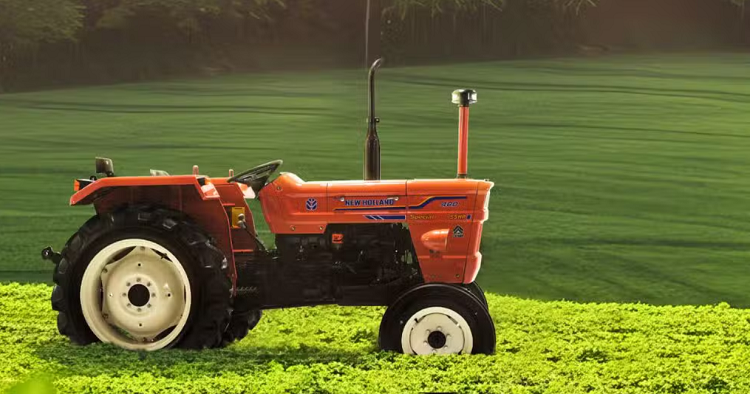
Pakistan's long-awaited Auto Industry Development Policy (AIDEP) 2026-31 has entered the final stages of approval, although differences over proposed import tariff reductions continue to delay its finalization.
The new five-year policy will replace the previous auto policy, which expired on June 30, 2026, and is expected to provide the roadmap for Pakistan's automotive industry through 2031. The framework aims to promote domestic manufacturing, encourage electric vehicles (EVs), improve consumer affordability, and gradually liberalize trade.
According to government officials, consultations with industry stakeholders are still underway, and the final draft has not yet been made public.
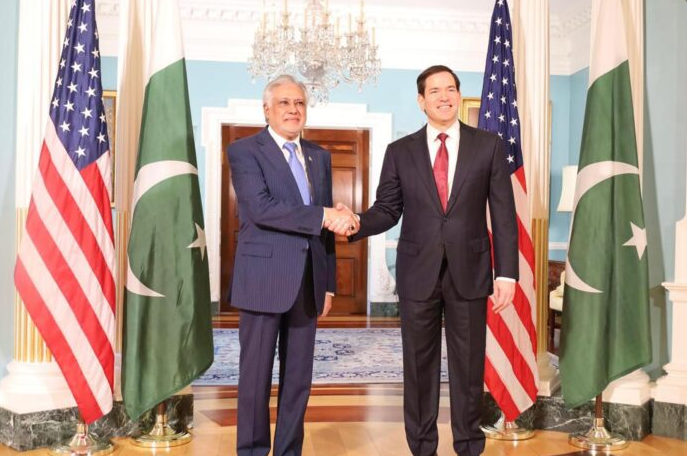
The proposed policy has already cleared one of two cabinet-level committees reviewing the framework. One committee, headed by Federal Minister for Power Sardar Awais Ahmad Khan Leghari, is working to build consensus among stakeholders, while another committee, chaired by Deputy Prime Minister Ishaq Dar, is responsible for resolving the remaining issues.
Special Assistant to the Prime Minister on Industries and Production Haroon Akhtar Khan described the upcoming framework as a forward-looking policy designed to transform Pakistan into a competitive manufacturing hub for automobiles and auto parts but did not disclose details of the draft.
The key point of disagreement remains the government's proposal to gradually reduce import tariffs under the broader National Tariff Policy, which seeks to lower trade barriers across various sectors.
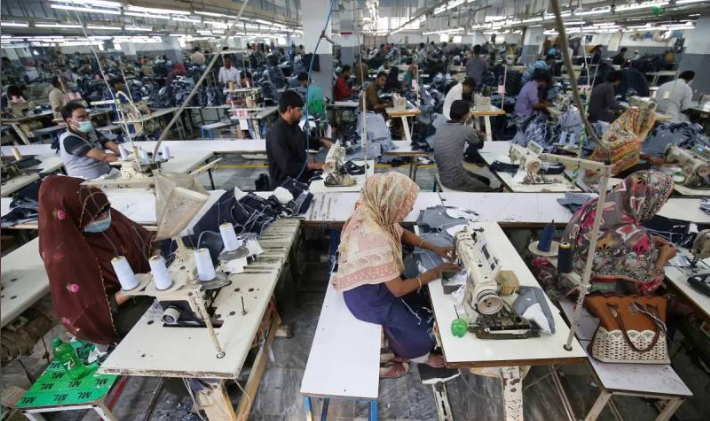
Auto parts manufacturers argue that reducing tariffs before addressing Pakistan's structural cost disadvantages would weaken domestic production and increase reliance on imports.
According to the Pakistan Association of Automotive Parts and Accessories Manufacturers (PAAPAM), the local auto parts industry faces an estimated 34% cost disadvantage compared to regional competitors due to higher energy prices, taxes, financing costs, and heavy reliance on imported raw materials.
PAAPAM's Senior Vice Chairman Shehryar Qadir said the association opposes reducing import tariffs to 15% by 2031 unless these structural challenges are first addressed, warning that premature tariff cuts could significantly impact the competitiveness of Pakistan's domestic automotive industry.
The government is expected to continue consultations with industry stakeholders before presenting the final policy for approval.



































-falls-to-rs43.57tr)














































-rises-to-rs44.35-trillion)








-surges-to-rs44.23-trillion-as-bank-deposits-jump)















-falls-weekonweek-to-rs40.95tr)






































-ltd-reports-strong-halfyearly-results-–-profit-surged)

































)




Add a comment