 (1).png)
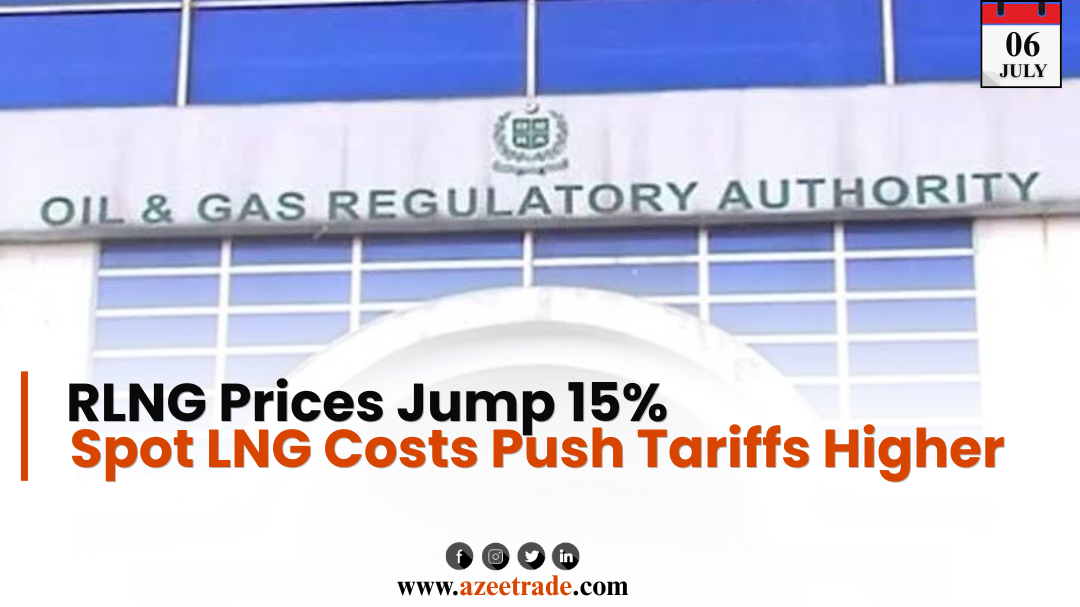
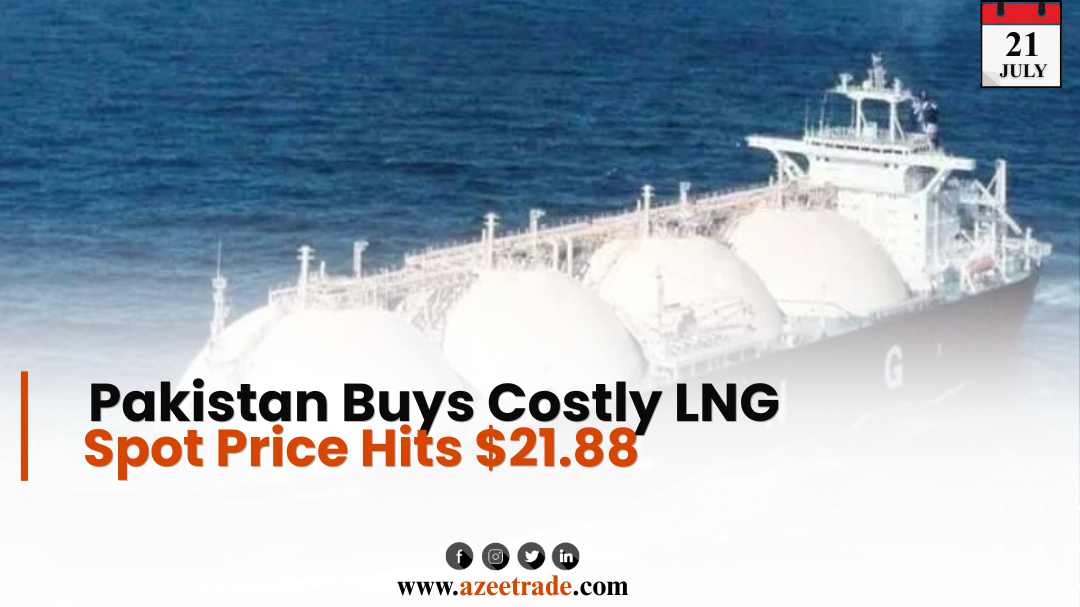
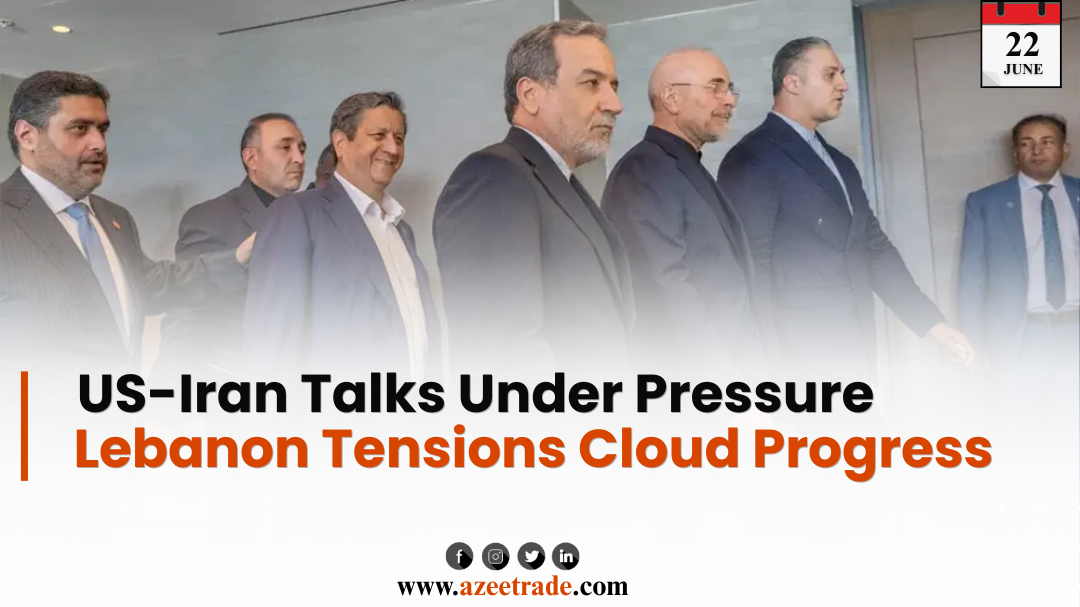
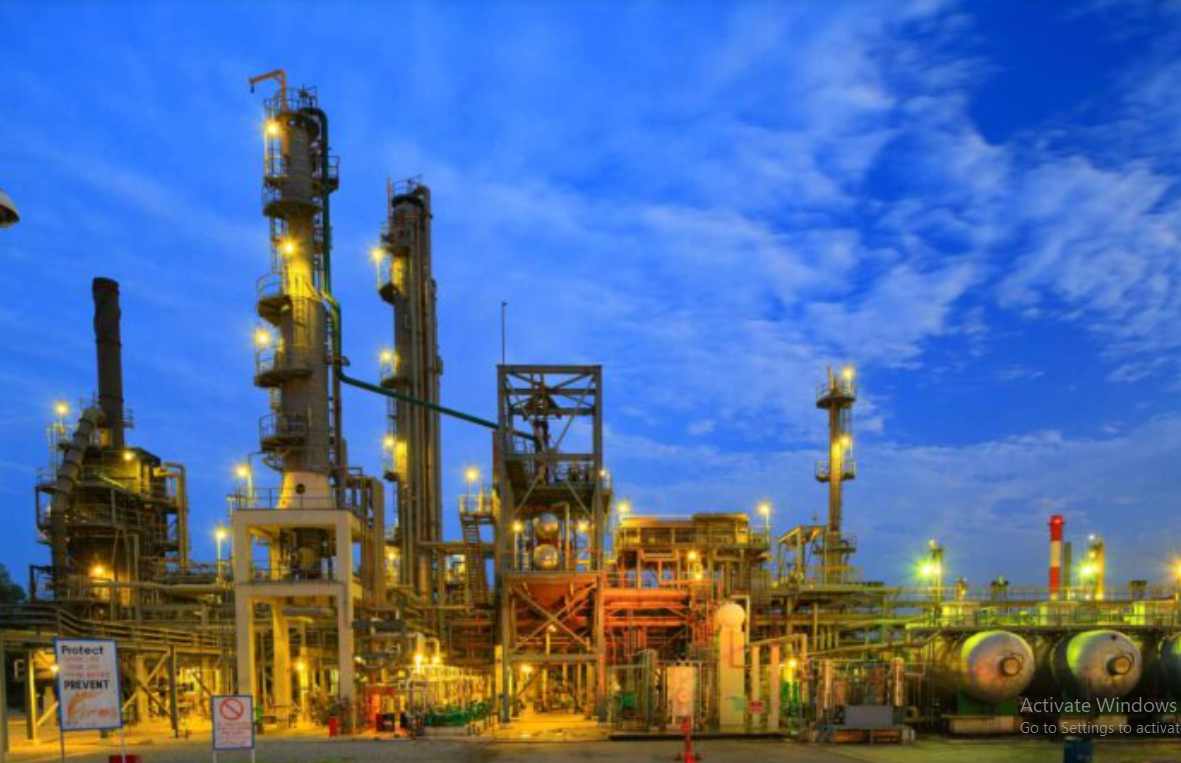
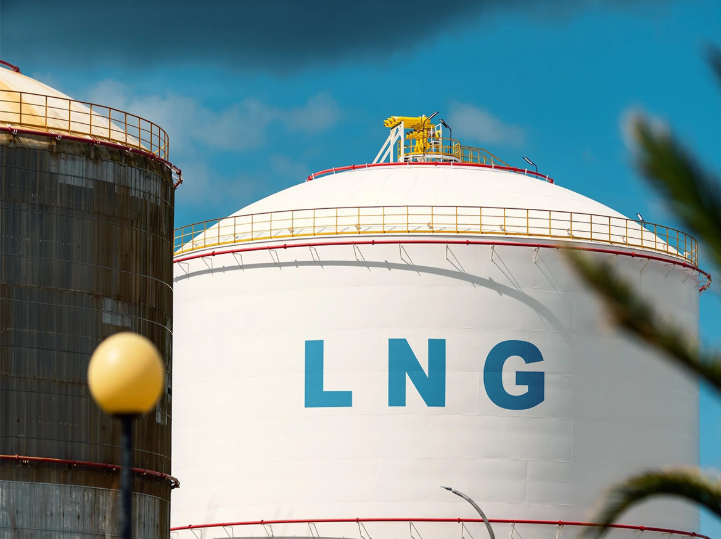
The Oil and Gas Regulatory Authority (OGRA) has increased the Regasified Liquefied Natural Gas (RLNG) sale prices by around 15% for both Sui Northern Gas Pipelines Limited (SNGPL) and Sui Southern Gas Company Limited (SSGCL), mainly due to higher-cost spot LNG imports made during supply disruptions caused by the recent US-Iran conflict.
According to OGRA's latest notification, RLNG prices have risen nearly 15% compared to May, are 56% higher than March, and have surged approximately 73% since February, reflecting the sharp increase in global LNG procurement costs.
The higher RLNG prices have also significantly increased electricity generation costs. The fuel cost for RLNG-based power generation climbed to around Rs31 per unit in May, compared with Rs13.72 per unit in April, placing additional pressure on power tariffs.
For SNGPL, the transmission-stage RLNG price increased 14.85% to $17.94 per MMBtu from $15.62 per MMBtu in May. At the distribution stage, the price rose 14.94% to $19.52 per MMBtu, compared with $16.98 per MMBtu a month earlier.
Similarly, SSGCL's transmission-stage price increased 16% to $16.37 per MMBtu, while the distribution-stage price climbed 16.17% to $18.64 per MMBtu, up from $16.04 per MMBtu in May.
OGRA noted that end-user RLNG prices remain substantially higher than international LNG purchase prices due to additional costs across the supply chain. Distribution prices are approximately $3.3 to $4.2 per MMBtu above the average delivered LNG price because of importer margins, port charges, retainage costs, and system losses incurred by both gas utilities.
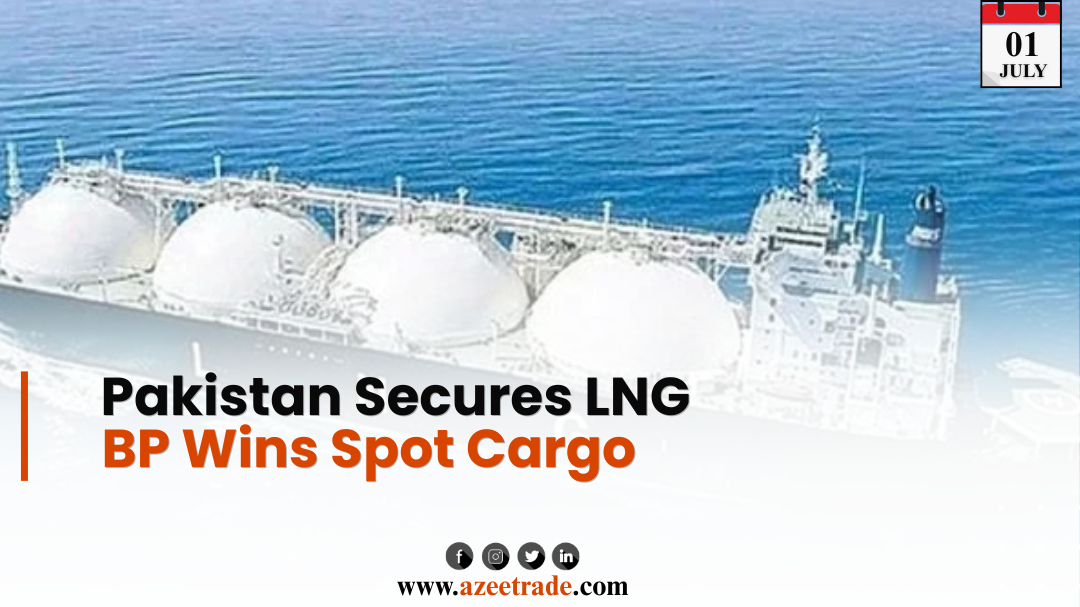
The latest price increase was driven by the higher cost of imported LNG cargoes. During June, Pakistan State Oil (PSO) imported three LNG cargoes from Qatar at an average price of $13.14 per MMBtu, compared with $9.20 per MMBtu in May. Meanwhile, Pakistan LNG Limited (PLL) imported one spot cargo at $19.13 per MMBtu, slightly higher than the $18.40 per MMBtu paid in May.
The disruption of LNG supplies from Qatar, caused by temporary shipping constraints and the closure of the Strait of Hormuz, forced the government to reactivate PLL after more than two years to secure emergency LNG cargoes from the international spot market.
According to OGRA, of the 3.2 million MMBtu imported by PLL during the month, approximately 2.4 million MMBtu will be supplied to K-Electric, while the remaining 0.8 million MMBtu will be allocated to SNGPL to help meet domestic energy demand.









































-falls-to-rs43.57tr)








































































-rises-to-rs44.35-trillion)










-surges-to-rs44.23-trillion-as-bank-deposits-jump)



































-falls-weekonweek-to-rs40.95tr)
















































































































-ltd-reports-strong-halfyearly-results-–-profit-surged)


































































)










Add a comment