
 (1).png)
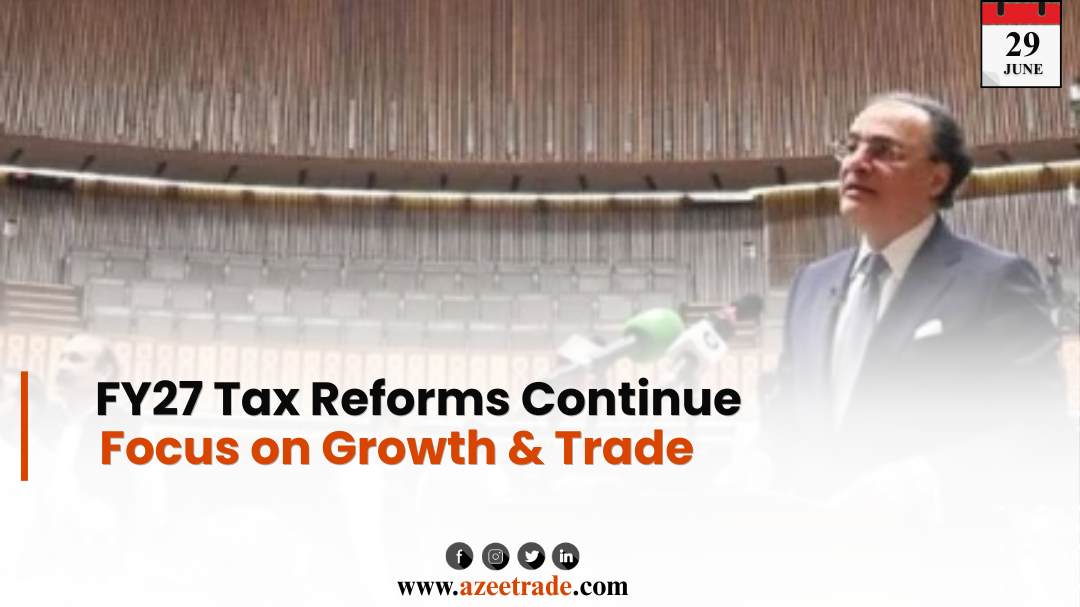
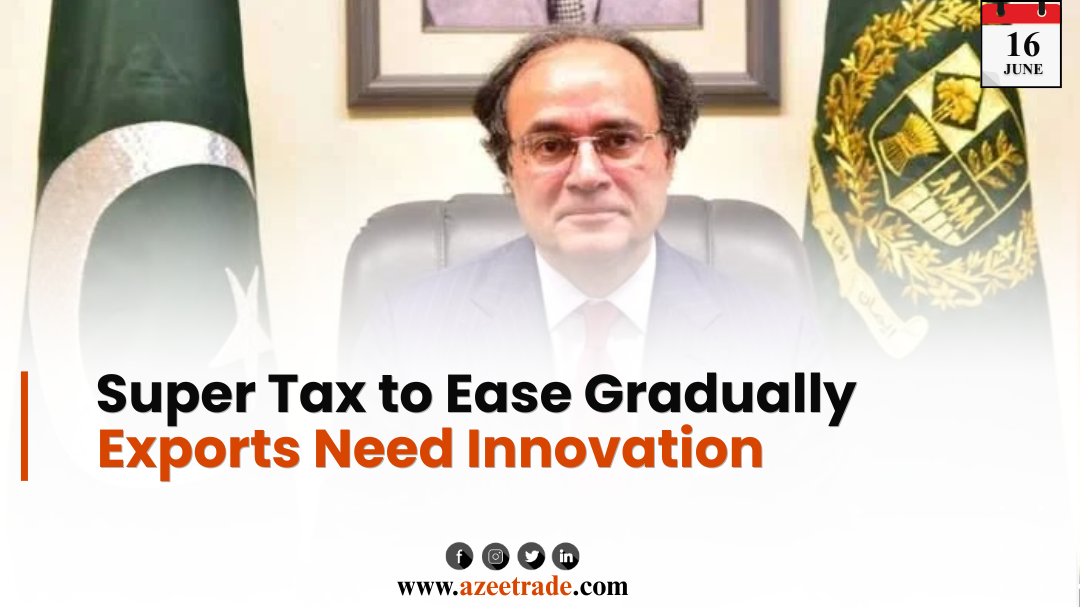
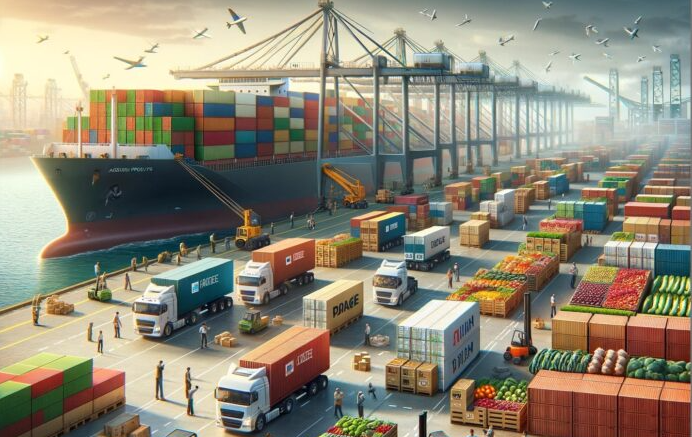
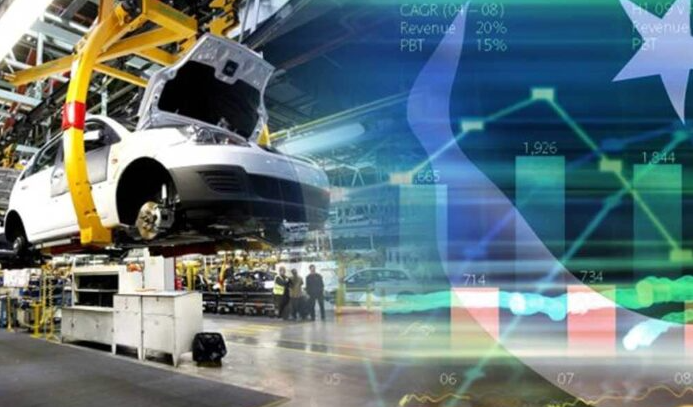
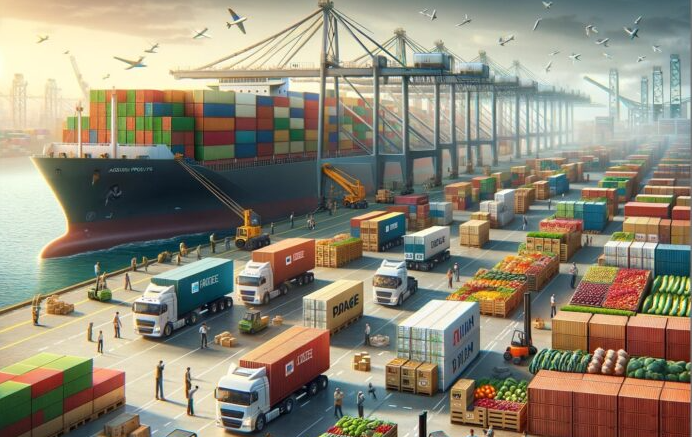
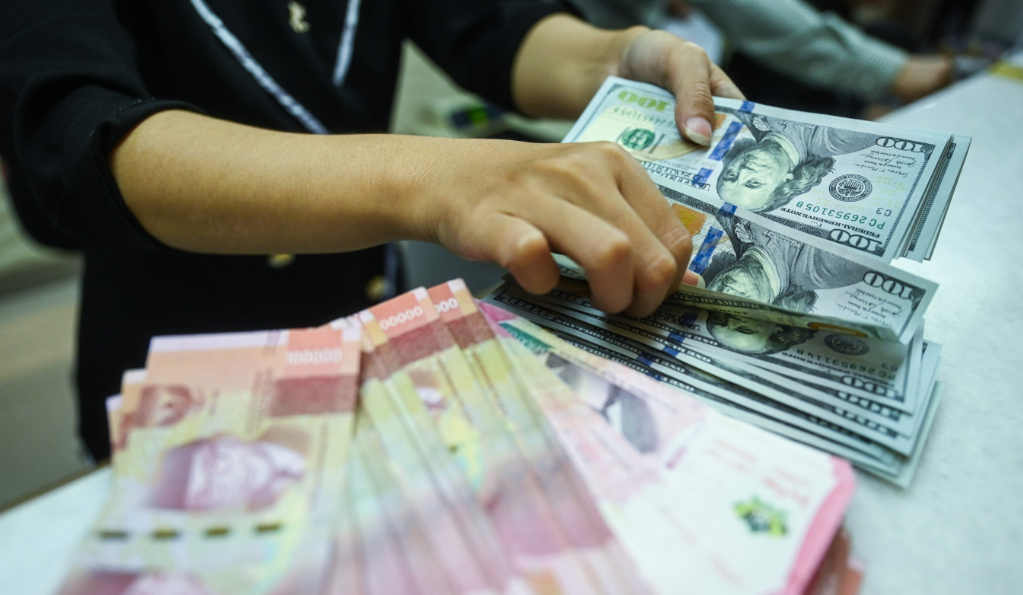
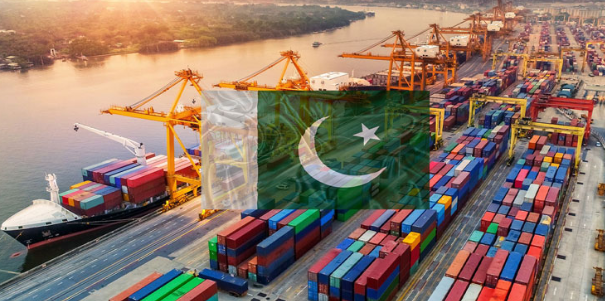
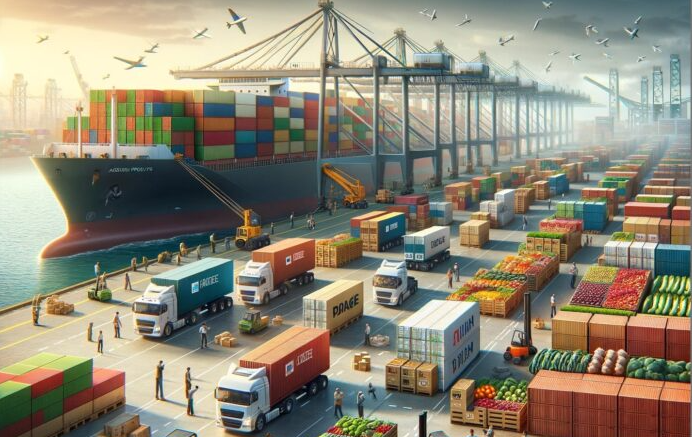
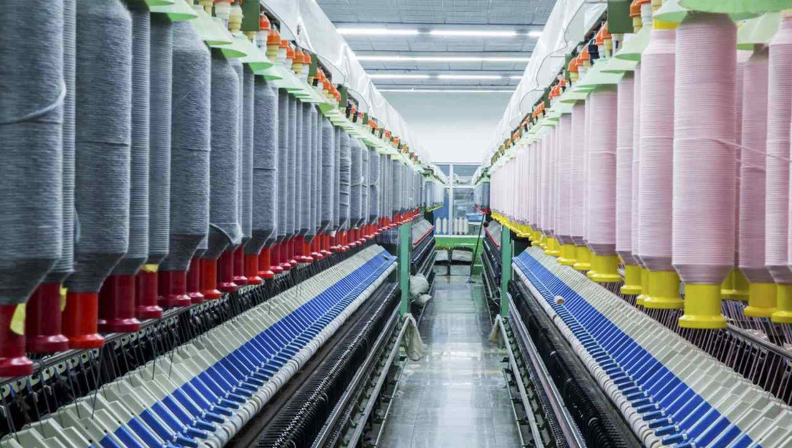
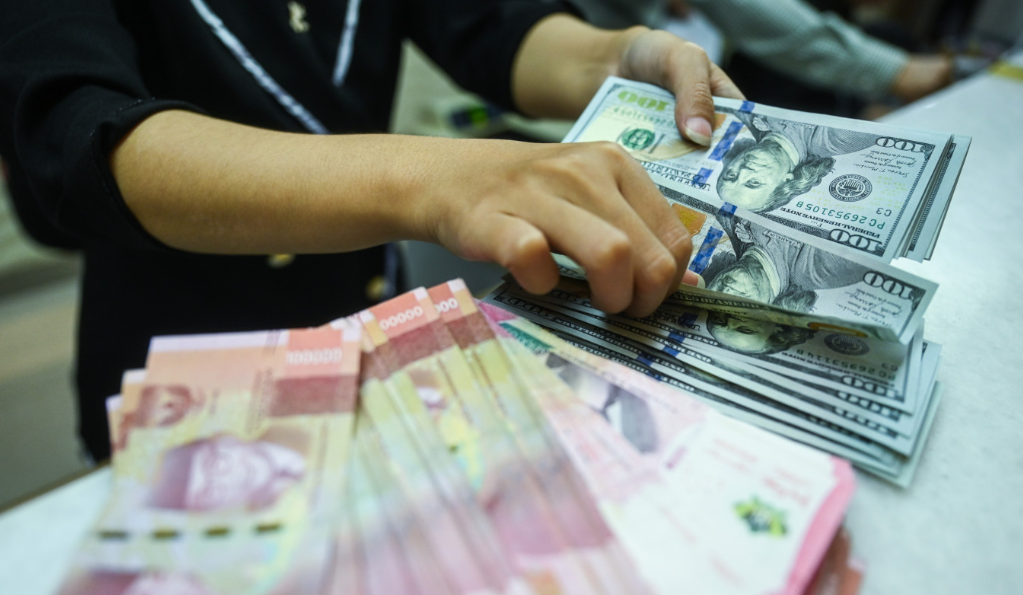
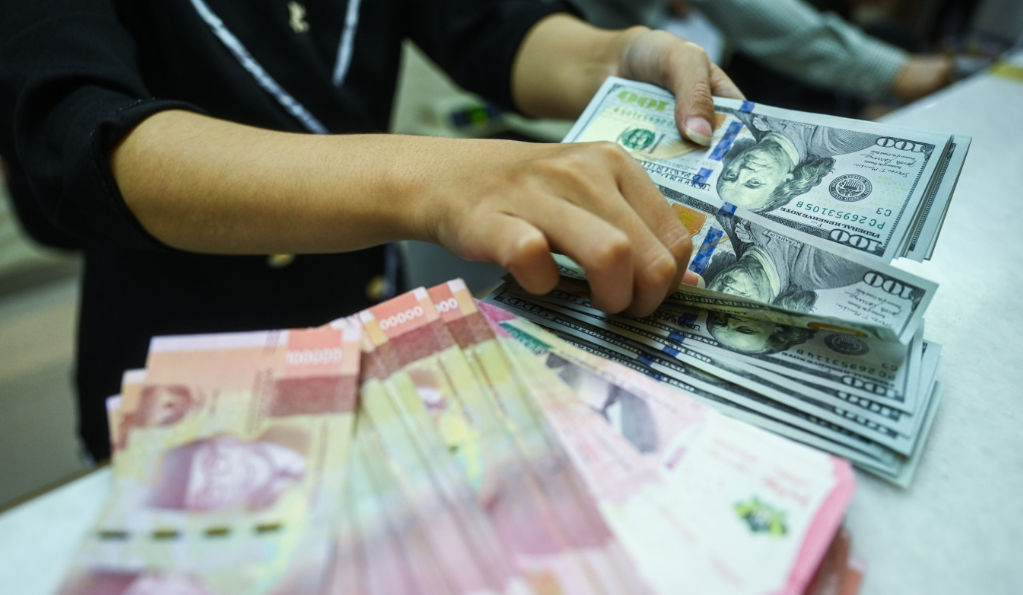
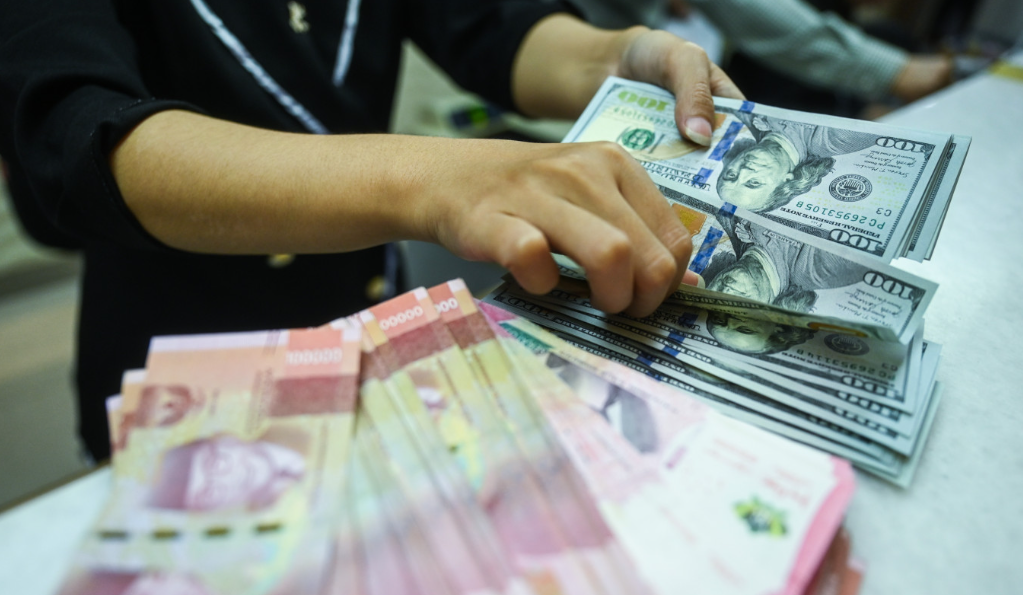
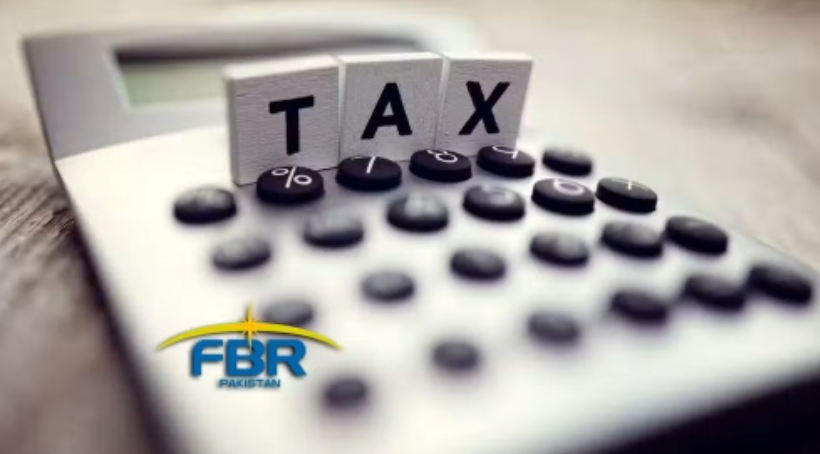
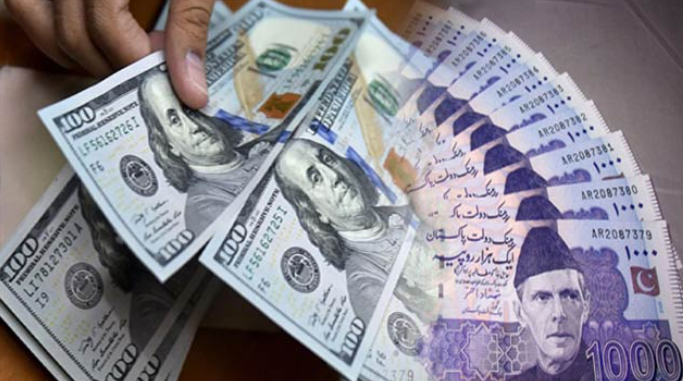
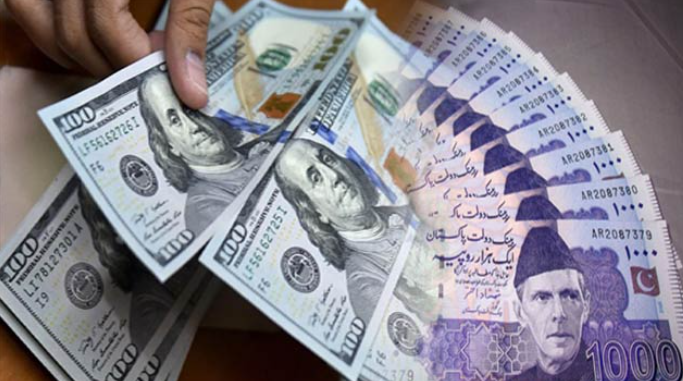
The government has proposed reducing the tax burden on export proceeds from 2% to 1.25% under the Finance Bill 2026, a move aimed at improving exporters’ liquidity and enhancing the competitiveness of Pakistani products in international markets.
Currently, exporters are subject to an aggregate tax burden of 2% on export proceeds, comprising a 1% advance tax and a 1% minimum tax. Under the proposed changes, this burden would be reduced to a consolidated minimum tax rate of 1.25%, providing financial relief to the export sector.
In another positive development for the technology sector, the government has extended the concessionary tax regime of 0.25% for IT and IT-enabled service exporters until 2029. The extension is expected to provide long-term policy certainty and support continued growth in one of Pakistan’s fastest-growing export industries.
Tax experts have welcomed the proposed reduction but believe additional measures could further strengthen export performance. They argue that lowering the export threshold under Section 8B of the Sales Tax Act from 50% to 10% would encourage industries with surplus production capacity to expand exports without facing adverse cash flow constraints.
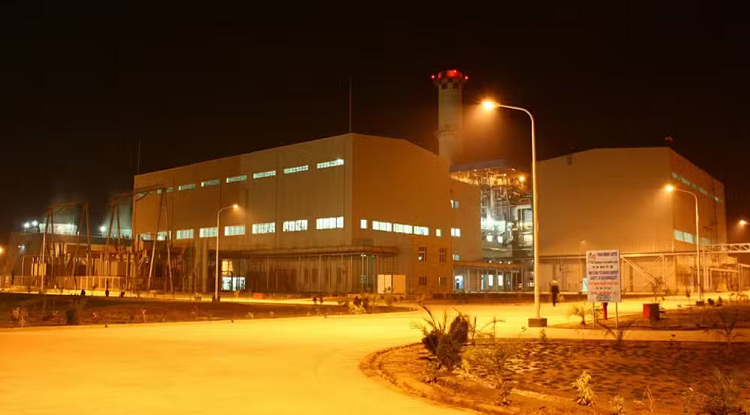
Experts noted that significant industrial capacity was created through machinery imports under the Temporary Economic Refinance Facility (TERF), and greater utilization of this capacity could boost industrial output, increase exports, and improve electricity consumption levels, thereby easing the burden of capacity payments on the economy.
Concerns have also been raised regarding disparities in the FASTER sales tax refund system. While exporters from previously zero-rated sectors can receive refunds of up to 12%, other export-oriented sectors are generally subject to lower refund limits ranging from 2% to 8%. Industry stakeholders have called for a uniform refund threshold to ensure equal treatment across sectors and encourage export diversification.
Tax specialists further emphasized the need for targeted policy support and regulatory protection for sectors where substantial investments have already been made in manufacturing capacity and machinery. Such measures could help strengthen local industry, reduce reliance on imports, and improve the utilization of existing industrial infrastructure.
Attention has also been drawn to taxation policies affecting Pakistan’s recycling industry. Industry representatives argue that current withholding tax requirements on purchases of recyclable materials discourage formal sector participation despite the sector’s growing role in environmental sustainability, import substitution, and export development.
According to experts, a more comprehensive policy framework focused on export promotion, industrial efficiency, recycling initiatives, and foreign exchange conservation could generate significant long-term economic benefits while supporting sustainable growth.
The proposed tax relief measures signal the government's broader intention to promote export-led growth, strengthen industrial competitiveness, and improve Pakistan’s external sector position in the coming years.








































-falls-to-rs43.57tr)




































































-rises-to-rs44.35-trillion)












-surges-to-rs44.23-trillion-as-bank-deposits-jump)









































-falls-weekonweek-to-rs40.95tr)





























































































-ltd-reports-strong-halfyearly-results-–-profit-surged)























































)





Add a comment