 (1).png)
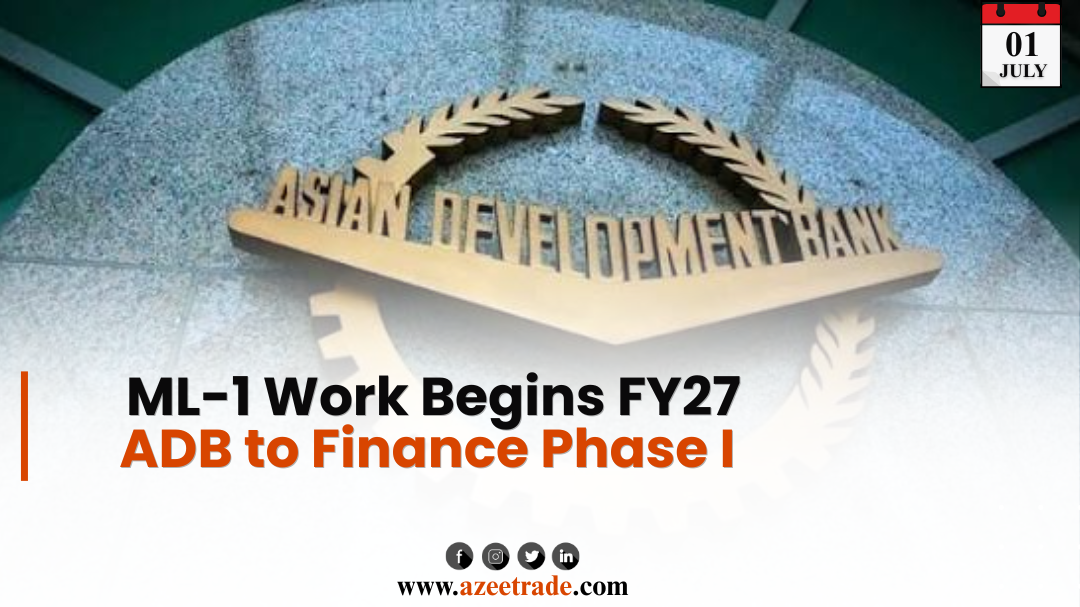
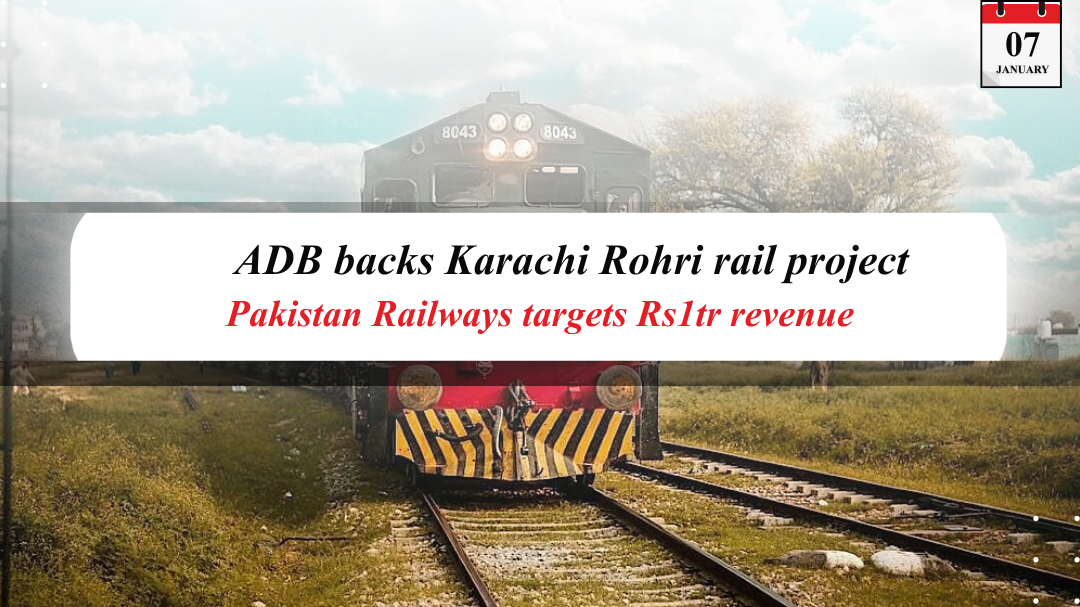
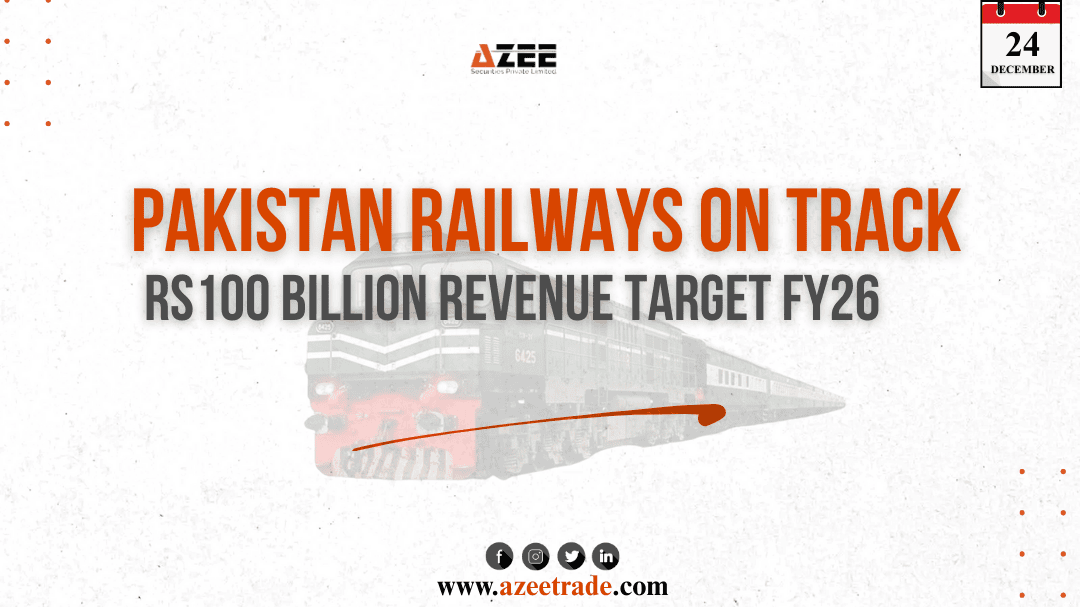
Pakistan will begin construction of the first phase of the long-awaited Mainline-1 (ML-1) railway project during FY2026-27, with financing to be arranged through the Asian Development Bank (ADB), Planning Minister Ahsan Iqbal announced.
Speaking at the launch of the Pakistan Development Update, the minister said the first phase of the project will cover the Karachi-Rohri railway section, while the formal groundbreaking is planned for January 2027. Funding for the project has already been allocated under the Public Sector Development Programme (PSDP).
Addressing questions regarding Chinese financing, Ahsan Iqbal clarified that Pakistan is pursuing ADB funding for ML-1 while simultaneously seeking the rollover of certain Chinese financial commitments. He noted that China has not objected to the project being financed through a multilateral development institution.
The minister explained that projects under the China-Pakistan Economic Corridor (CPEC) can be financed through multiple sources, including China, the Government of Pakistan, and multilateral financial institutions, providing flexibility in securing funding for strategic infrastructure.
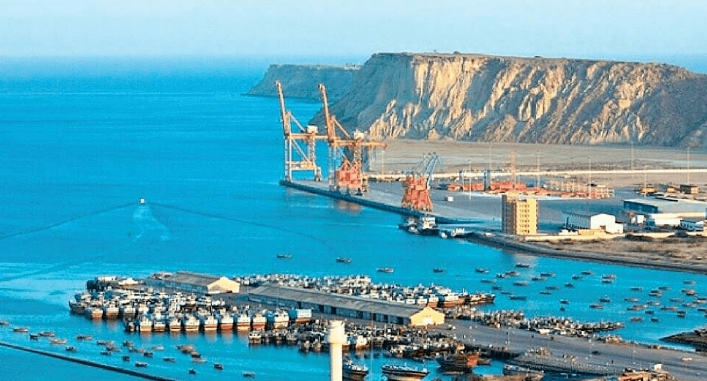
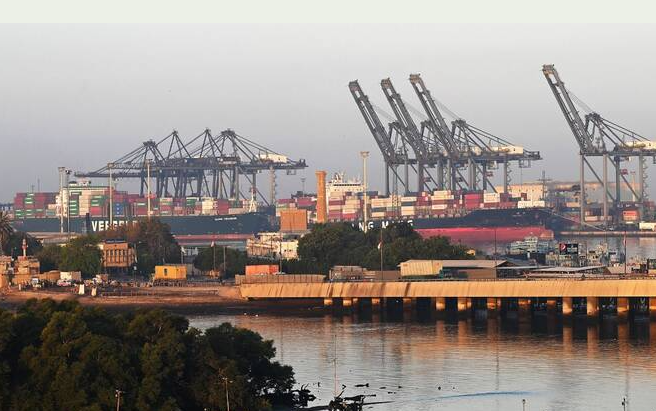
In addition to the railway project, the government plans to undertake the dredging of Gwadar Port to increase its depth to 15.5 metres, with the objective of transforming the port into a regional transshipment hub. A feasibility study for the project will be initiated during the upcoming fiscal year.
Highlighting fiscal challenges, the minister noted that Pakistan's development spending has declined significantly over recent years, with the development-to-GDP ratio falling from 2.6% in FY2017-18 to 0.6%, largely due to rising debt servicing obligations, which now consume a substantial portion of government revenues.
He added that although the federal PSDP allocation for FY2026-27 stands at Rs1 trillion, development needs would require a substantially larger allocation to accelerate infrastructure investment.
The government also announced several other major infrastructure projects scheduled to commence during the new fiscal year, including the expansion of the Karachi-Hyderabad M-9 Motorway, construction of the Sukkur-Hyderabad-Karachi M-6 Motorway, rehabilitation of the Quetta-Chaman-Karachi N-25 Highway, and the launch of Karakoram Highway-II, which will replace sections of the existing route affected by the construction of the Diamer-Bhasha Dam.
The planned investments form part of the government's broader strategy to modernize Pakistan's transport infrastructure, improve regional connectivity, and support long-term economic growth.














































-falls-to-rs43.57tr)


































































































-rises-to-rs44.35-trillion)



















-surges-to-rs44.23-trillion-as-bank-deposits-jump)

























































-falls-weekonweek-to-rs40.95tr)






















































































































-ltd-reports-strong-halfyearly-results-–-profit-surged)




























































)







Add a comment