 (1).png)
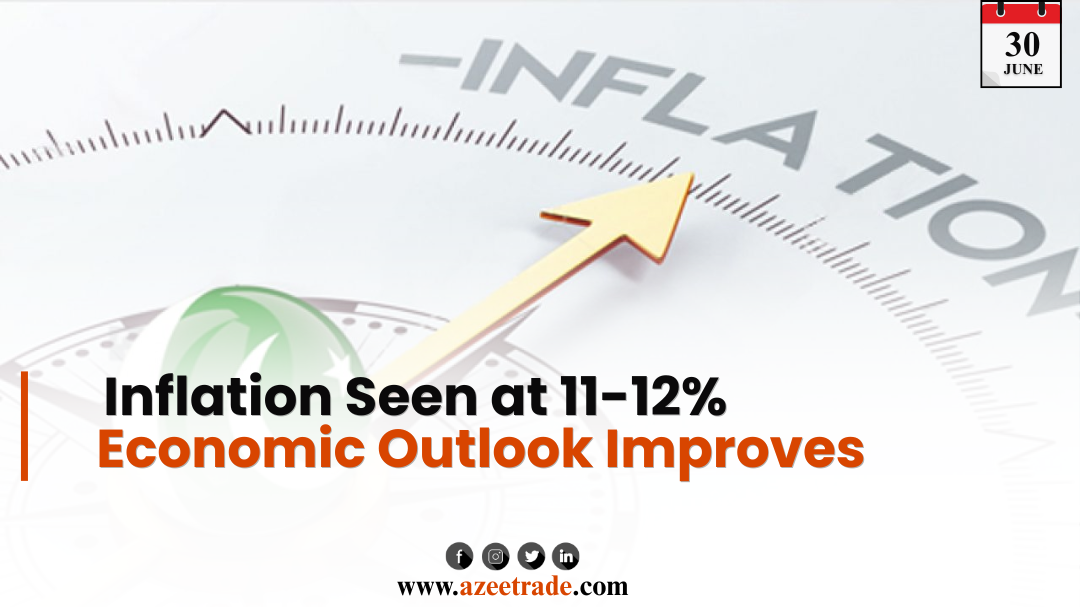
Pakistan's inflation is expected to remain within the 11-12% range in June 2026, supported by easing global oil prices and improving geopolitical conditions, according to the Finance Division's latest Monthly Economic Update & Outlook.
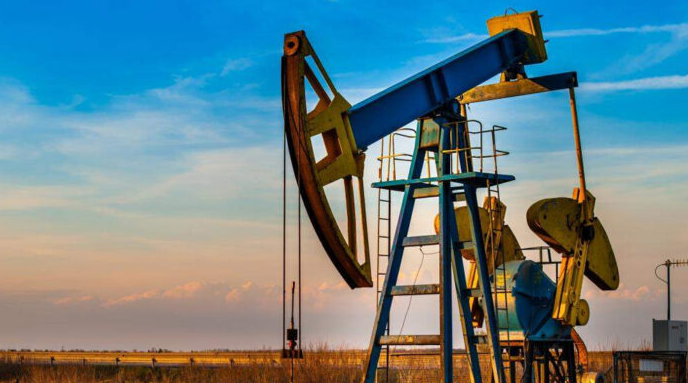
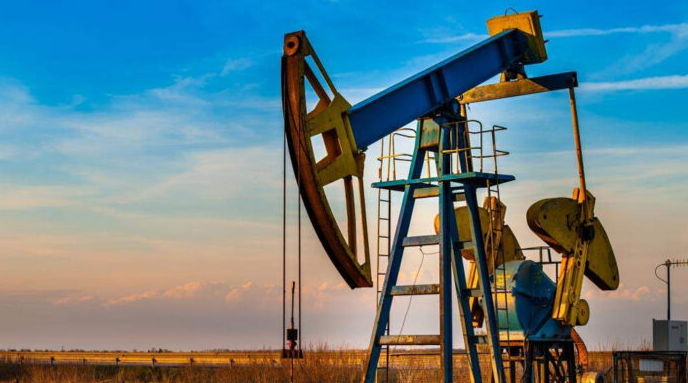
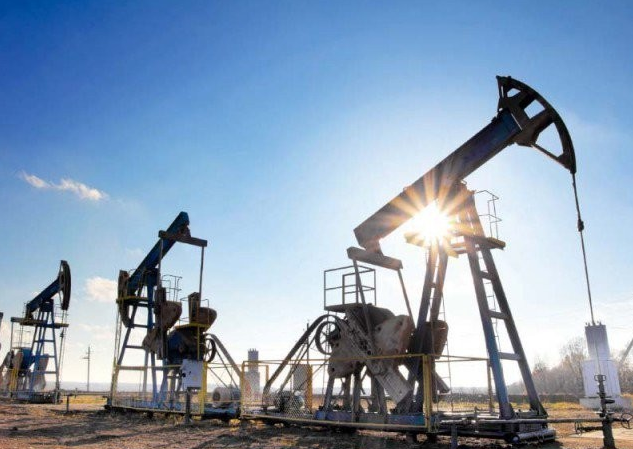
The report states that declining international crude oil prices, driven by improving Middle East peace efforts, are expected to ease imported inflation, lower domestic fuel costs, and reduce transportation expenses, providing relief to consumers in the coming months.
The Finance Division noted that Pakistan's macroeconomic fundamentals have improved considerably, laying the foundation for stronger economic performance in FY2026-27. The outlook is supported by sustained industrial growth, improved fiscal discipline, a stable external account, and continued resilience in the agriculture sector.
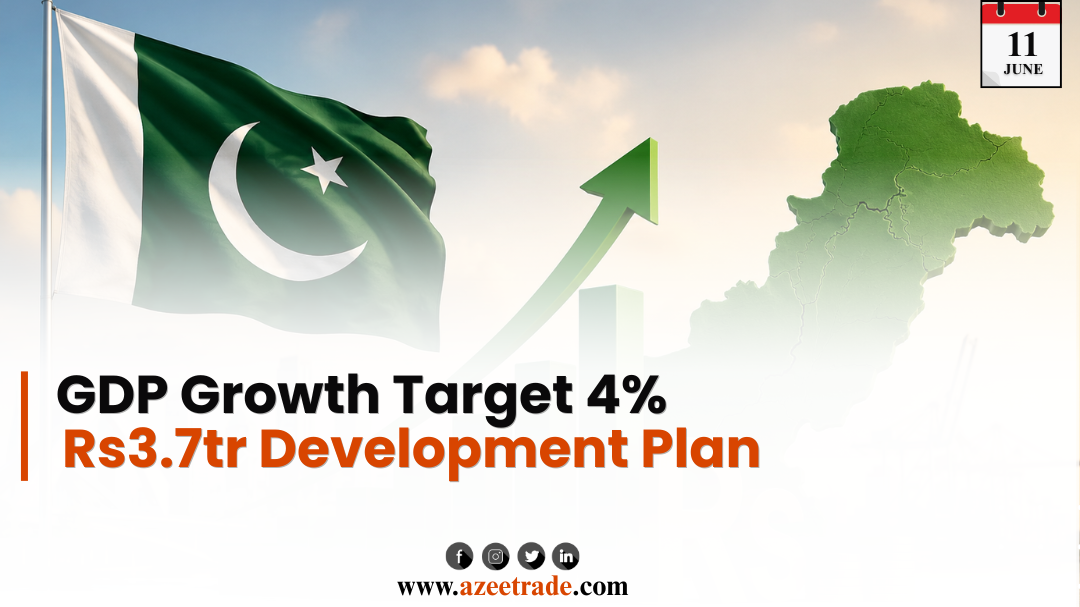
Pakistan's economy expanded by 3.7% during FY2025-26, marking its strongest growth in four years, with the country's nominal GDP reaching $452.1 billion. Economic expansion was broad-based across agriculture, industry, and services despite external challenges and weather-related disruptions earlier in the year.
Fiscal indicators also continued to improve. During July-April FY2025-26, the government recorded a primary surplus of 3.5% of GDP, while the overall fiscal deficit narrowed significantly to 1.1% of GDP. Revenue collection remained strong, with FBR tax receipts increasing by 9.7%, supported by growth in both direct and indirect taxes.
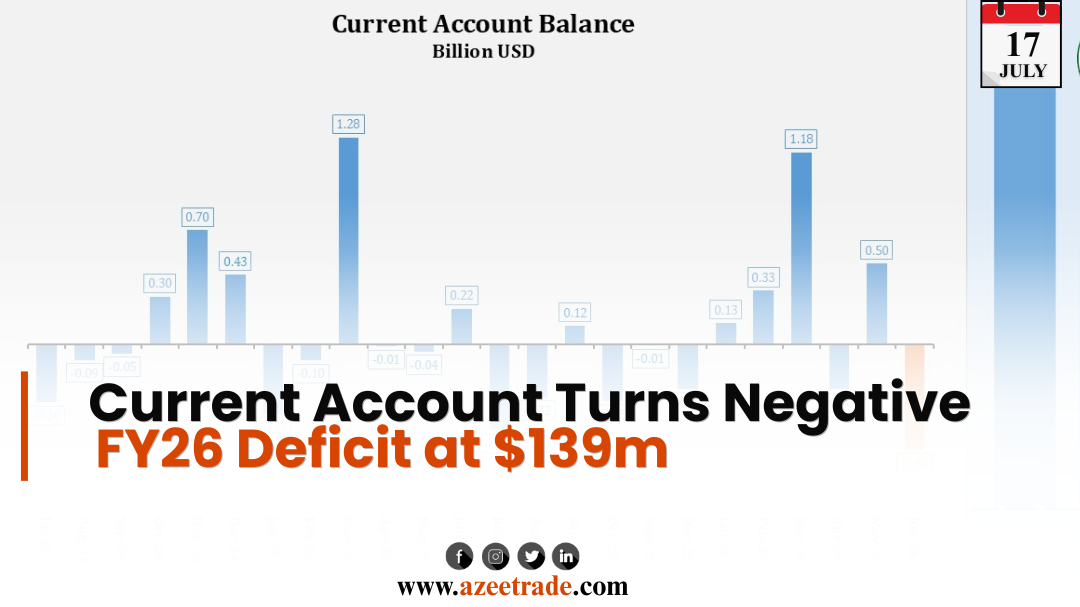
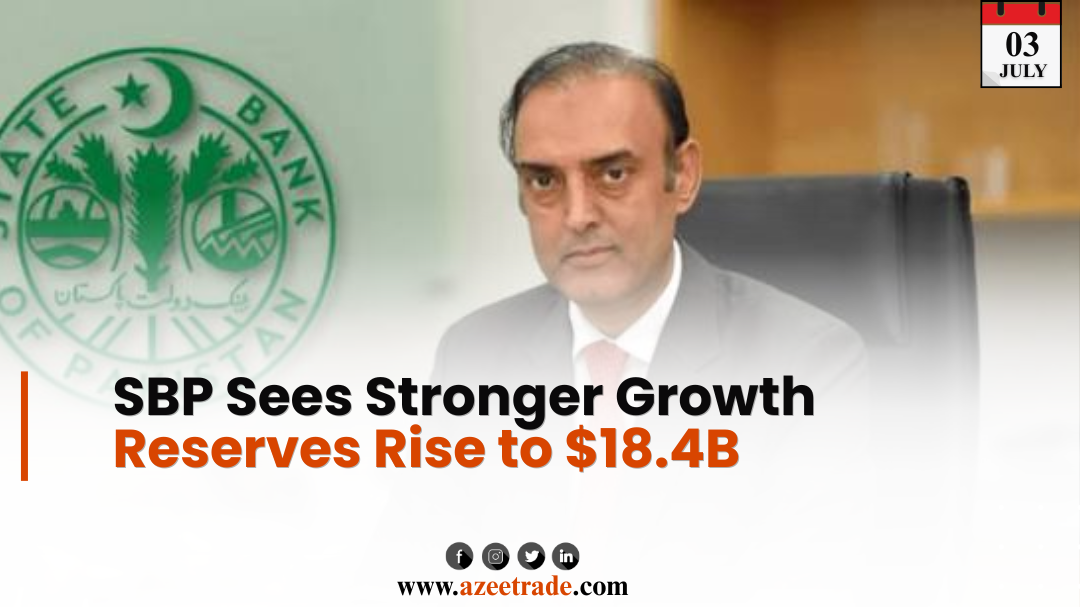
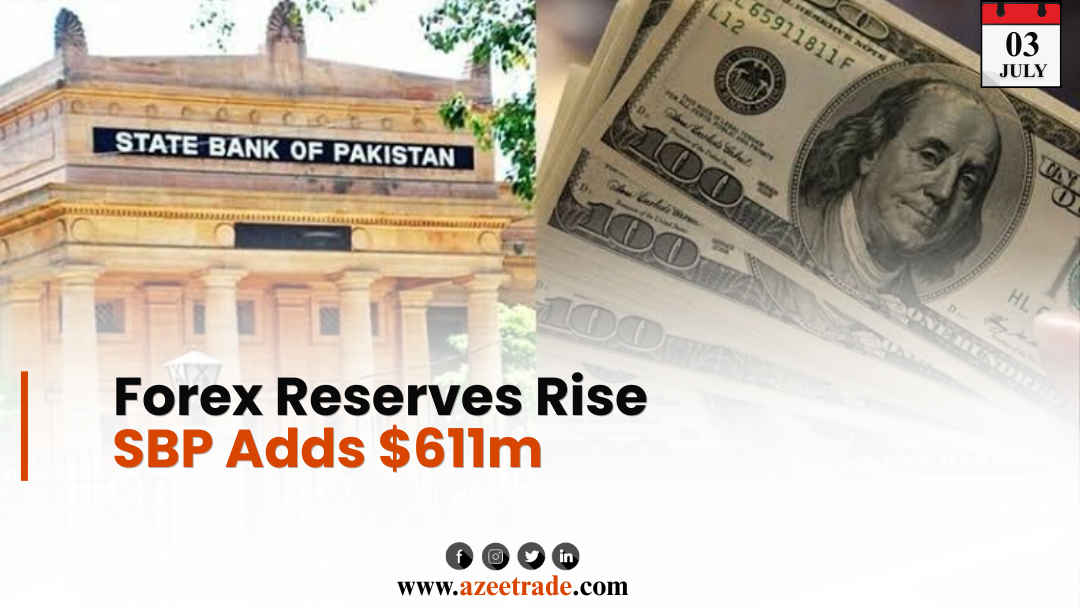
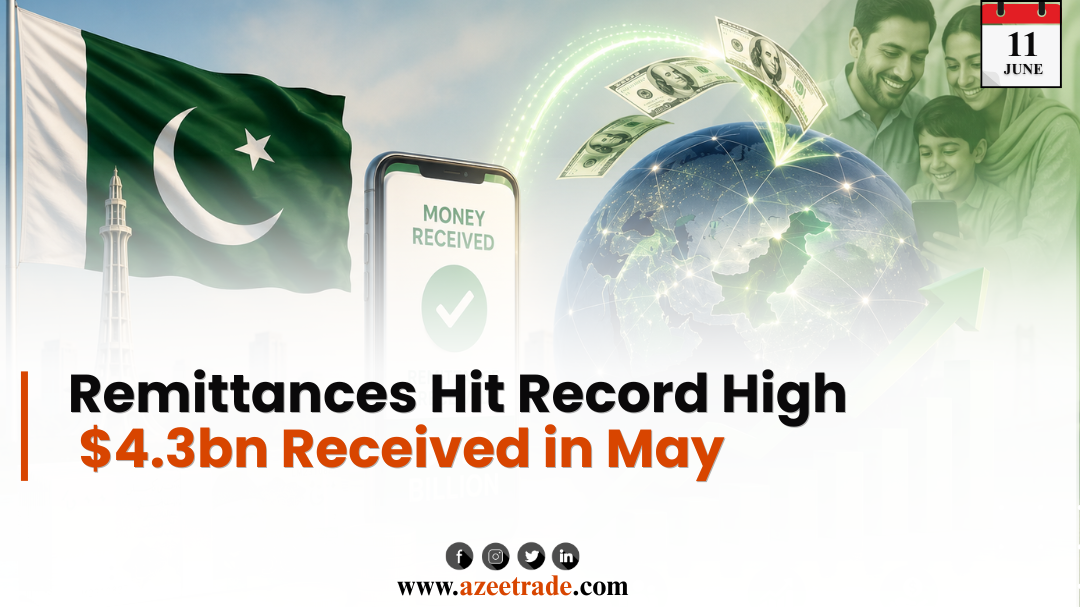
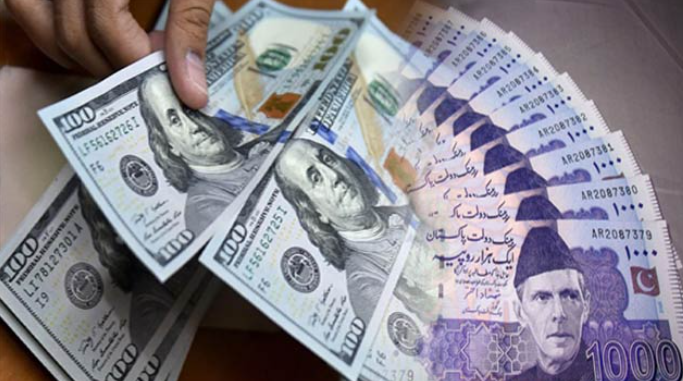
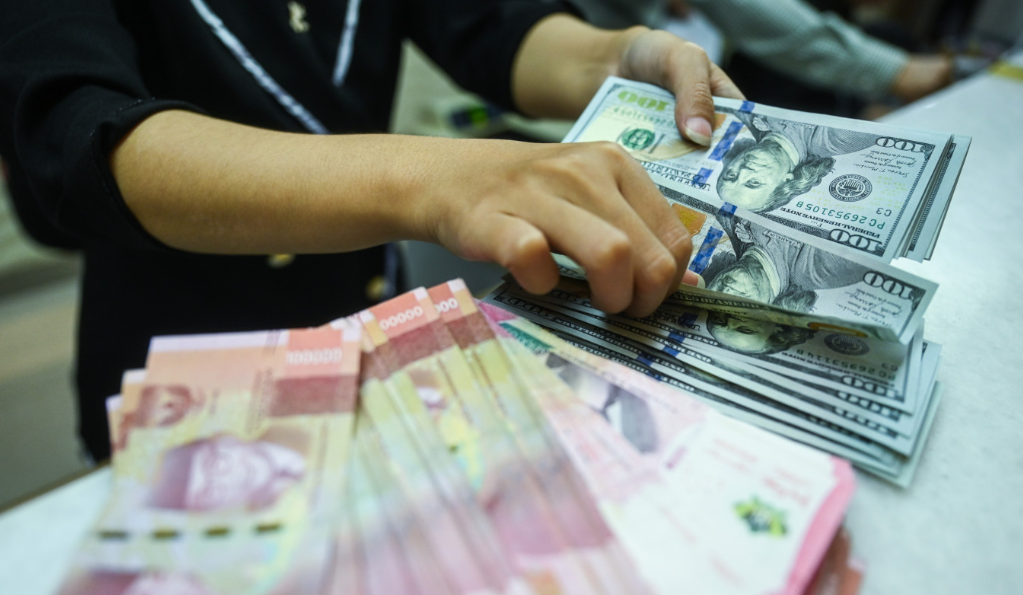
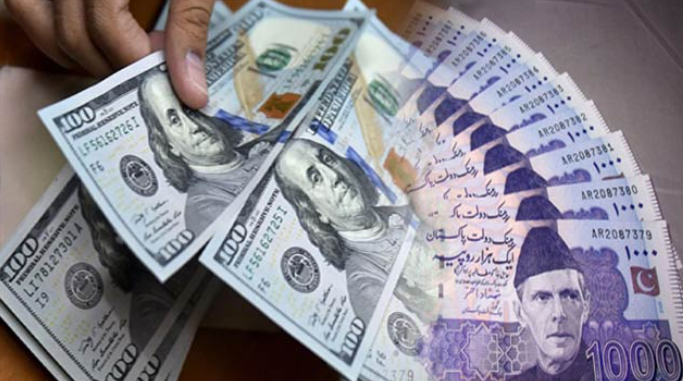
Pakistan's external sector also showed resilience. The current account posted a surplus of $255 million during July-May FY2025-26, while workers' remittances rose 9.2% to $38.1 billion, including a record monthly inflow of $4.3 billion in May. Foreign exchange reserves stood at $21.5 billion as of June 19, with $15.9 billion held by the State Bank of Pakistan.
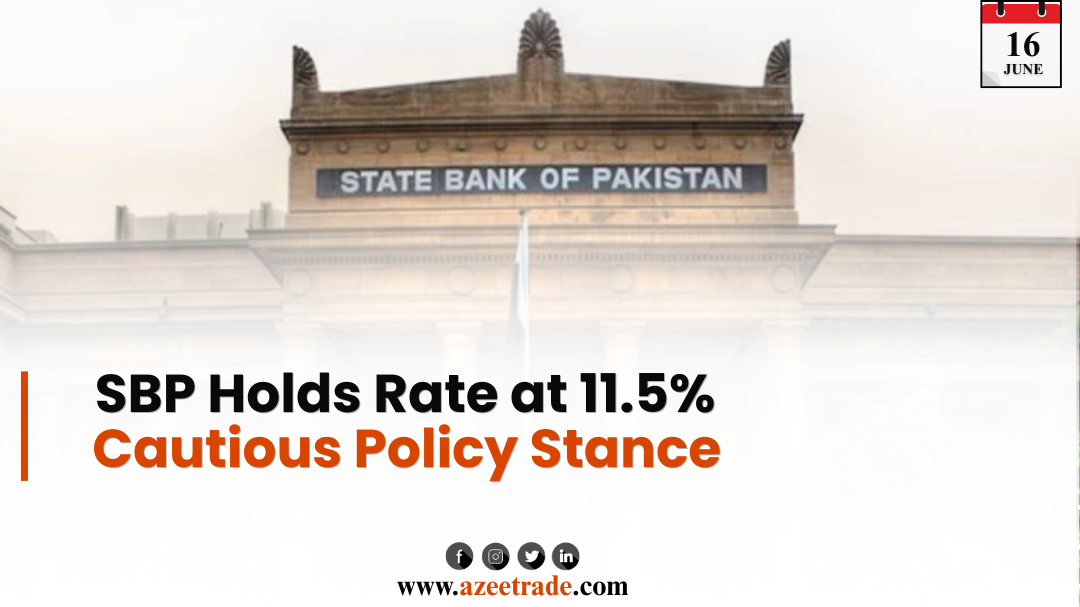
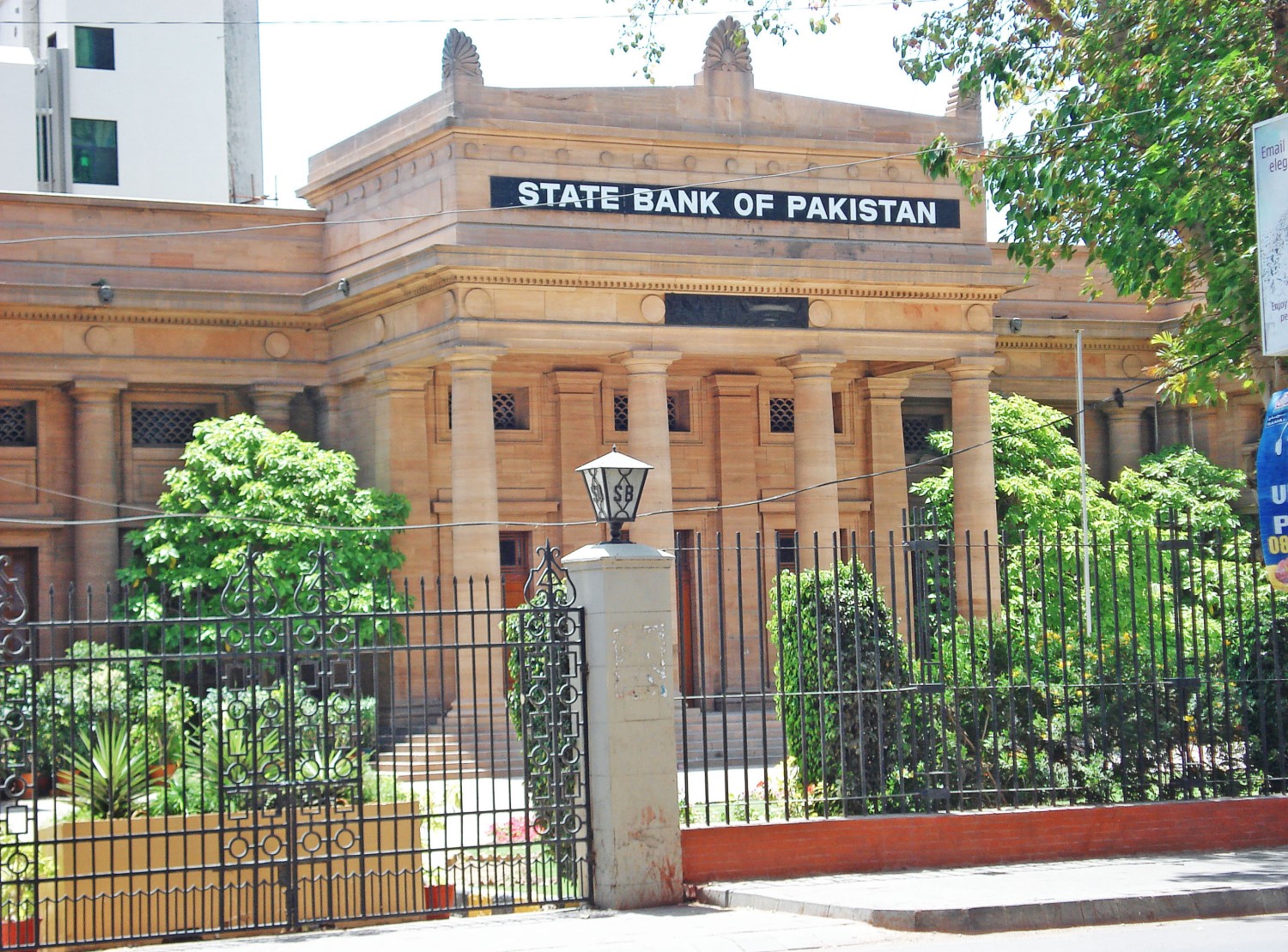
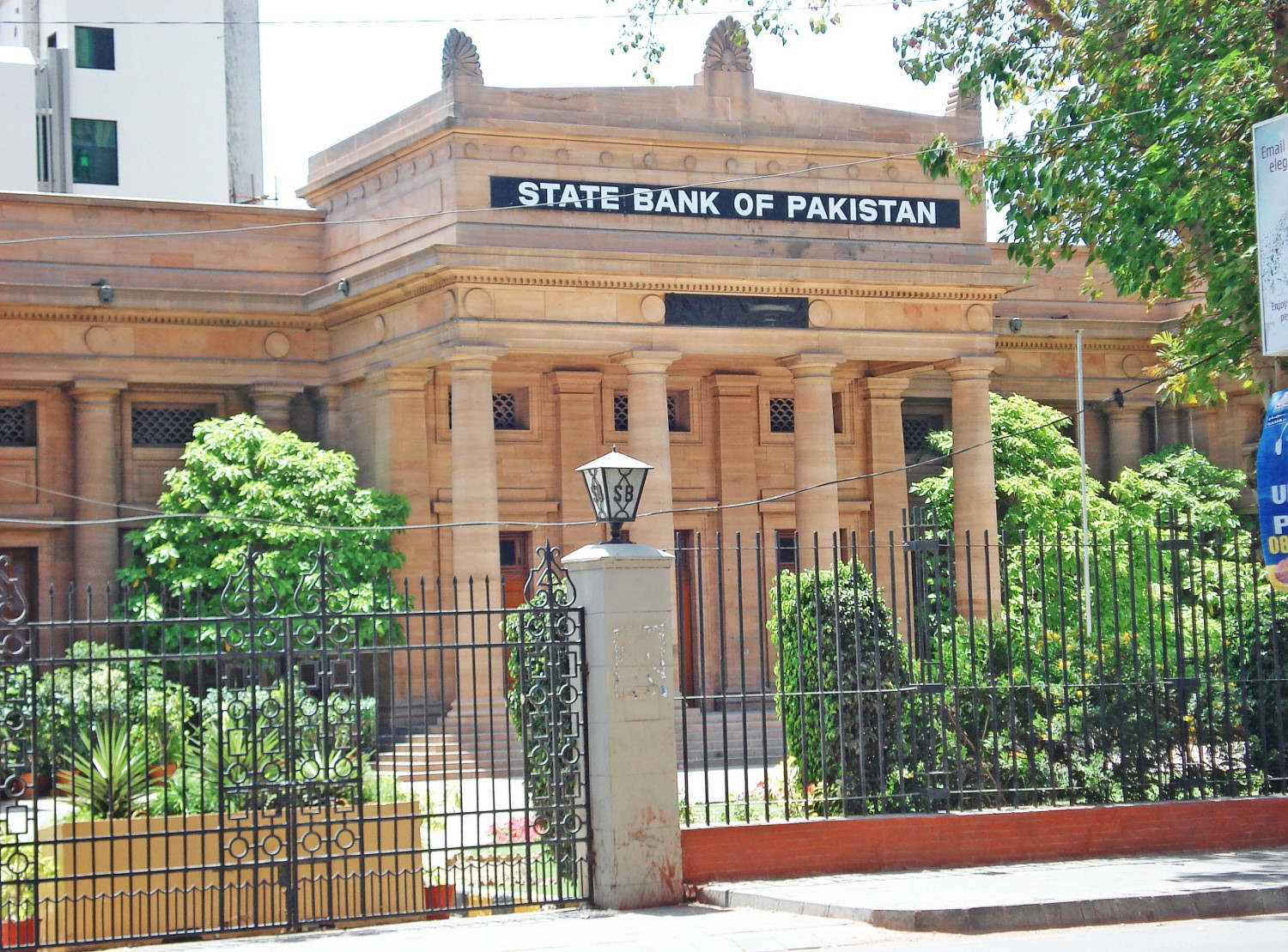
On the monetary front, the State Bank of Pakistan maintained the policy rate at 11.5% during its June monetary policy meeting, citing manageable external sector conditions despite a modest increase in inflationary pressures.
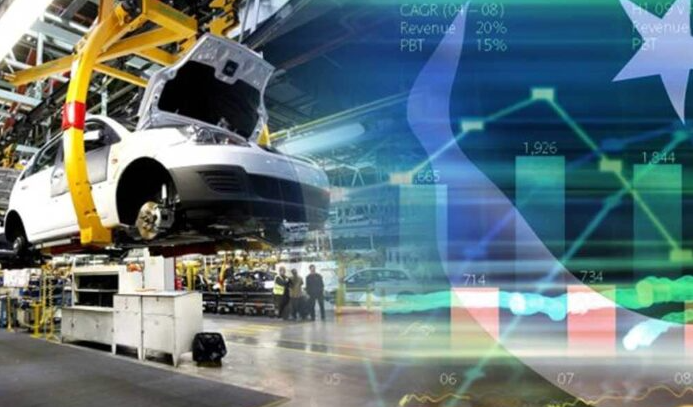
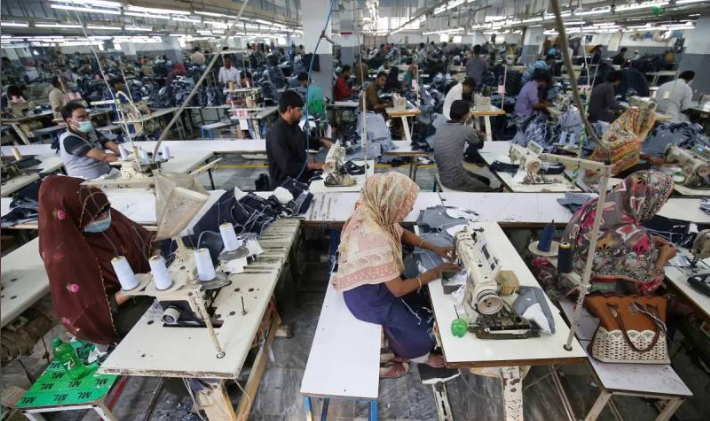
Industrial activity continued to strengthen, with Large-Scale Manufacturing (LSM) expanding 6.4% during July-April FY2025-26, led by automobiles, food products, garments, and petroleum-related industries.
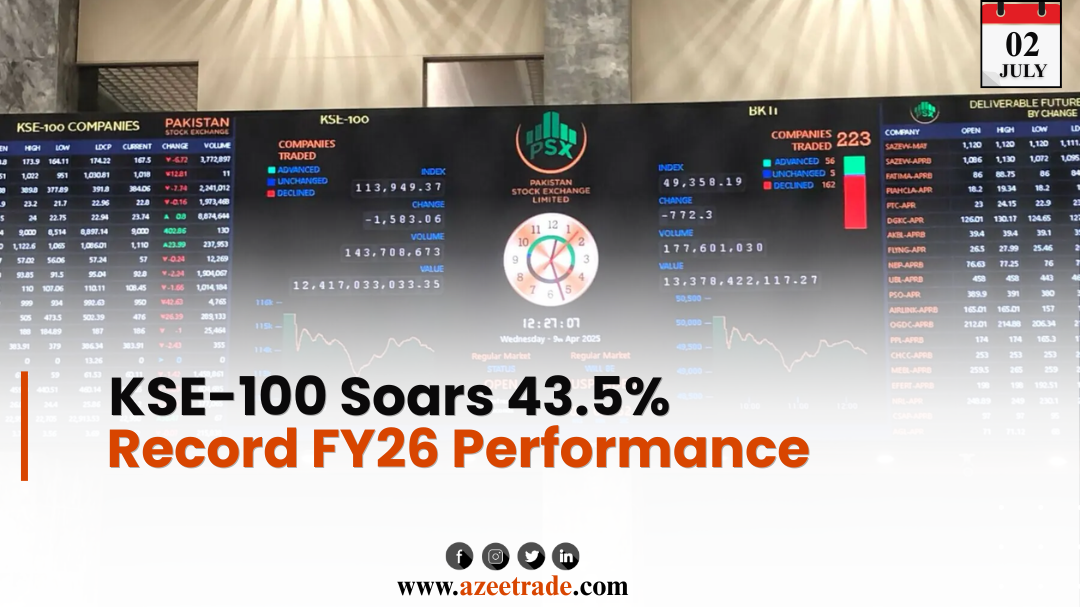
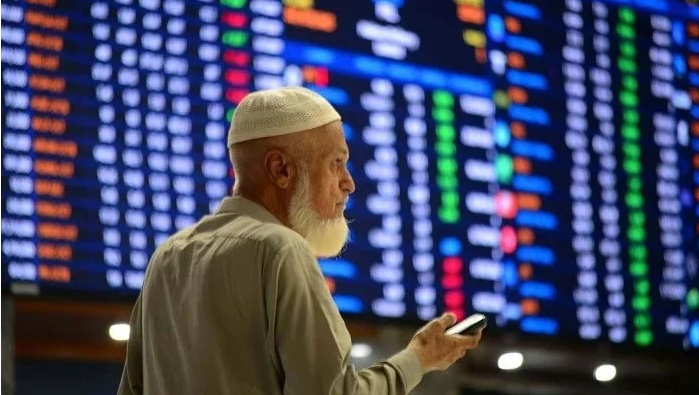
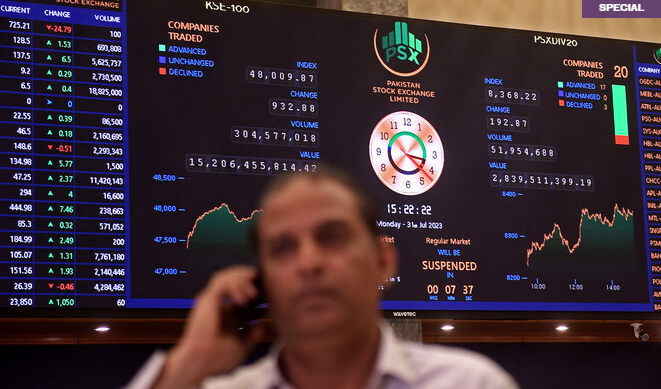
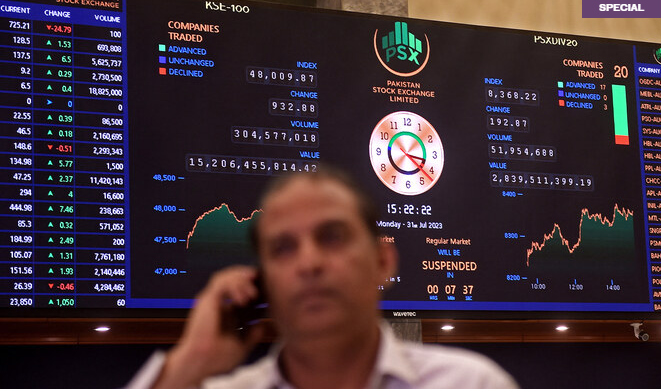
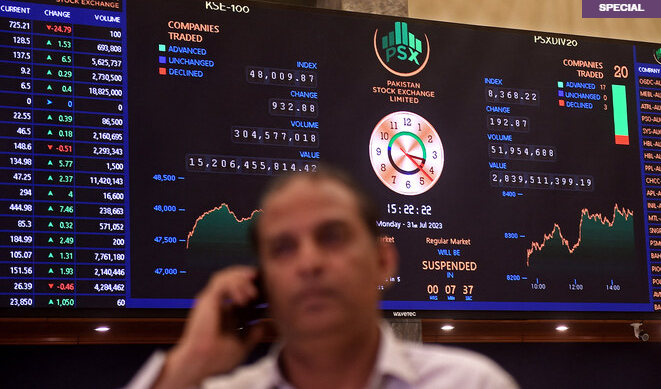
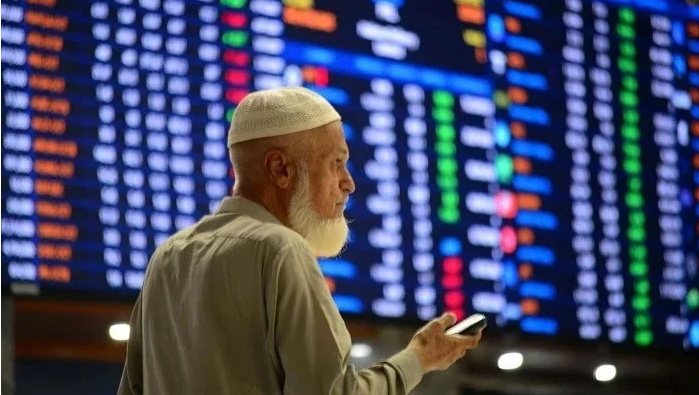
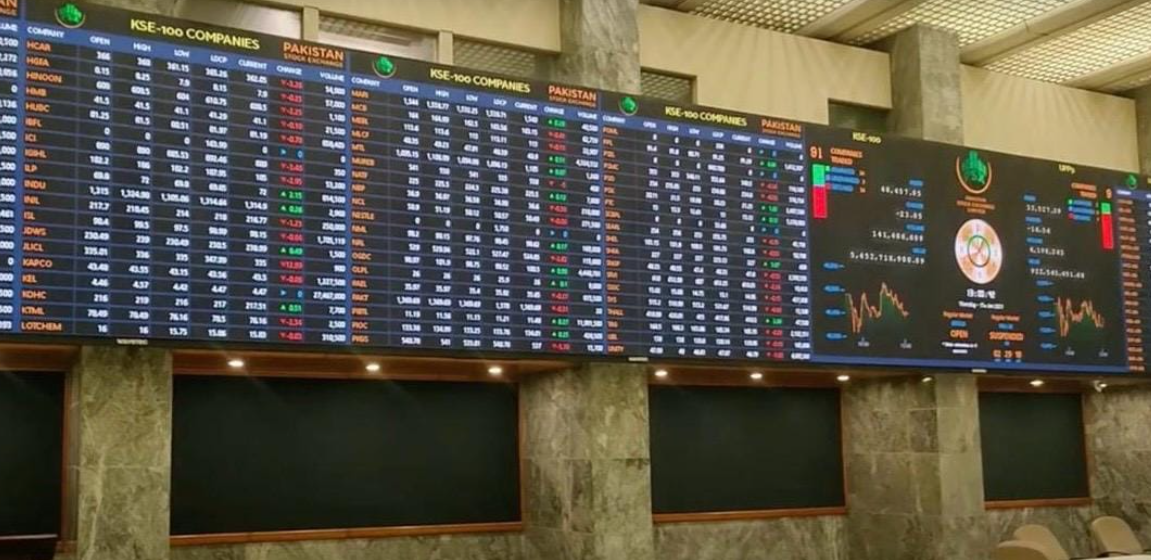
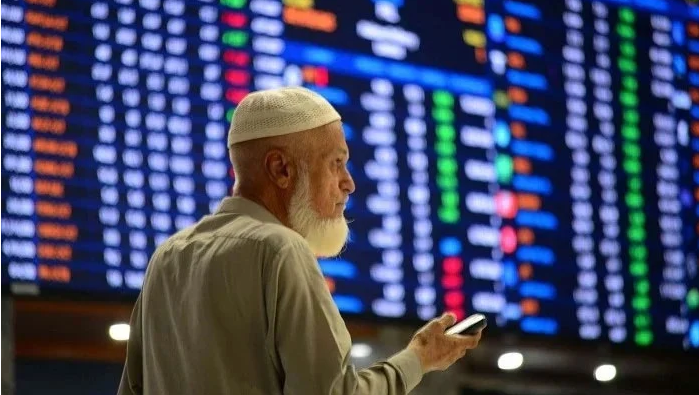
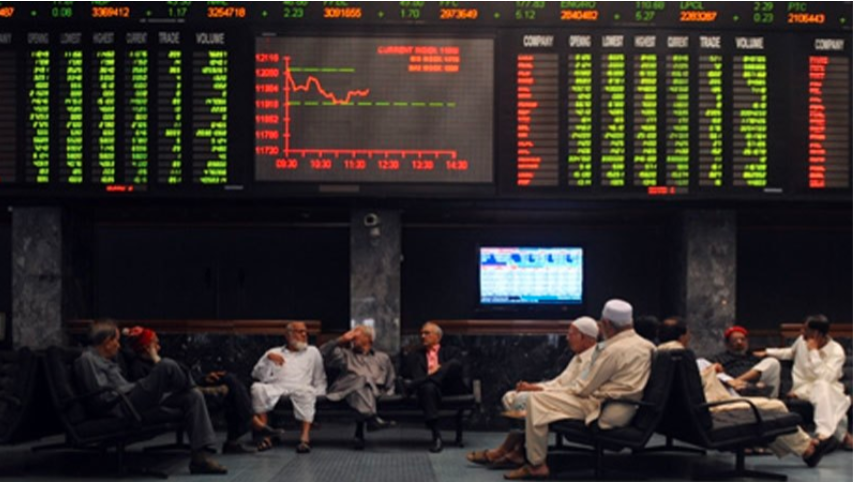
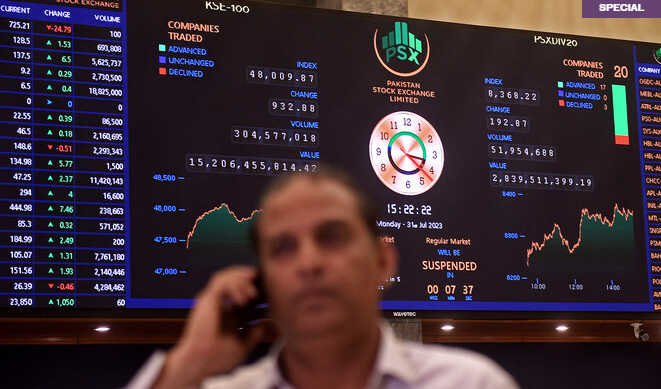
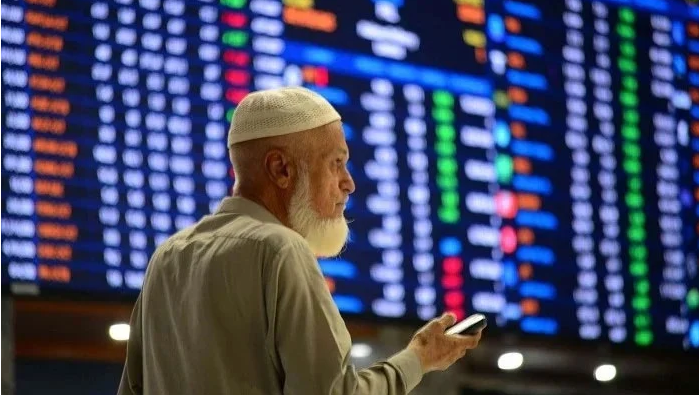
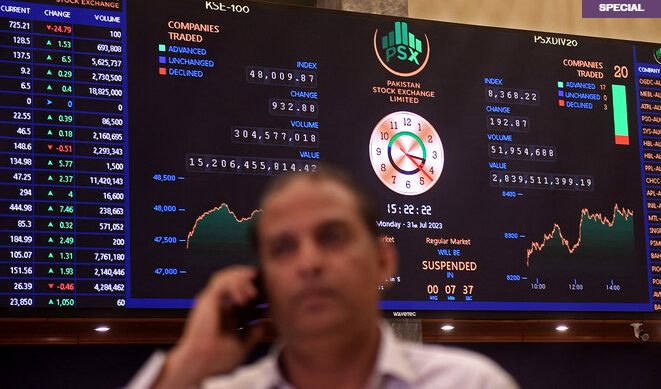
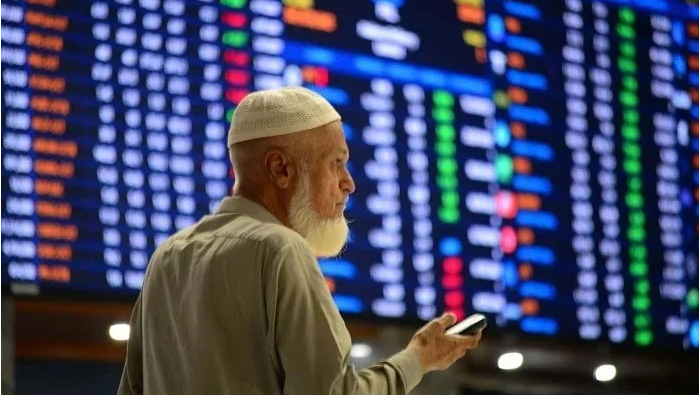
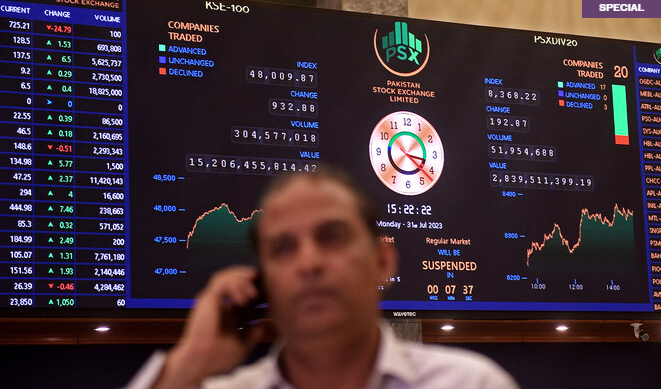
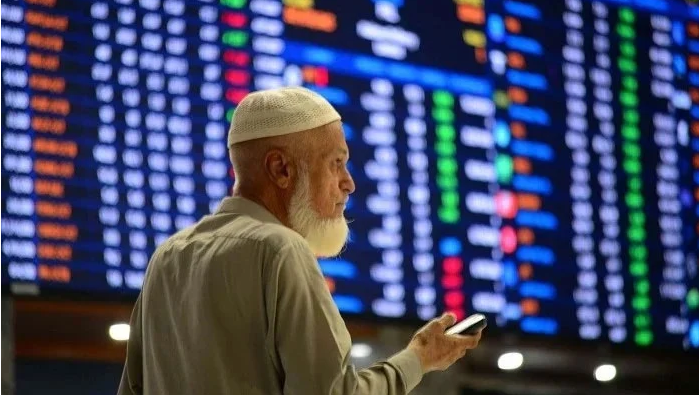
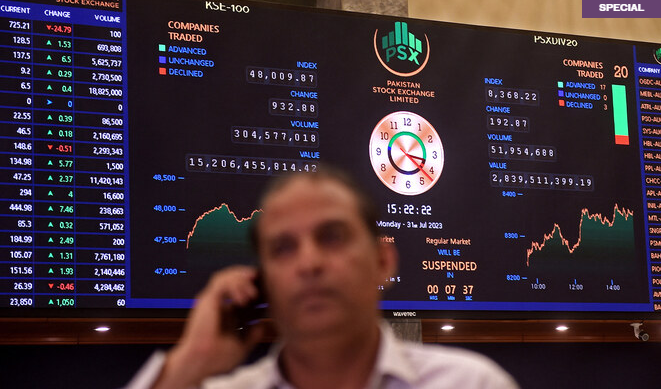
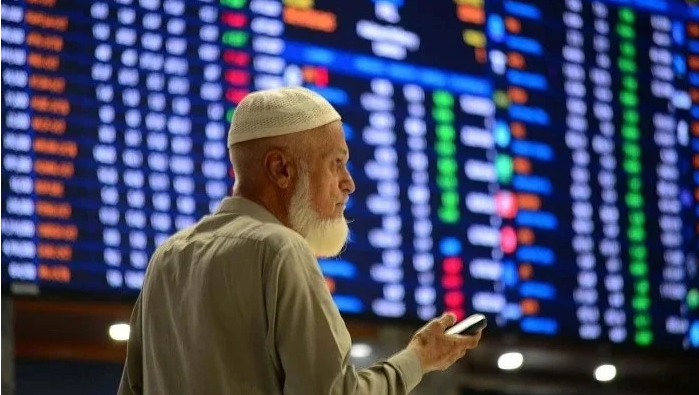
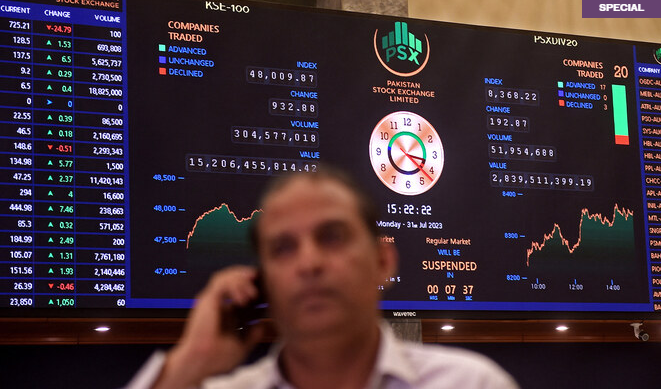
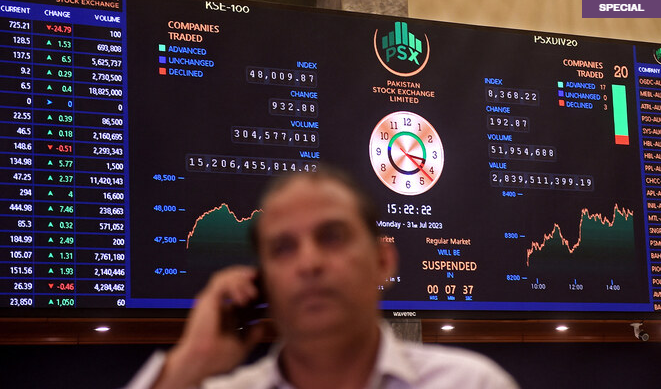
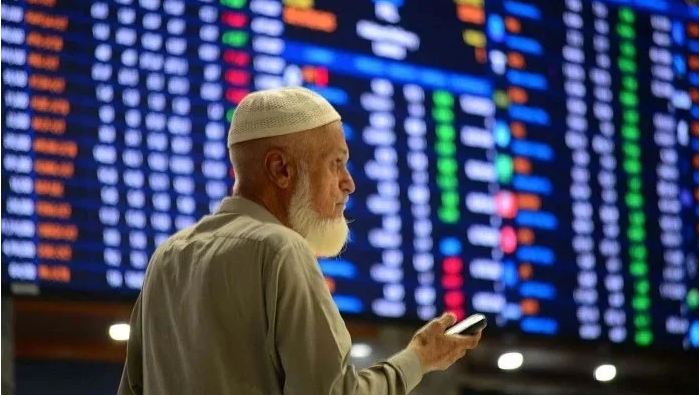
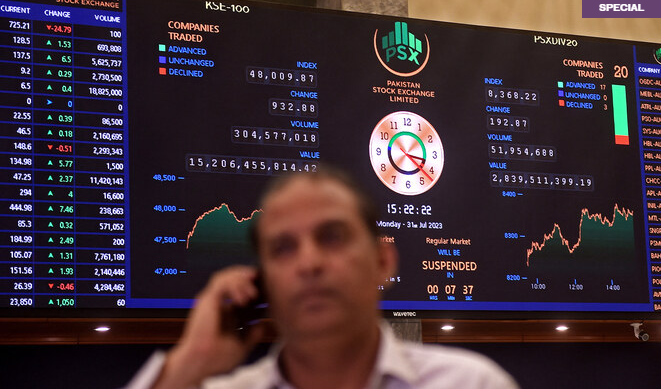
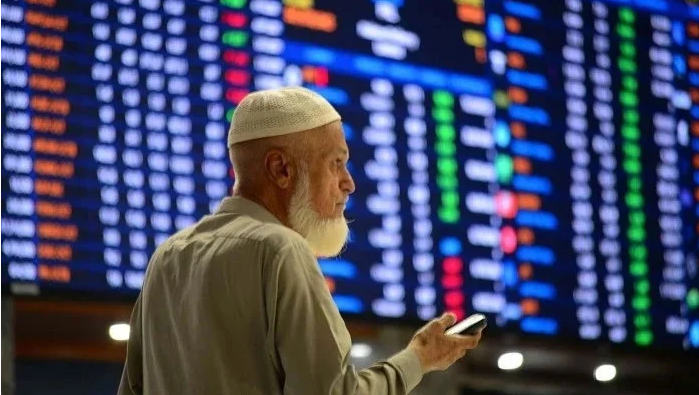
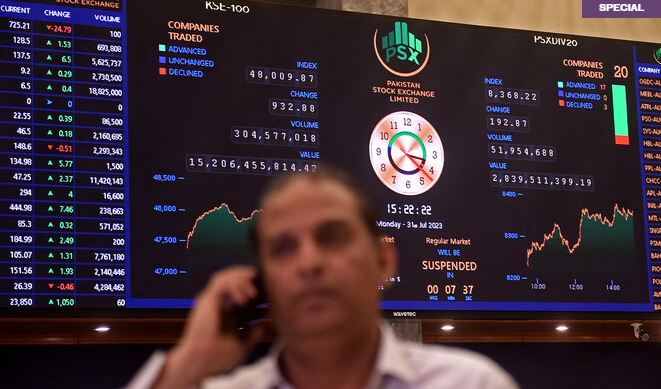
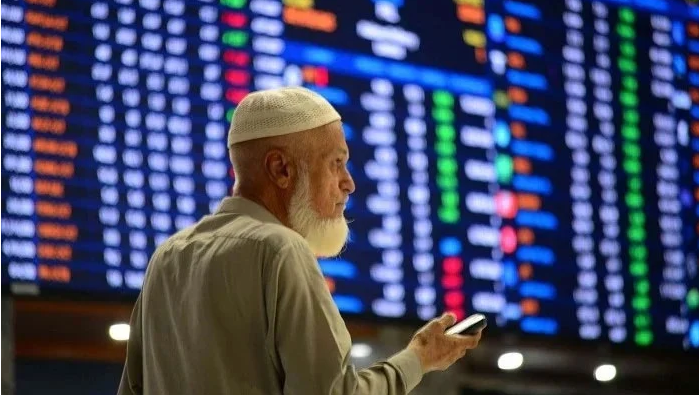
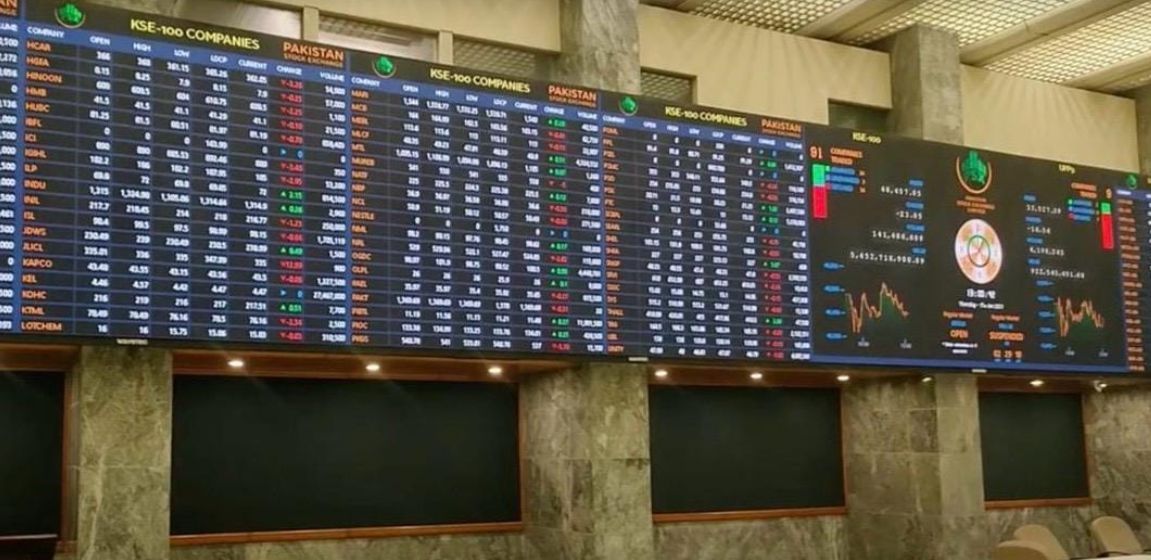
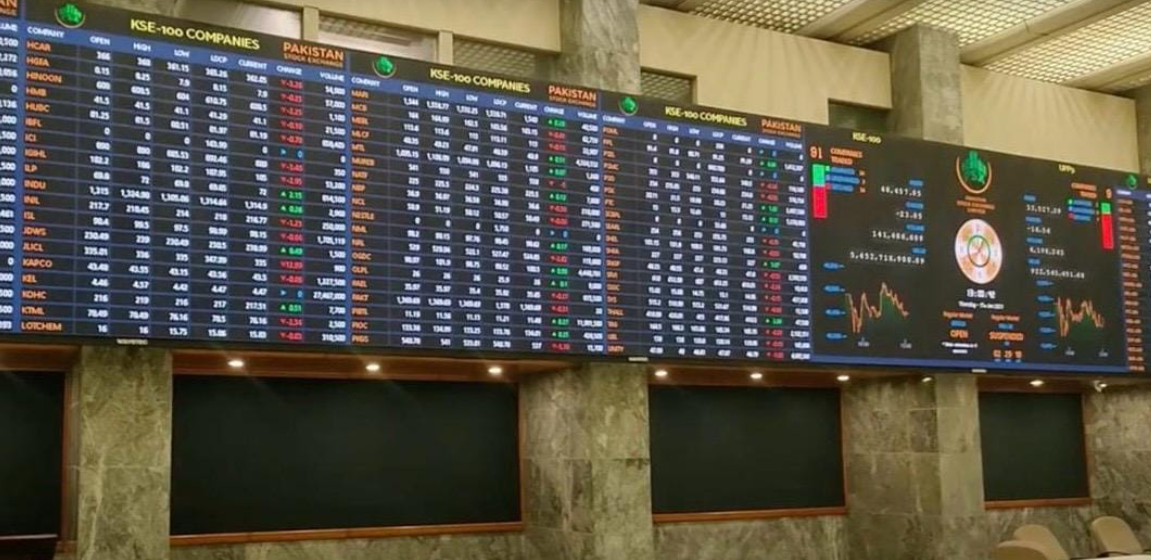
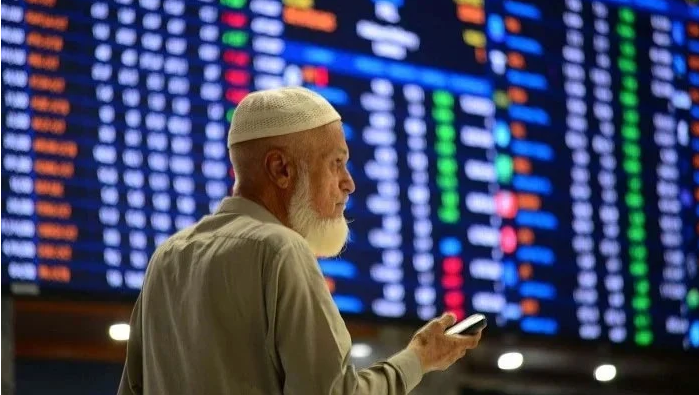
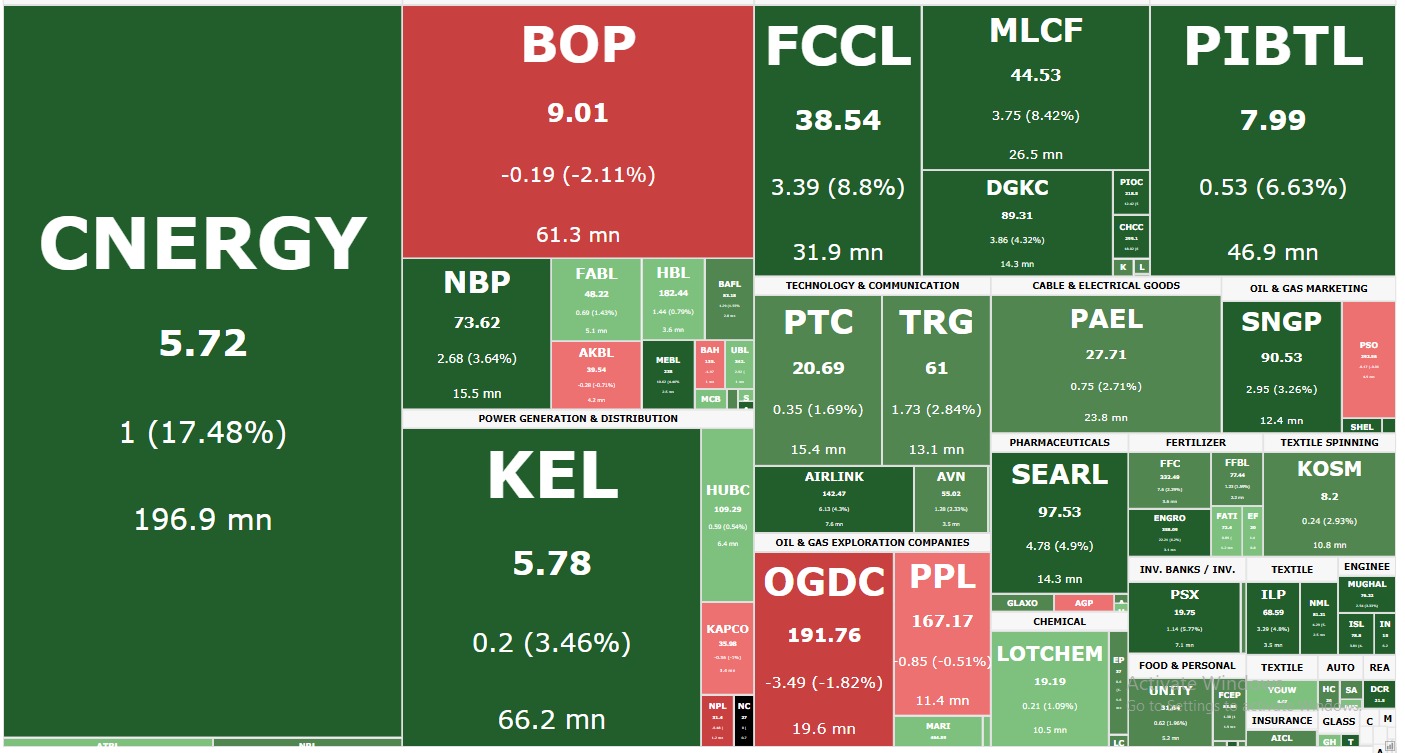
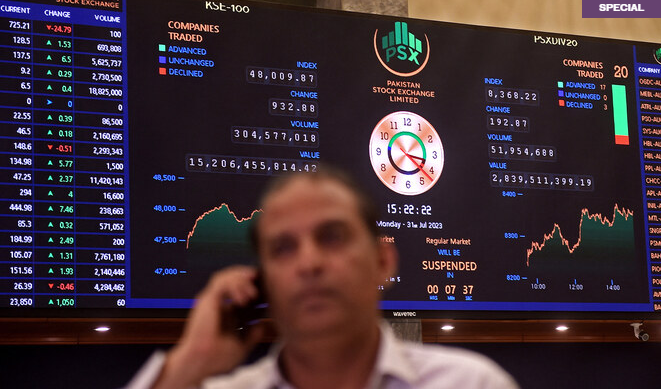
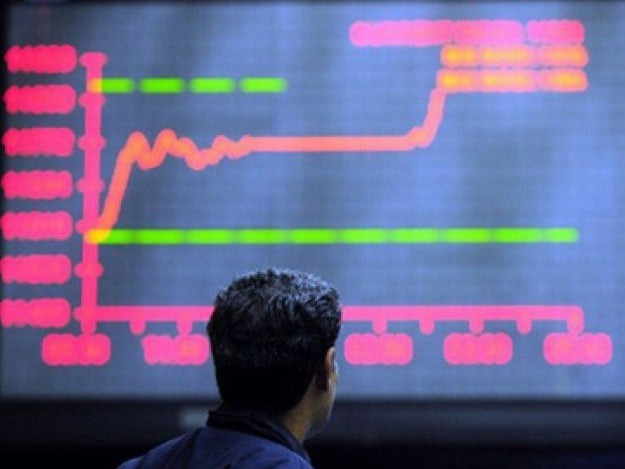
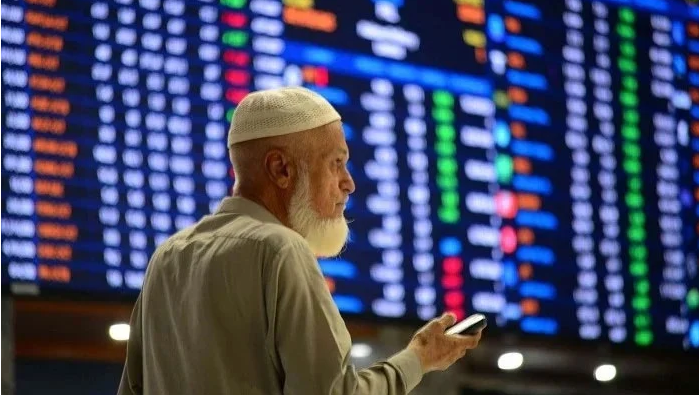
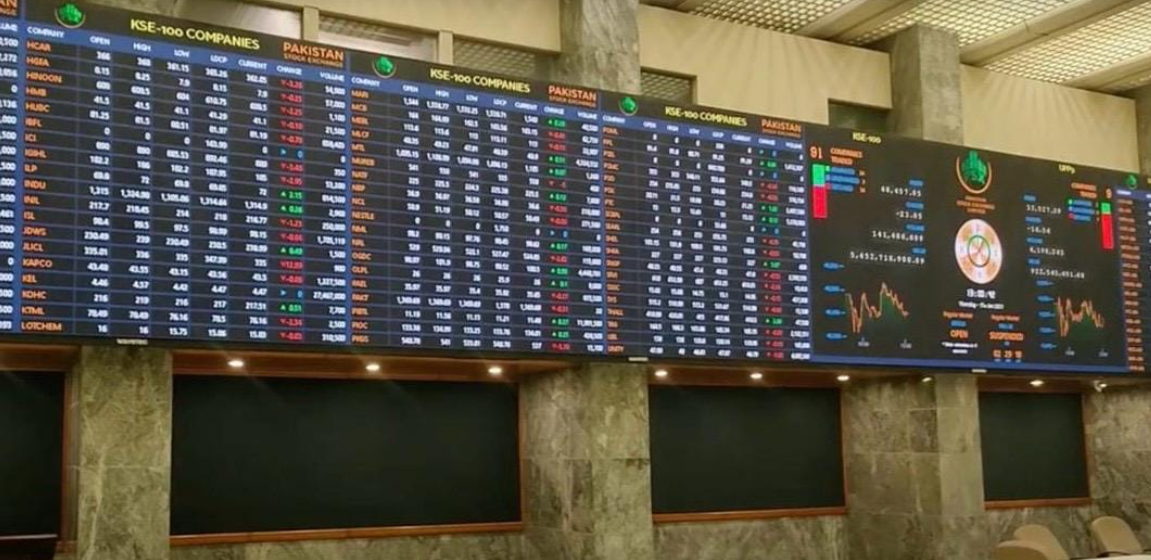
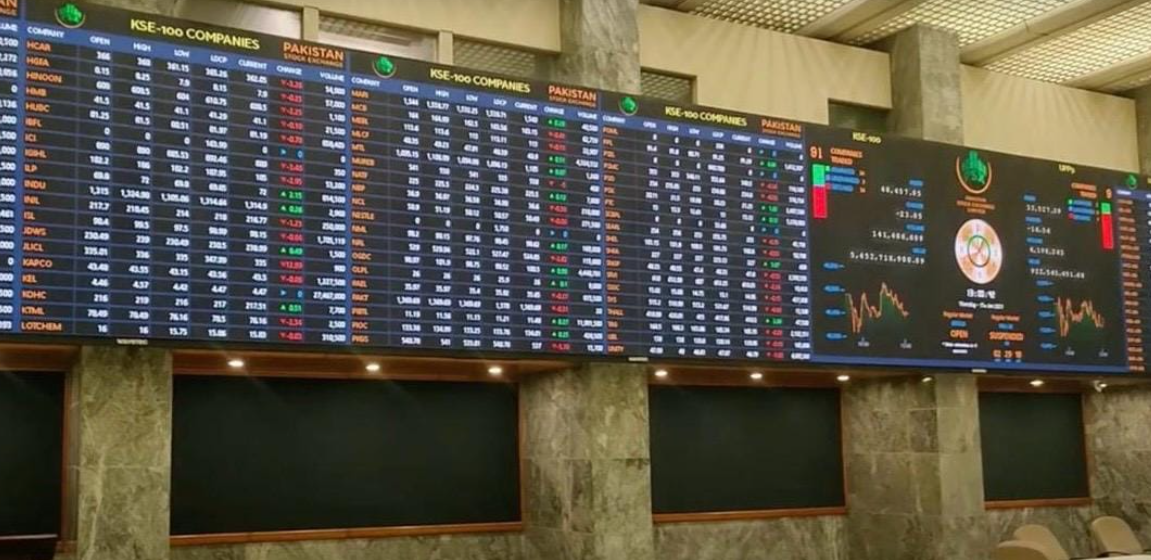
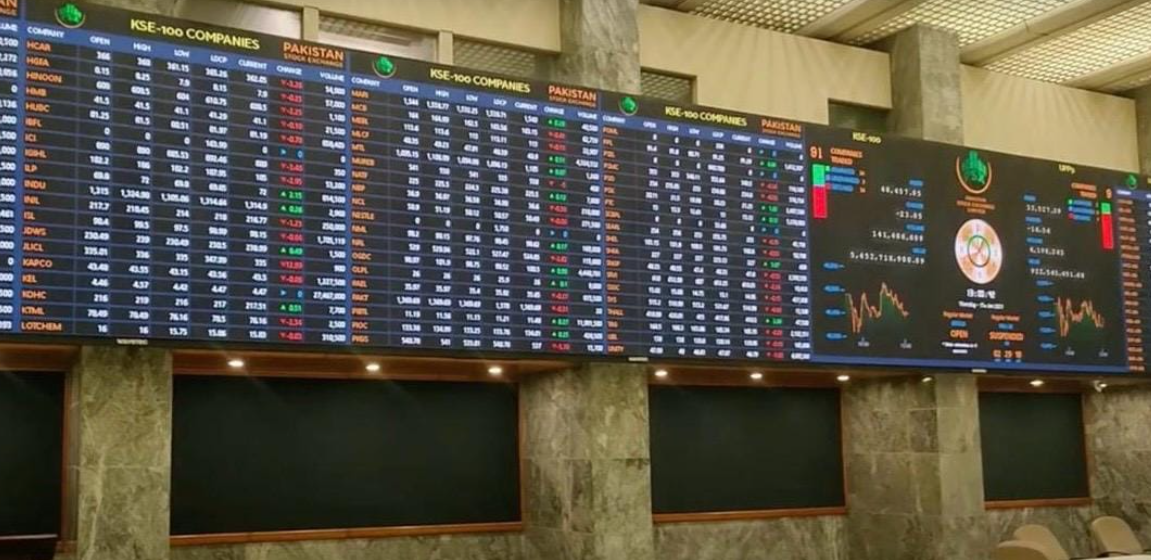
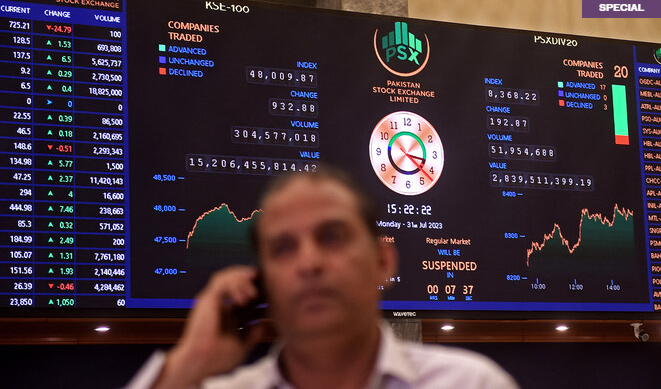
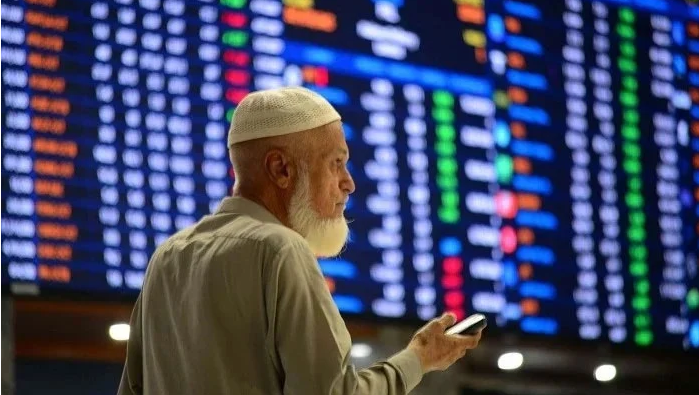
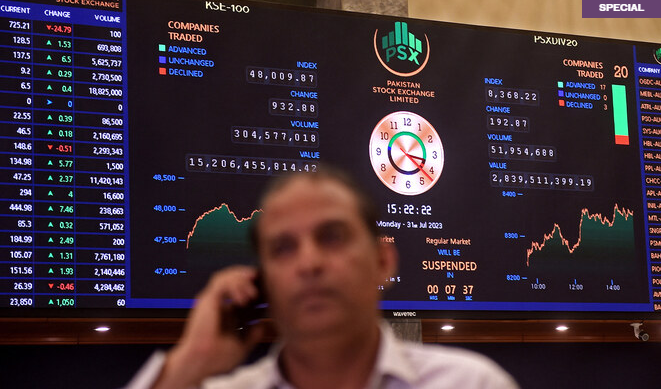
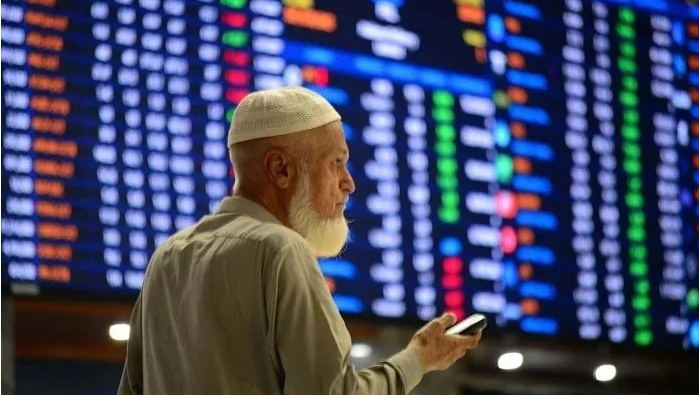
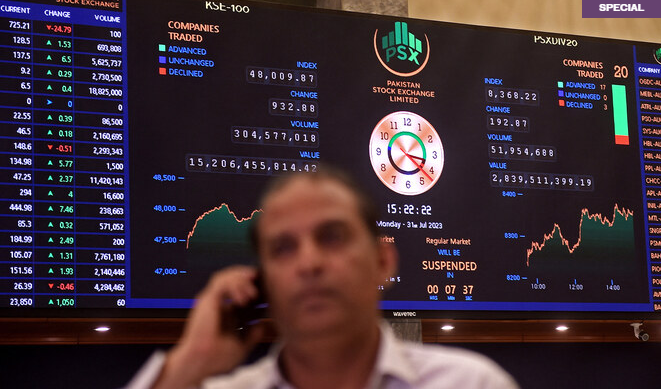
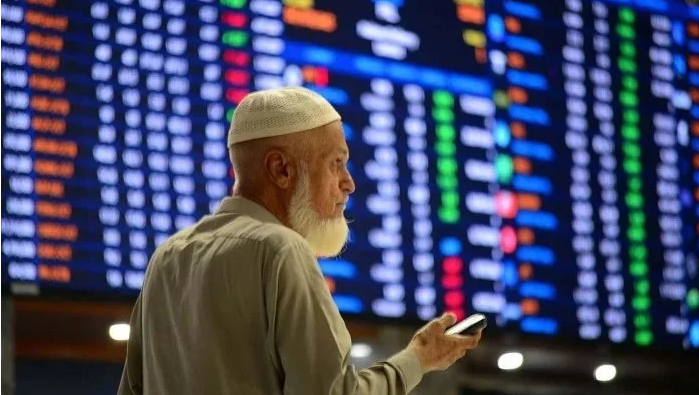
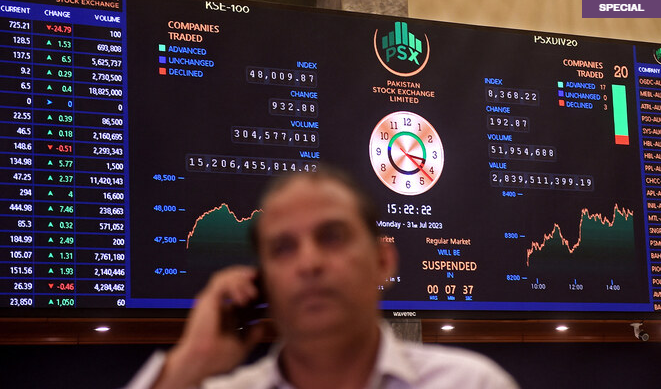
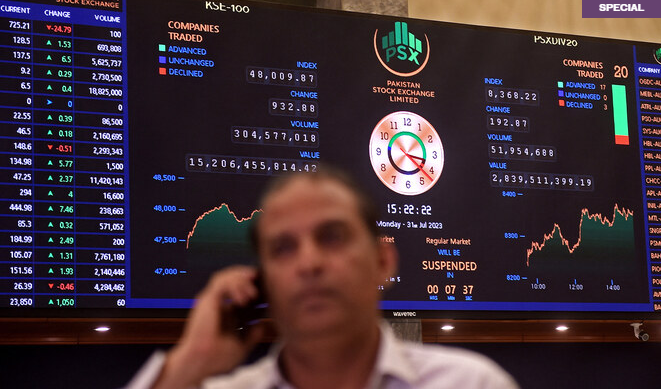
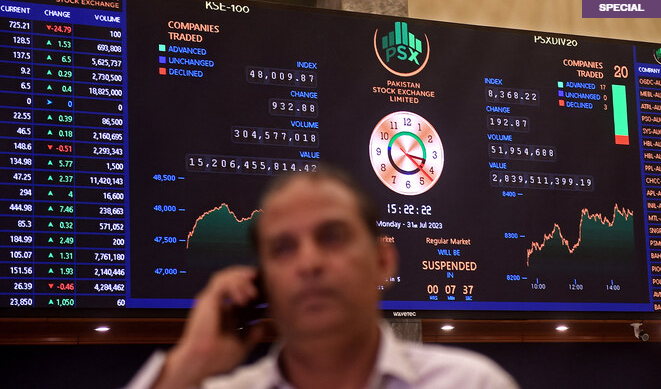
Investor sentiment also remained positive, with the KSE-100 Index gaining nearly 11,000 points during May as easing geopolitical tensions, continued support under the IMF programme, and sovereign credit rating upgrades boosted confidence in Pakistan's financial markets.
The Finance Division stated that the government's continued commitment to macroeconomic reforms, fiscal consolidation, and structural improvements has strengthened Pakistan's economic outlook, while cautioning that global risks—including commodity price volatility, geopolitical developments, and trade uncertainties—continue to warrant close monitoring.






































-falls-to-rs43.57tr)























































-rises-to-rs44.35-trillion)









-surges-to-rs44.23-trillion-as-bank-deposits-jump)



























-falls-weekonweek-to-rs40.95tr)







































































-ltd-reports-strong-halfyearly-results-–-profit-surged)













































)






Add a comment