 (1).png)
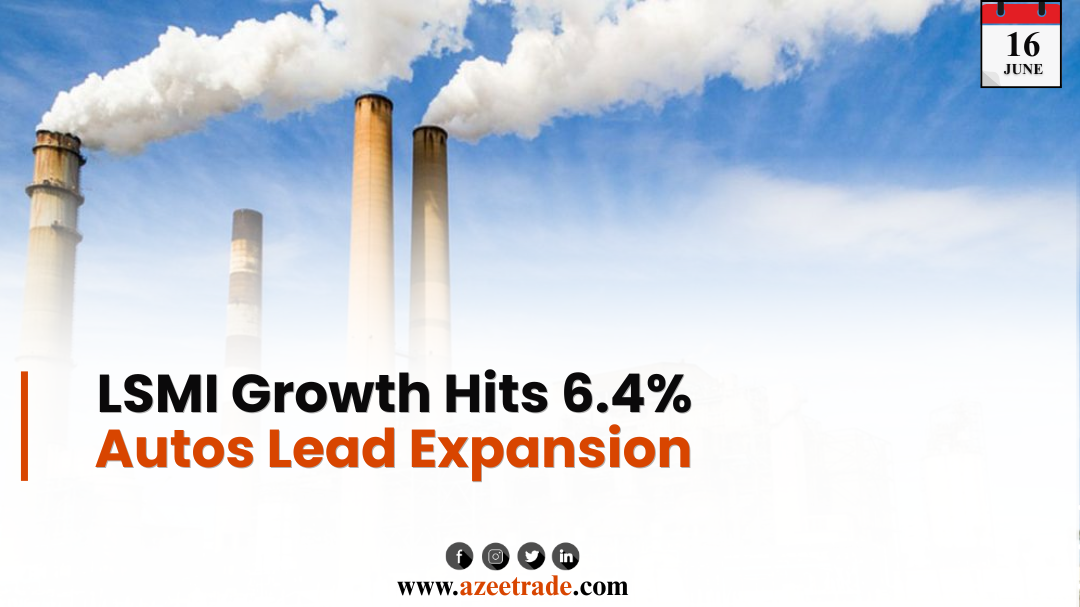
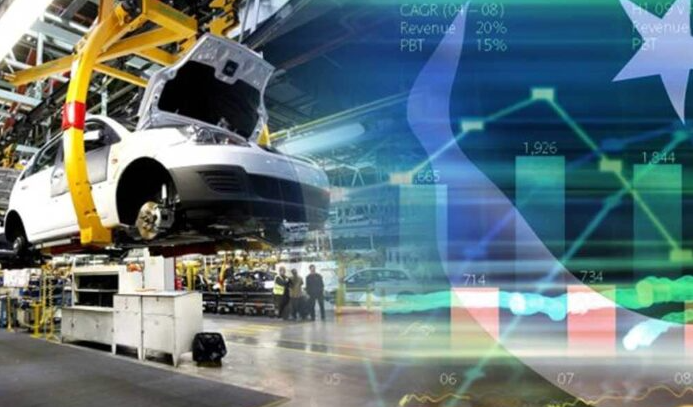
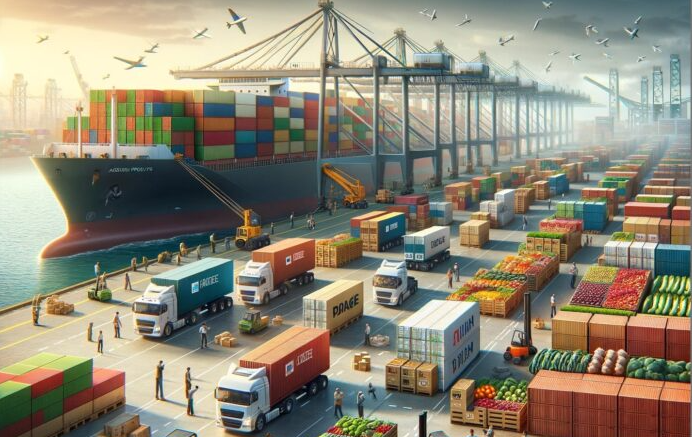
Pakistan’s large-scale manufacturing sector (LSMI) continued its recovery trajectory in April 2026, posting solid growth driven by strong performances in automobiles, garments, petroleum products, and food-related industries.
According to provisional data, the Quantum Index of Manufacturing (QIM) stood at 114.56 in April 2026. Large-scale manufacturing output increased by 6.06% on a year-on-year basis, although production declined 8.32% compared to March due to monthly fluctuations across key industries.
On a cumulative basis, the sector expanded by 6.44% during the first ten months of FY2025-26, with the average QIM rising to 122.19 compared to 114.79 recorded in the corresponding period of the previous fiscal year.
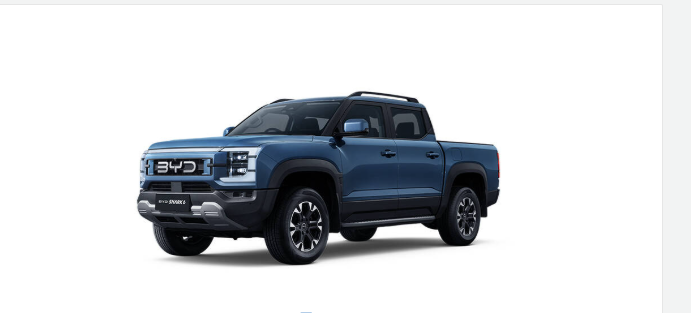
The automobile industry remained the strongest growth driver, registering an impressive 83.88% increase in April and a cumulative growth of 64.33% during July-April FY26. The sector continued to benefit from improving consumer demand, lower financing costs, and higher production volumes.
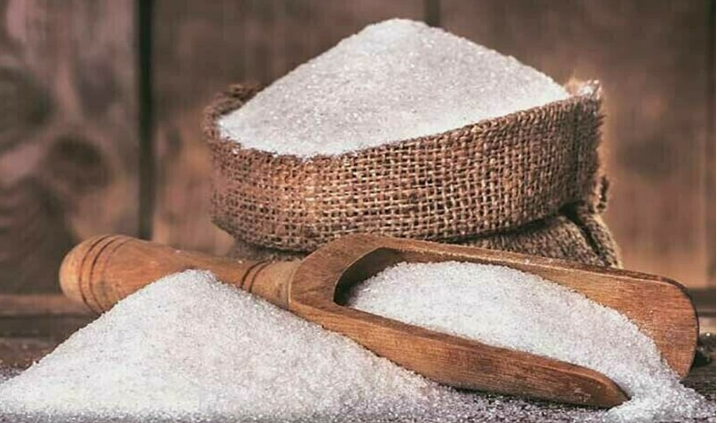
The food sector also contributed significantly to overall industrial growth, with sugar production recording an exceptional increase during April and cumulative growth of 31.60% over the ten-month period.
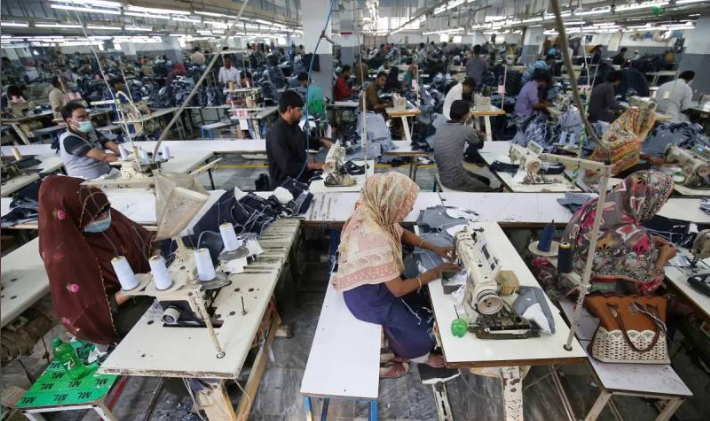
Garments maintained positive momentum, growing 15.18% in April and 7.34% during the fiscal year to date, reflecting continued resilience in Pakistan’s value-added textile exports. Petroleum products also posted a 3.83% increase in April, taking cumulative sector growth to 10.04%.
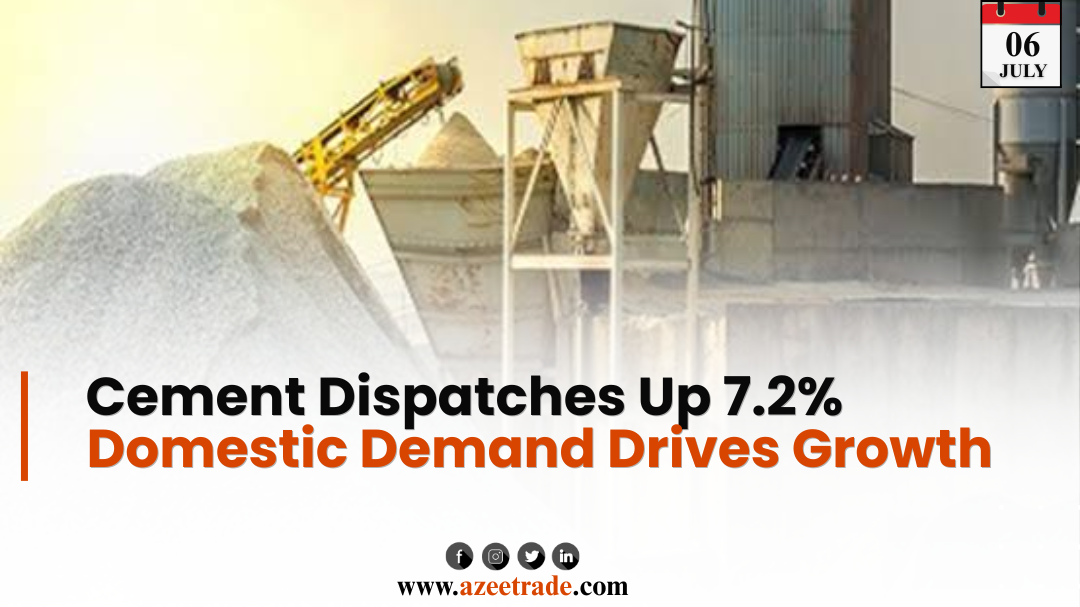
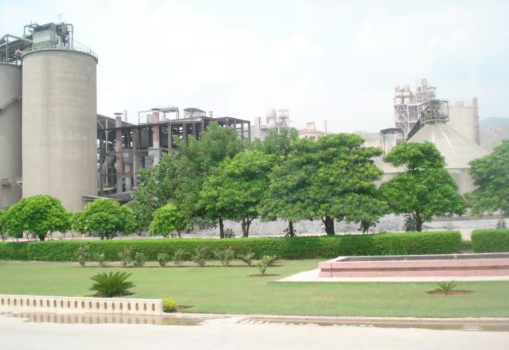
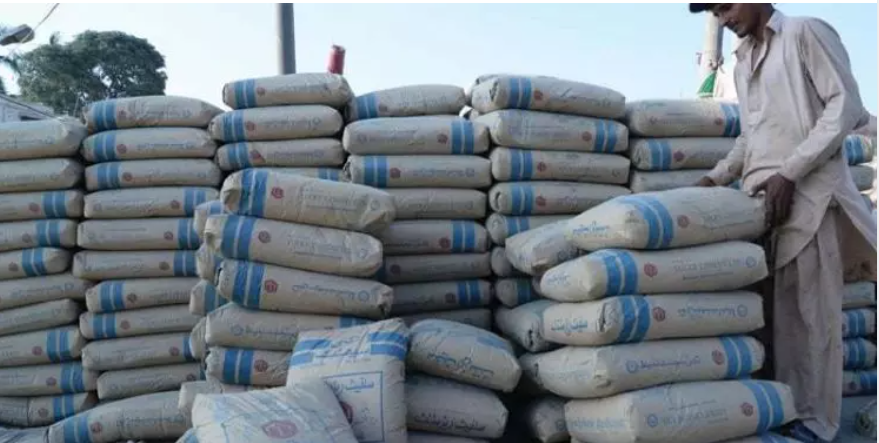
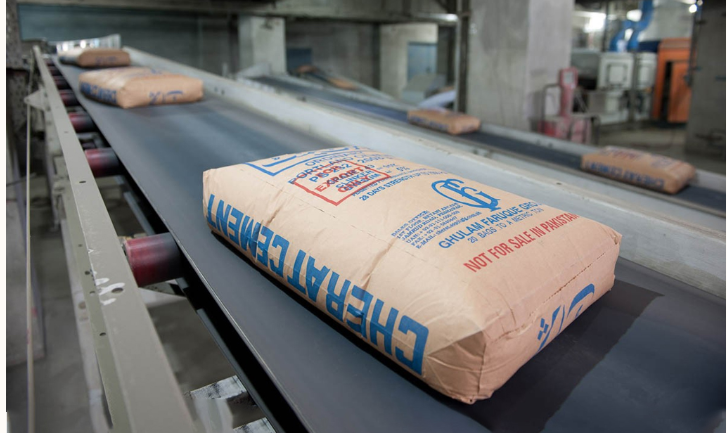
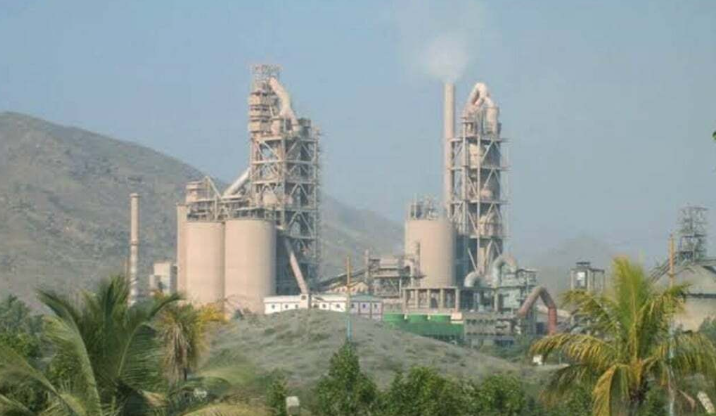
Meanwhile, cement production rose 9.11% during April and 9.13% cumulatively, supported by construction activity and infrastructure-related demand.
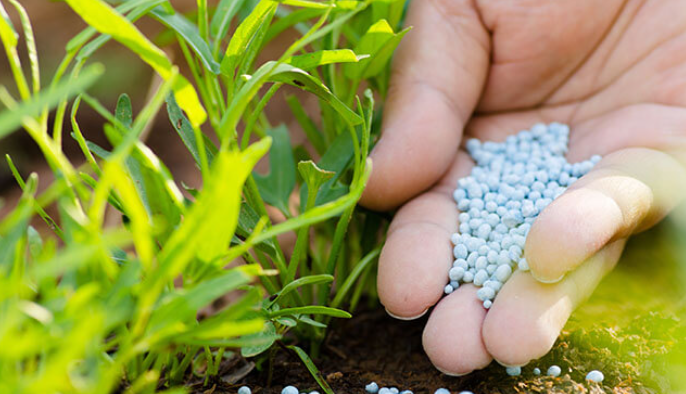
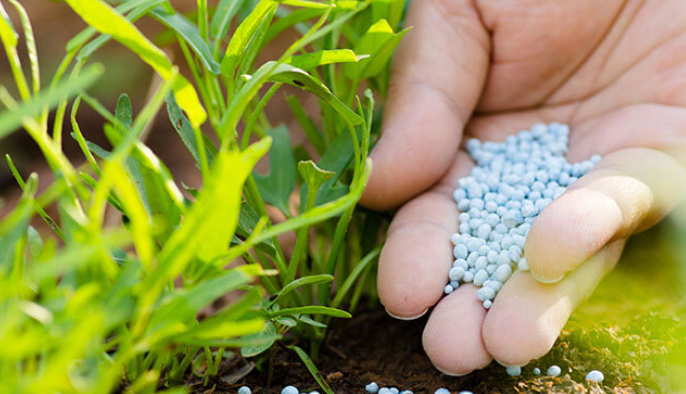
Despite the overall positive trend, several sectors remained under pressure. Iron and steel production declined 12.88% during April and 6.98% cumulatively, while fertilizer output fell 10.55% during the month, extending its fiscal-year contraction to 1.98%. Cotton yarn production also recorded a modest decline.
In terms of contribution to overall manufacturing growth, automobiles emerged as the largest positive contributor, followed by food products, garments, petroleum products, electrical equipment, beverages, furniture, tobacco, and other transport equipment.
On the other hand, pharmaceuticals, iron and steel products, chemicals, textile manufacturing, leather products, and machinery sectors weighed on overall industrial performance.
The latest figures indicate that Pakistan’s manufacturing sector continues to benefit from improving economic activity and strengthening domestic demand. Strong growth in consumer-oriented industries, particularly automobiles and garments, is helping offset weakness in certain industrial and intermediate goods segments.
Analysts believe sustained growth in manufacturing will remain critical for supporting economic expansion, employment generation, exports, and overall industrial competitiveness in the coming fiscal year.




































-falls-to-rs43.57tr)



























































-rises-to-rs44.35-trillion)












-surges-to-rs44.23-trillion-as-bank-deposits-jump)




























-falls-weekonweek-to-rs40.95tr)






























































-ltd-reports-strong-halfyearly-results-–-profit-surged)













































)






Add a comment