
 (1).png)
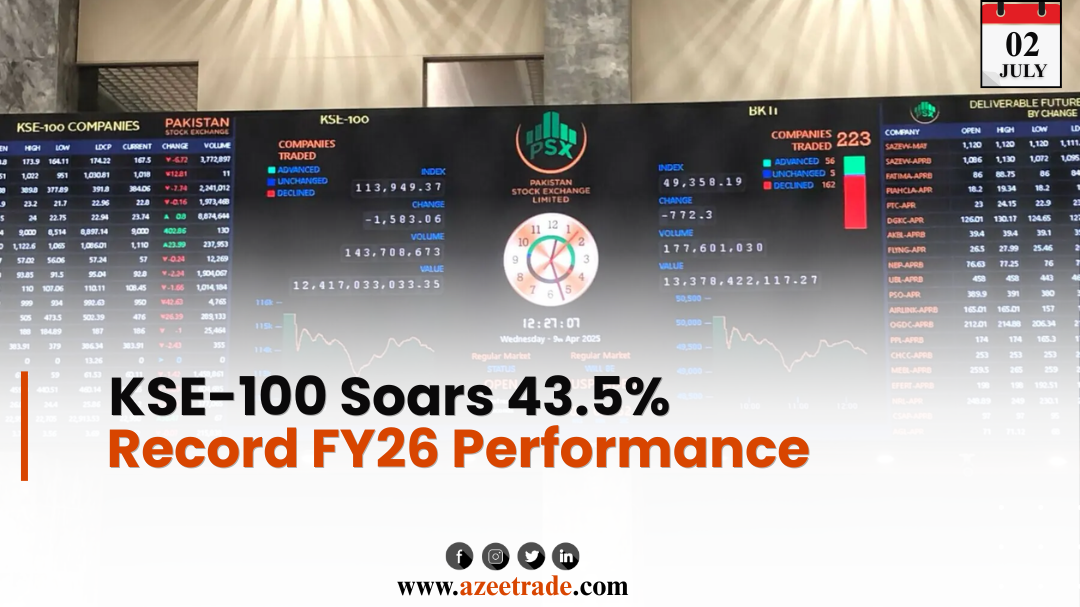
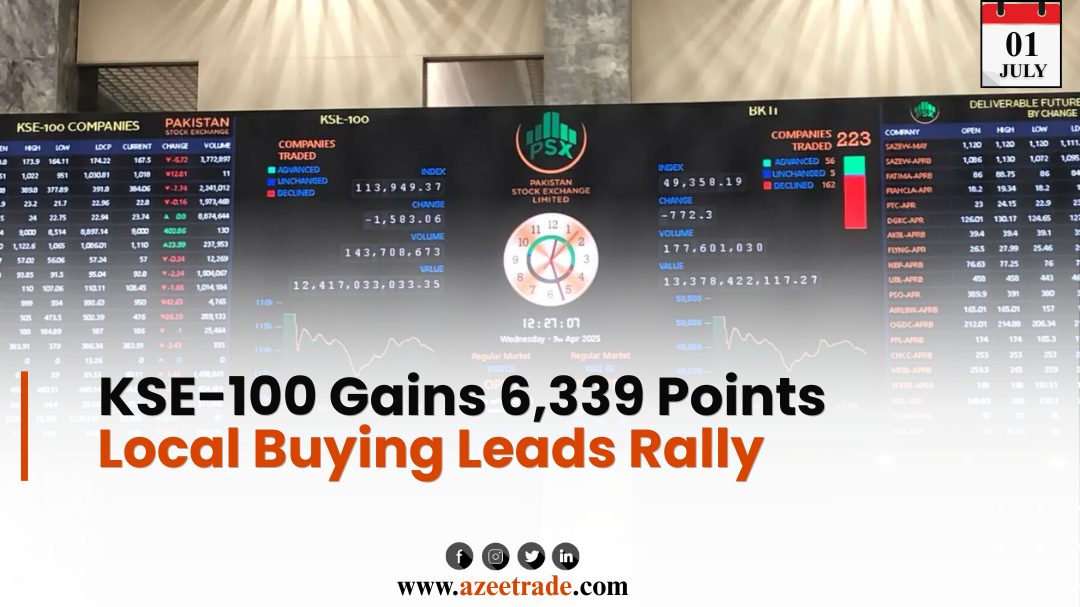
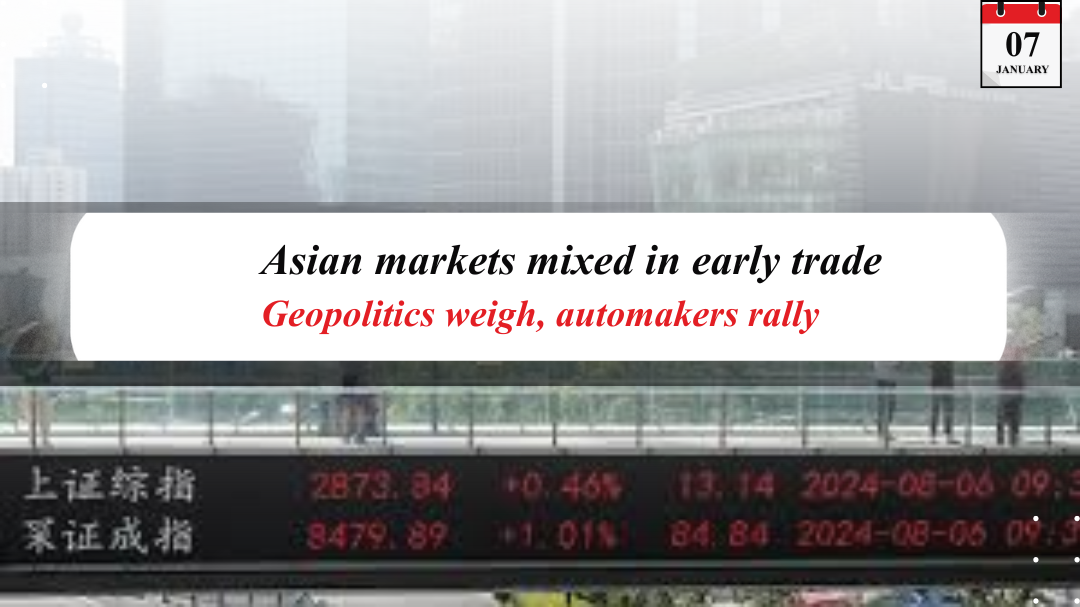
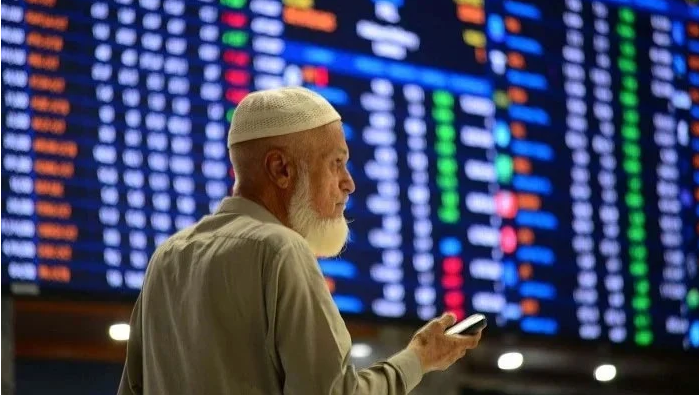
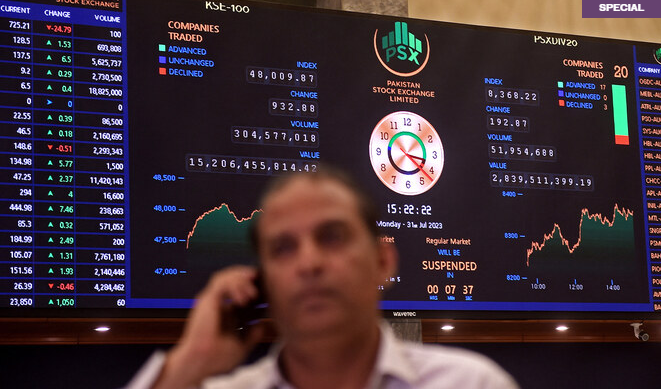
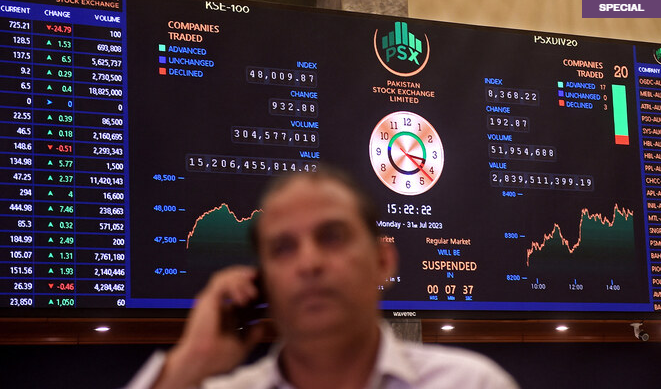
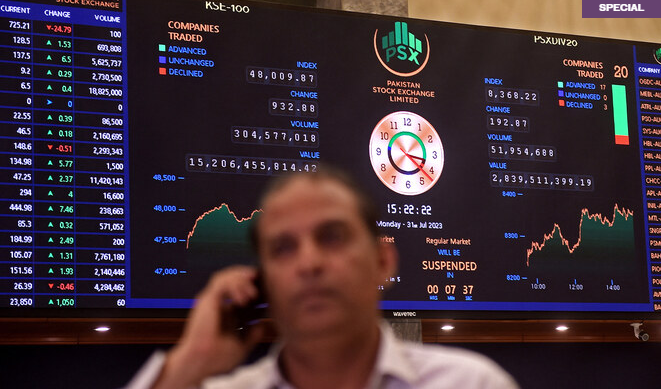
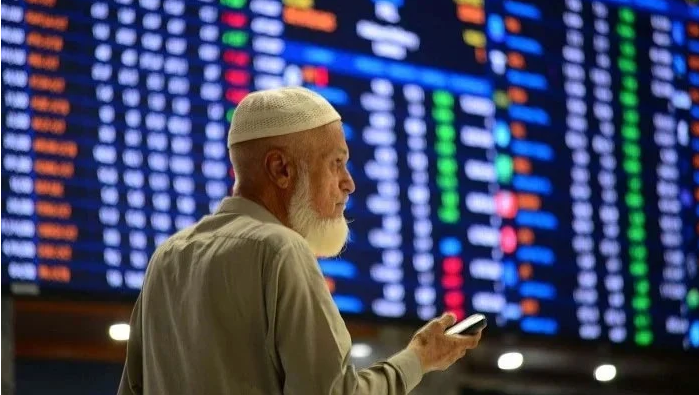
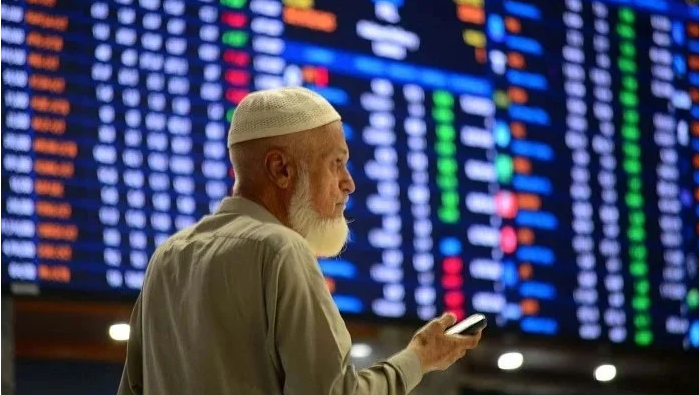
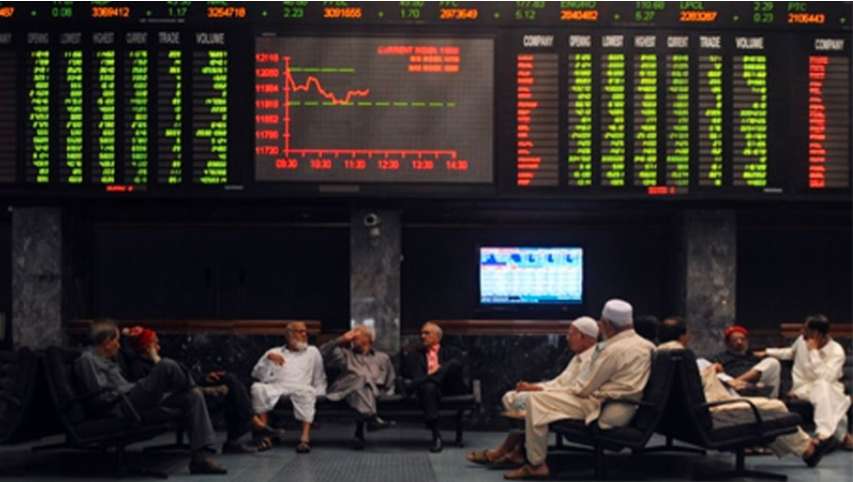
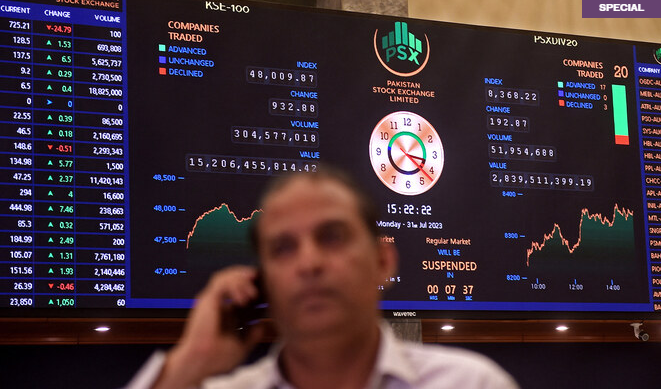
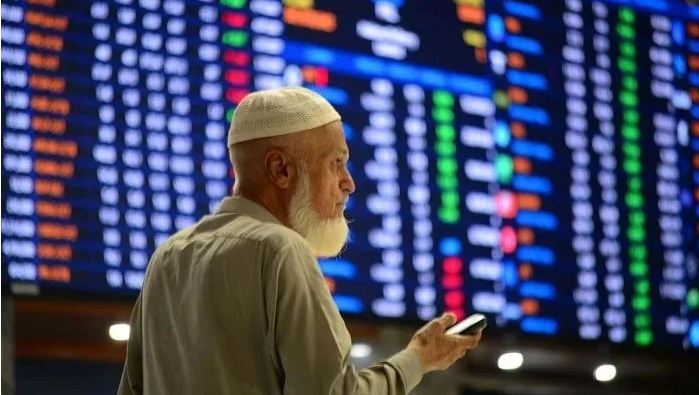
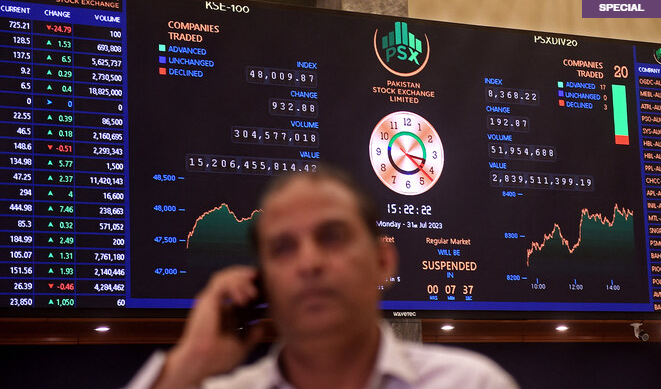
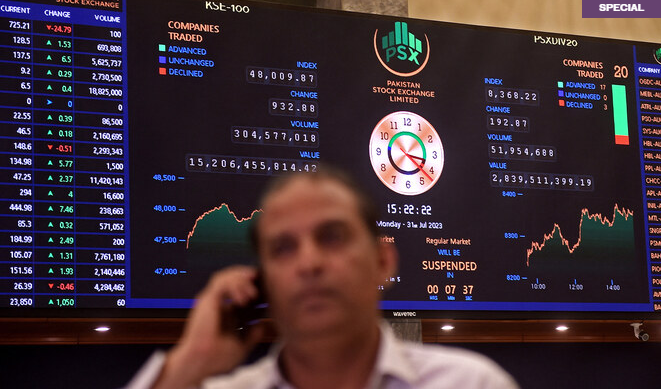
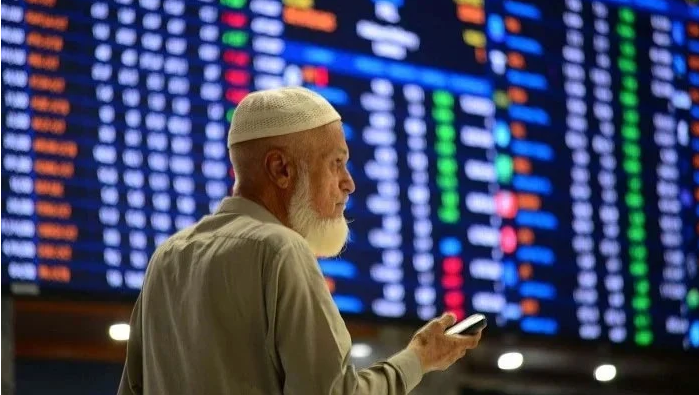
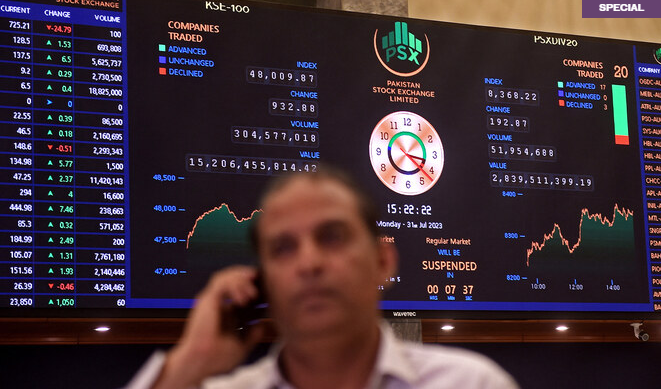
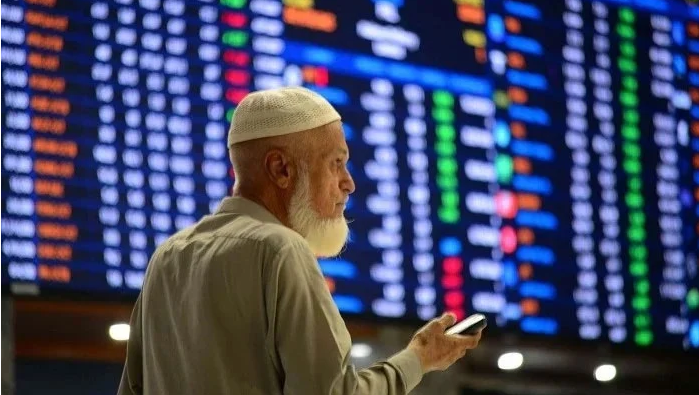
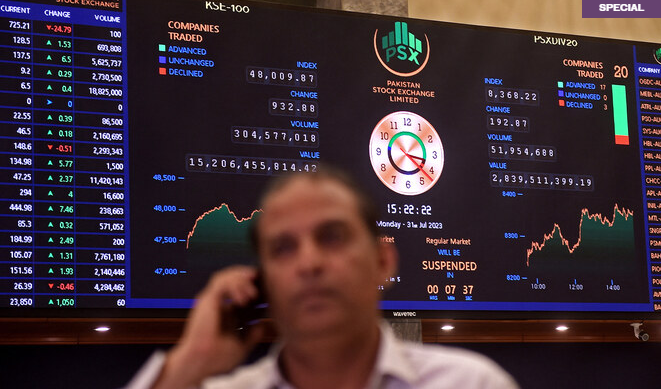
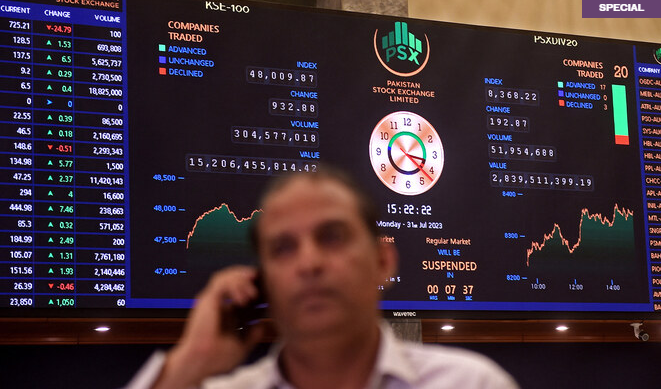
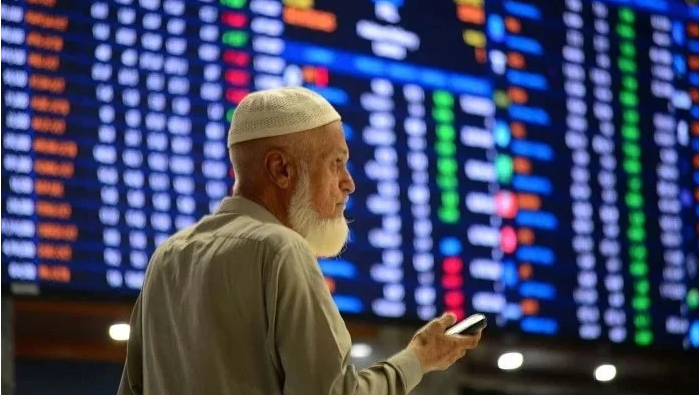
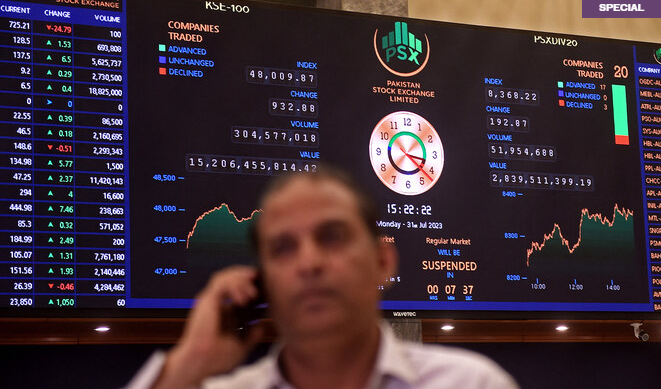
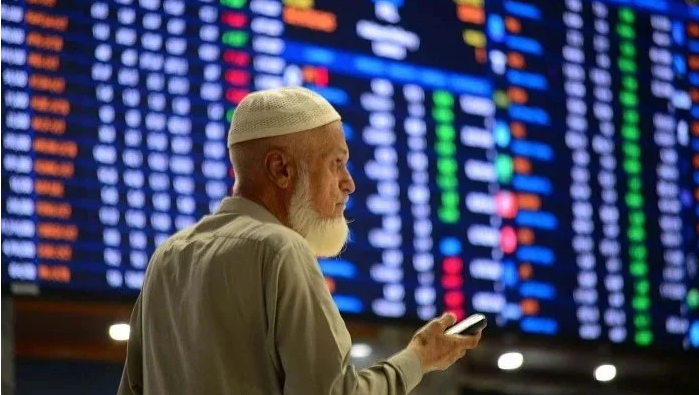
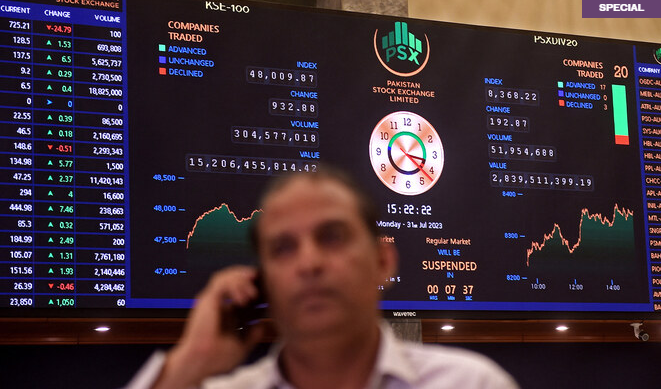
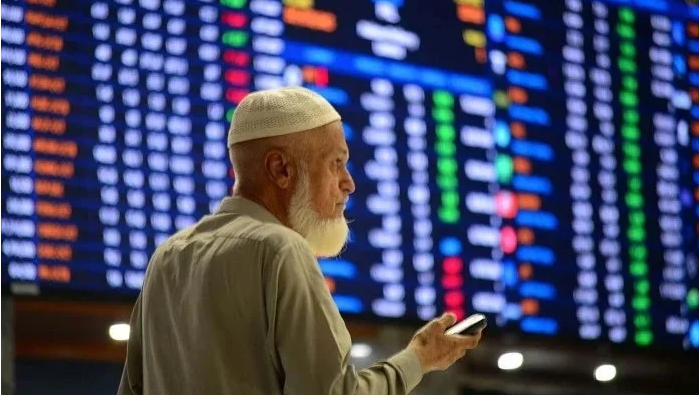
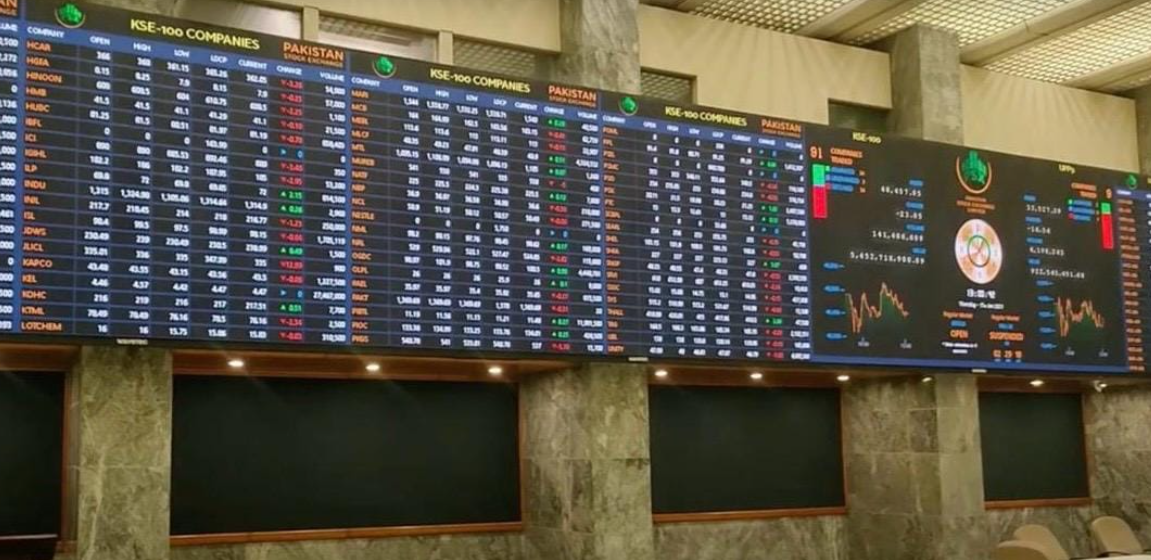
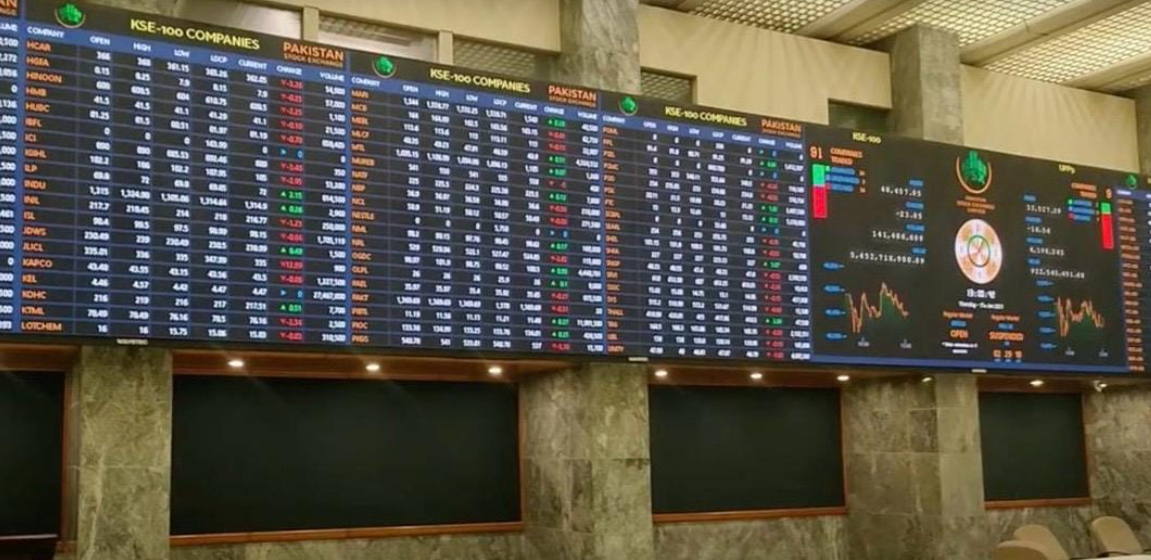
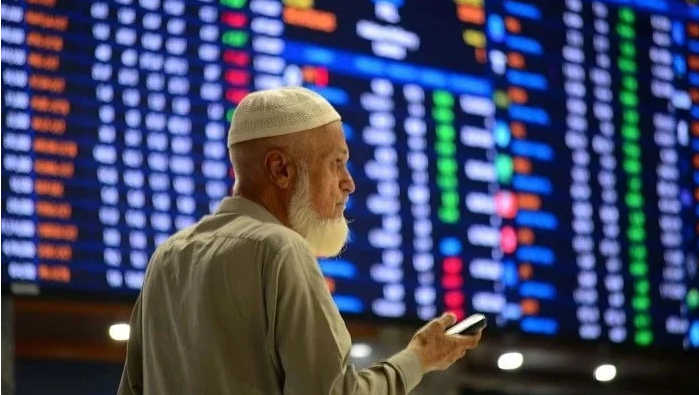
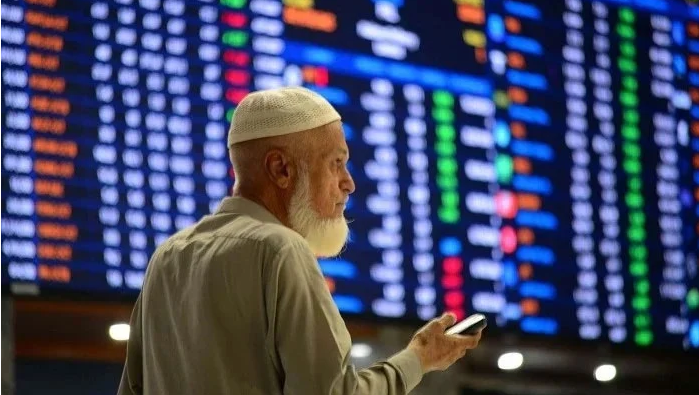
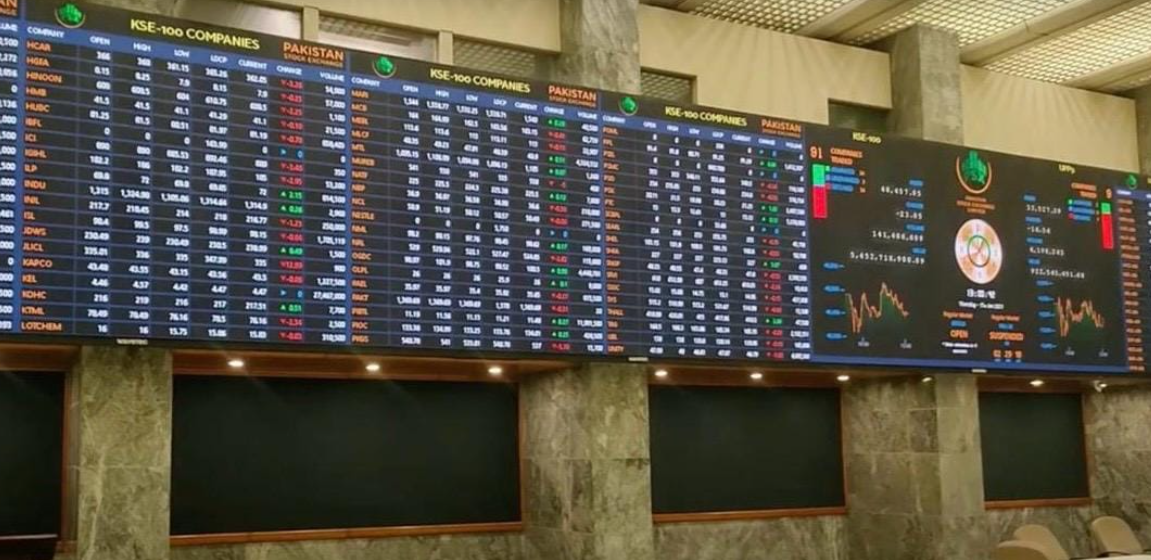
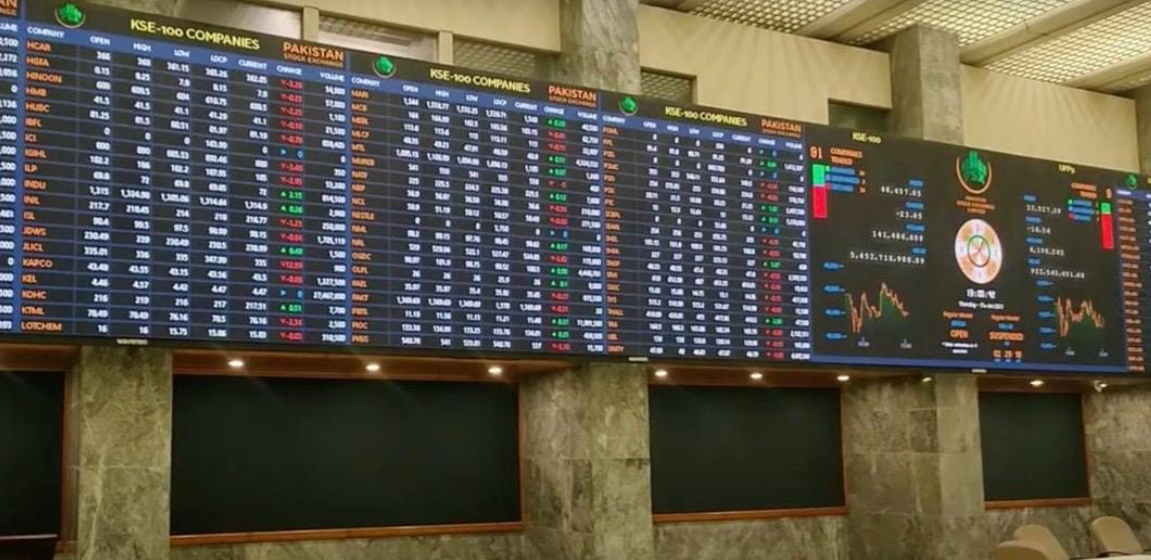
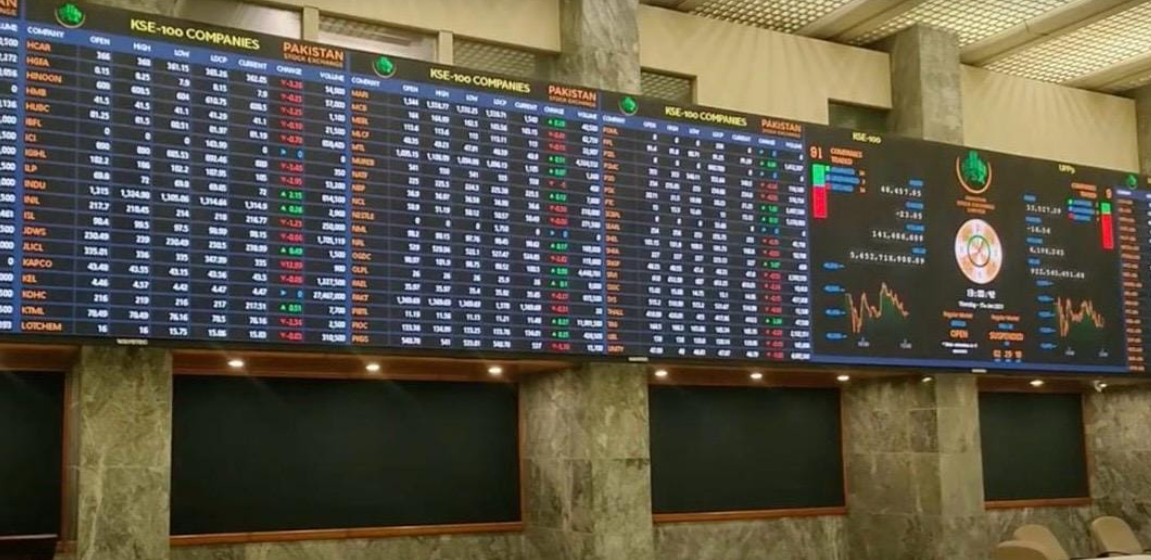
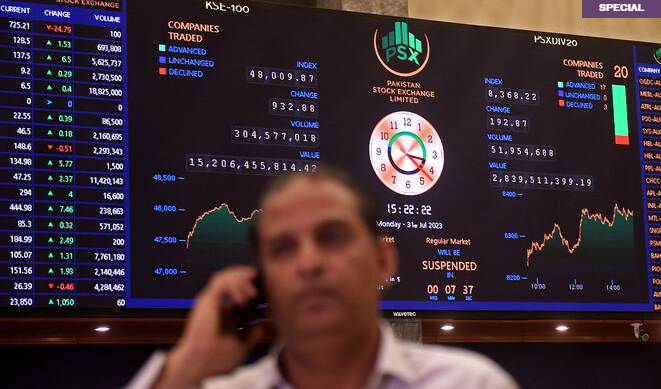
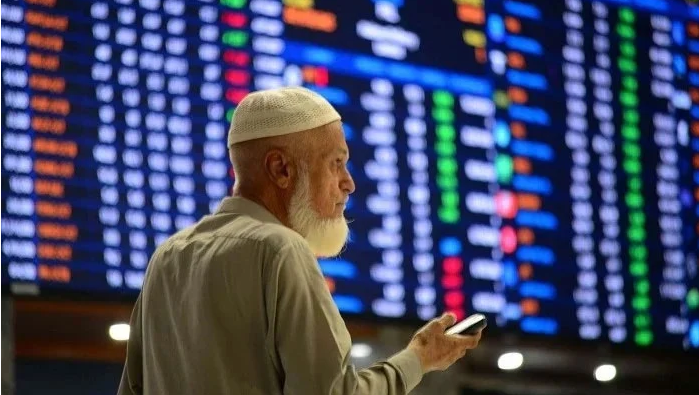
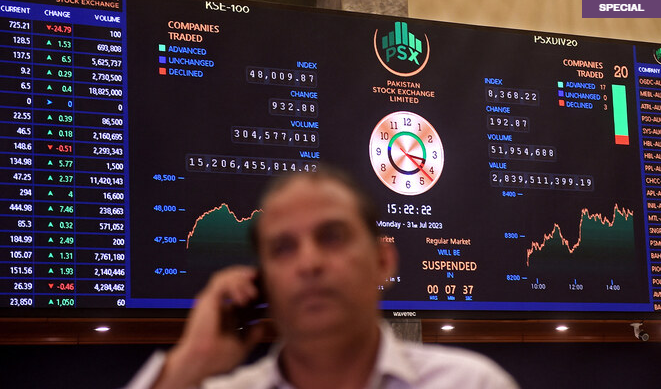
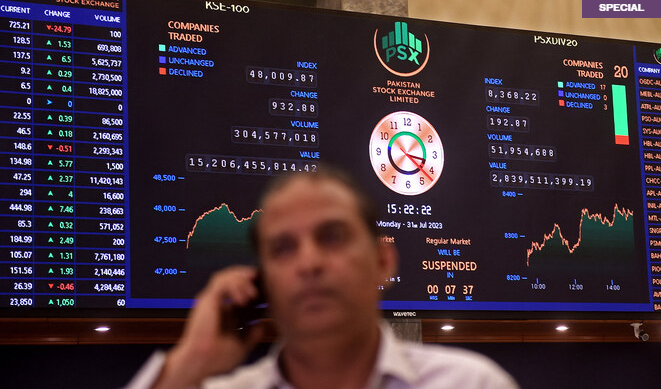
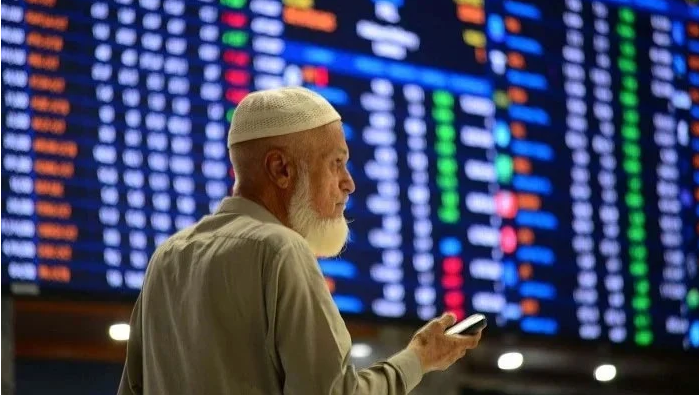
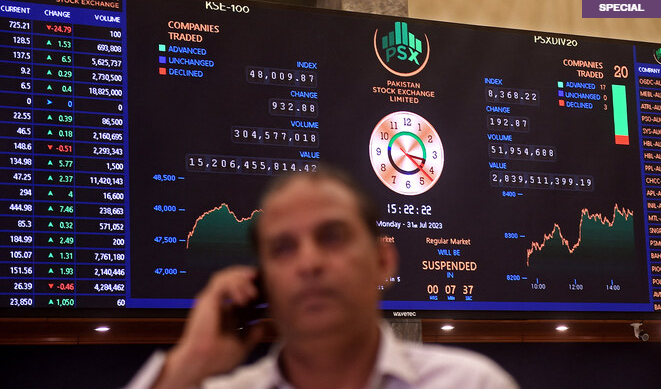
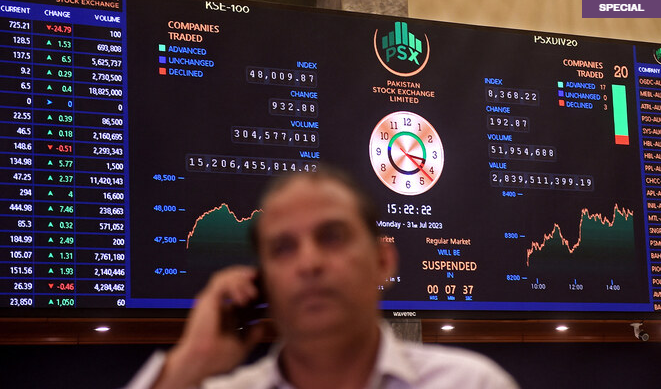
Pakistan's benchmark KSE-100 Index ended July 2026 on a weaker footing, reversing the strong upward momentum recorded over recent months as escalating geopolitical tensions prompted investors to adopt a cautious stance. The benchmark index declined 4,208 points, or 2.3% month-on-month, closing at 176,094 points after starting the month near 180,302 points. While market sentiment remained under pressure throughout July, the broader long-term trend continued to reflect improving economic fundamentals.
Despite the monthly decline, the KSE-100 delivered a 26.3% year-on-year gain, rising from 139,390 points in July 2025 to 176,094 points in July 2026. The performance indicates that July's weakness largely reflected short-term risk aversion rather than any deterioration in Pakistan's macroeconomic outlook. Lower inflation, monetary stability and improvements in external sector indicators continued to provide fundamental support for the market.
Market Capitalisation Declines
The market's weakness was also reflected in overall valuations. The KSE-100's market capitalisation declined to Rs5.003 trillion at the end of July from Rs5.157 trillion a month earlier, representing a fall of approximately Rs153.5 billion, or 2.98%. However, compared with July 2025, market capitalisation remained 20% higher, increasing by around Rs834 billion over the twelve-month period.
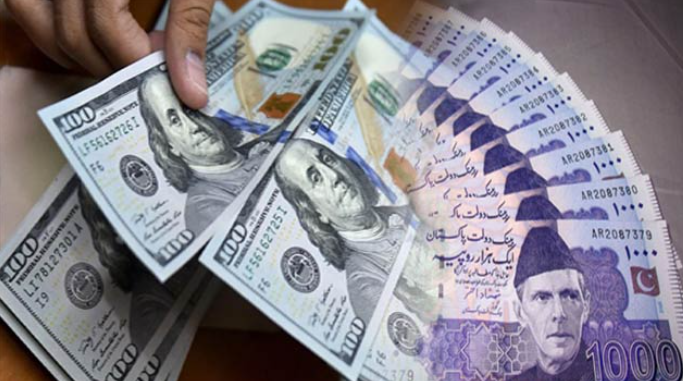
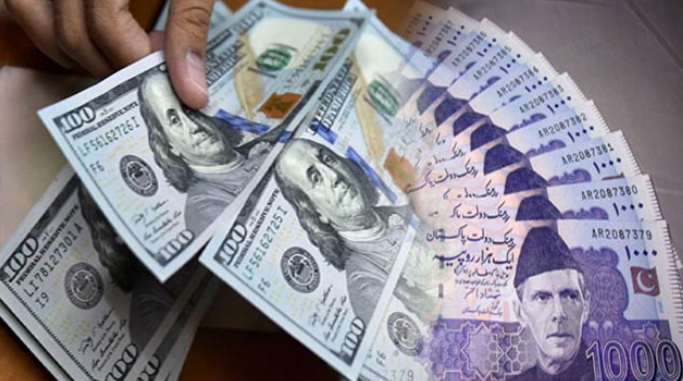
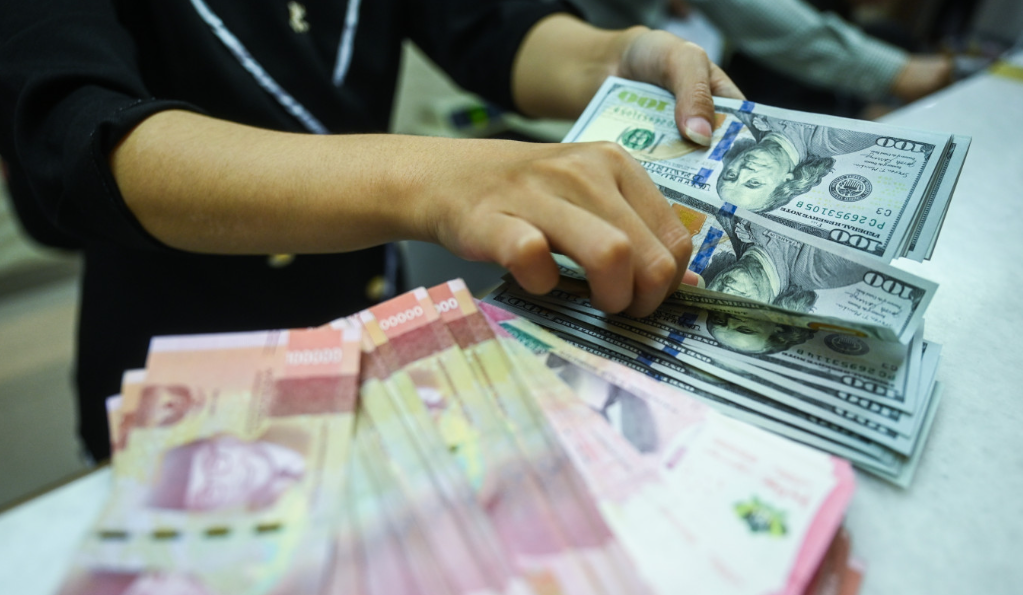
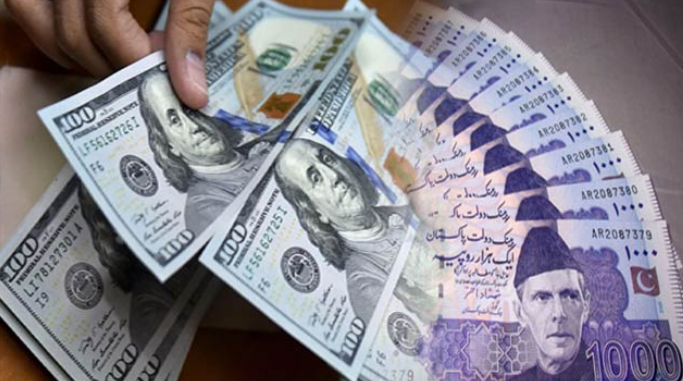
In US dollar terms, market capitalisation stood at approximately $18.01 billion, compared with $18.54 billion in June. Since the Pakistani rupee remained largely stable during the month, the decline in dollar terms closely mirrored the movement in local currency valuations. On a yearly basis, dollar-denominated market capitalisation increased 22.2%, highlighting the market's strong longer-term recovery.
Macroeconomic Environment
Economic indicators continued to improve during July, although these positives failed to lift investor sentiment.
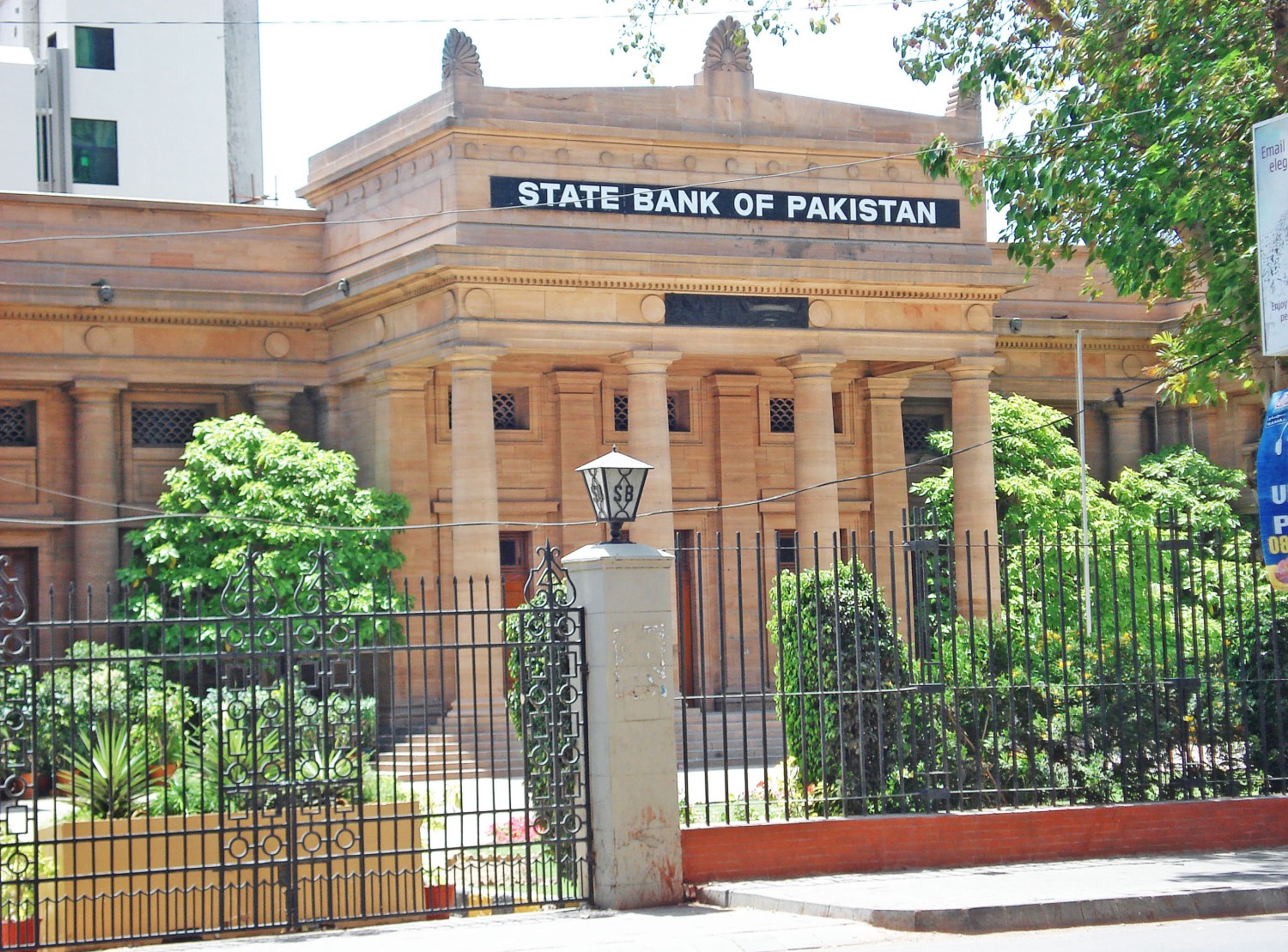
Pakistan's headline inflation eased to 11.1% year-on-year in June from 11.7% in May, extending the country's disinflation trend. Meanwhile, the State Bank of Pakistan (SBP) maintained the policy rate at 11.5%, signalling a cautious approach amid external uncertainties.
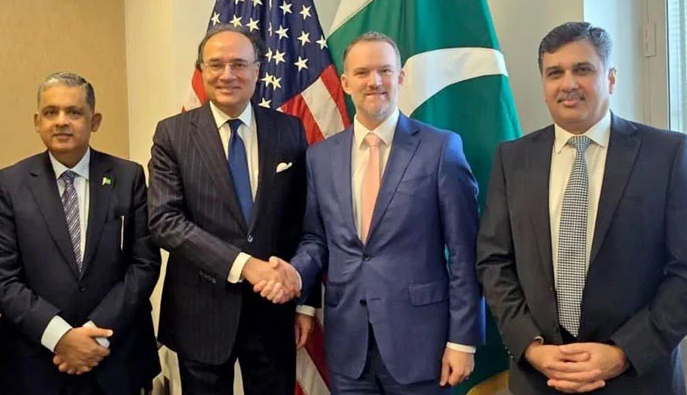
One of the month's most significant developments was S&P Global Ratings' decision to upgrade Pakistan's sovereign credit rating to 'B' from 'B-' with a stable outlook. The agency cited stronger institutional capacity, continued implementation of IMF-backed reforms, improved fiscal performance and higher foreign exchange reserves.
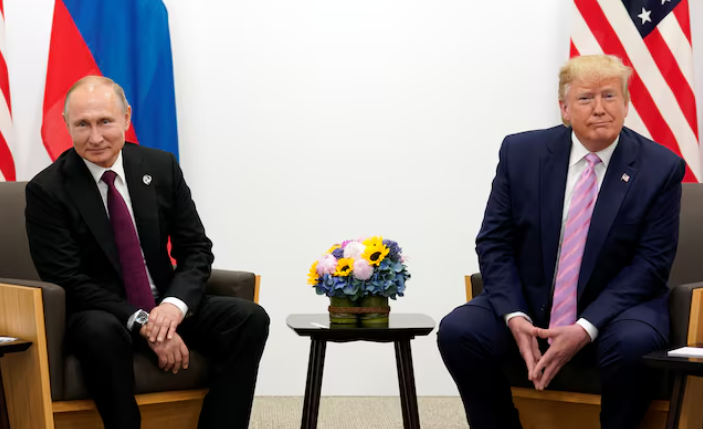
However, these positive developments were overshadowed by geopolitical tensions that continued to dominate investor psychology throughout the month.
Sector Performance
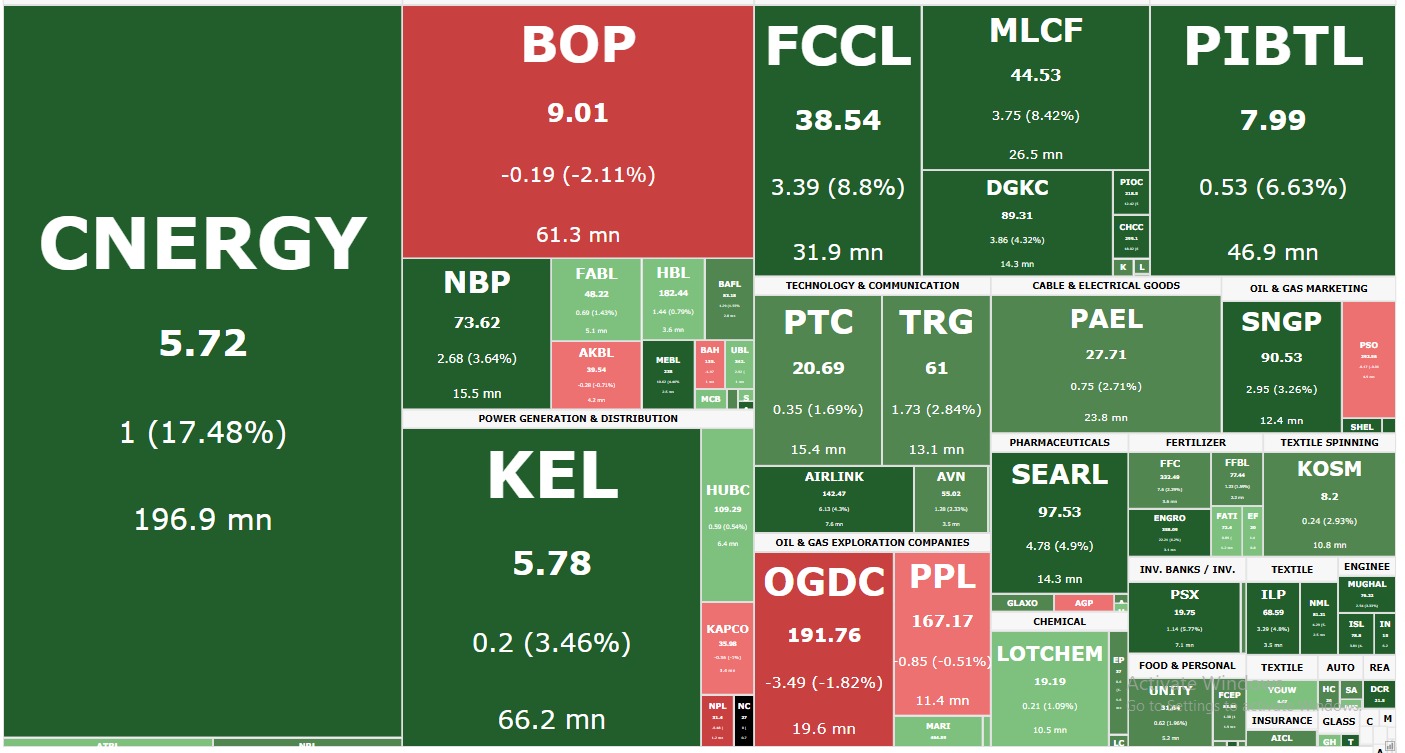
Sectoral performance remained broadly negative during July.
Commercial Banks emerged as the strongest-performing sector, contributing 1,696.79 points to the benchmark index. The rally was primarily driven by:
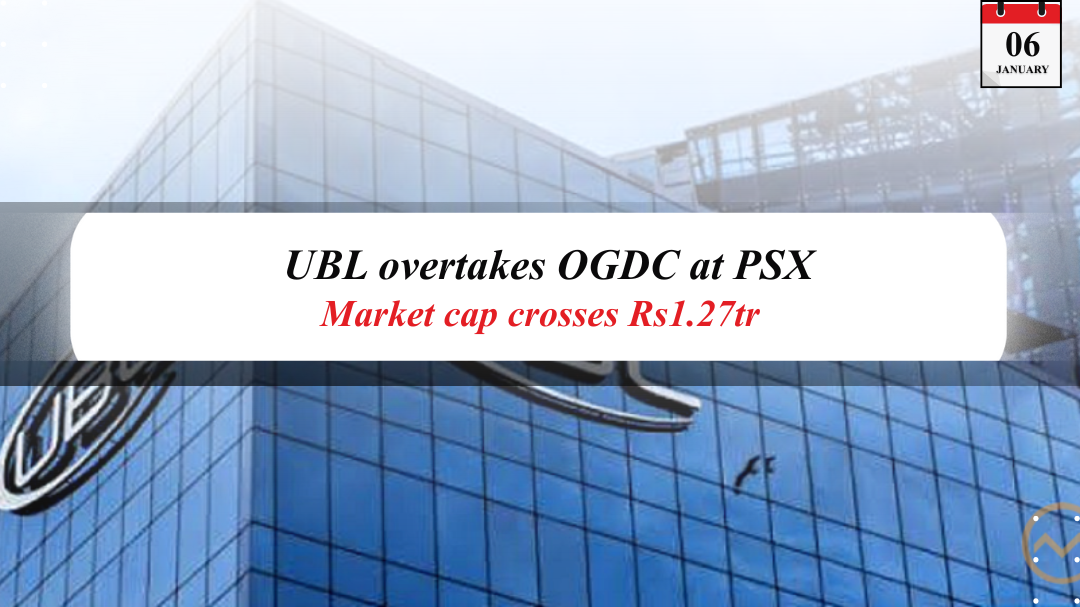
- UBL: +783.19 points
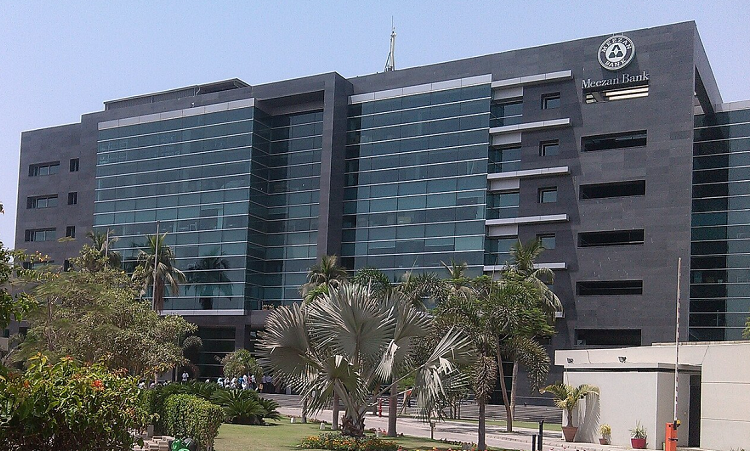
- Meezan Bank: +700.91 points
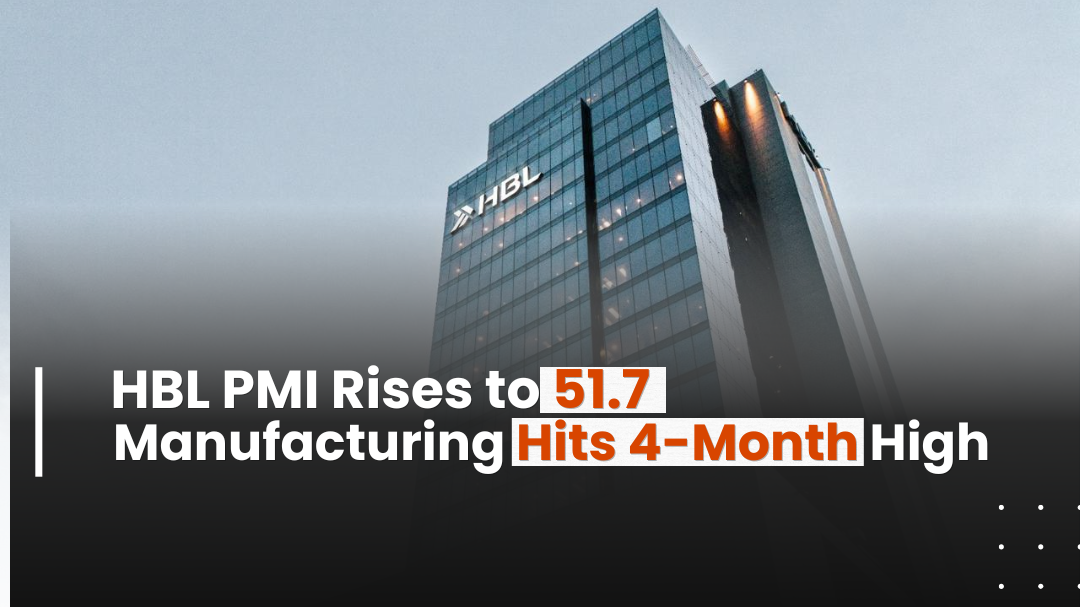
- HBL: +234.63 points
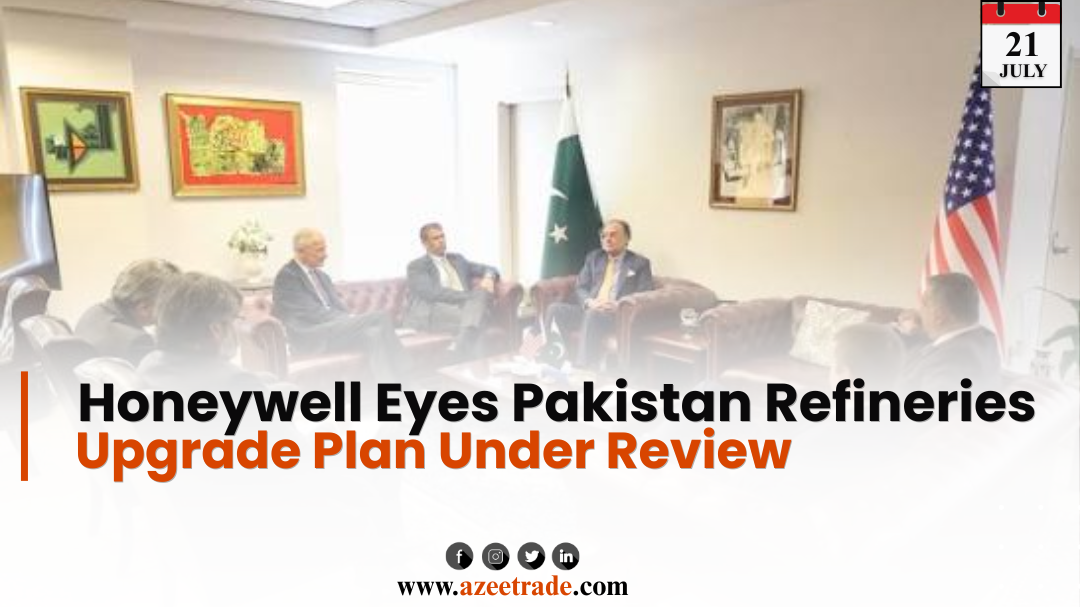
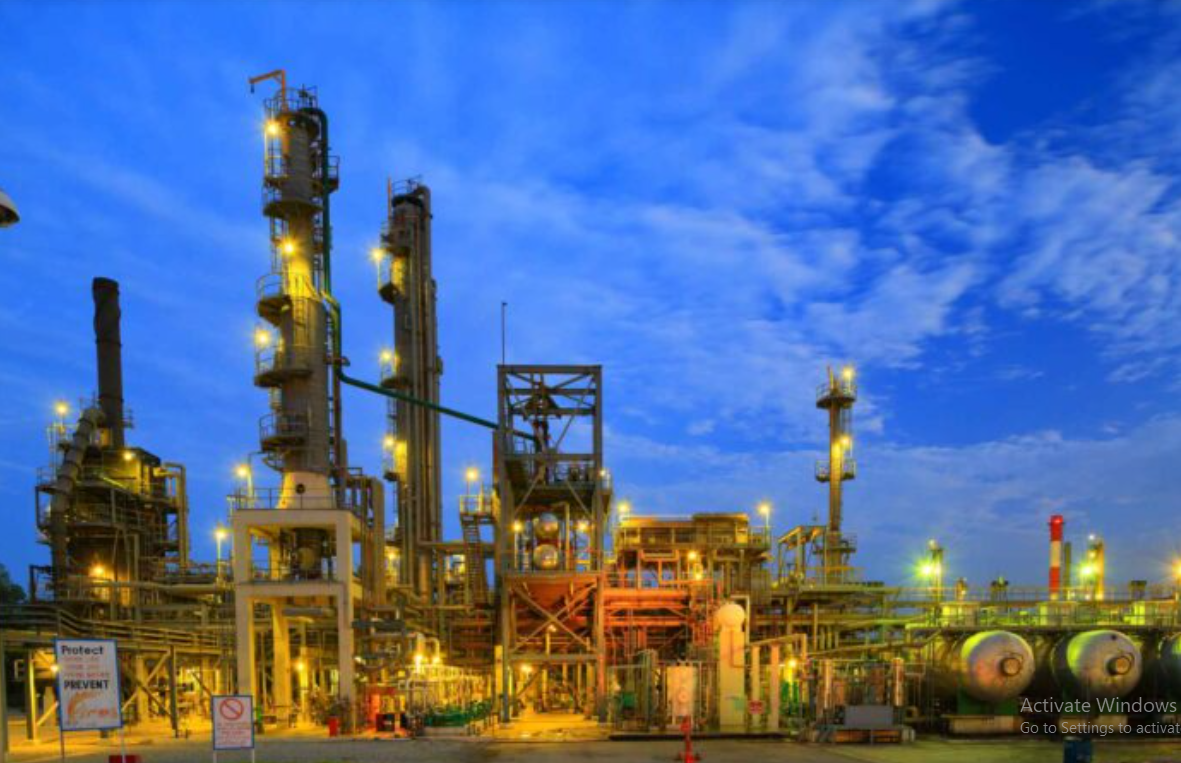
The Refinery sector was the second-largest positive contributor, adding 299.35 points, supported by amendments to the Oil Refining Policy 2023, which introduced incentives for refinery upgrades and new investment.
Insurance, Synthetic & Rayon and Tobacco sectors also recorded modest gains.
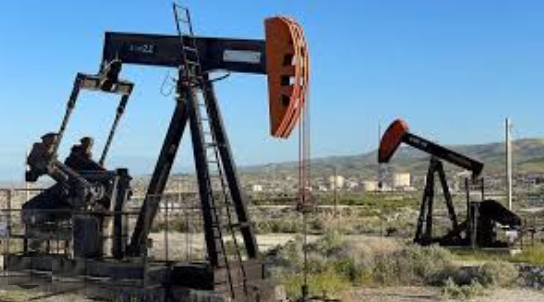
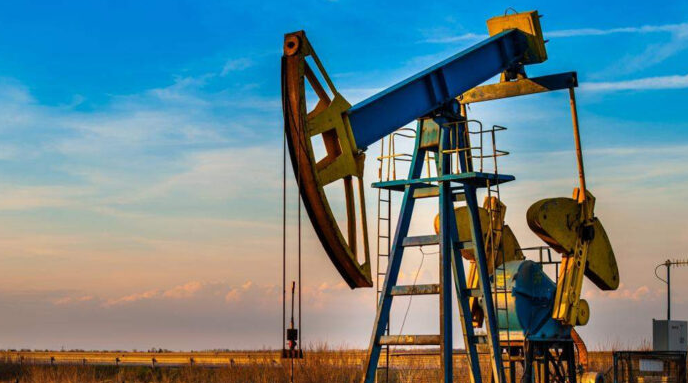
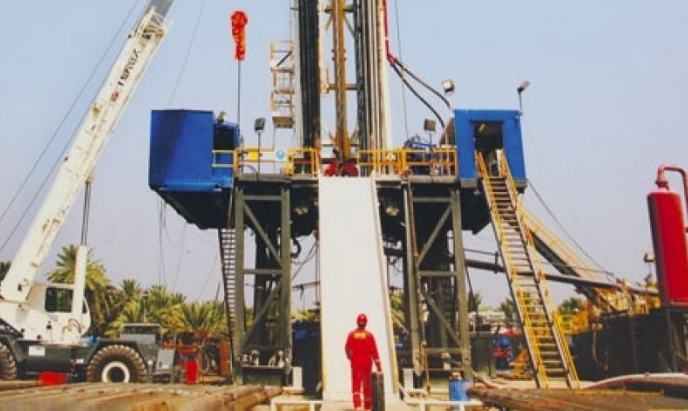
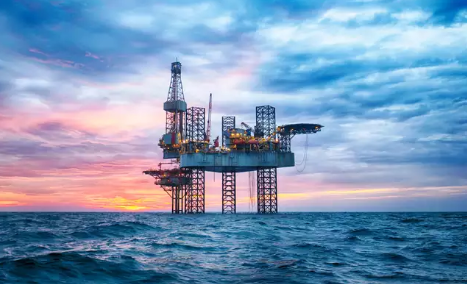
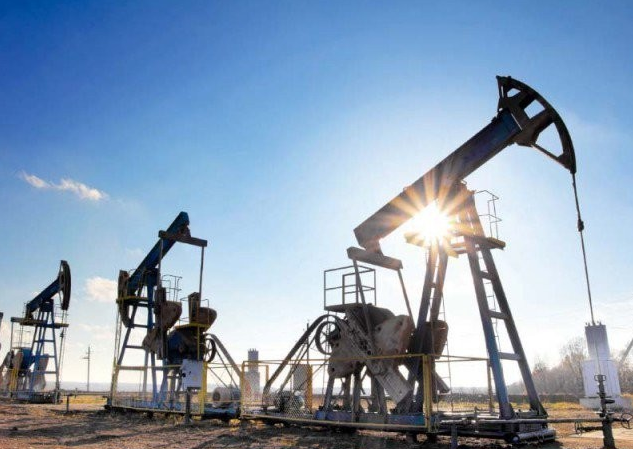
On the downside, Oil & Gas Exploration Companies were the biggest drag on the benchmark, reducing the index by 1,329.04 points, followed by:
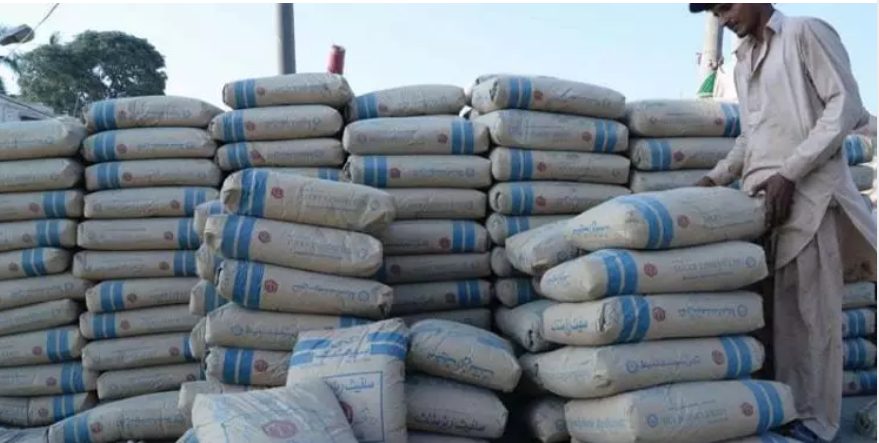
- Cement: -1,131.41 points
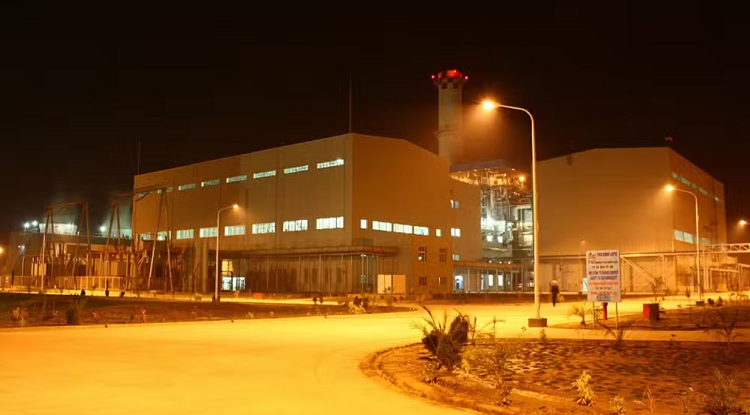
- Power Generation & Distribution: -748.61 points
- Fertilizer: -577.46 points
- Technology & Communication: -548.89 points
- Investment Banks & Securities Companies: -463.97 points
Other notable laggards included Oil Marketing Companies, Pharmaceuticals, Textile Composite and Automobile Assemblers, highlighting the broad-based nature of the market correction.
Top Stock Movers
Among individual companies, UBL delivered the largest positive contribution to the KSE-100, followed by Meezan Bank and HBL, which collectively accounted for most of the banking sector's gains.
Other notable gainers included:
- Attock Refinery
- Pakistan Telecommunication Company (PTCL)
- Cnergyico
- Ghandhara Nissan
- Adamjee Insurance
- Bank Alfalah
- MCB Bank
On the losing side, the largest negative contributors were:
- Pakistan Petroleum Limited (PPL)
- Hub Power Company (HUBC)
- Systems Limited
- Oil & Gas Development Company (OGDC)
- Engro Holdings
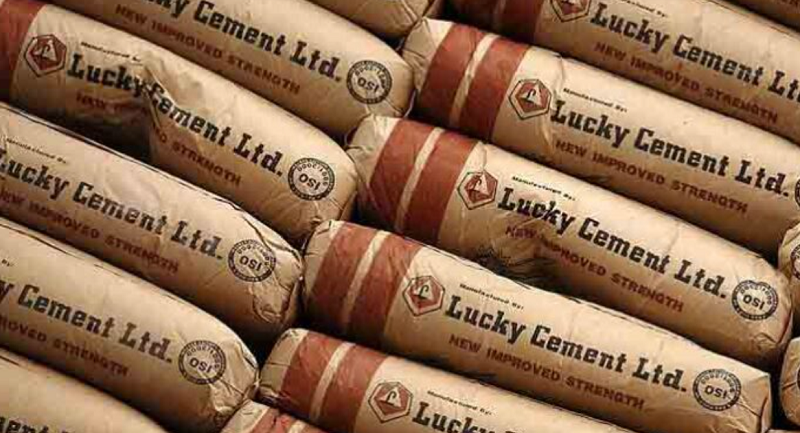
- Lucky Cement
- Mari Petroleum
- Engro Fertilizers
- Fauji Fertilizer
Several cement manufacturers, K-Electric, Sui Northern Gas and technology companies also weighed heavily on the benchmark.
Foreign Investor Activity
Foreign investors returned as net buyers during July despite market volatility.
According to the report, Foreign Portfolio Investment (FIPI) recorded net equity inflows of $34.38 million, while total foreign inflows, including debt, reached $34.42 million.
Foreign corporates accounted for the bulk of buying, investing $23.75 million, while overseas Pakistanis added $10.64 million.
In contrast, local investors remained net sellers, with Local Portfolio Investment (LIPI) recording equity outflows of $34.38 million. Mutual funds led the selling activity, followed by companies and other institutional investors, whereas individual investors remained net buyers throughout the month.
The near-perfect offset between foreign buying and local selling highlighted that overseas investors absorbed domestic profit-taking during a period of heightened geopolitical uncertainty.
Although July marked the first meaningful monthly correction in several months, the report suggests that the market's structural outlook remains positive. Stable inflation, improving sovereign creditworthiness, resilient external sector indicators and continued implementation of economic reforms continue to provide support for Pakistan's equity market.
However, investor sentiment is likely to remain sensitive to regional geopolitical developments, global commodity prices and the trajectory of Pakistan's external account in the months ahead























































































































































































Add a comment