
 (1).png)
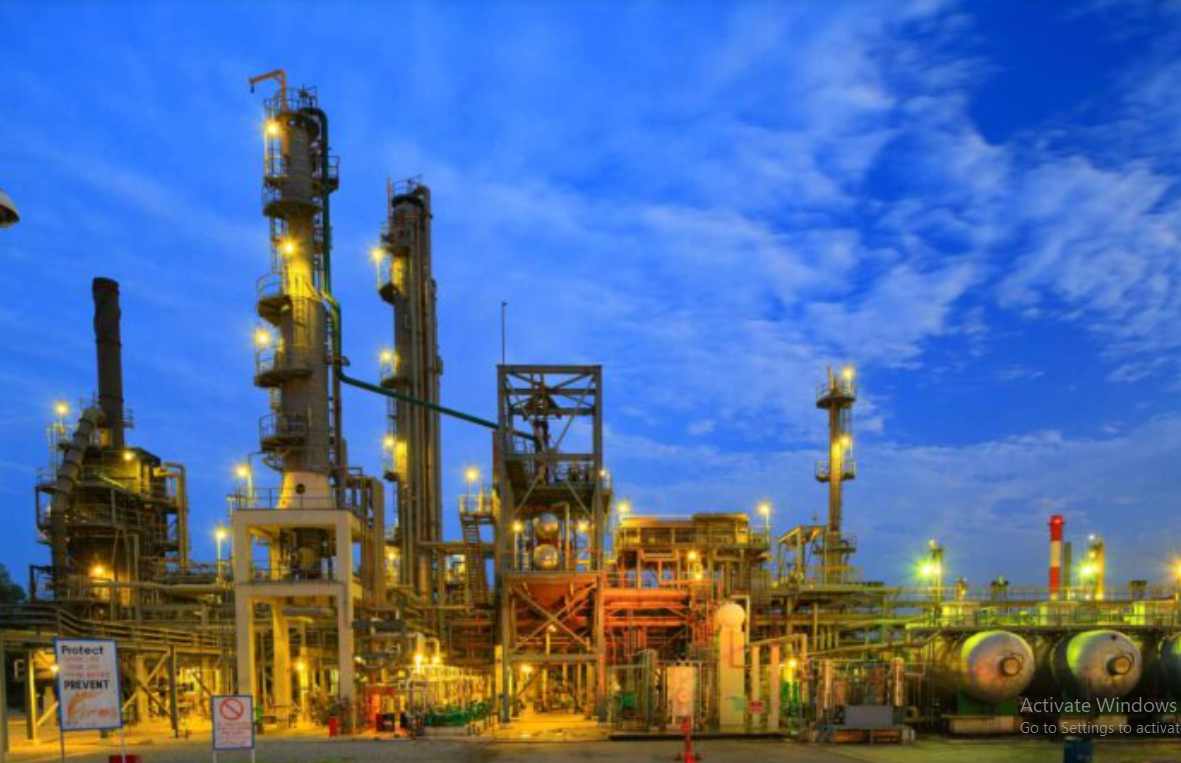
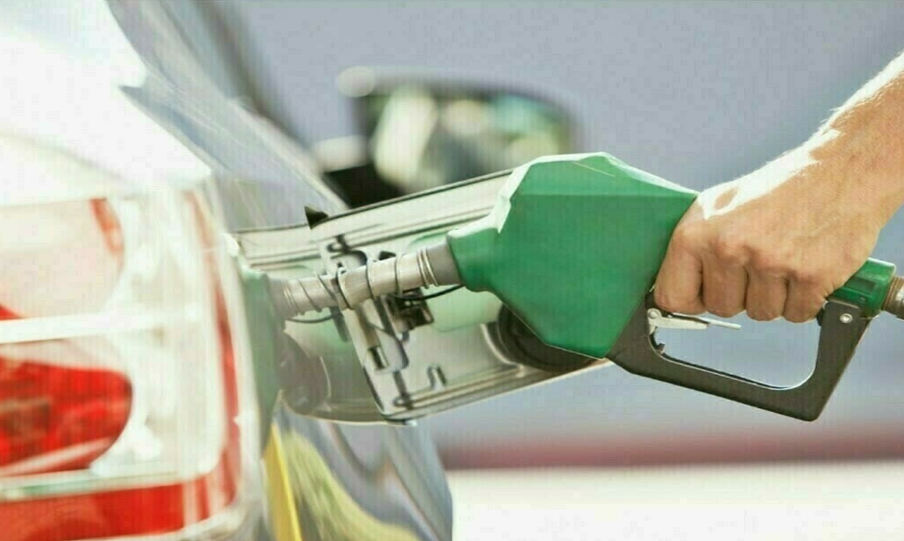
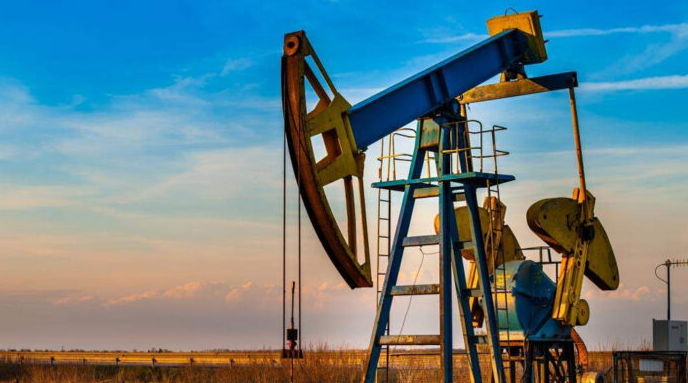
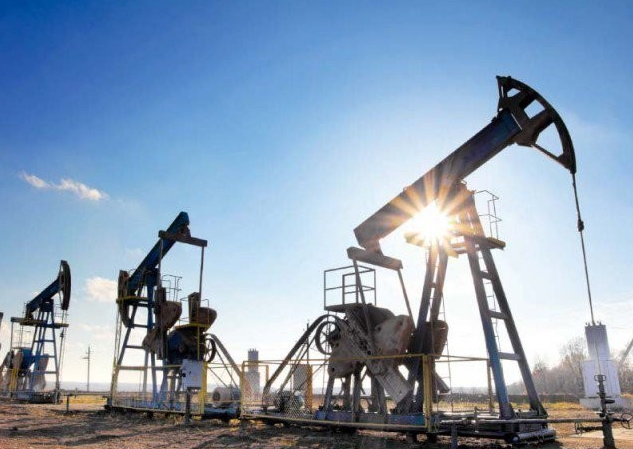
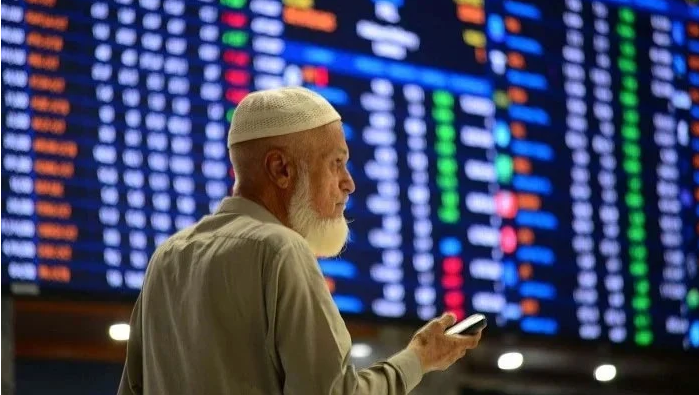
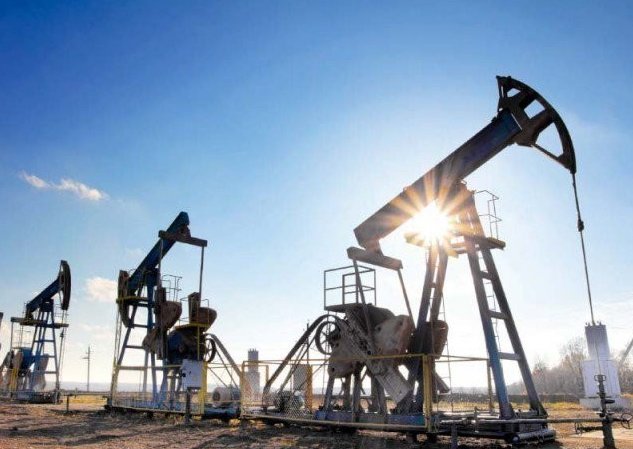
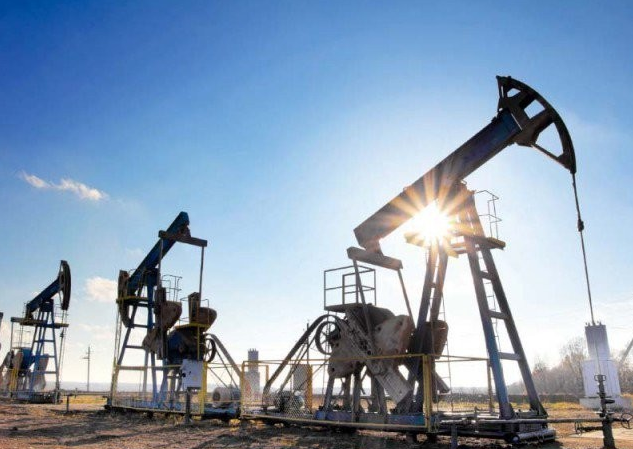
Pakistan's oil marketing companies (OMCs) posted a strong recovery in July 2026, with industry-wide petroleum sales rising 23% year-on-year to 1.51 million tonnes, according to data released by the Oil Companies Advisory Council (OCAC).
On a monthly basis, total sales increased 20% from 1.26 million tonnes recorded in June, reflecting improving fuel demand across key consumption segments. The recovery was primarily driven by stronger sales of High-Speed Diesel (HSD) and Motor Spirit (MS), supported by lower domestic fuel prices, increased agricultural activity and early signs of broader economic recovery.
Motor Spirit (petrol) sales climbed 19% year-on-year to 0.73 million tonnes, while High-Speed Diesel volumes rose 23% to 0.62 million tonnes. Furnace Oil (FO) recorded the sharpest increase, with sales surging 406% year-on-year to 0.08 million tonnes, although from a relatively low base.
Among individual companies, Pakistan State Oil (PSO) outperformed the industry, reporting a 38% year-on-year increase in total sales to 702,000 tonnes. The growth was led by a 44% rise in petrol sales and an increase of more than 40% in diesel volumes, highlighting PSO's strong market position.
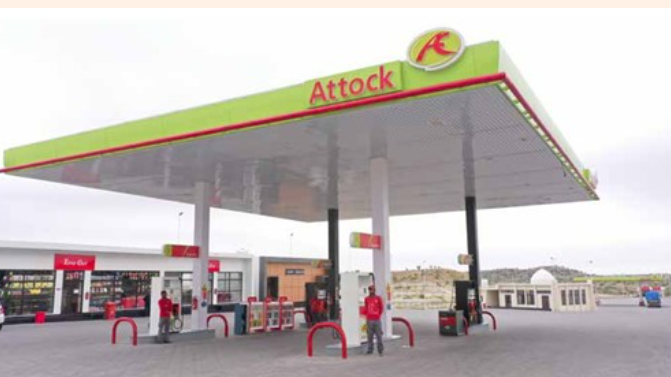
Attock Petroleum Limited (APL) also delivered robust performance, with total sales increasing 28% year-on-year to 130,000 tonnes, supported by higher sales across petrol, diesel and furnace oil. On a month-on-month basis, APL's volumes grew 22%.
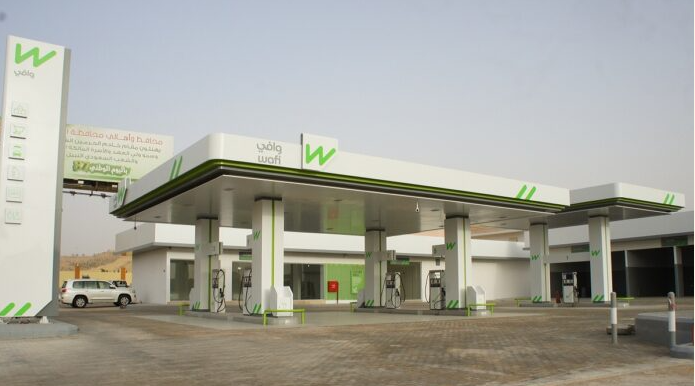
Wafi Energy recorded 24% annual growth, with total sales reaching 130,000 tonnes, as both petrol and diesel posted double-digit gains. In contrast, Hascol Petroleum remained the only major company to report a decline, with total sales falling 6% year-on-year to 40,000 tonnes, as weaker petrol sales offset growth in diesel demand.
The July performance suggests a broad-based improvement in Pakistan's fuel consumption, supported by stronger farm incomes, increased transportation activity and gradually improving economic conditions. Industry participants expect fuel demand to remain firm in the coming months, provided macroeconomic stability and lower energy prices continue to support consumption.









































-falls-to-rs43.57tr)





































































-rises-to-rs44.35-trillion)











-surges-to-rs44.23-trillion-as-bank-deposits-jump)






































-falls-weekonweek-to-rs40.95tr)





















































































-ltd-reports-strong-halfyearly-results-–-profit-surged)















































)





Add a comment