 (1).png)
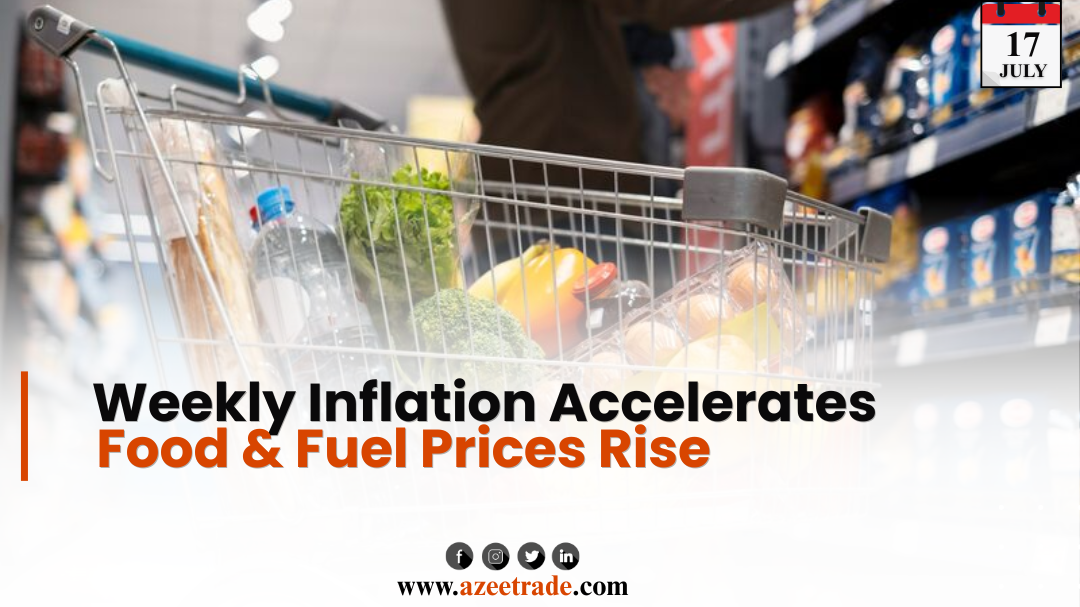
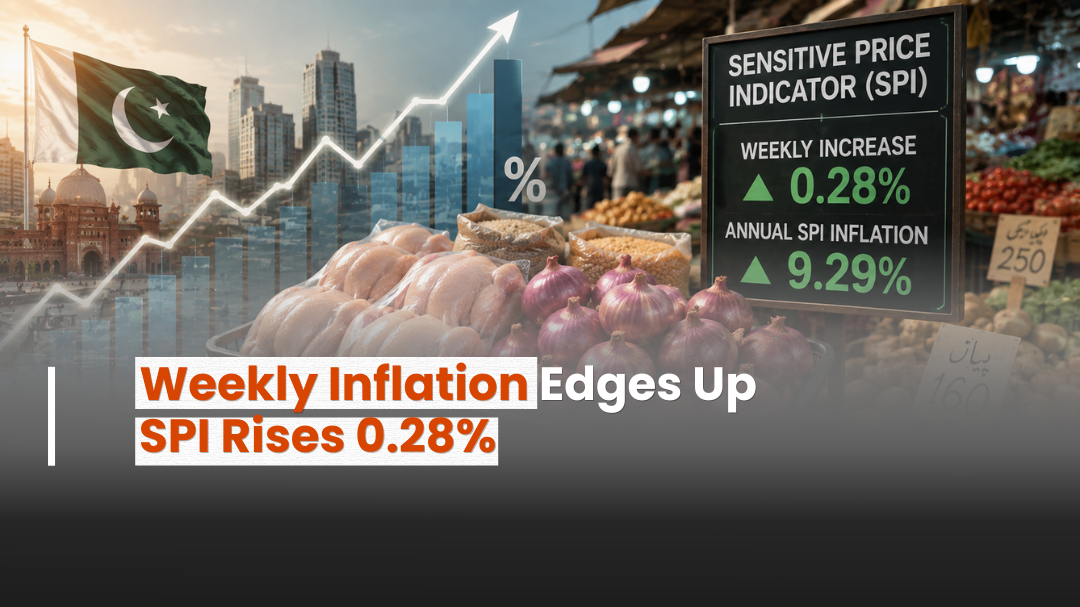
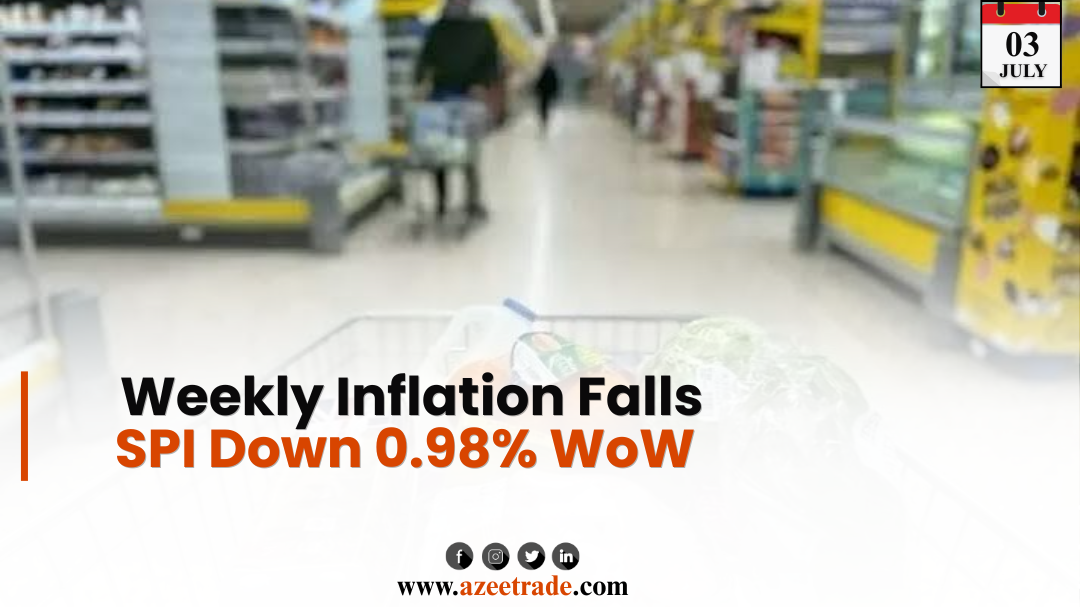
Pakistan's Sensitive Price Indicator (SPI) increased by 1.40% during the week ended July 16, 2026, while year-on-year inflation accelerated to 13.09%, reflecting renewed pressure from higher food, fuel and utility prices, according to data released by the Pakistan Bureau of Statistics (PBS).
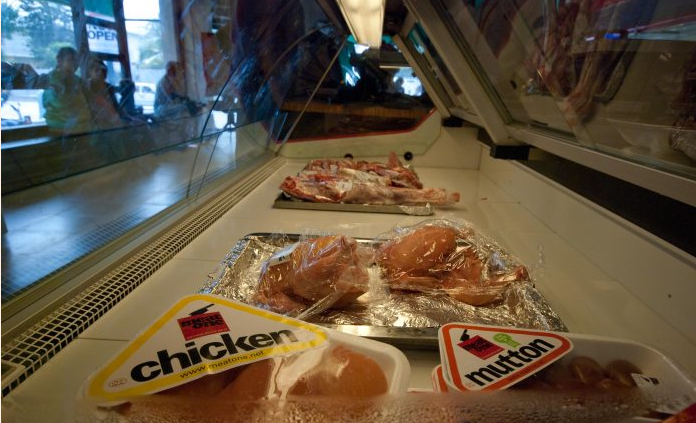
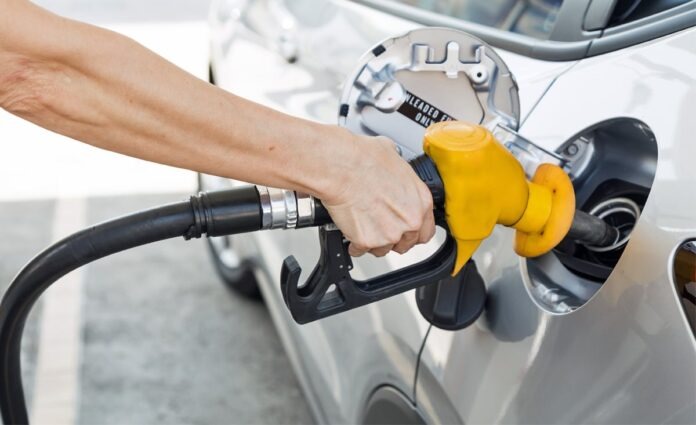
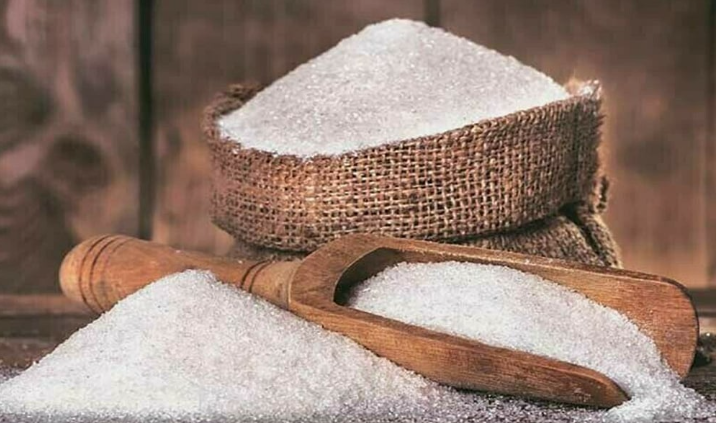
The weekly increase was led by a sharp jump in the prices of tomatoes (22.79%), chicken (14.66%), LPG (12.46%), high-speed diesel (4.41%), petrol (4.40%), garlic (3.72%), eggs (2.15%), Tea Lipton (1.56%), onions (1.53%), and potatoes (0.85%). On the other hand, prices of bananas (-0.80%), pulse moong (-0.70%), sugar (-0.36%), and pulse masoor (-0.10%) recorded modest declines during the week.
The PBS reported that 27 out of 51 essential commodities (52.94%) recorded price increases, while 4 items (7.84%) became cheaper and 20 items (39.22%) remained unchanged, indicating that inflationary pressures were broad-based across the consumer basket.
On an annual basis, the SPI showed a 13.09% increase compared with the corresponding week last year. The steepest year-on-year increases were recorded in tomatoes (210.18%), onions (75.93%), wheat flour (71.81%), electricity charges (49.14%), LPG (42.50%), gas charges (29.85%), gents sponge chappal (16.69%), mutton (16.02%), chilies powder (15.20%), and beef (13.60%).
Meanwhile, several commodities continued to provide some relief to consumers compared with the same period last year. Prices of potatoes (-36.28%), pulse gram (-21.71%), sugar (-21.10%), chicken (-16.71%), salt powder (-14.09%), pulse masoor (-13.19%), eggs (-12.42%), and pulse moong (-8.08%) remained lower than a year ago.
The impact of inflation varied across income groups. Weekly SPI increased by 1.11% for the lowest expenditure group and by 1.58% for the highest expenditure group, while annual inflation ranged from 11.32% for the highest-income households to 15.57% for lower-middle-income consumers, highlighting a relatively heavier inflation burden on lower-income segments.
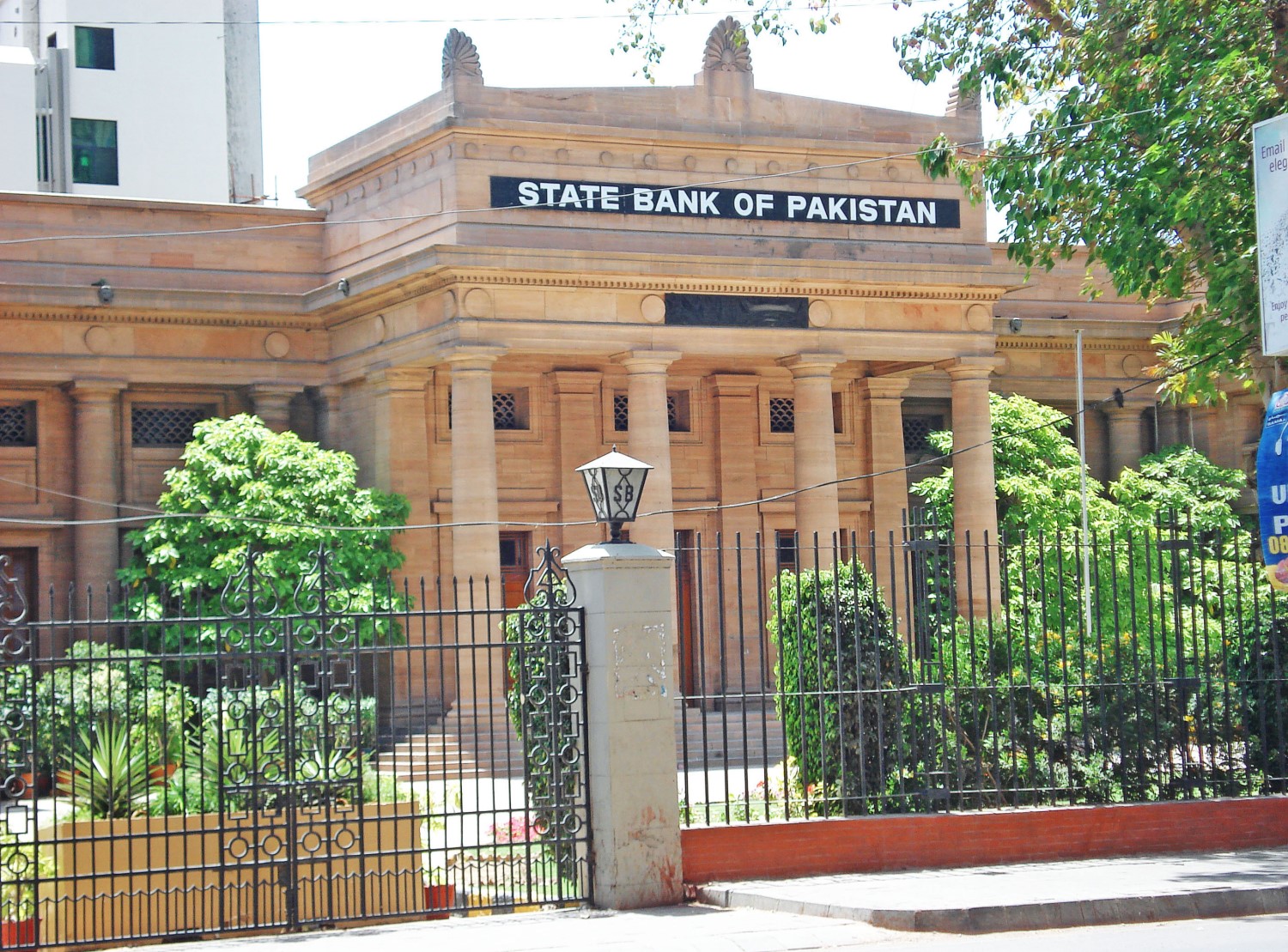
The latest SPI data comes ahead of the government's recent upward revision in petroleum prices and indicates that higher fuel costs, food prices and utility charges continue to exert pressure on short-term inflation. Market participants will closely monitor upcoming inflation readings for signs of how these price increases may influence the broader Consumer Price Index (CPI) and the State Bank of Pakistan's monetary policy outlook.






































































































































































































































































































































































Add a comment