 (1).png)
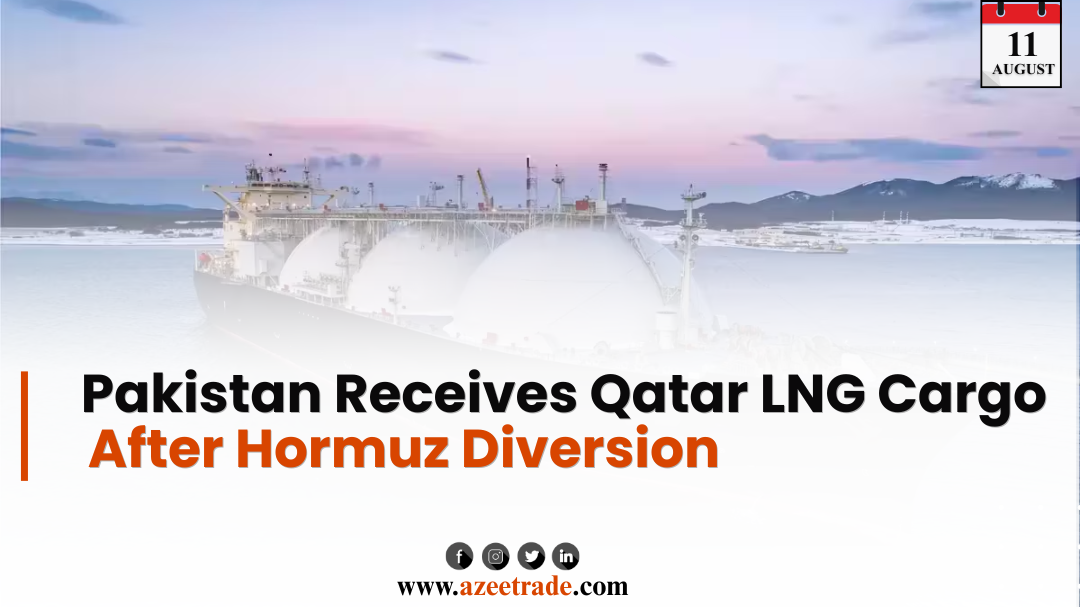
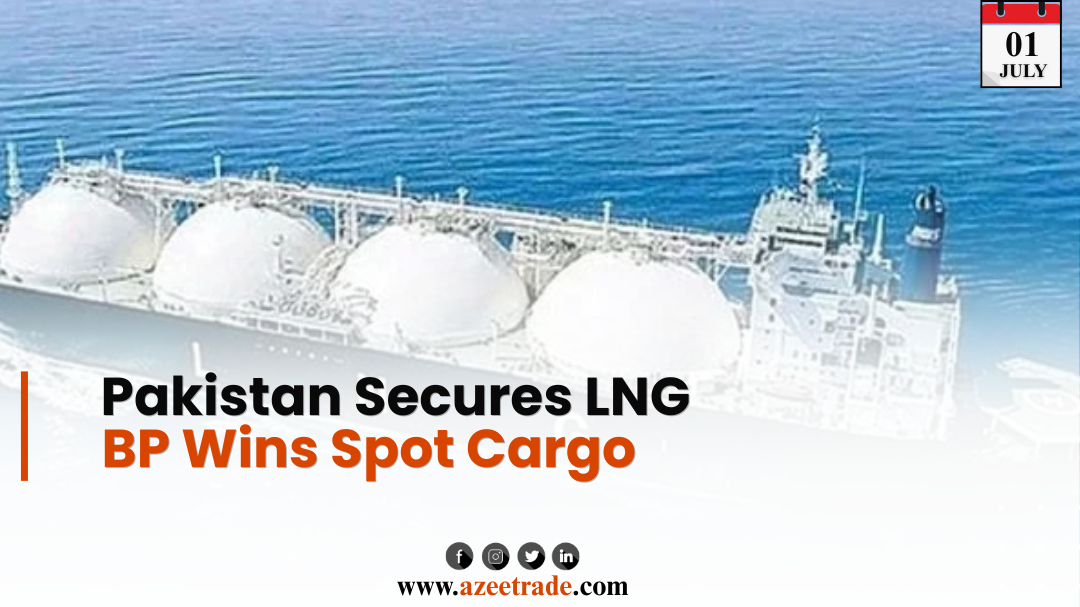
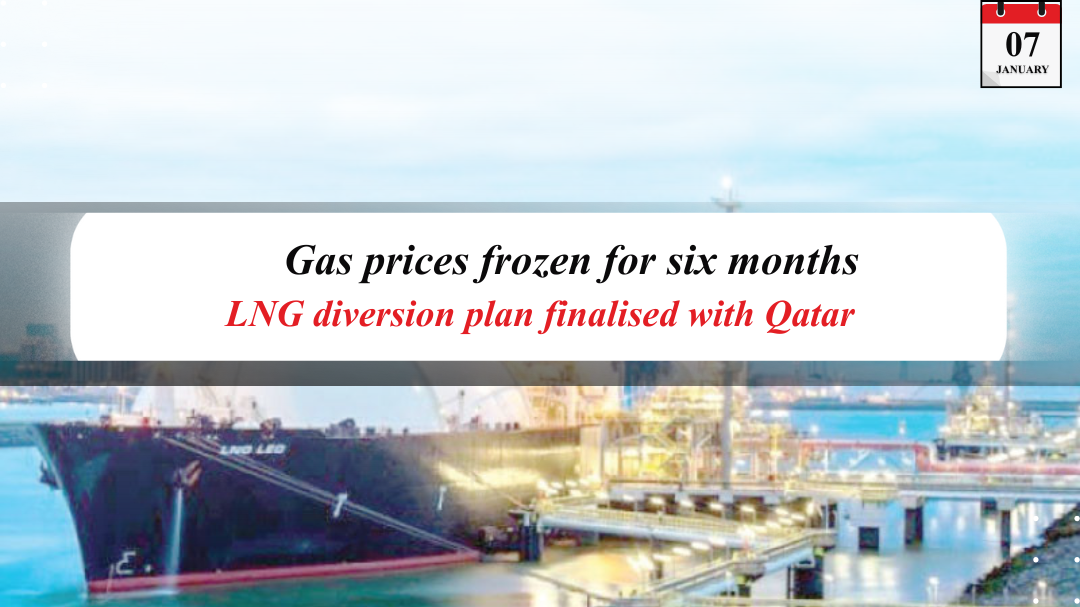
Pakistan received a long-term LNG cargo from Qatar on Monday after the vessel carrying the shipment was earlier diverted back from the Strait of Hormuz on July 31, providing relief to the country's gas supply amid disruptions to scheduled LNG deliveries.
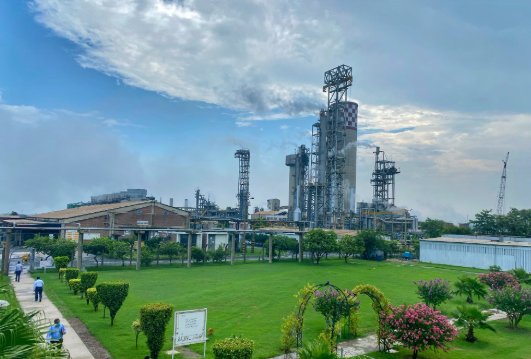
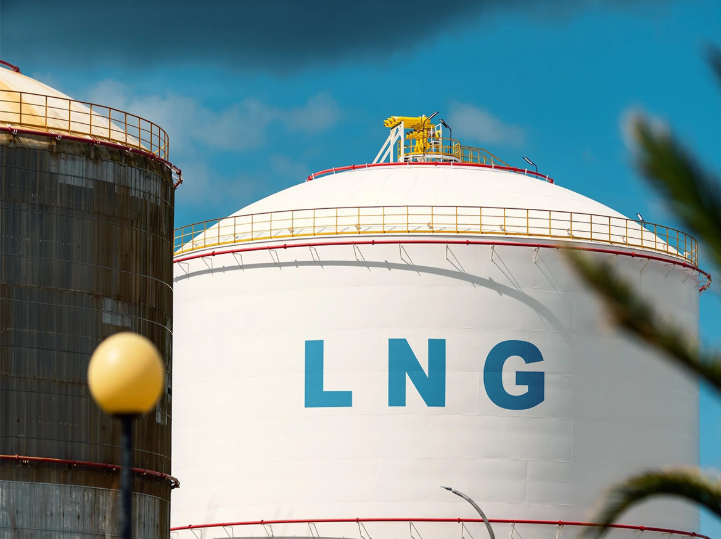
The LNG carrier Al Areesh berthed at the Pakistan GasPort Limited (PGPL) terminal at around 11:30am, carrying 141,550 cubic metres of LNG under Pakistan's government-to-government agreement with Qatar.
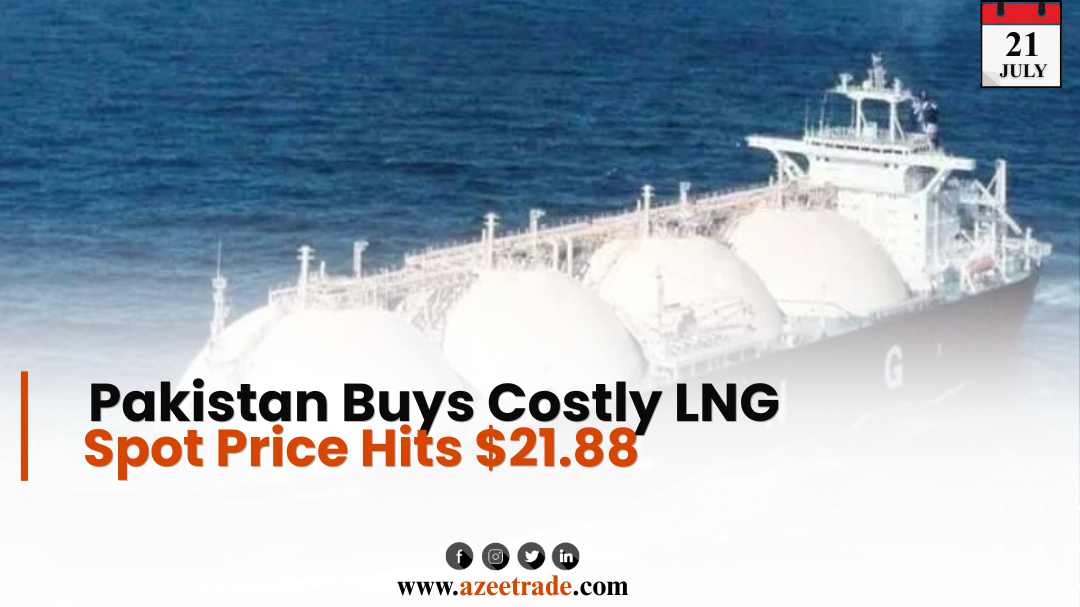
The cargo is priced at 13.37% of Brent, making it substantially cheaper than prevailing spot LNG prices, which have climbed above $21.12 per MMBtu. Fresh purchases through the spot market could potentially cost Pakistan more than $23 per MMBtu.
Senior government officials said Prime Minister Shehbaz Sharif, Federal Minister for Petroleum Ali Pervaiz Malik, and officials of the National Crisis Management Cell (NCMC) remained involved in efforts to secure safe passage for the already-loaded cargo through the Strait of Hormuz amid heightened tensions in the Gulf.
The shipment comes after QatarEnergy declared force majeure on March 4, 2026, following an attack on its Ras Laffan LNG production facilities on March 2. The force majeure affecting Pakistan was subsequently extended until August, disrupting scheduled long-term LNG supplies.
Officials said regular LNG deliveries under Pakistan's long-term agreement with QatarEnergy could resume if shipping conditions through the Strait of Hormuz return to normal.
Pakistan's two LNG import terminals Engro Elengy Terminal Pakistan Limited (EETPL) and Pakistan GasPort Limited (PGPL) currently have imported LNG stored in their floating storage and regasification units.
Once the LNG already stored at the terminals is degasified, officials expect one of the facilities to become available to receive another QatarEnergy cargo.
Pakistan had also imported a 140,000-cubic-metre spot LNG cargo on July 27 to partially address the supply shortfall caused by disruptions to long-term deliveries.
With the latest shipment, Pakistan's LNG imports during the current supply period since March 2026 have reached 14 cargoes.
Higher LNG procurement costs could also put pressure on electricity tariffs, with officials estimating that electricity generated from imported LNG currently costs around Rs35.5 per unit.























































-falls-to-rs43.57tr)















































































































-rises-to-rs44.35-trillion)























-surges-to-rs44.23-trillion-as-bank-deposits-jump)


































































-falls-weekonweek-to-rs40.95tr)














































































































































































-ltd-reports-strong-halfyearly-results-–-profit-surged)

























































































)













Add a comment