
 (1).png)
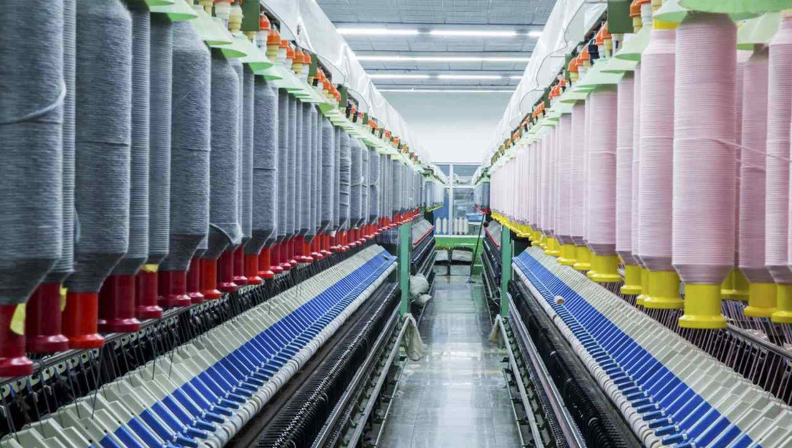
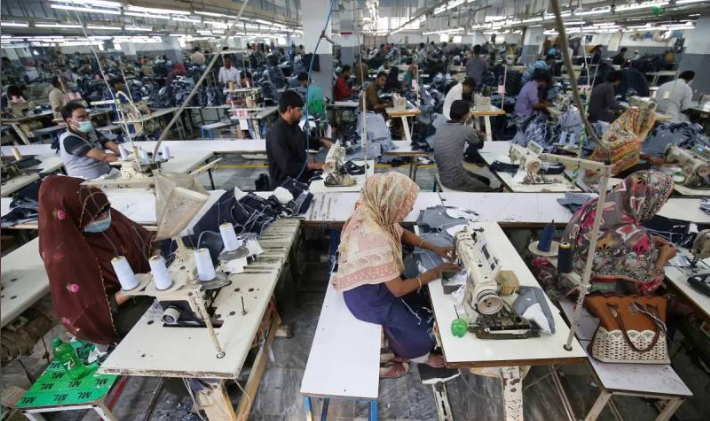
Pakistan's leading textile exporters have urged Prime Minister Shehbaz Sharif to take immediate action to resolve key structural challenges affecting the country's largest export industry, warning that continued delays could further weaken export competitiveness.
In a representation submitted by the Pakistan Textile Council (PTC), exporters highlighted rising production costs, delays in implementing the enhanced Export Refinance Scheme, and a severe domestic cotton shortage as the main obstacles to export growth.
According to the Pakistan Bureau of Statistics (PBS), textile and apparel exports reached $17.93 billion in FY26, compared with $17.88 billion in FY25, reflecting growth of just 0.26%. Exports also declined 16.7% year-on-year in June 2026.
The council said higher labour costs following the recent minimum wage increase, along with employer contributions to social welfare institutions, have significantly increased operating expenses. It also called for industrial electricity tariff rationalization, arguing that high-voltage industrial consumers continue to pay above the actual cost of service.
Exporters further expressed concern over delays in operationalising the government's expanded Export Refinance Scheme, stating that manufacturers continue to rely on costly commercial financing while regional competitors benefit from low-cost export credit.
The PTC also warned that Pakistan's cotton production has fallen to around 5.5 million bales, the lowest level in nearly three decades, increasing dependence on imported cotton.
The council urged the government to reduce employer EOBI contributions, implement electricity tariff reforms, activate the enhanced export refinance facility, and introduce a comprehensive strategy to revive domestic cotton production, saying these measures are essential to restore the sector's competitiveness and accelerate export growth.





















































-falls-to-rs43.57tr)






































































































-rises-to-rs44.35-trillion)























-surges-to-rs44.23-trillion-as-bank-deposits-jump)




























































-falls-weekonweek-to-rs40.95tr)

































































































































































-ltd-reports-strong-halfyearly-results-–-profit-surged)

























































































)













Add a comment