 (1).png)
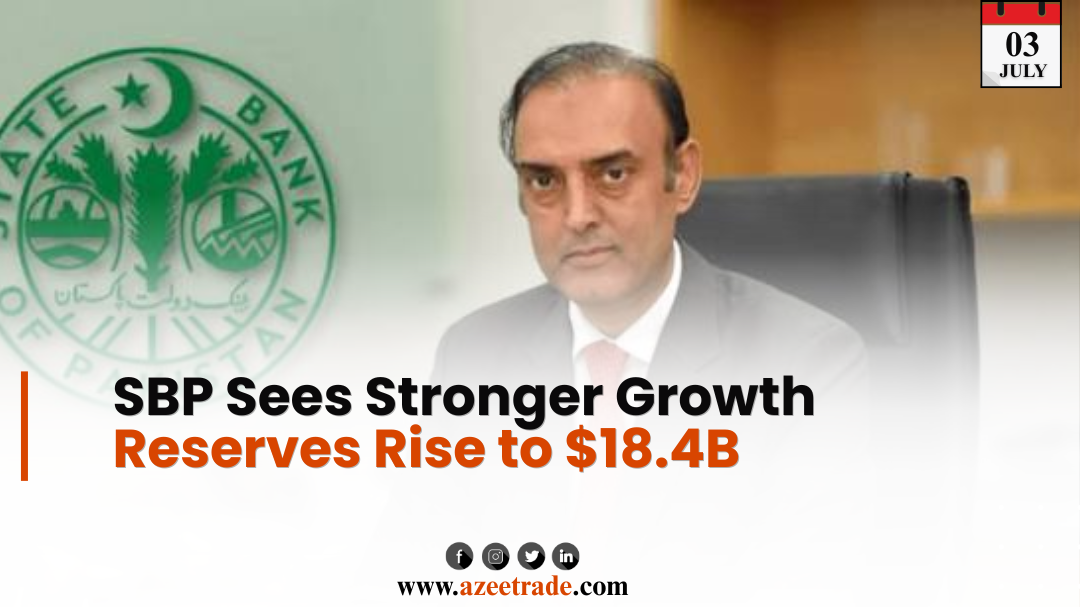
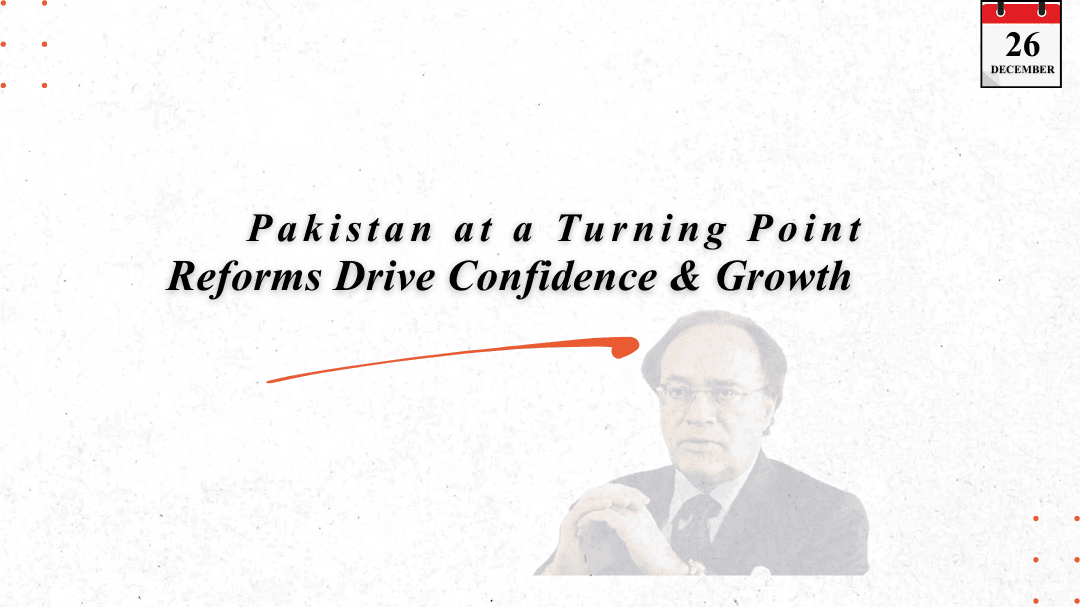
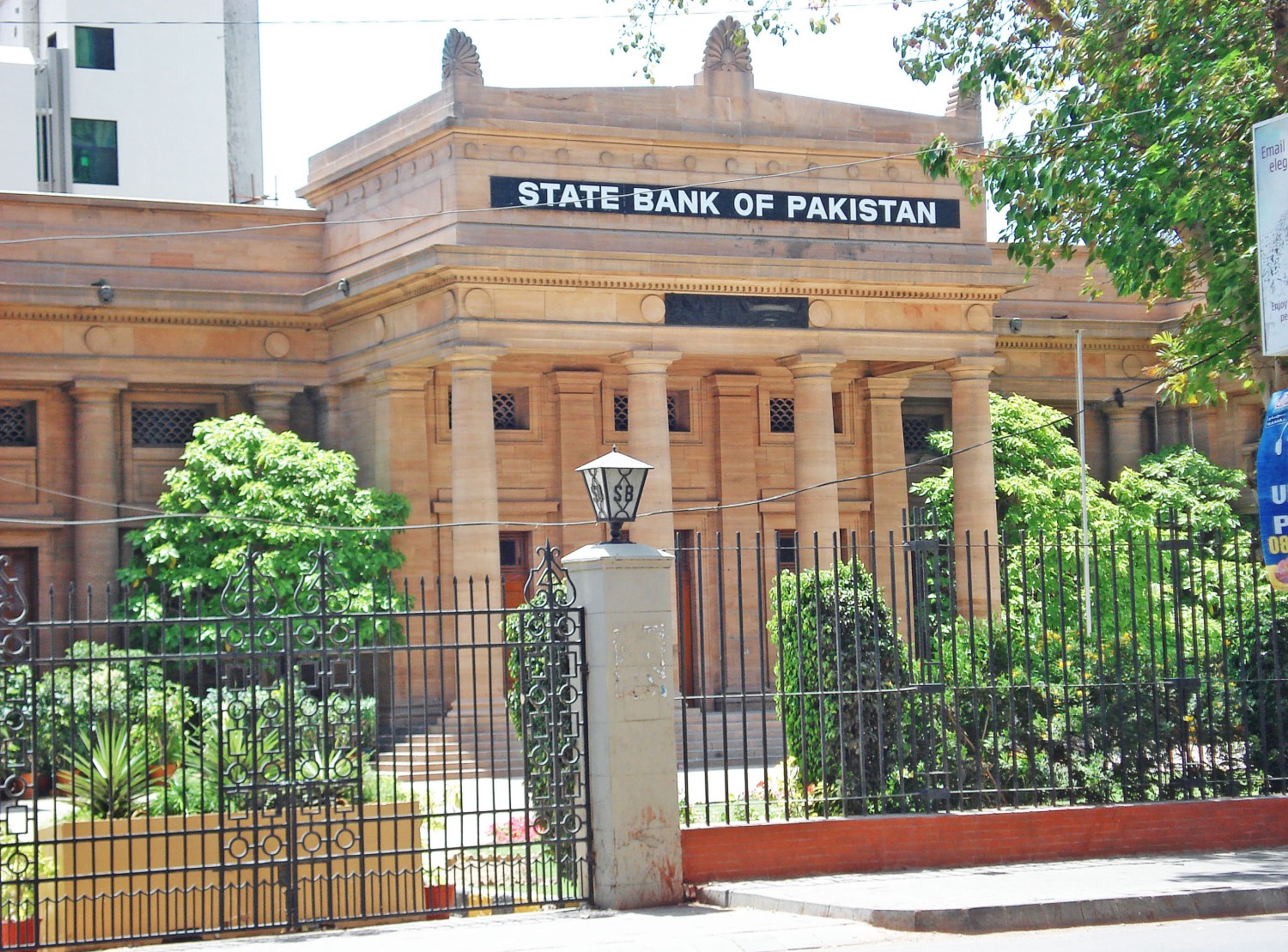
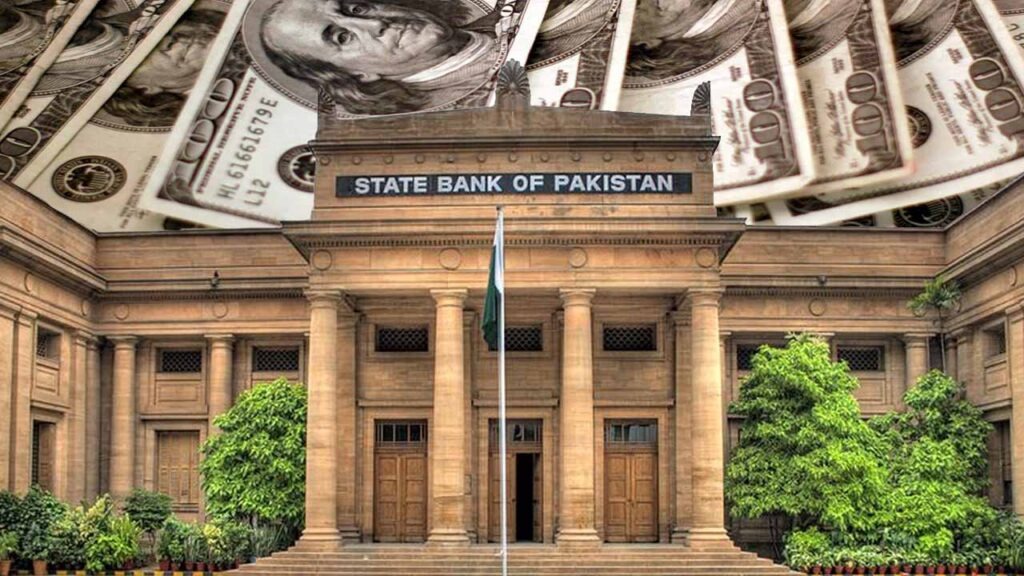
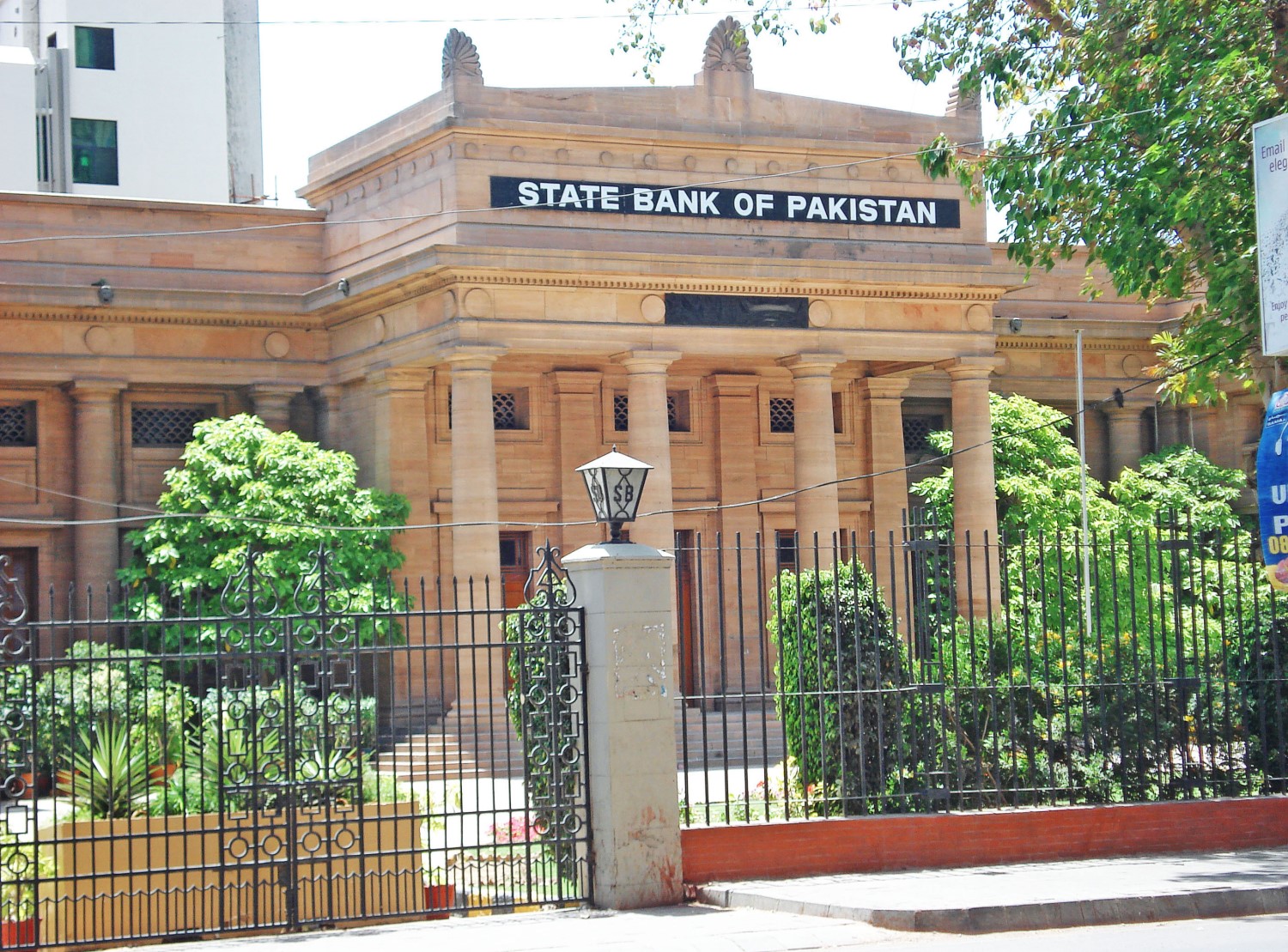
State Bank of Pakistan (SBP) Governor Jameel Ahmad has projected that Pakistan's economy will continue to strengthen in the coming fiscal year, with GDP growth expected to reach around 4% in FY2027, supported by improving industrial activity, stronger external accounts, rising foreign exchange reserves, and sustained remittance inflows.
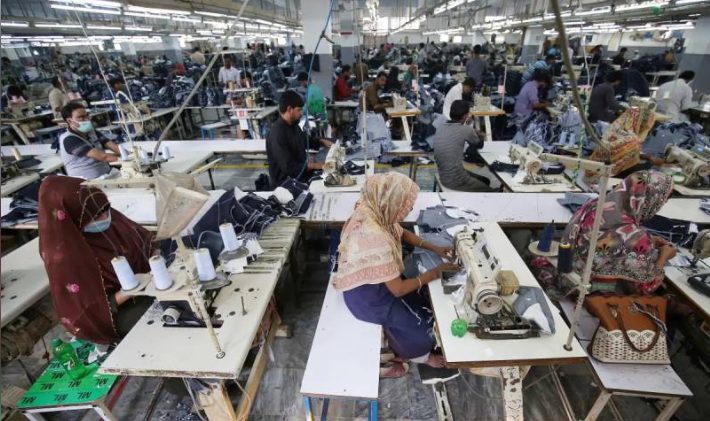
At a press conference, the governor said economic activity has gained momentum during FY2026, with Large-Scale Manufacturing (LSM) recording average growth of around 6%, while several months witnessed double-digit expansion. He noted that the industrial sector is expected to remain the primary driver of economic growth in FY2027.
Ahmad said Pakistan's FY2026 GDP growth is now estimated in the range of 3.75% to 4.75%, slightly below earlier expectations of above 4% due to geopolitical tensions in the Middle East. Nevertheless, he described the overall economic recovery as broad-based and in line with the central bank's projections.
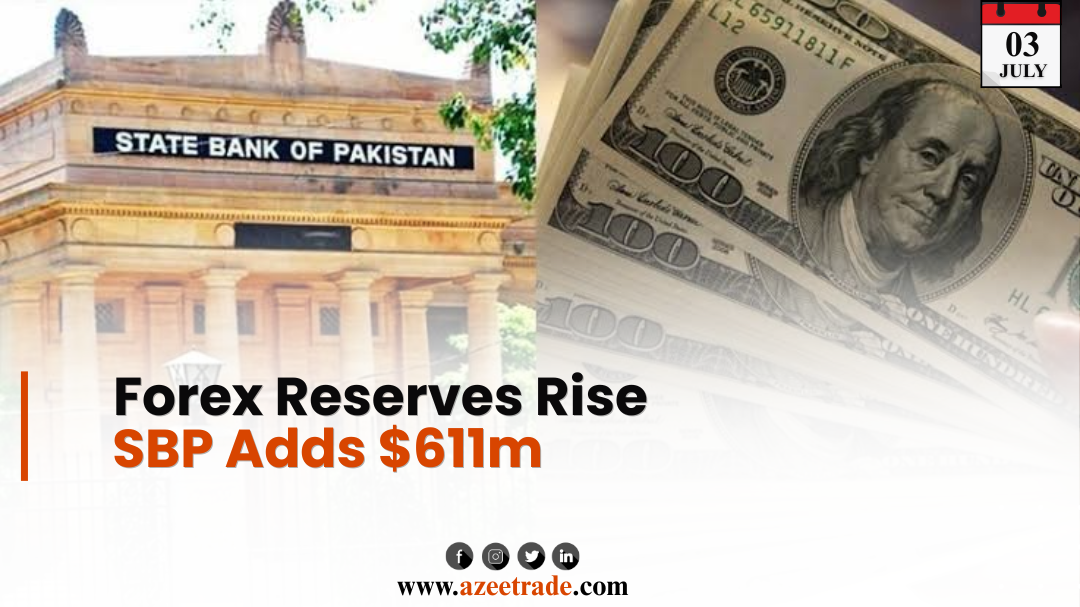
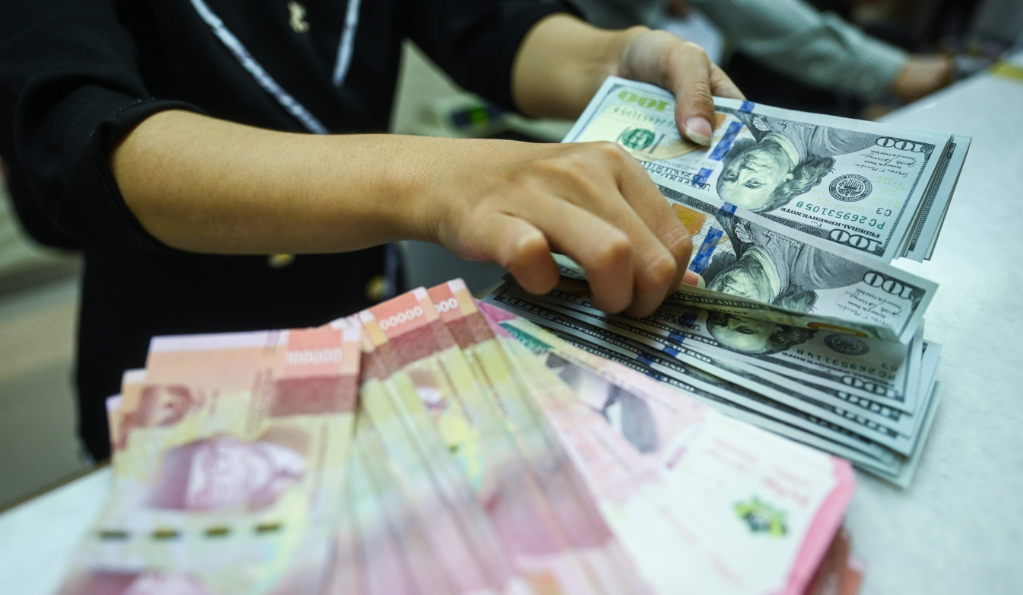
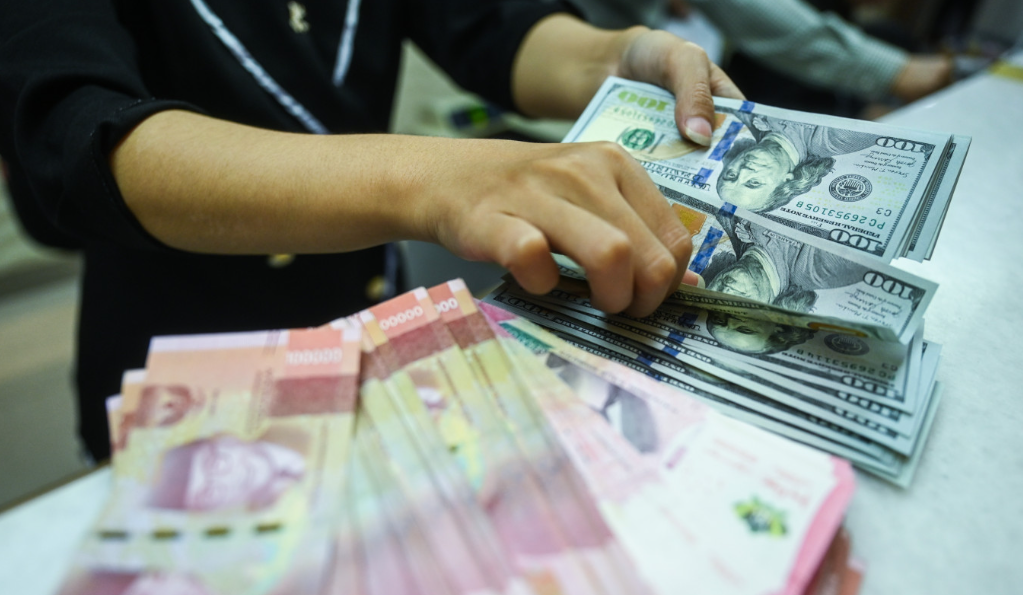
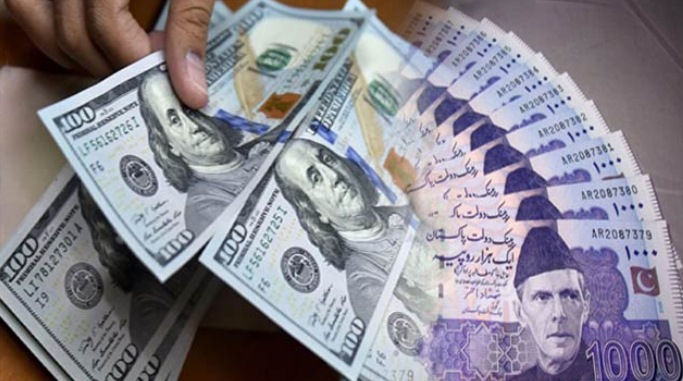
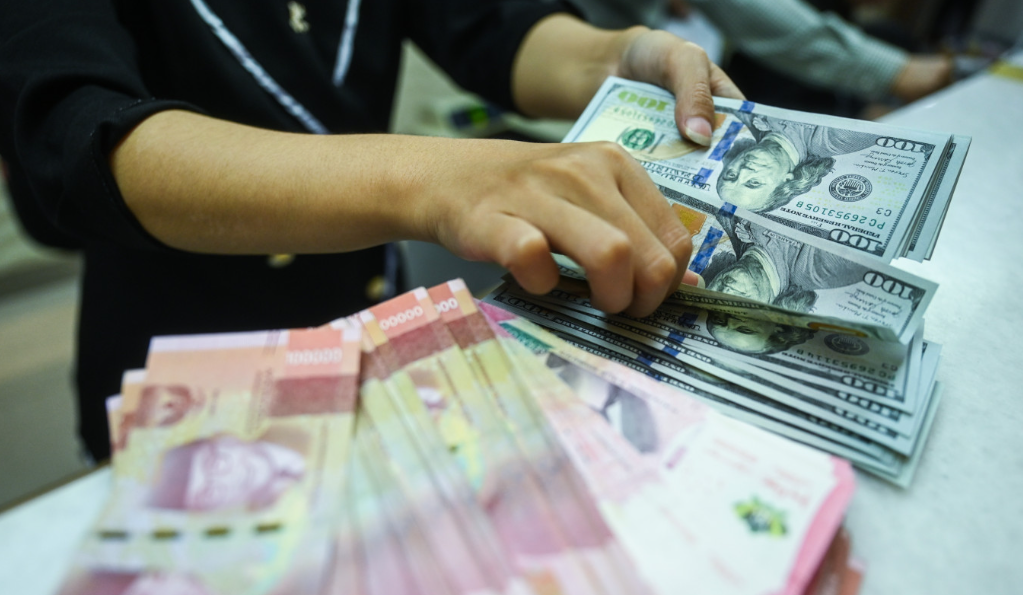
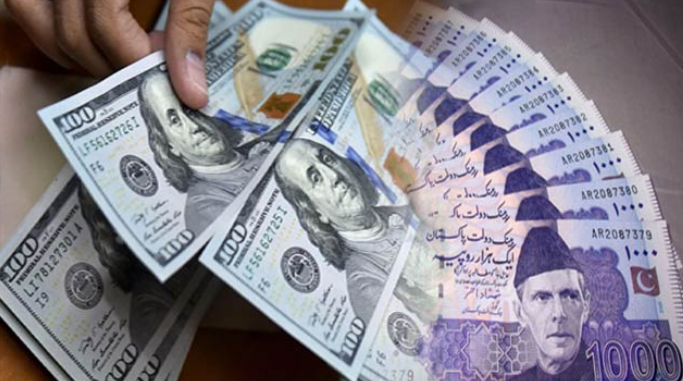
The governor highlighted a significant improvement in Pakistan's external sector, noting that SBP's foreign exchange reserves increased to $18.4 billion by the end of FY2026, compared with $13 billion a year earlier. He added that the reserve build-up was achieved despite external debt repayments of nearly $8 billion during June alone.
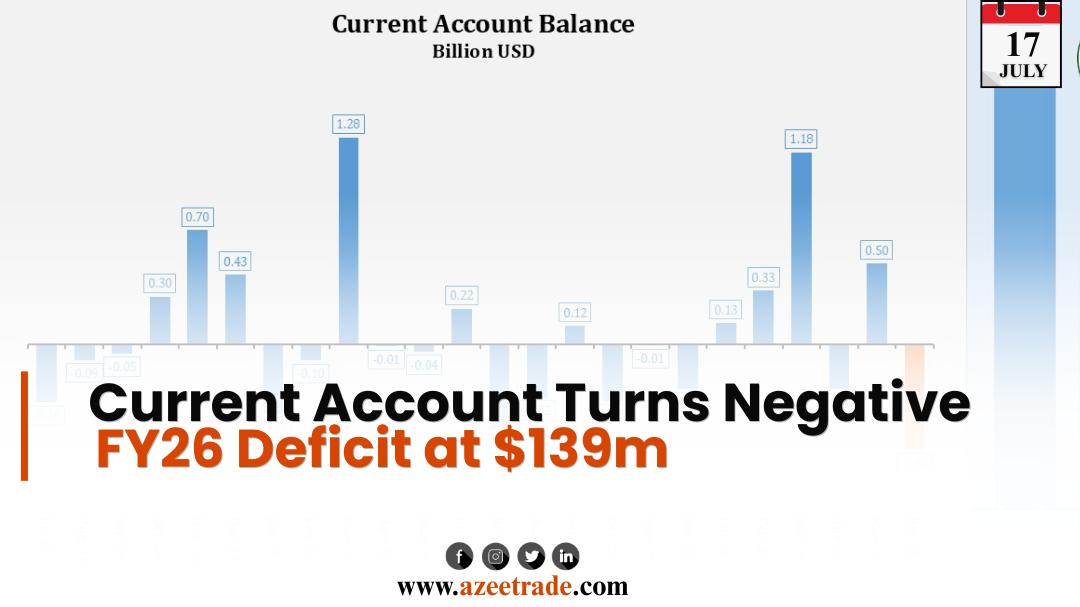
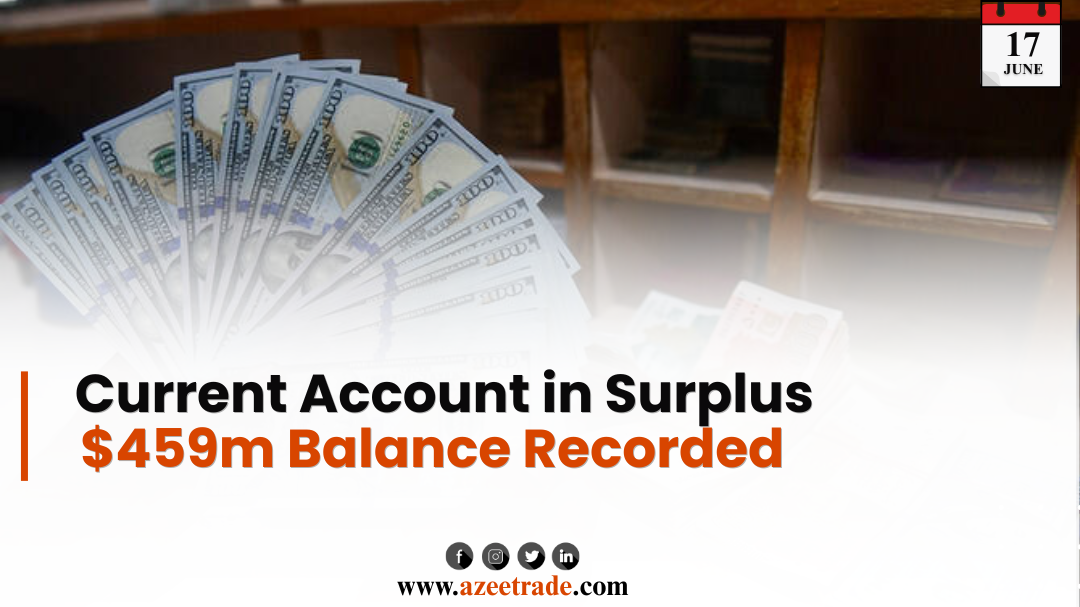
According to Ahmad, Pakistan's external position has strengthened considerably over the past few years. The current account deficit, which stood at $17.5 billion (4.7% of GDP) in FY2022, narrowed sharply over subsequent years before turning into a surplus. During the first eleven months of FY2026, the current account remained in surplus, with the SBP expecting the full-year balance to remain within 0% to 1% of GDP.
The governor also pointed out that Pakistan's foreign exchange resilience has improved substantially. Excluding external debt repayments, foreign exchange reserves would have reached approximately $23 billion, highlighting the strength of external inflows. He further noted that banks' forward foreign exchange liabilities have declined significantly from $5.8 billion in FY2023 to below $1 billion by the end of FY2026, easing pressure on the country's external financing position.
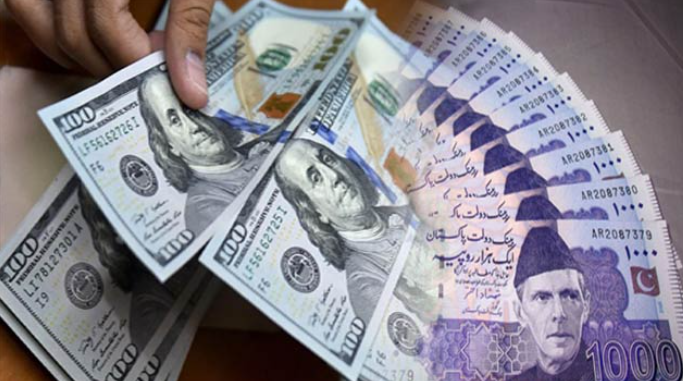
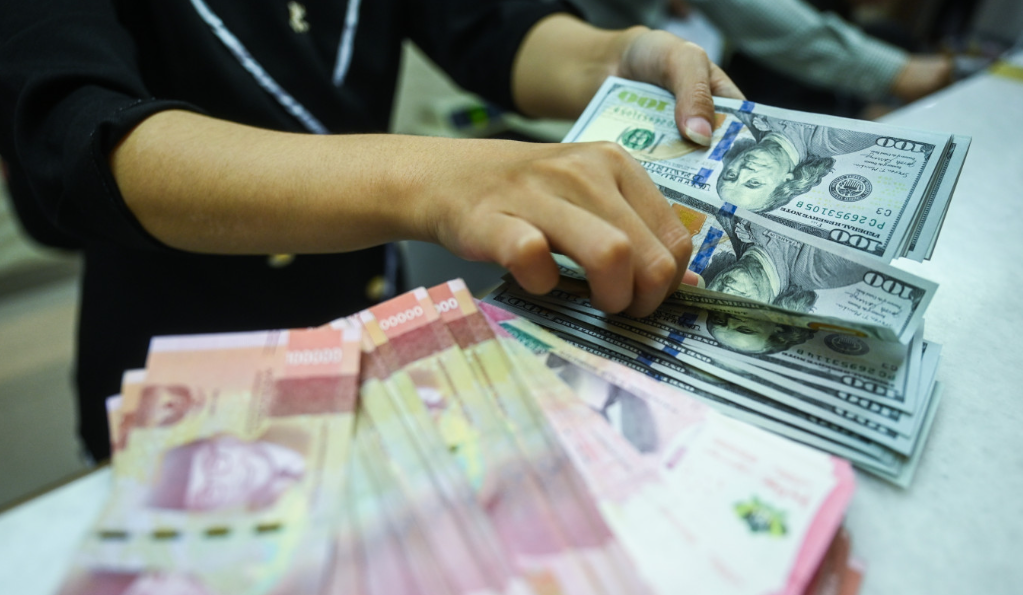
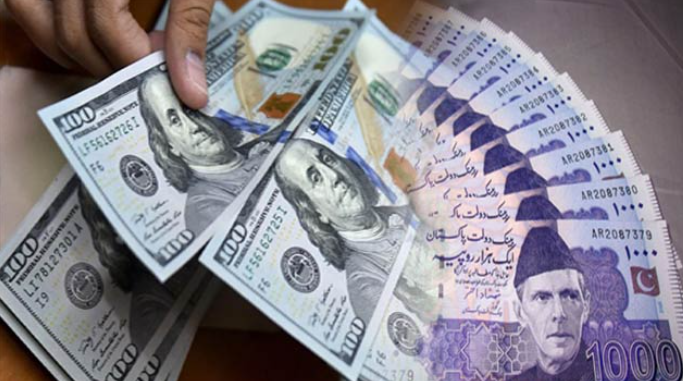
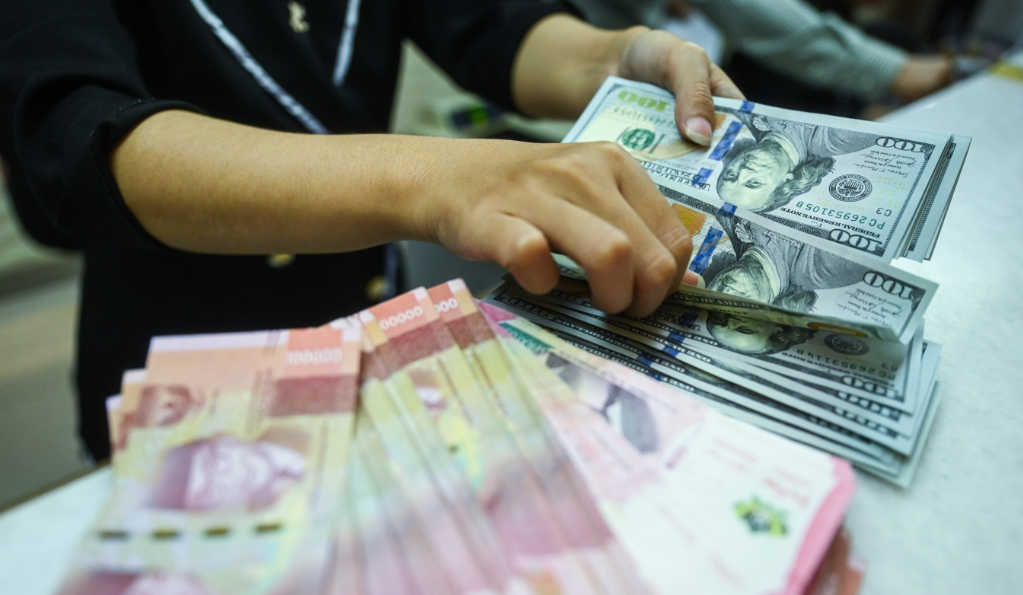
Workers' remittances continued to provide strong support to the economy. Preliminary estimates indicate that overseas Pakistanis remitted more than $41.5 billion during FY2026, exceeding last year's level despite regional geopolitical uncertainty. Looking ahead, the SBP expects remittance inflows to increase further to around $44 billion in FY2027.
Ahmad announced that the Sohni Dharti Remittance Program (SDRP) and the Telegraphic Transfer Charges Incentive Scheme (TTCIS) will no longer receive government subsidies. However, commercial banks and exchange companies will continue operating these schemes using their own resources, ensuring overseas Pakistanis continue receiving remittance services without additional charges.
The governor also highlighted positive developments in the Roshan Digital Account (RDA) initiative, stating that monthly inflows have improved to approximately $300 million, reflecting growing confidence among overseas Pakistanis.
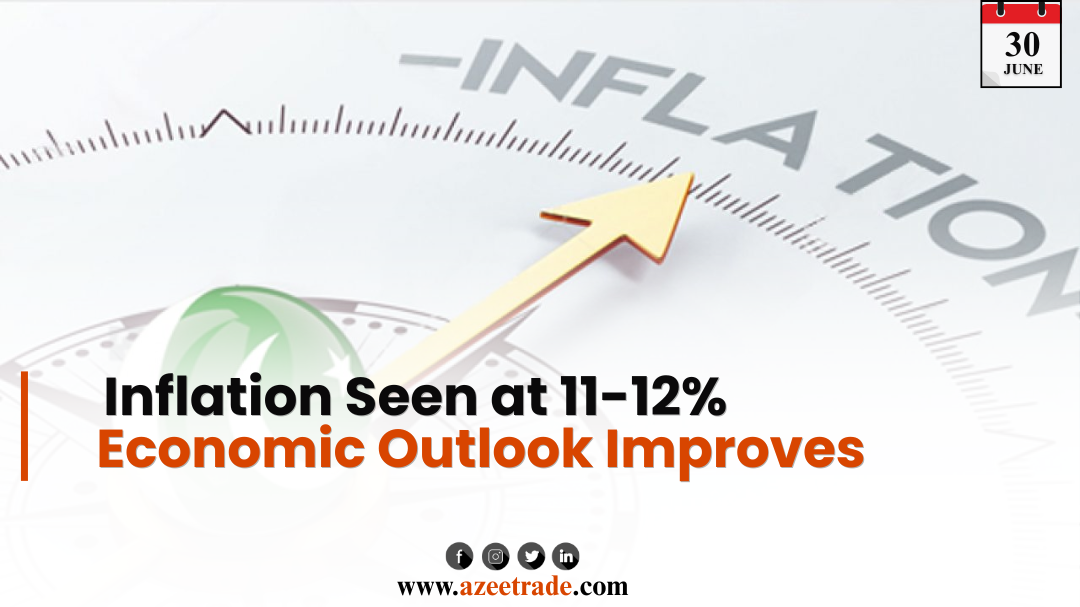
On inflation, Ahmad said average inflation for FY2026 stood at approximately 7.04%, remaining close to the SBP's medium-term target despite higher fuel prices toward the end of the fiscal year. He acknowledged that inflation accelerated to 11.1% year-on-year in June, mainly due to petroleum price adjustments, but expressed confidence that macroeconomic stability remains intact.
Commenting on Pakistan's external trade, the governor said export earnings are expected to recover during FY2027 despite the widening trade deficit recorded in FY2026. He emphasized that continued structural reforms, stronger industrial output, healthy remittance inflows, and prudent monetary management are expected to support sustainable economic growth and further strengthen Pakistan's macroeconomic fundamentals in the coming year.



















































































































































































































































































































































































































Add a comment