
 (1).png)
Pakistan's Real Effective Exchange Rate (REER) rose to 106.44 in June 2026, up from 106.08 recorded in May, according to the latest data. The index increased 0.34% month-on-month and 8.58% year-on-year, compared with 98.03 in June 2025.
The increase in the REER reflects a relative strengthening of the Pakistani rupee after adjusting for inflation against the currencies of the country's major trading partners.
Meanwhile, the Nominal Effective Exchange Rate (NEER) also moved higher, reaching 38.14 in June from 37.90 in the previous month. The index registered a 0.64% monthly increase and was 1.10% higher than 37.72 recorded in June 2025.
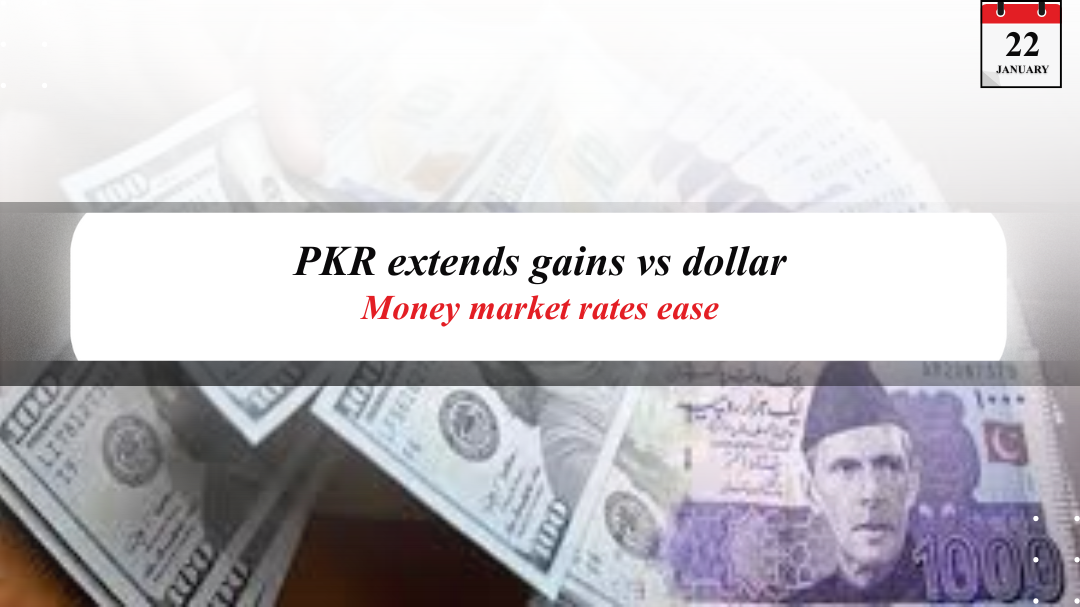
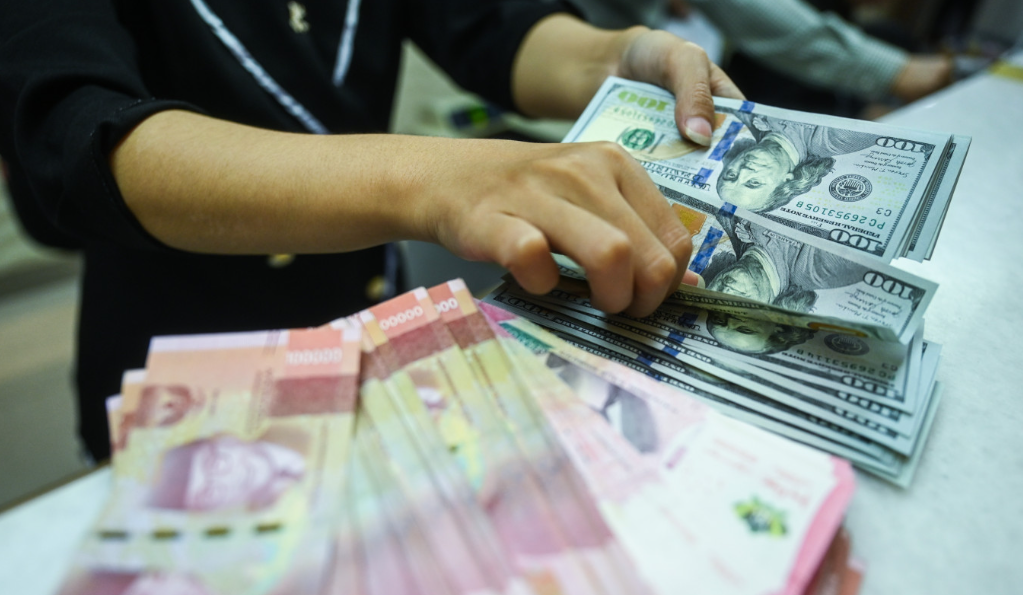
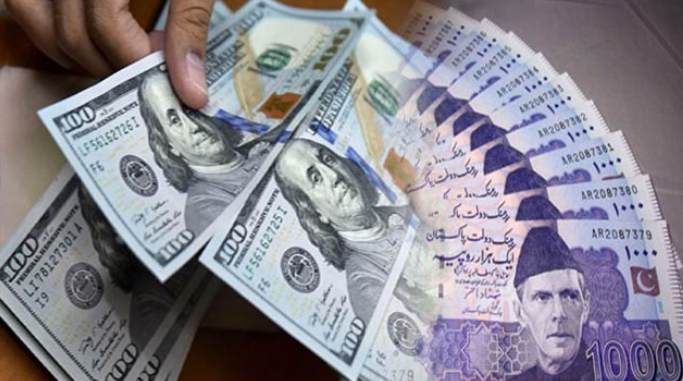
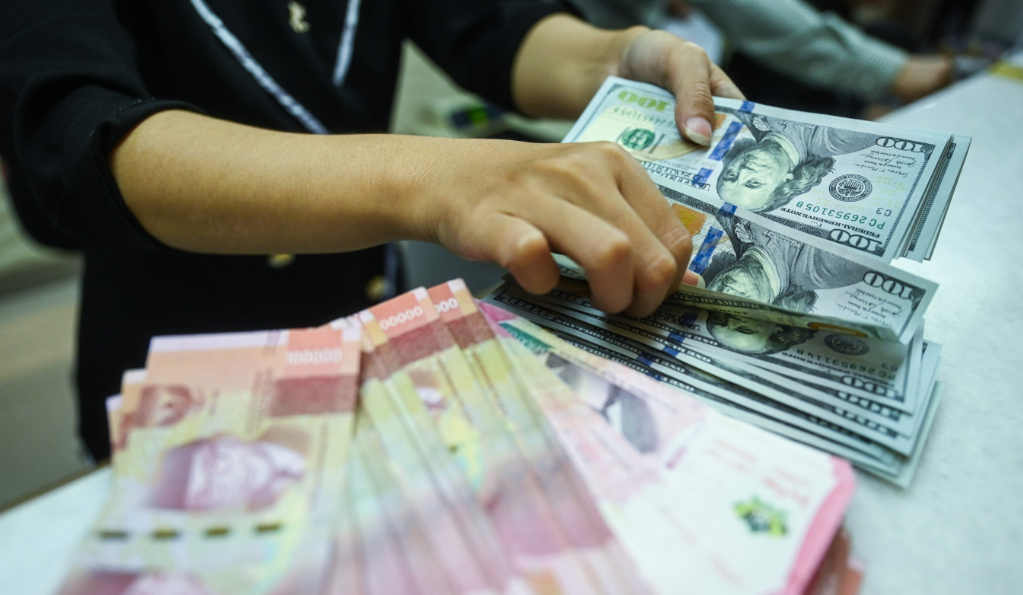
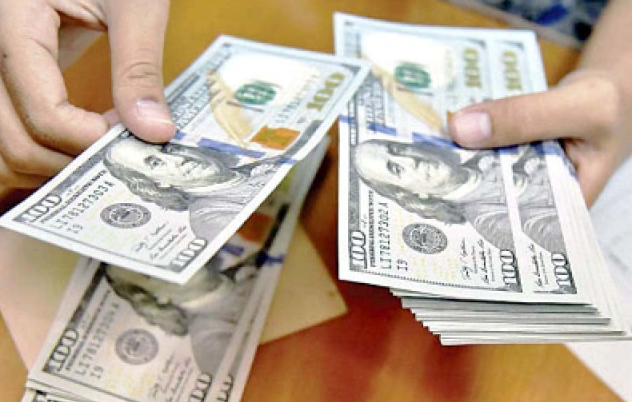
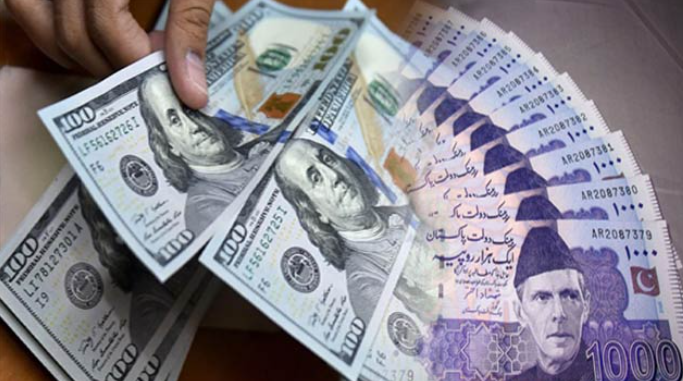
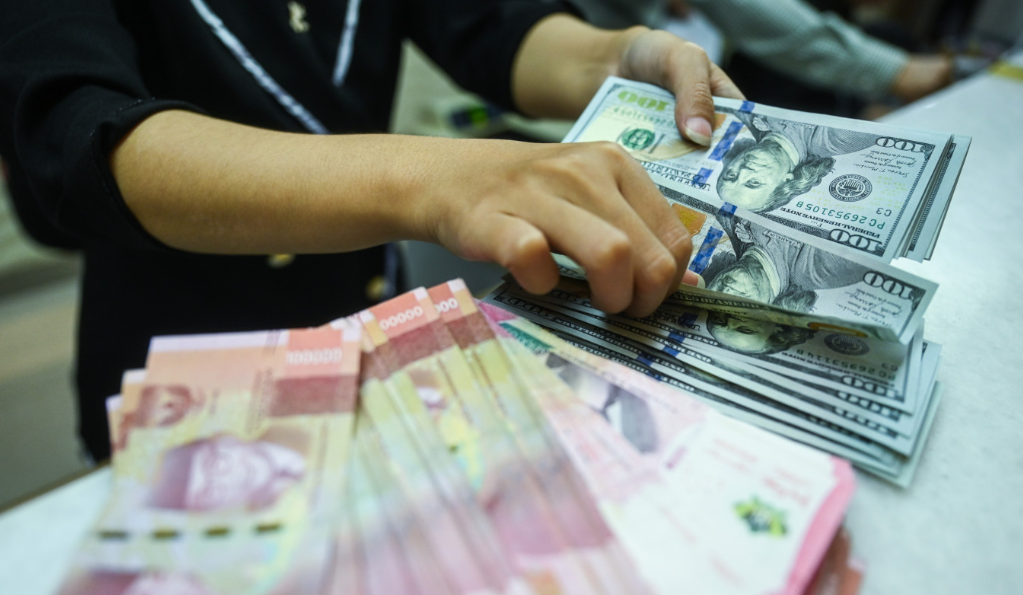
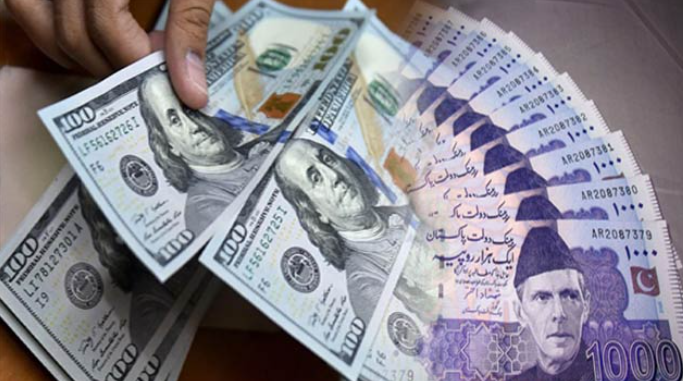
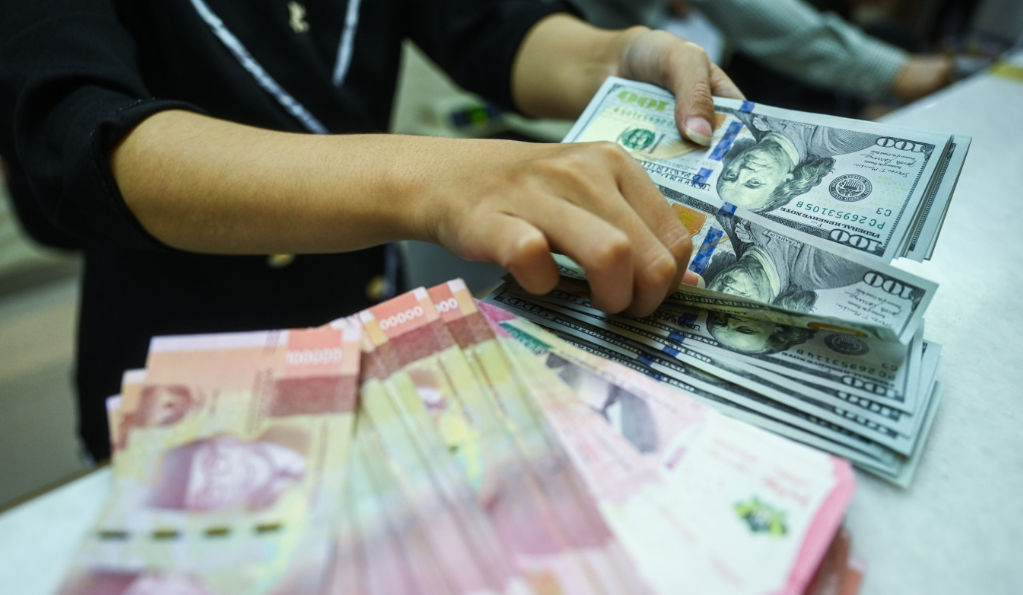
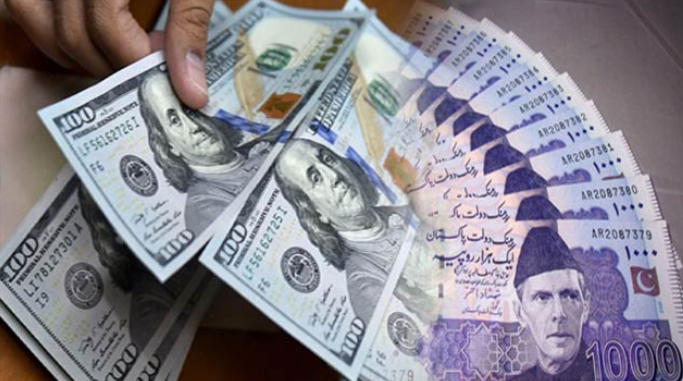
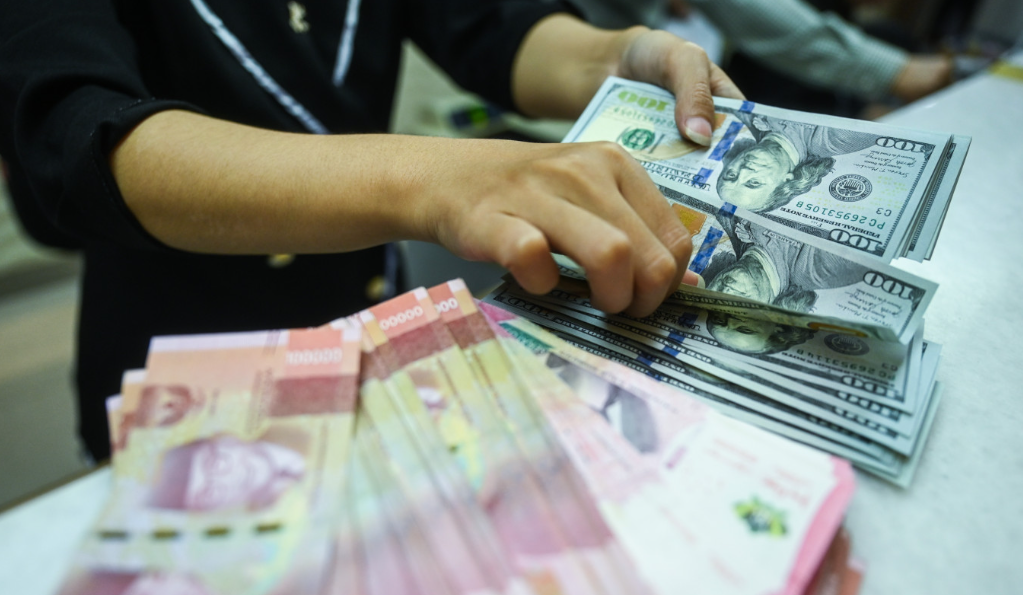
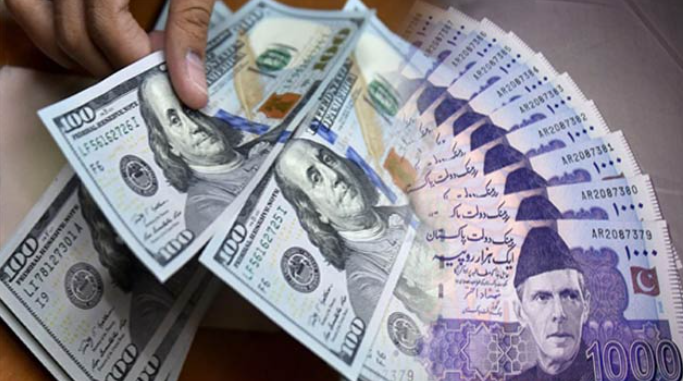
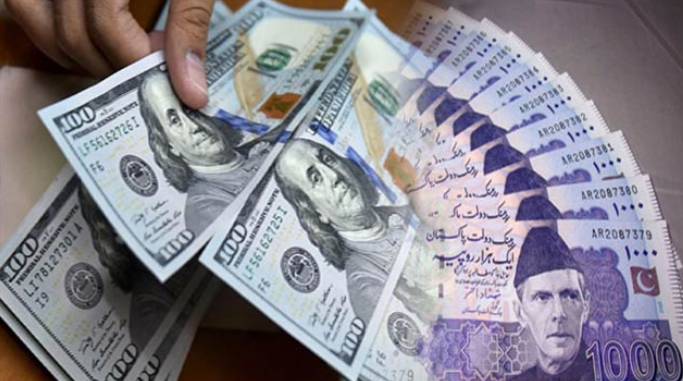
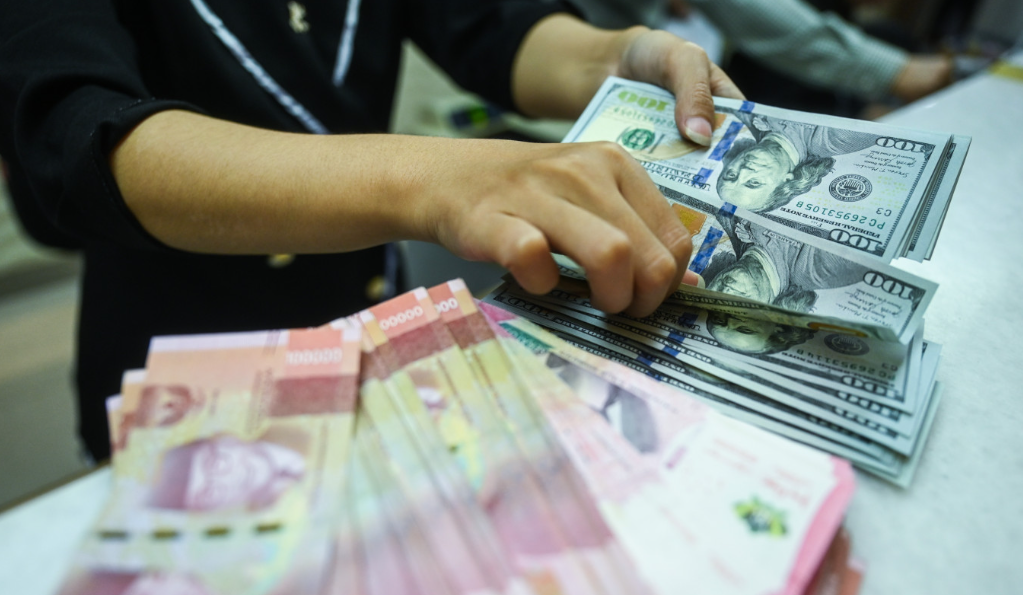
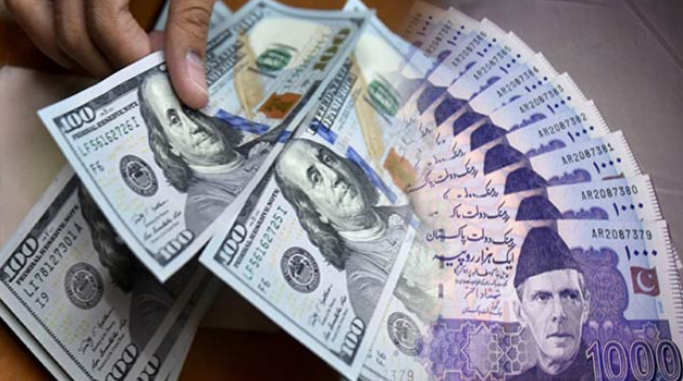
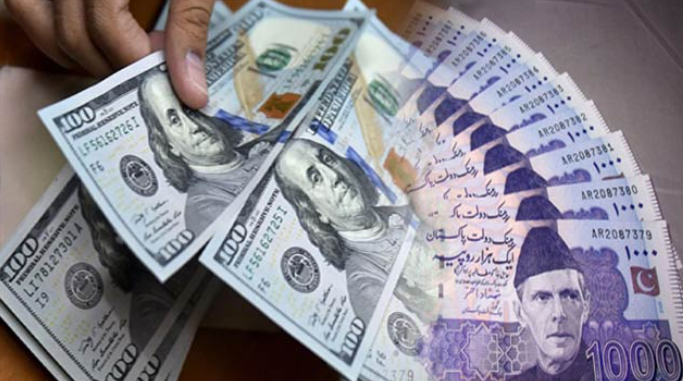
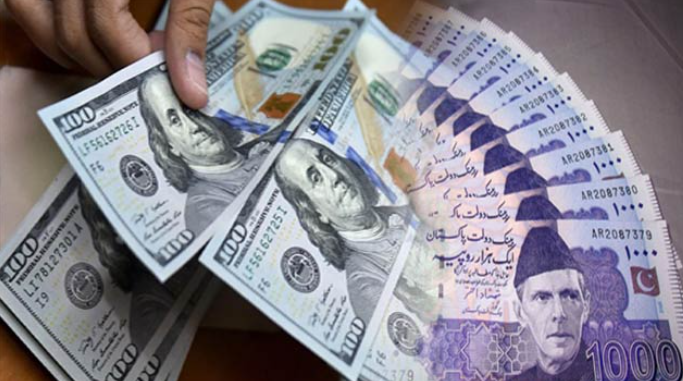
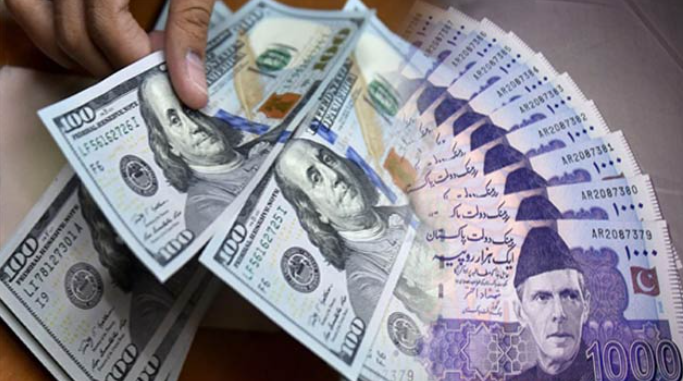
The Pakistani rupee also appreciated against the US dollar during the month. The local currency closed at Rs278.1614 per US dollar in June, strengthening 0.22% from Rs278.7613 in May. On a year-on-year basis, the rupee gained 1.97%, compared with Rs283.7645 per dollar in June 2025.
The REER is a broad measure of a country's currency value against those of its major trading partners after accounting for differences in inflation. It is widely used to assess a country's external trade competitiveness.
A higher REER generally indicates that a country's exports become relatively more expensive in international markets, while imports become cheaper. As a result, a sustained increase in the index may signal a decline in export competitiveness.
The index is calculated by comparing the price of a basket of goods in Pakistan with similar baskets in its trading partners, with each country weighted according to its share in Pakistan's imports, exports, or overall foreign trade.
Economists note that a REER value of 100 should not be interpreted as the equilibrium level of the currency. Instead, it serves as a benchmark based on the average value recorded in 2010, meaning movements above or below 100 simply indicate changes relative to that base year.
While NEER, measures the weighted average movement of Pakistan's nominal exchange rate against a basket of currencies of its major trading partners, without adjusting for inflation.

















































-falls-to-rs43.57tr)


























































































-rises-to-rs44.35-trillion)


















-surges-to-rs44.23-trillion-as-bank-deposits-jump)




















































-falls-weekonweek-to-rs40.95tr)








































































































































-ltd-reports-strong-halfyearly-results-–-profit-surged)







































































)










Add a comment