 (1).png)
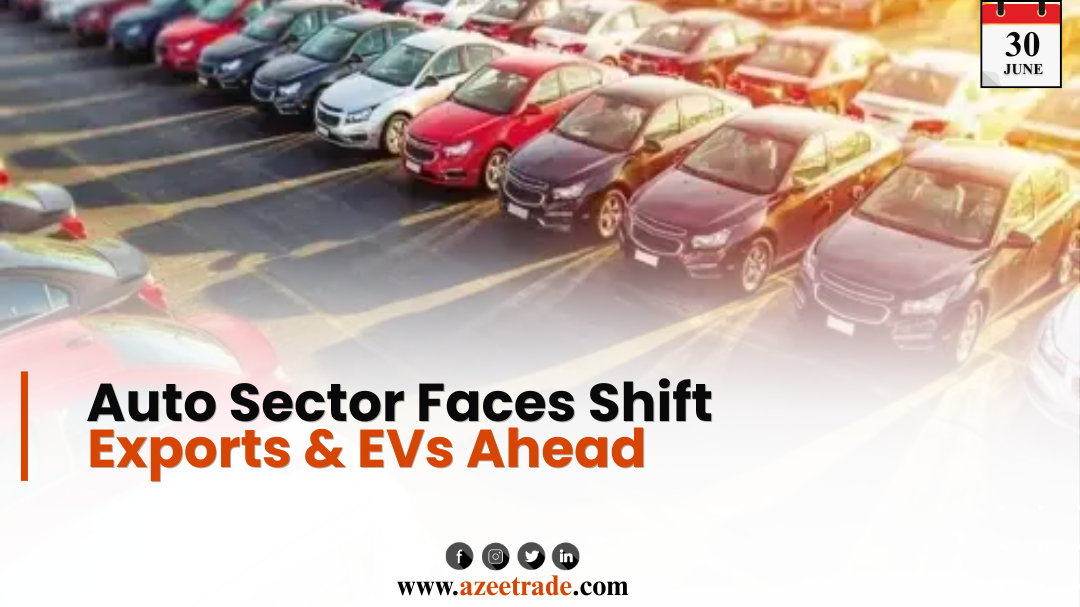
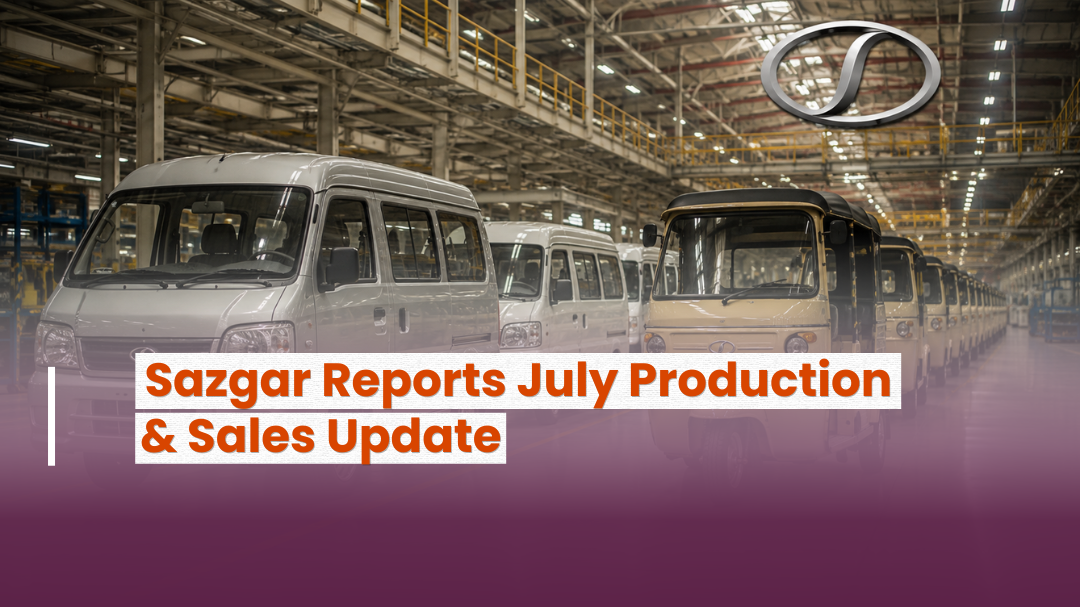
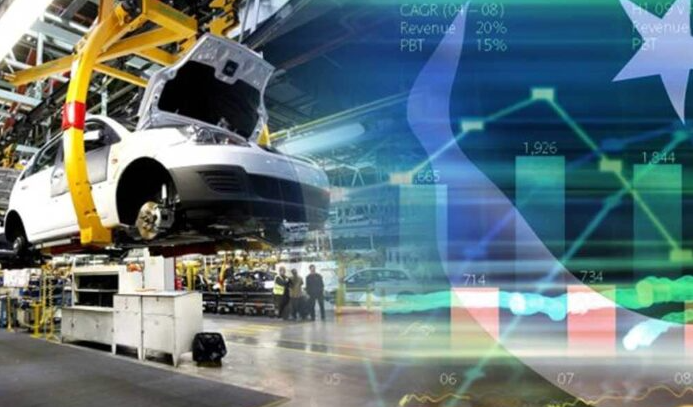
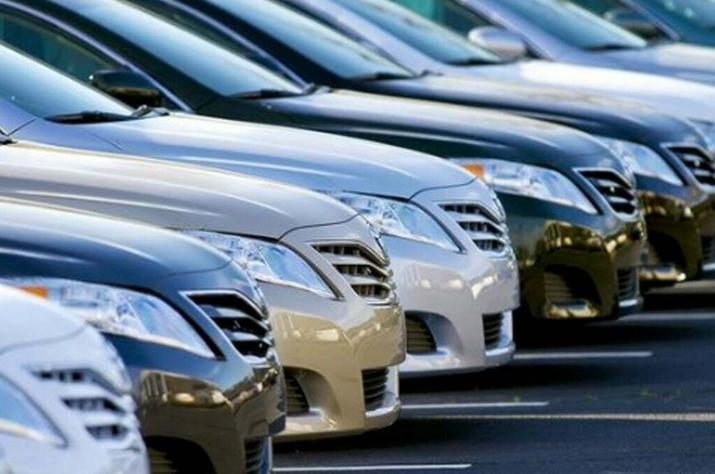
Pakistan’s automotive industry is set to undergo a major transformation as decades of tariff protection for local vehicle assemblers are gradually phased out under the IMF-backed Tariff Rationalisation Plan, prompting manufacturers to shift towards export-oriented production and electric vehicle (EV) technologies.
Under the proposed Auto Industry Development Plan (AIDP) 2026-31, the government aims to reposition Pakistan’s automotive sector by enhancing global competitiveness, encouraging exports, and accelerating the transition from internal combustion engine (ICE) vehicles to cleaner mobility solutions.
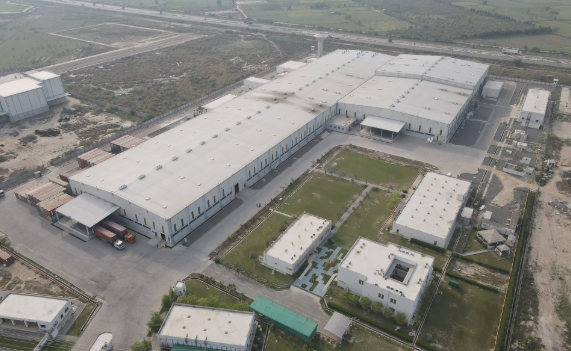
The tariff rationalisation programme, which will continue through FY2029-30, will gradually reduce the protection historically provided to Completely Knocked Down (CKD) assembly operations. As import duties decline, local manufacturers will face increasing competition and will need to improve efficiency, product quality, and international competitiveness.
Industry experts believe the long-term sustainability of Pakistan’s automotive sector will depend on its ability to secure export opportunities. This will require local manufacturers to renegotiate agreements with foreign automotive partners, many of which currently restrict exports from Pakistan to regional markets. Expanding exports to Africa, Central Asia, and the Middle East is viewed as a key strategic objective.
The proposed policy also emphasizes compliance with international UNECE WP.29 vehicle safety and regulatory standards, enabling locally manufactured vehicles and components to meet global quality requirements and access overseas markets.
While the Ministry of Industries and Production supports measures to safeguard domestic manufacturing, differences remain within the government over the pace of tariff reforms. The Ministry of Commerce, Ministry of Finance, and the Federal Board of Revenue (FBR) are advocating faster tariff rationalisation as part of broader fiscal and trade reforms.
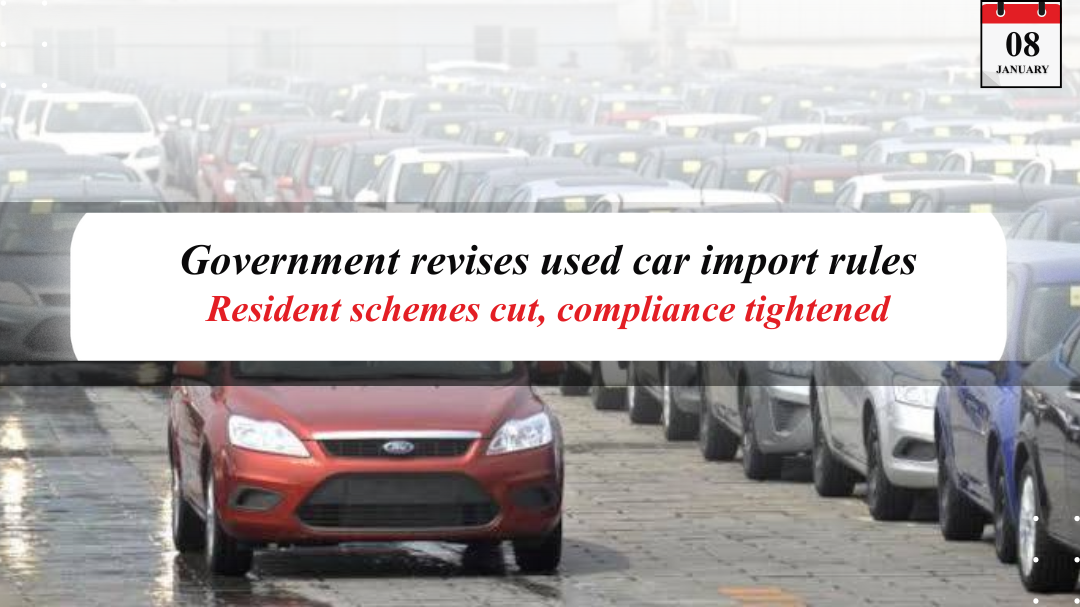
Industry stakeholders have also urged the government to establish a comprehensive regulatory framework governing used vehicle imports before full market liberalisation. They argue that strict standards on vehicle age, emissions, and safety are essential to protect domestic manufacturers from an influx of low-cost imported vehicles.
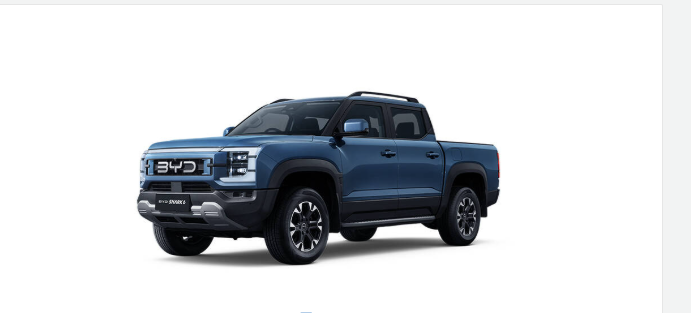
The policy framework also outlines fiscal measures to encourage electric vehicle adoption. Proposed incentives include lower customs duties on advanced EV components, tax relief for clean technologies, and revised excise duty structures designed to promote electric mobility while maintaining government revenues.
However, industry participants caution that widespread EV adoption will require substantial investment in charging infrastructure and electricity distribution. Many experts have suggested that hybrid technologies, including plug-in hybrid electric vehicles (PHEVs) and range-extended electric vehicles (REEVs), could provide a more practical transition pathway before the country moves toward full battery electric vehicles.
The proposed roadmap envisions a phased implementation, beginning with regulatory reforms in FY2026-27, followed by expanded EV incentives and hybrid vehicle support, before transitioning to a more liberalized and export-oriented automotive market after 2030.
The policy remains under discussion, with key issues—including localisation requirements, tariff reforms, fiscal implications, and export arrangements with global automakers—yet to be finalized. Industry participants believe that a stable and predictable policy framework will be essential to attract long-term investment and position Pakistan as a competitive automotive manufacturing hub.

































-falls-to-rs43.57tr)














































-rises-to-rs44.35-trillion)







-surges-to-rs44.23-trillion-as-bank-deposits-jump)














-falls-weekonweek-to-rs40.95tr)



























































-ltd-reports-strong-halfyearly-results-–-profit-surged)












































)





Add a comment