 (1).png)
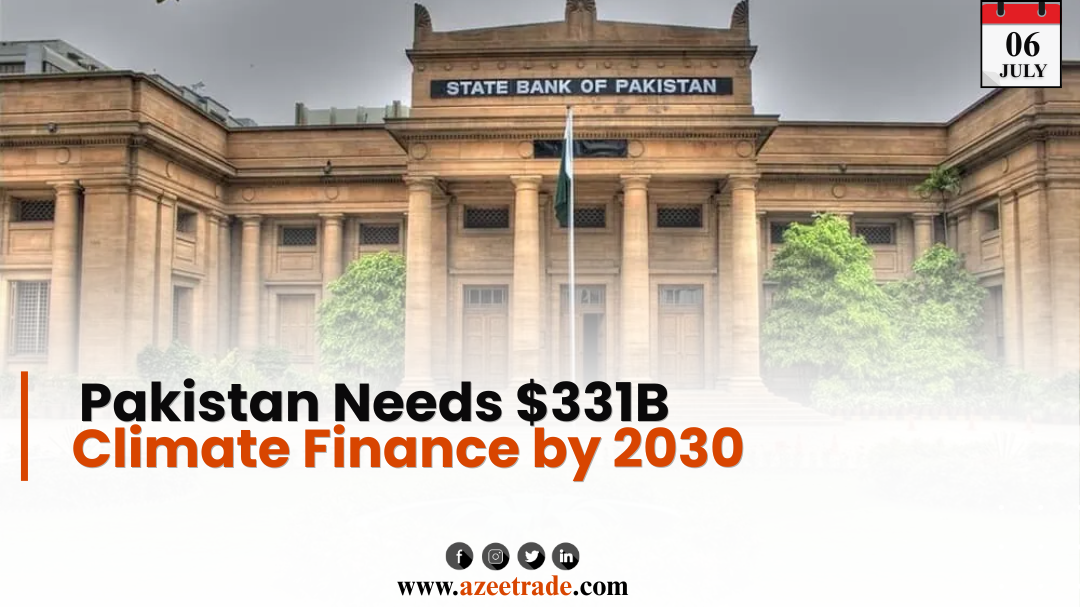
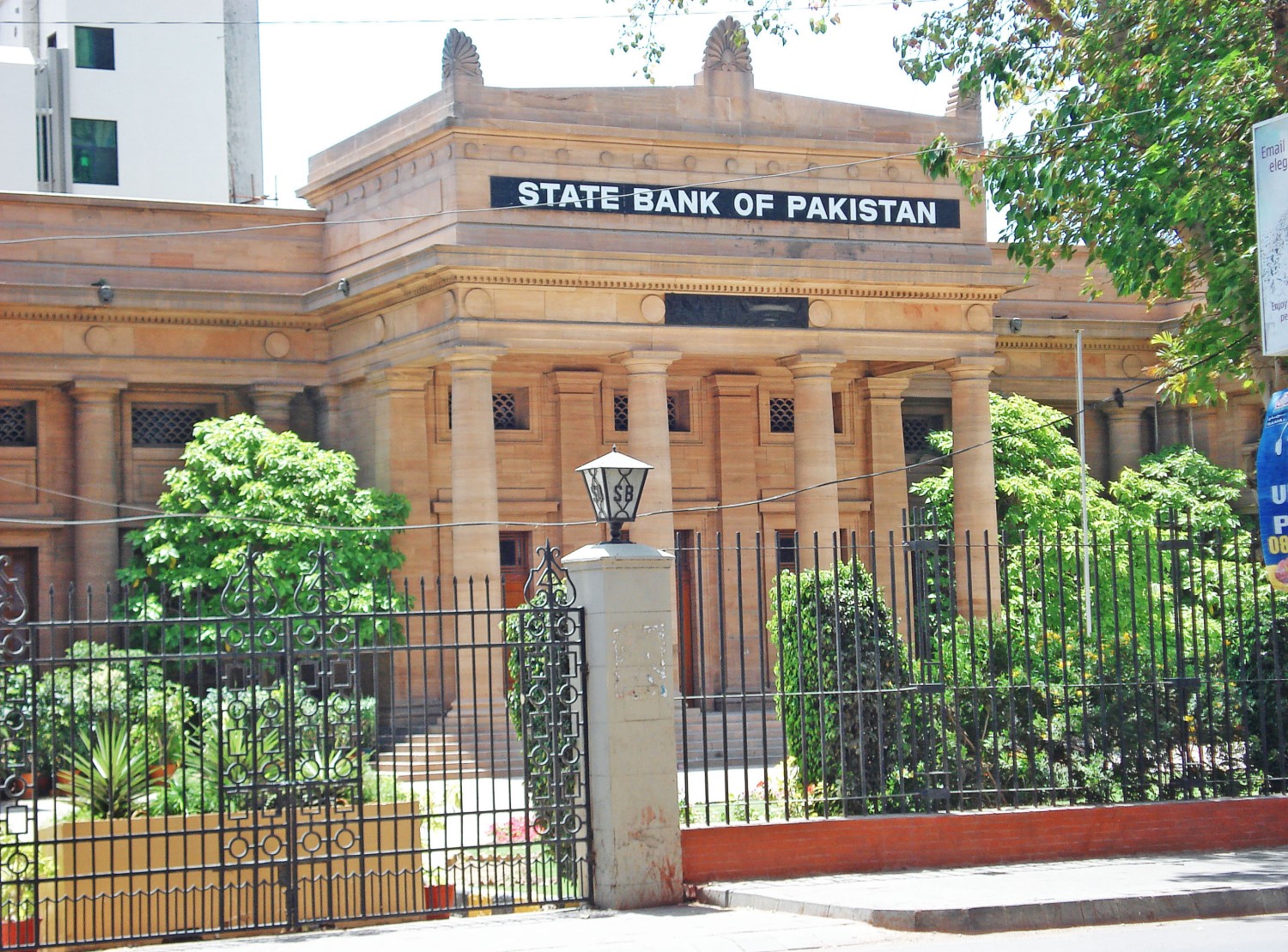
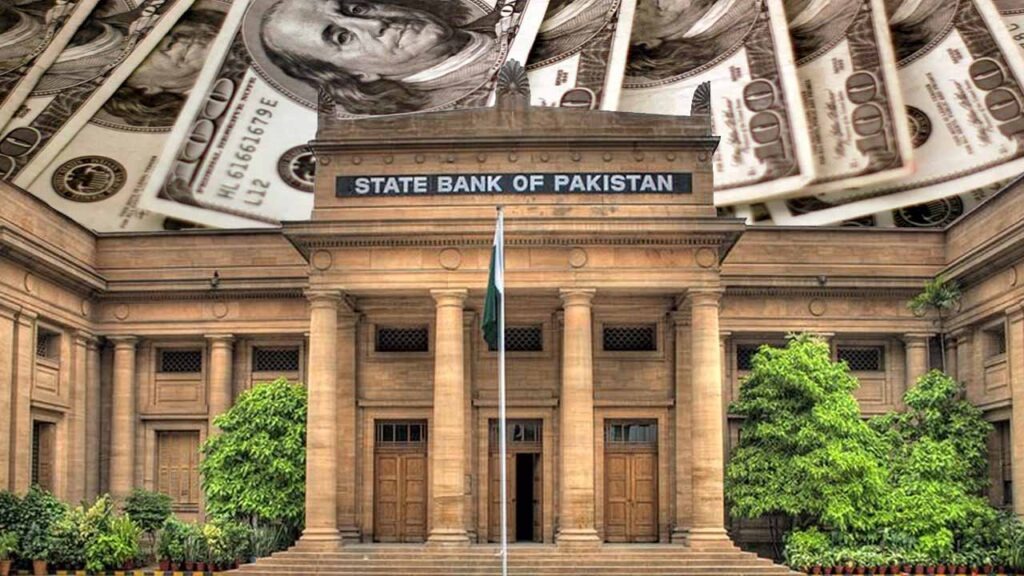
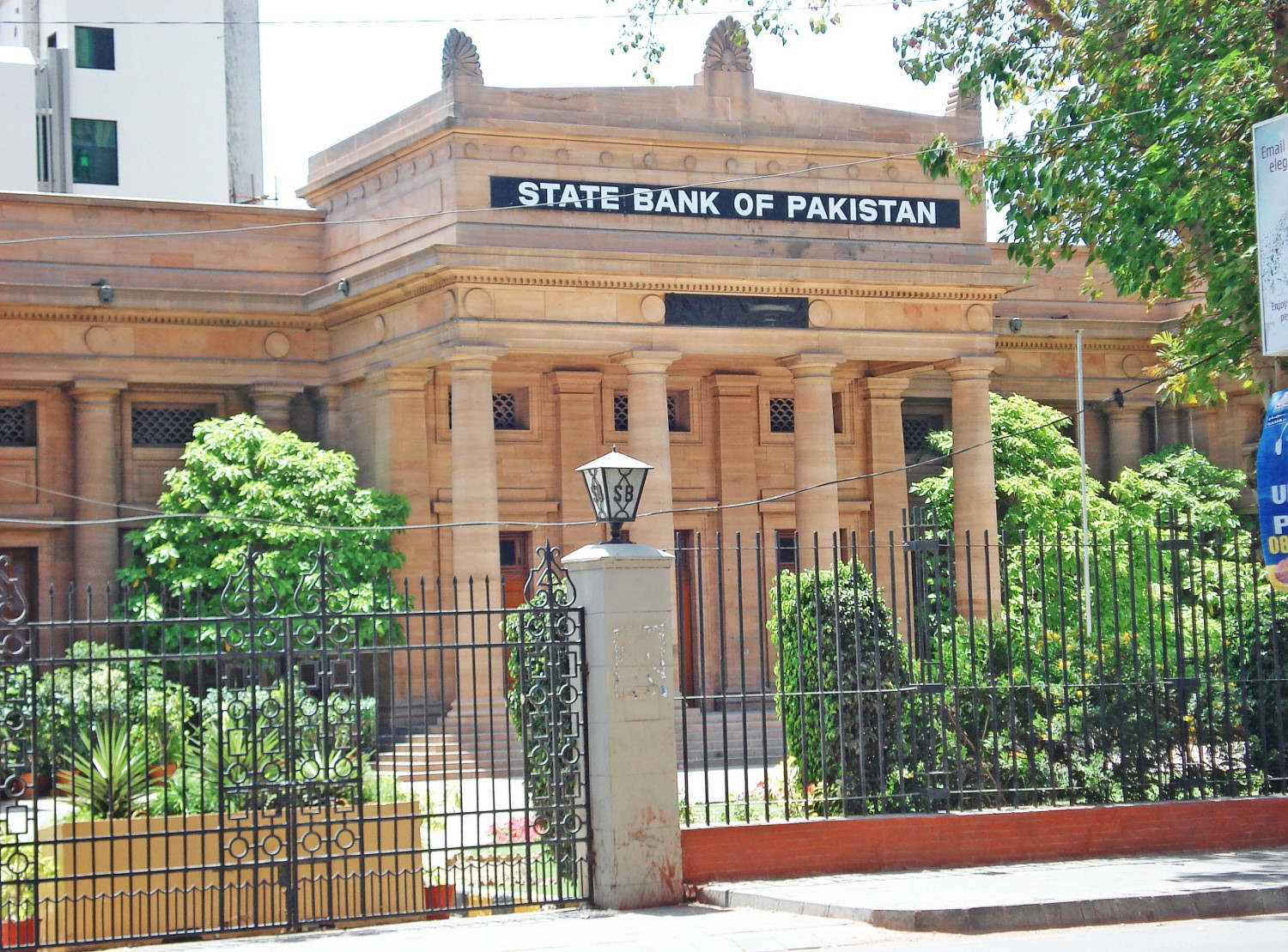
Pakistan will require an estimated $331 billion in climate financing between 2024 and 2030 to strengthen climate resilience and reduce the economic impact of increasingly frequent climate disasters, according to a new report by the State Bank of Pakistan (SBP).
Citing estimates from the Climate Policy Initiative (CPI), the report said Pakistan will need nearly $47 billion annually, equivalent to around 10% of the country's cumulative GDP during the period, to finance climate adaptation and mitigation projects.
The SBP noted that Pakistan ranks among the 15 countries most affected by climate-related events between 1995 and 2024, despite contributing only around 1% of global greenhouse gas emissions. In contrast, the world's top 10 emitting economies account for nearly 70% of global emissions.
According to government estimates, Pakistan's climate financing requirements range between $200 billion and $348 billion by 2030 for climate-resilient development and implementation of its Nationally Determined Contributions (NDCs). Furthermore, the government's Pakistan Climate Prosperity Plan identifies a long-term investment requirement of $1.6 trillion by 2050.
The report highlighted the heavy economic toll of climate disasters, estimating cumulative losses of $58.8 billion by 2025. Of this, $29.3 billion resulted from climate events between 1992 and 2021, while the 2022 floods alone caused nearly $28 billion in damages. More recently, the 2025 floods inflicted an estimated $1.5 billion in economic losses.
The SBP noted that flooding has significantly affected Pakistan's economic growth by disrupting production, increasing input costs, and damaging infrastructure. Although post-flood reconstruction and agricultural recovery partially offset some of the losses, climate shocks continue to weigh on long-term economic performance.
Despite rising climate risks, Pakistan has received only $1.4 billion to $2 billion annually in climate finance over the past decade, with inflows peaking at approximately $4 billion in 2021. The report said current funding remains substantially below the country's financing needs and is also significantly lower on a per-capita basis compared with countries such as Bangladesh, India, Kenya, and the Philippines.
The SBP identified several challenges limiting climate finance inflows. It noted that international investors generally prefer climate mitigation projects, which are considered more financially viable than adaptation projects, even though Pakistan's financing needs are largely concentrated in climate adaptation.
The report also highlighted that recurring macroeconomic instability, exchange rate volatility, sovereign risk, political uncertainty, underdeveloped financial markets, and institutional weaknesses continue to reduce the bankability of climate-related projects in Pakistan.
Another major challenge is the country's limited capacity to develop a pipeline of investment-ready climate projects. According to the SBP, stronger project preparation, improved technical data systems, and better implementation capacity are essential to attract greater support from multilateral development banks and international investors.
The report further noted that delays in project execution have also affected climate financing. It cited the World Bank's Pakistan Hydromet and Climate Services Project, where several components—including weather radars, automatic weather stations, and observatories—were dropped due to procurement delays and institutional challenges.
Looking ahead, the World Bank projects that climate change could reduce Pakistan's GDP by 4.5% to 6.5% by 2050 under an optimistic scenario, while losses could reach 7% to 9% under a more severe scenario, with the agriculture and industrial sectors expected to face the greatest impact.





















































-falls-to-rs43.57tr)

















































































































-rises-to-rs44.35-trillion)

























-surges-to-rs44.23-trillion-as-bank-deposits-jump)





































































-falls-weekonweek-to-rs40.95tr)


























































































































































































-ltd-reports-strong-halfyearly-results-–-profit-surged)








































































































)

















Add a comment