 (1).png)
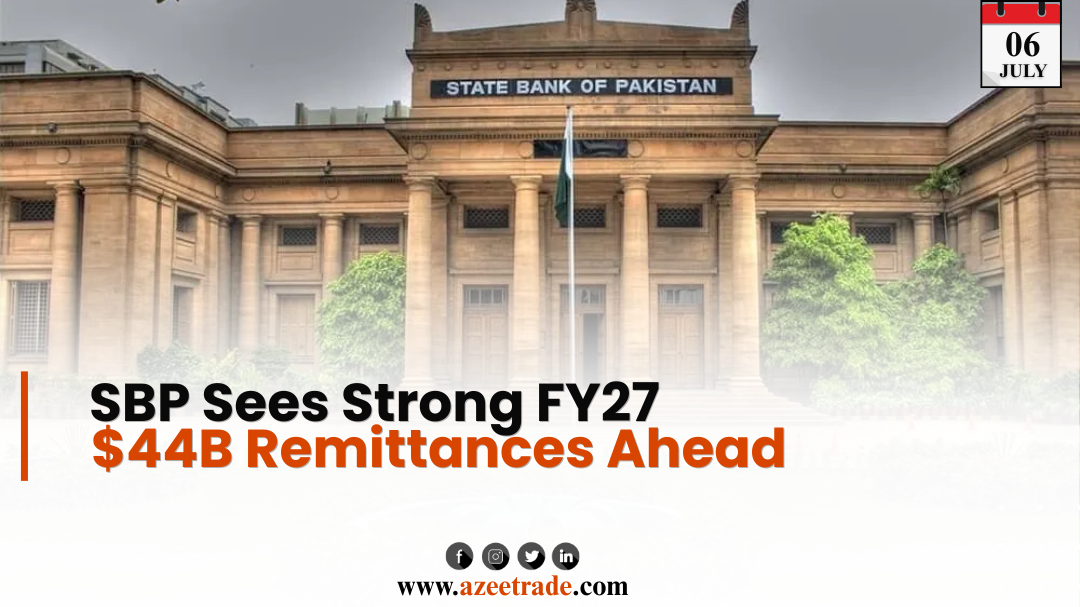
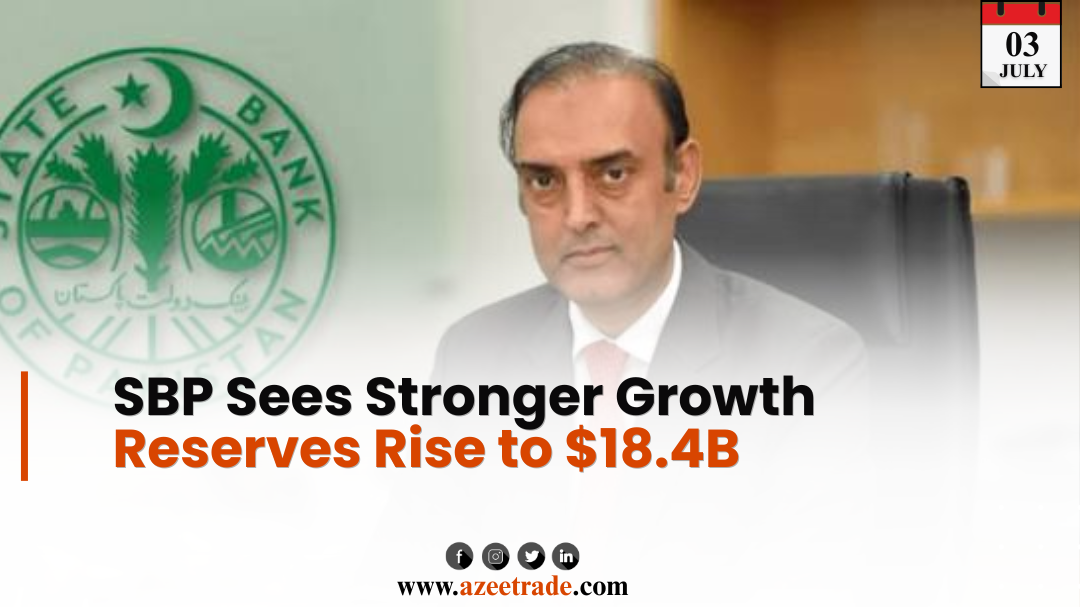
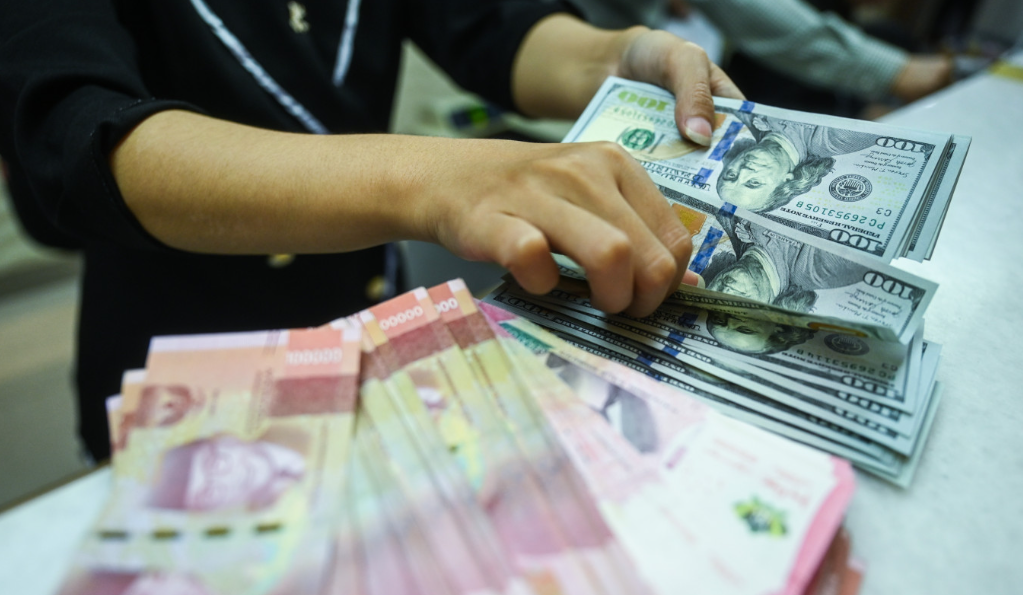
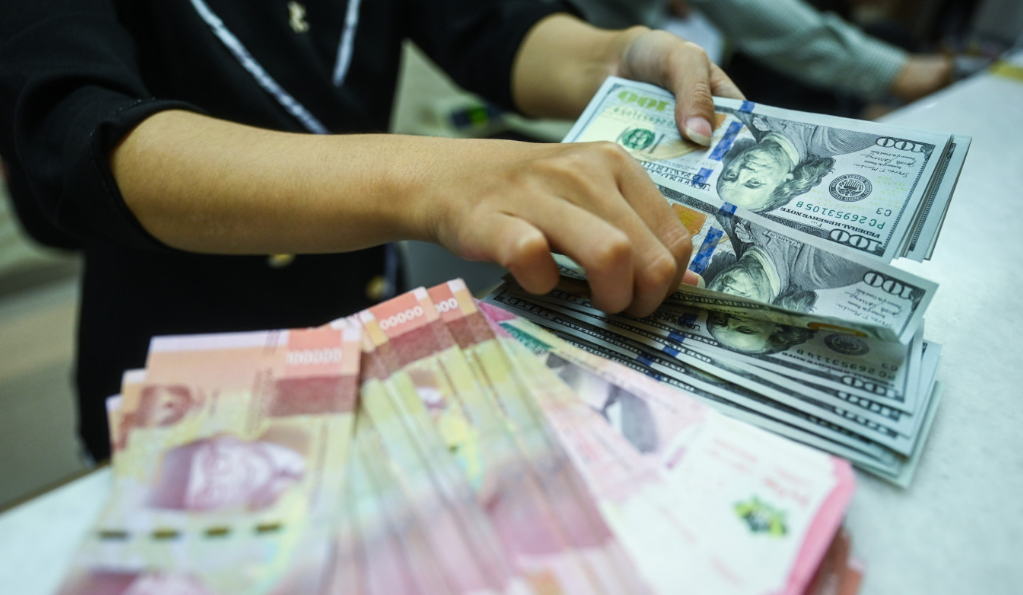
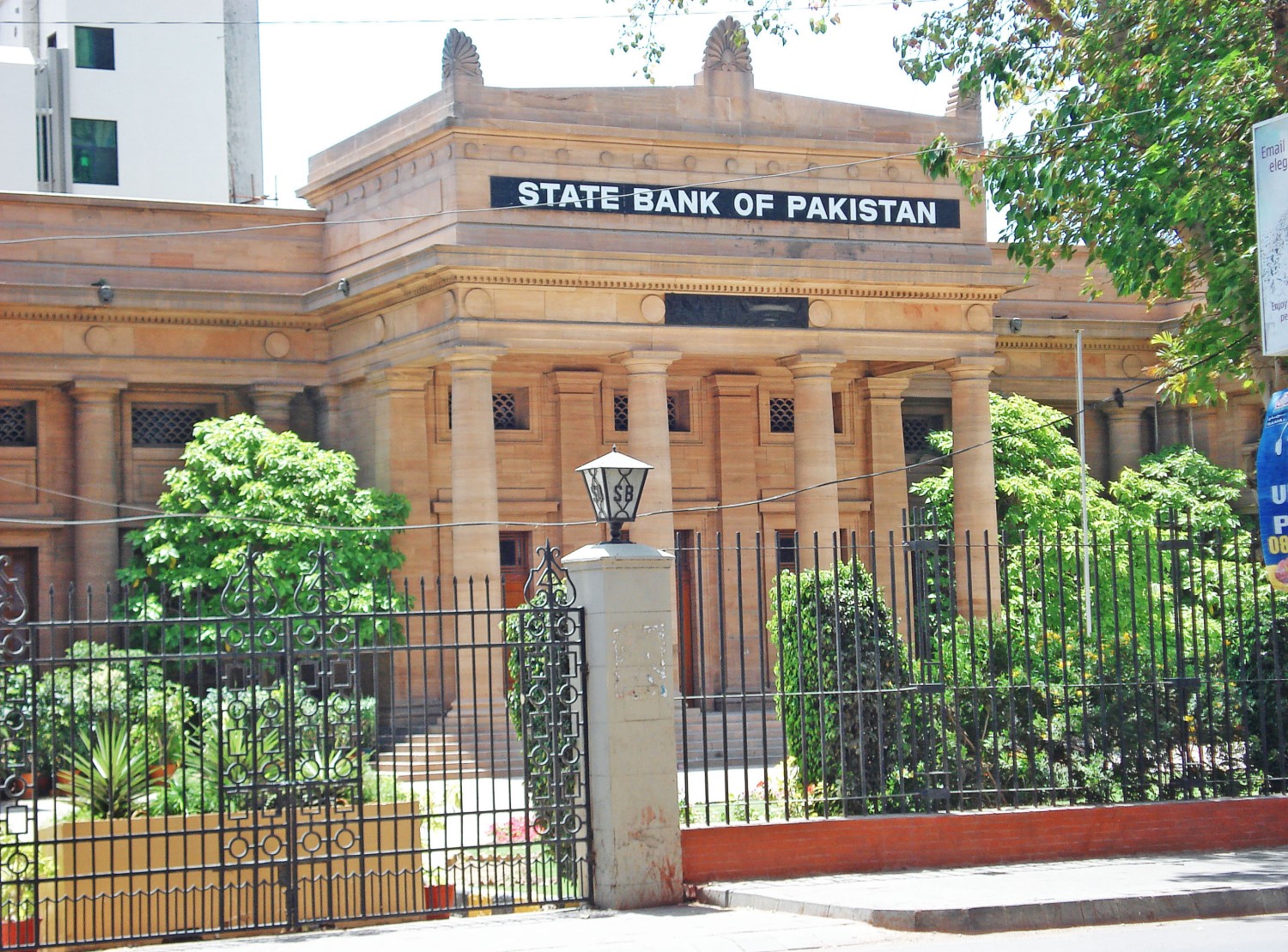
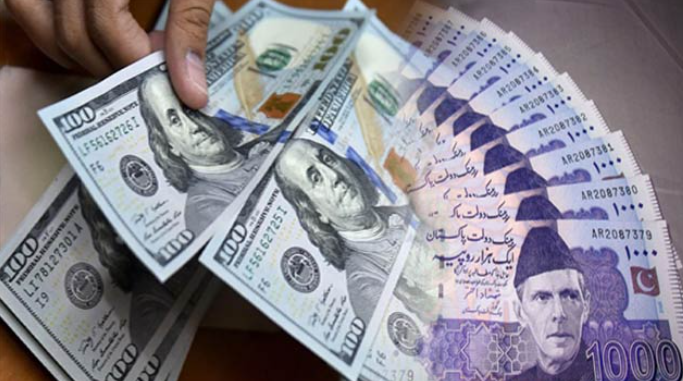
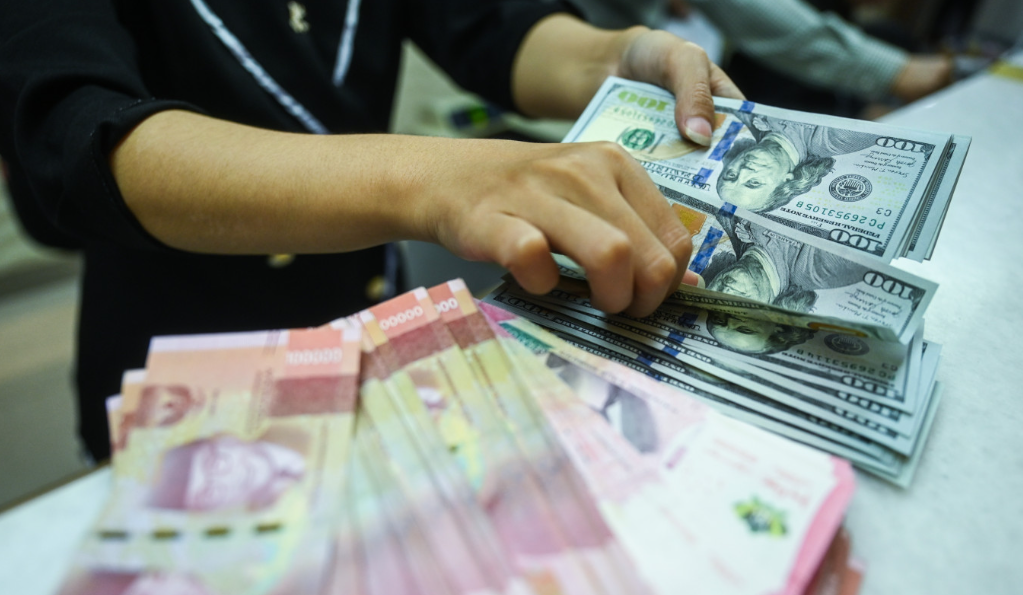
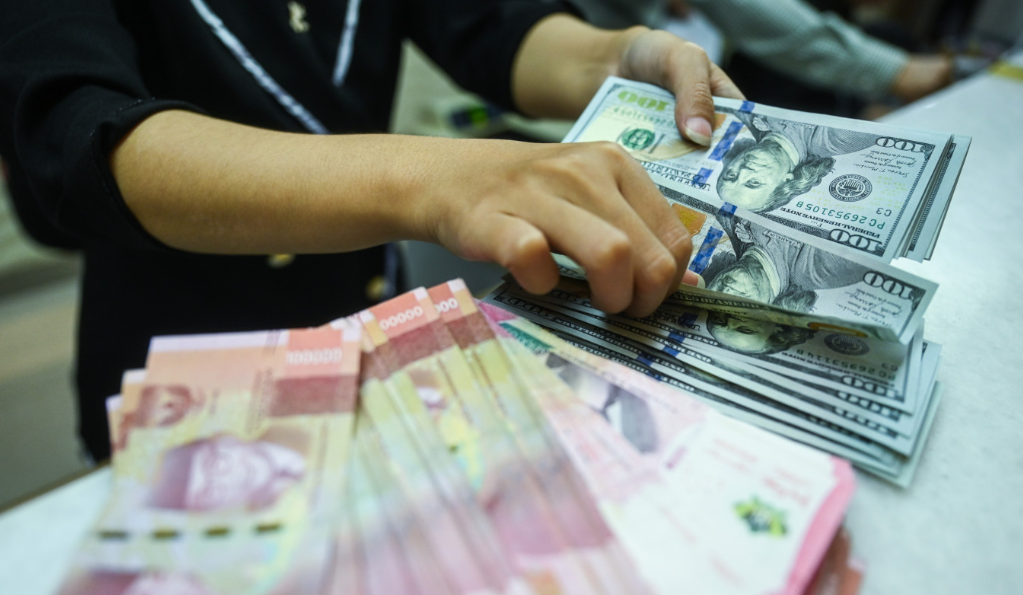
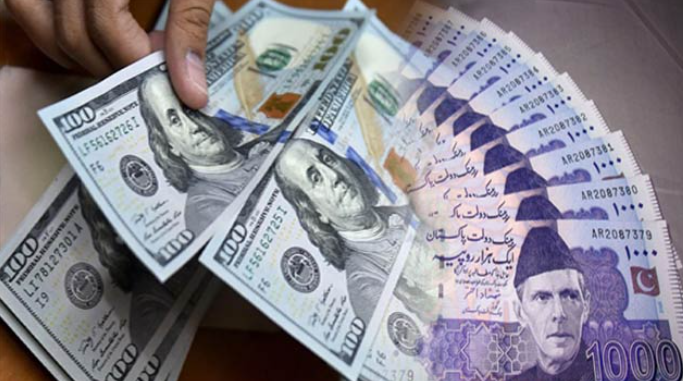
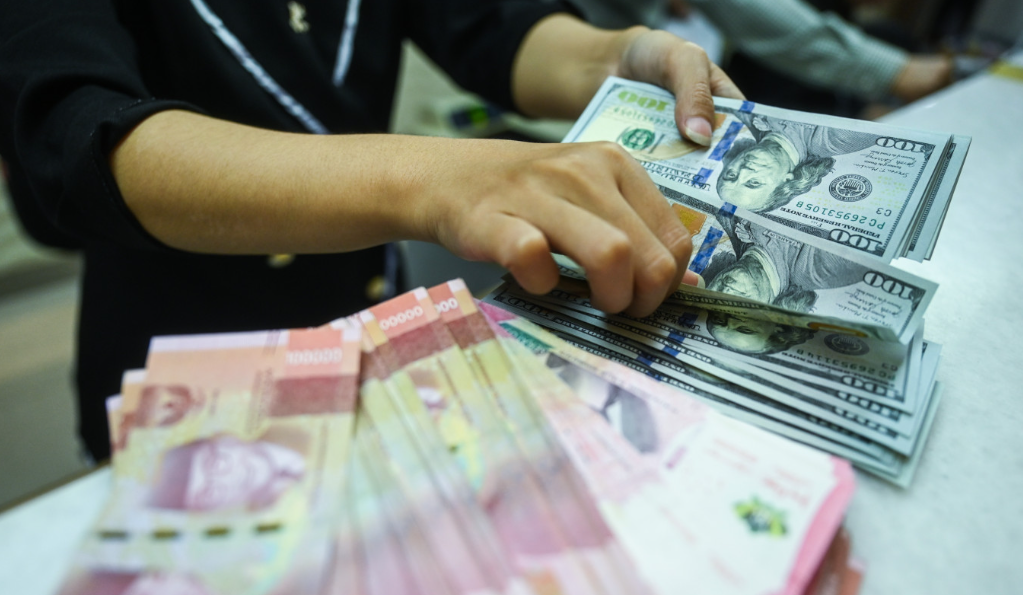
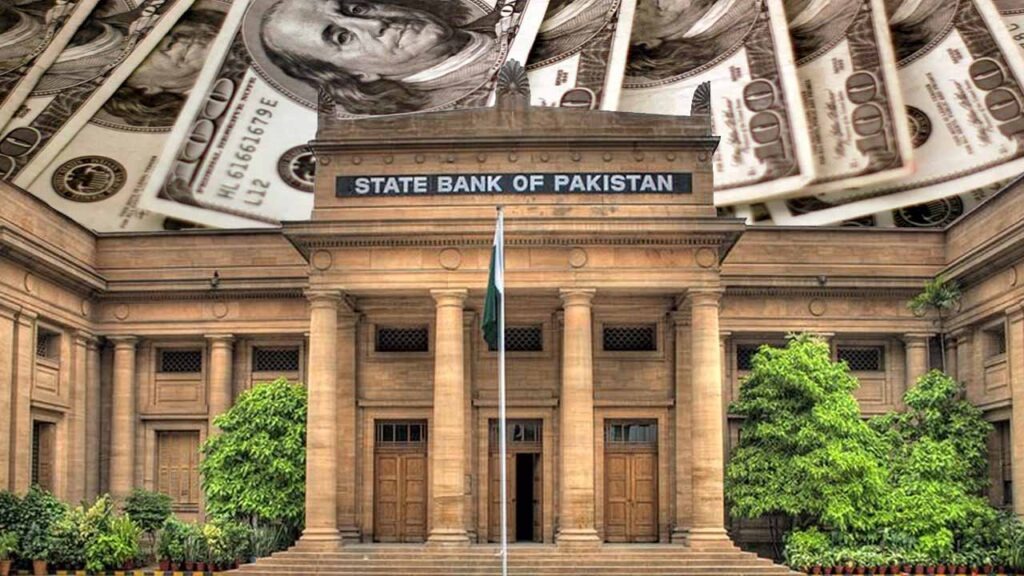
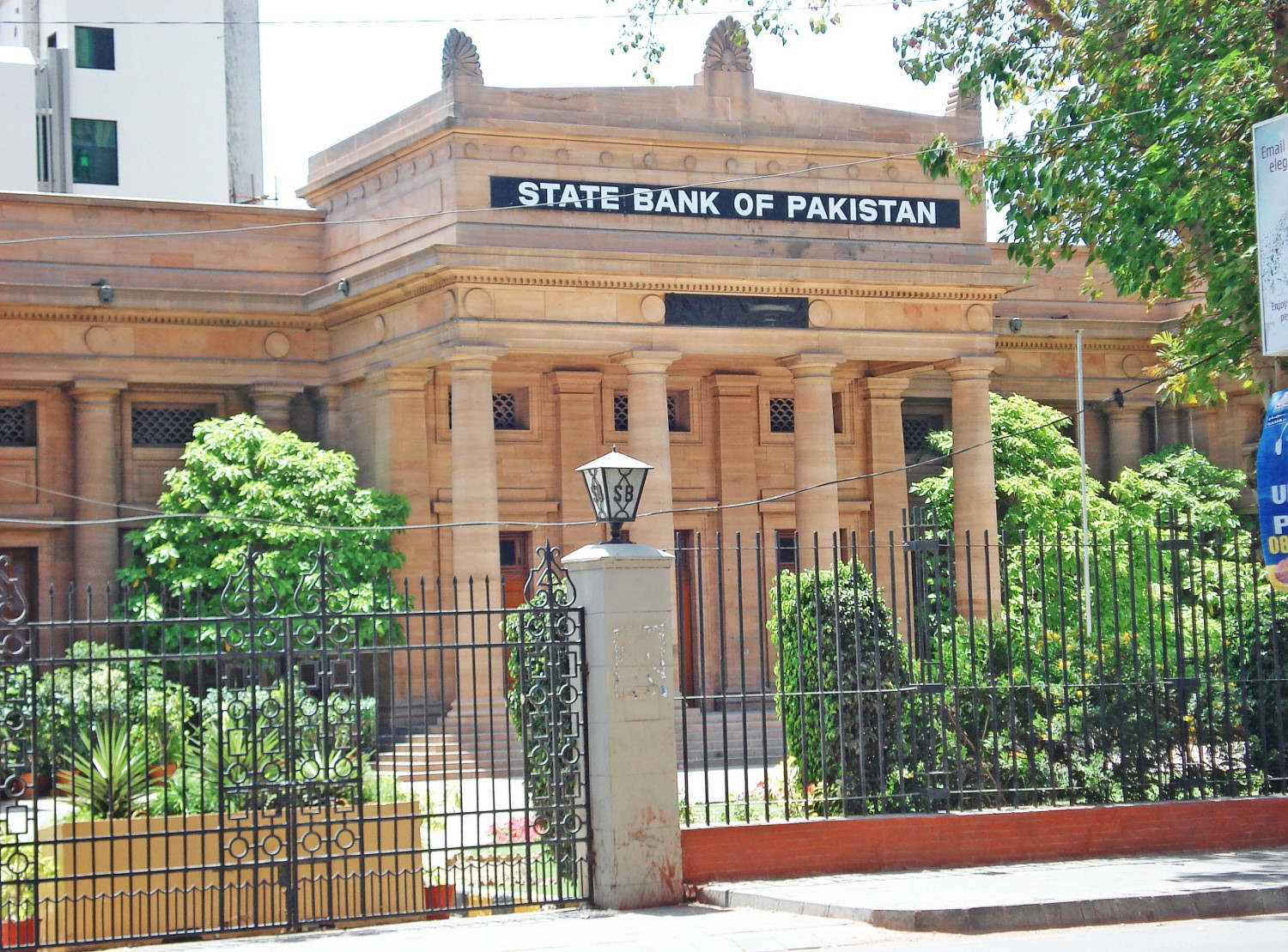
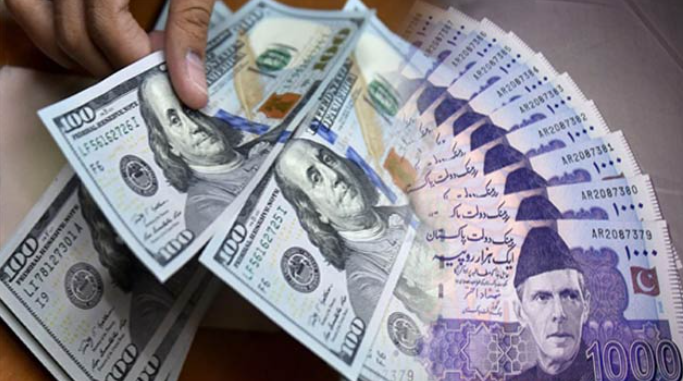
The State Bank of Pakistan (SBP) has projected continued improvement in the country's macroeconomic outlook, expecting workers' remittances to reach a record $44 billion in FY2027 while foreign exchange reserves are forecast to exceed $20.2 billion by December 2026.
Speaking at a press conference, SBP Governor Jameel Ahmad said Pakistan's economic growth is likely to surpass the government's provisional estimate of 3.7% for FY2026, supported by stronger industrial activity, improving external accounts, and stable macroeconomic conditions.
The governor noted that Large-Scale Manufacturing (LSM) expanded by an average of 6% during FY2026, with growth reaching as high as 10% in some months, indicating a steady recovery in economic activity. He added that the stabilization of geopolitical conditions in the Middle East is expected to further support industrial and services sector growth during FY2027.
SBP said it will release its updated GDP growth projections after the Monetary Policy Committee (MPC) meeting later this month.
On inflation, Ahmad stated that average inflation stood at 7.05% in FY2026, remaining close to the central bank's medium-term target range of 5% to 7% despite temporary upward pressure caused by higher global oil prices, supply chain disruptions, increased insurance costs, and elevated transportation expenses during the Middle East conflict.
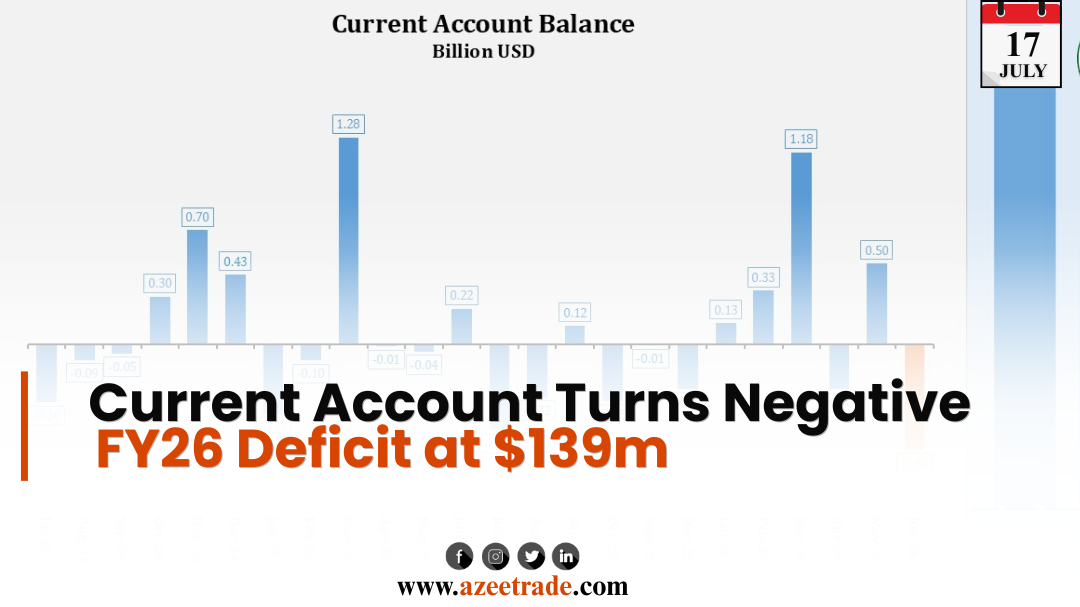
The governor highlighted the significant improvement in Pakistan's external sector over the past few years. The current account deficit, which stood at $17.5 billion (4.7% of GDP) in FY2022, narrowed to $3.3 billion in FY2023, further declined to $2.1 billion in FY2024, and recorded a $2.1 billion surplus (0.5% of GDP) in FY2025. During the first eleven months of FY2026, the current account also remained in surplus, with the full-year balance expected to remain within 0% to 1% of GDP.
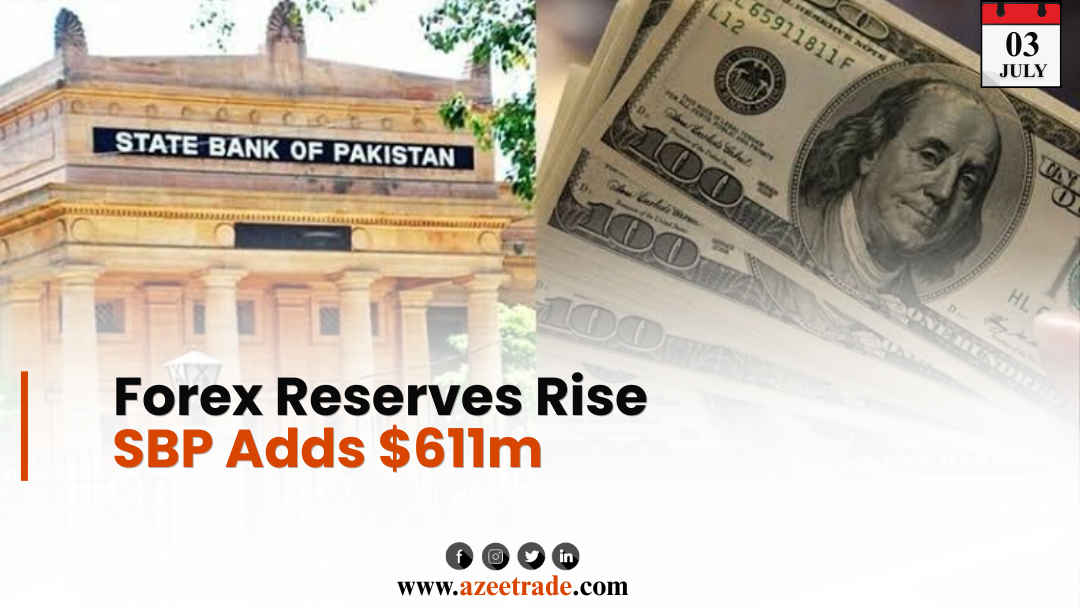
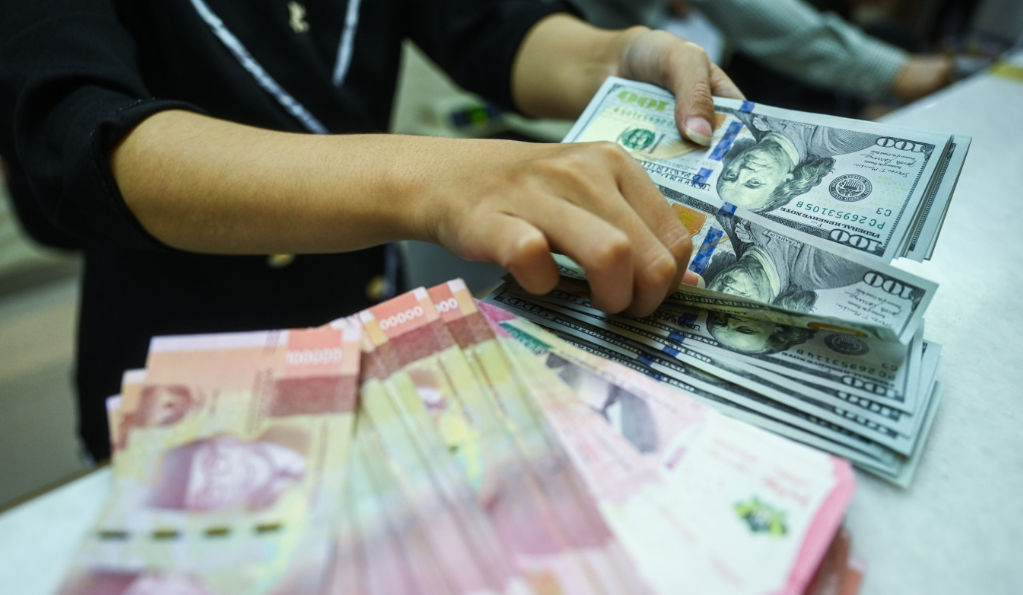
Pakistan's foreign exchange reserves increased significantly to $18.4 billion by the end of FY2026, compared with $13 billion a year earlier. The governor noted that this improvement was achieved despite external debt repayments of nearly $8 billion during the last quarter of FY2026.
He added that stronger reserves have eased foreign exchange pressures, ensured timely external debt repayments, and allowed normal import flows across all sectors of the economy. According to the SBP, reserves are expected to cross $20.2 billion by December 2026.
The central bank also highlighted progress in strengthening Pakistan's external resilience through reforms targeting foreign exchange speculation, hundi and hawala transactions, exchange company regulations, banking sector oversight, and border smuggling.
SBP further noted that commercial banks' outstanding foreign exchange liabilities have declined sharply from $5.8 billion in FY2023 to approximately $950 million by the end of FY2026, reflecting improved liquidity and stability in the foreign exchange market.
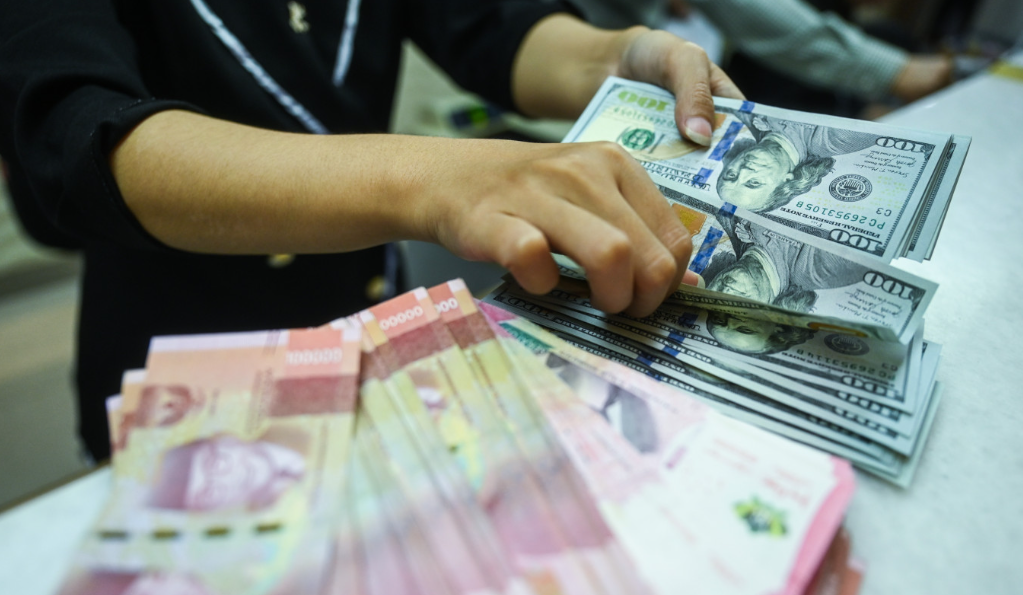
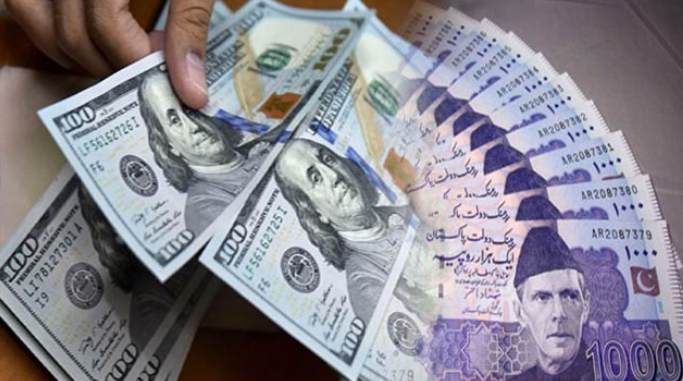
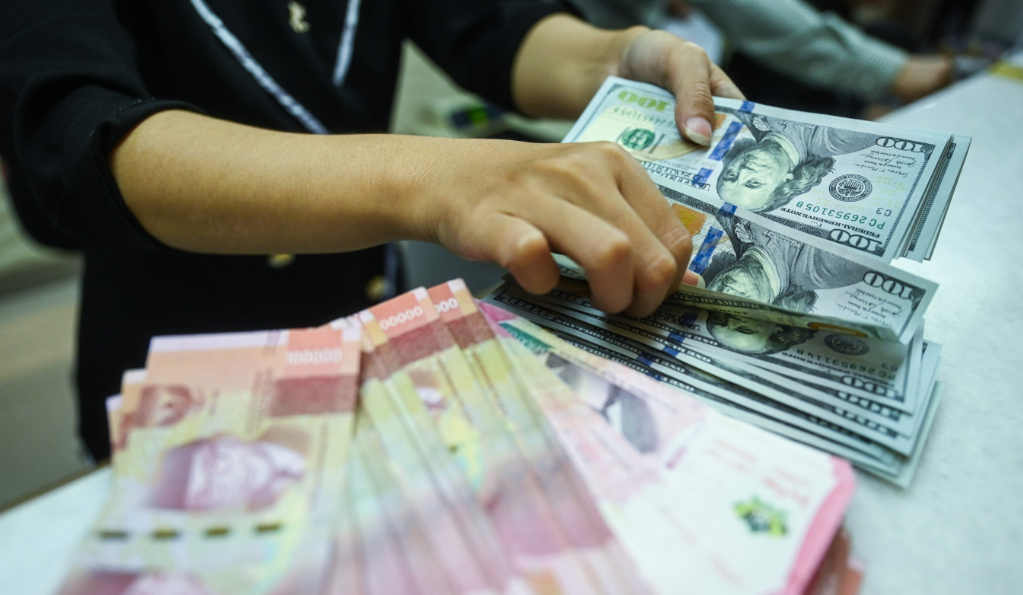
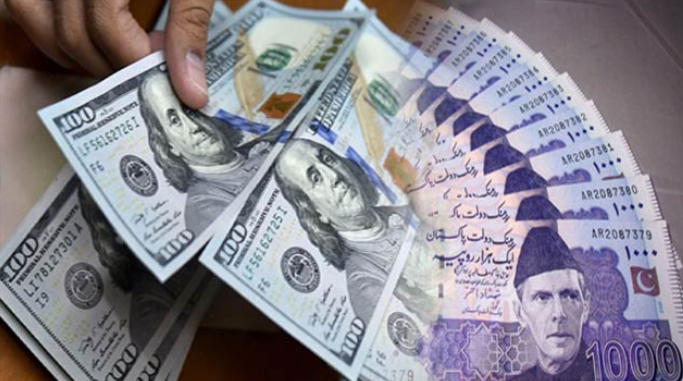
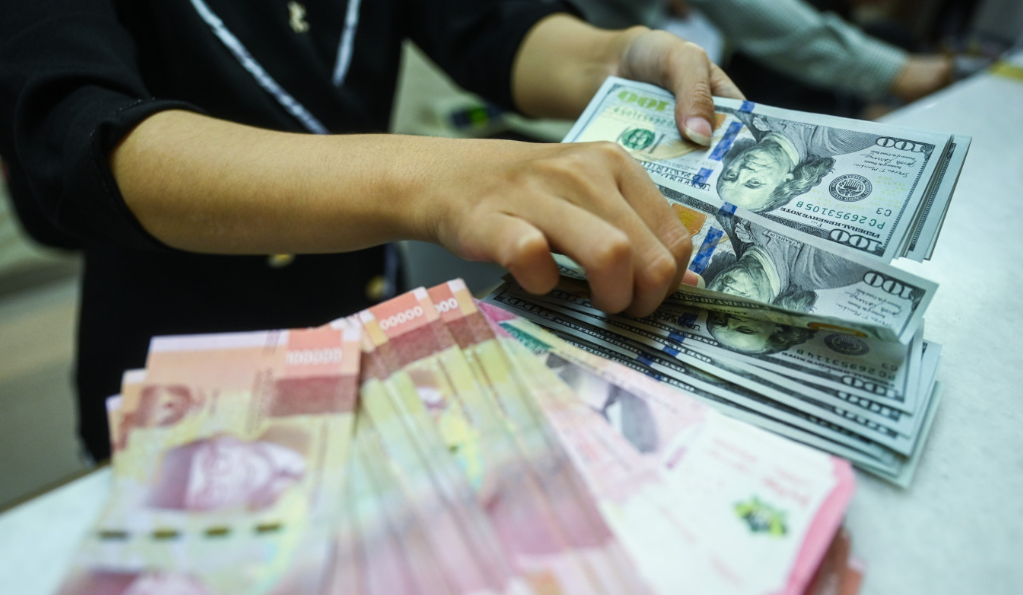
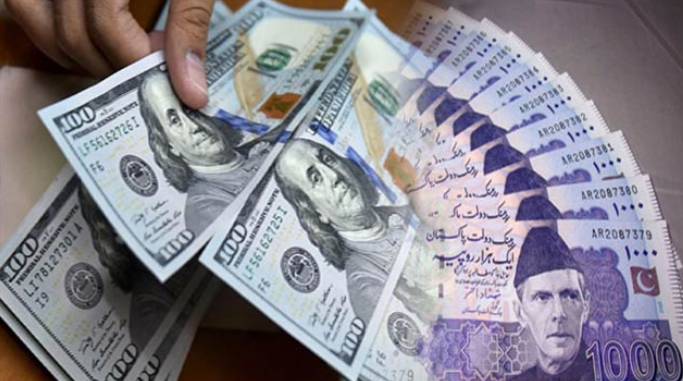
Workers' remittances remain Pakistan's largest source of foreign exchange inflows. According to preliminary estimates, remittances are expected to exceed $41.5 billion in FY2026, compared with $38.3 billion in FY2025, while inflows are projected to increase further to $44 billion during FY2027.
The governor also clarified that although the Telegraphic Transfer Charges Incentive Scheme (TTCIS) has been discontinued, overseas Pakistanis will continue to receive remittance services free of charge, with commercial banks now bearing the associated costs instead of the government.














































-falls-to-rs43.57tr)




















































































-rises-to-rs44.35-trillion)



















-surges-to-rs44.23-trillion-as-bank-deposits-jump)
















































-falls-weekonweek-to-rs40.95tr)


























































































































-ltd-reports-strong-halfyearly-results-–-profit-surged)


































































)








Add a comment