
 (1).png)
Pakistan imported more than 17.8 million tonnes of crude oil and refined petroleum products during fiscal year 2025-26, with crude oil accounting for the largest share as local refineries continued to rely heavily on imported feedstock to meet domestic fuel demand.
According to data released by the Oil Companies Advisory Council (OCAC), the import basket included crude oil, motor gasoline (Mogas), high-speed diesel (HSD), JP-1 aviation fuel, and premium 95 RON gasoline.
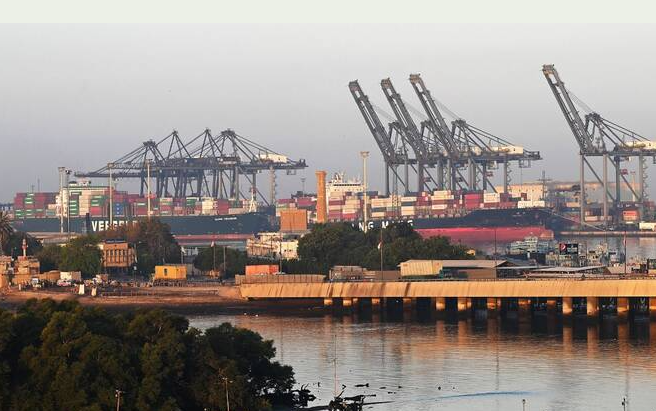
Crude oil remained the country's largest petroleum import, with approximately 10.83 million tonnes imported during the fiscal year, representing more than half of total petroleum imports. Most crude cargoes were discharged at Keamari, while the remaining volumes were handled through the Single Point Mooring (SPM) facility.
Motor gasoline was the second-largest imported product, with Pakistan importing around 5.1 million tonnes of 92 RON Mogas to meet sustained domestic demand. These imports were routed through both Keamari and the FOTCO terminal.
The country also imported approximately 155,083 tonnes of 95 RON premium gasoline and 4,788 tonnes of 97 RON high-octane gasoline to cater to demand from premium vehicle segments.
Imports of High-Speed Diesel (HSD) totaled around 1.34 million tonnes, with cargoes received through both Keamari and FOTCO, where the latter handled a larger share of diesel imports. The figures indicate continued reliance on imported diesel despite domestic refinery production, particularly during periods of elevated seasonal demand.
Meanwhile, imports of JP-1 aviation fuel stood at approximately 130,529 tonnes during FY26.
OCAC data also showed that monthly crude oil imports fluctuated throughout the year, reflecting refinery maintenance schedules, international oil price movements, and inventory management by refiners and oil marketing companies. Crude oil imports exceeded one million tonnes in several months, while gasoline imports varied in line with domestic consumption and refinery output.
The import figures underscore Pakistan's continued dependence on imported petroleum despite ongoing efforts to expand domestic refining capacity and strengthen indigenous energy production. Industry officials noted that future refinery upgrades could gradually reduce imports of refined petroleum products, although crude oil imports are expected to remain substantial in the near term.


























































-falls-to-rs43.57tr)

































































































































-rises-to-rs44.35-trillion)



























-surges-to-rs44.23-trillion-as-bank-deposits-jump)























































































-falls-weekonweek-to-rs40.95tr)












































































































































































































































-ltd-reports-strong-halfyearly-results-–-profit-surged)




































































































































)



















Add a comment