 (1).png)
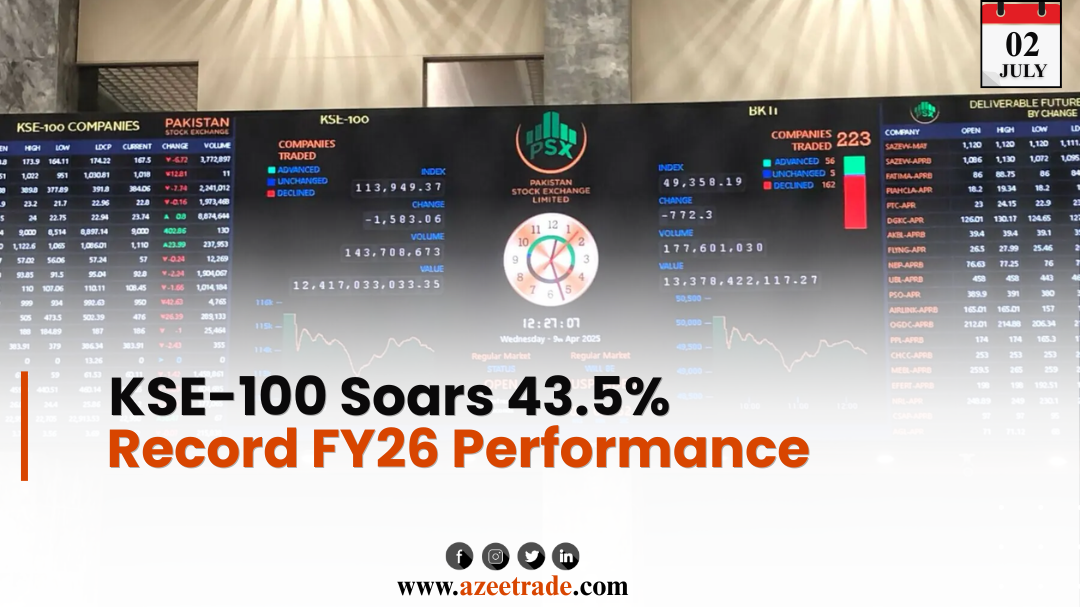
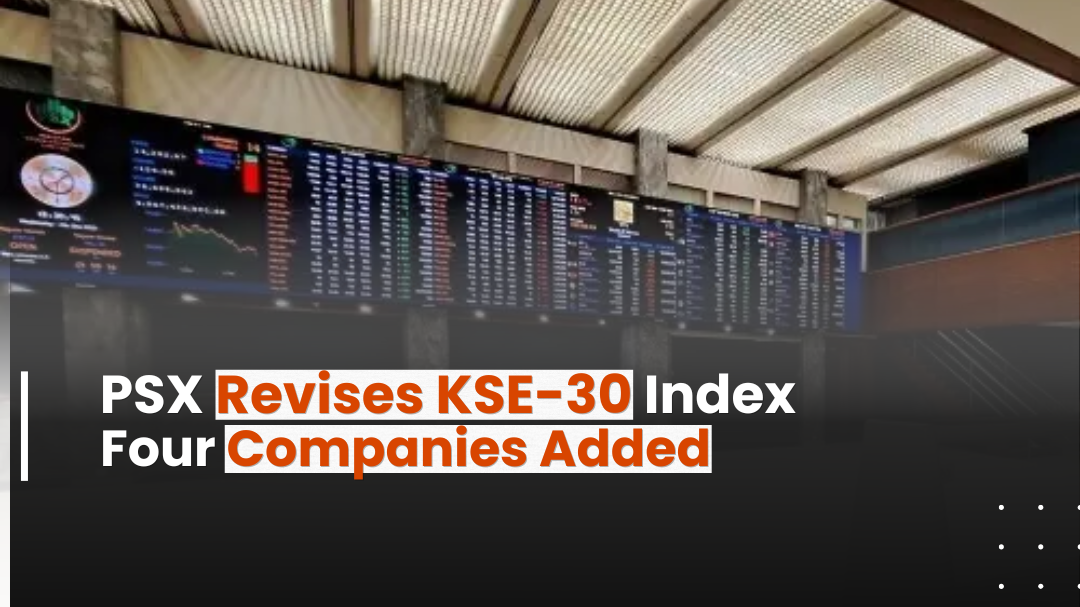
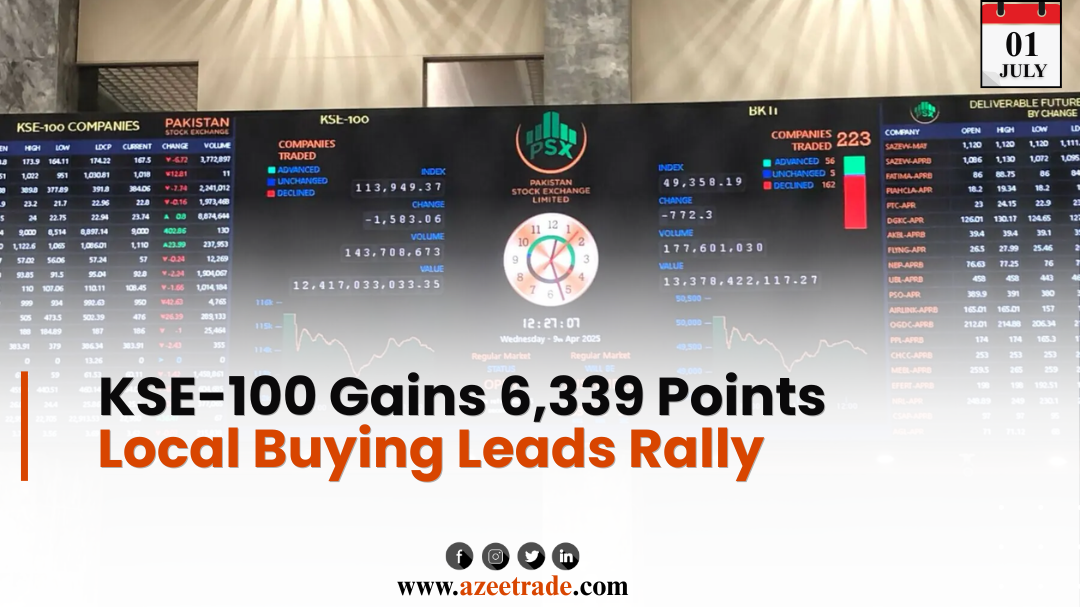
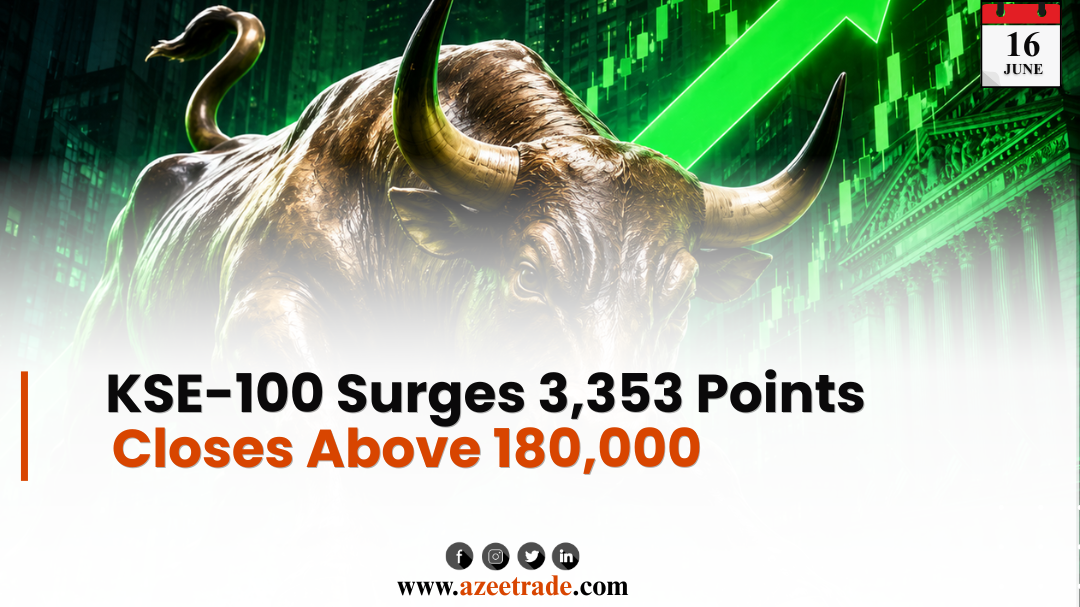
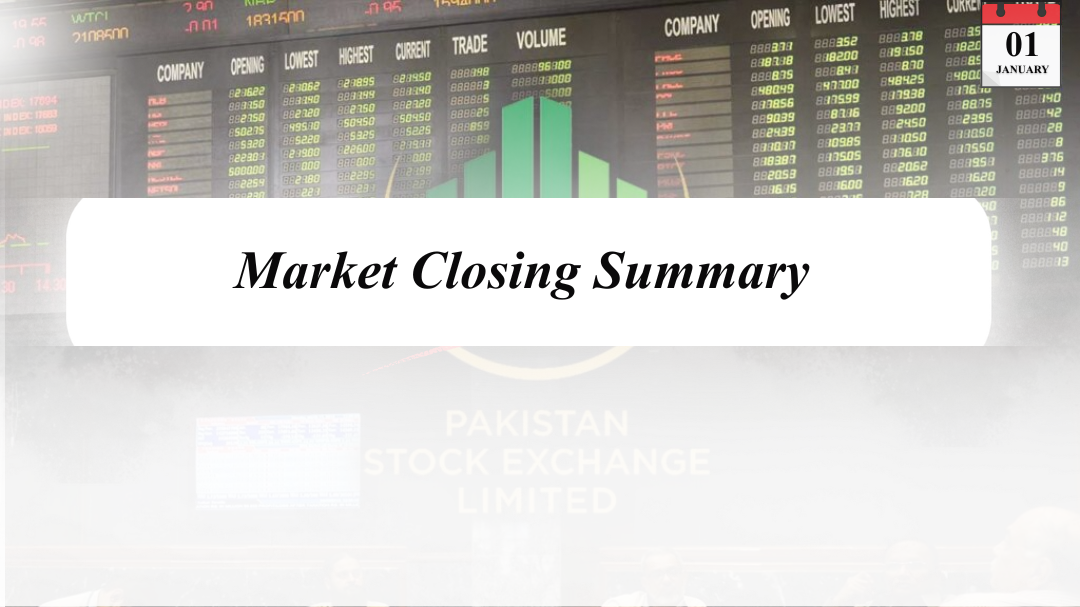
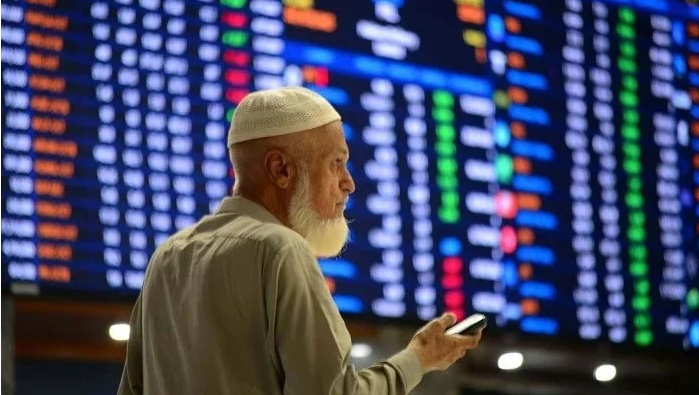
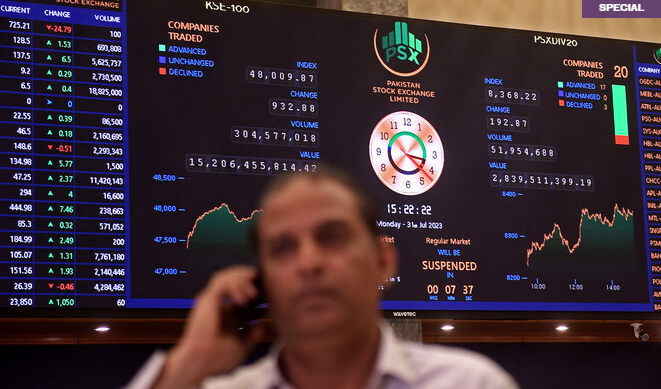
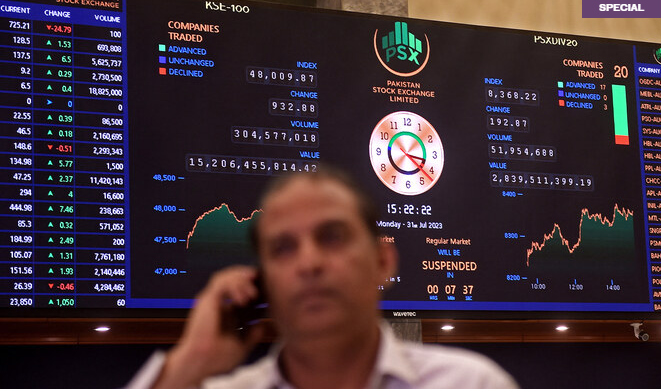
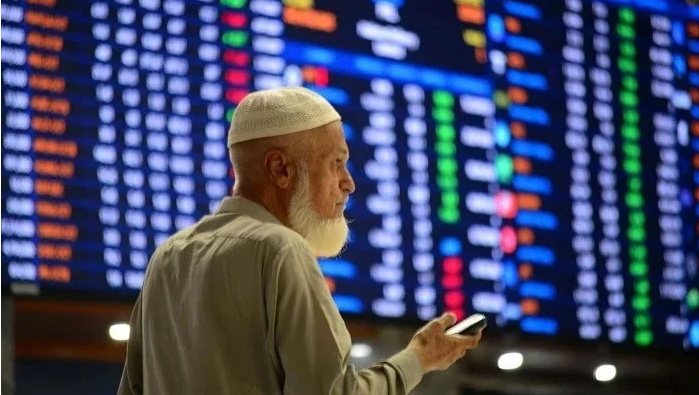
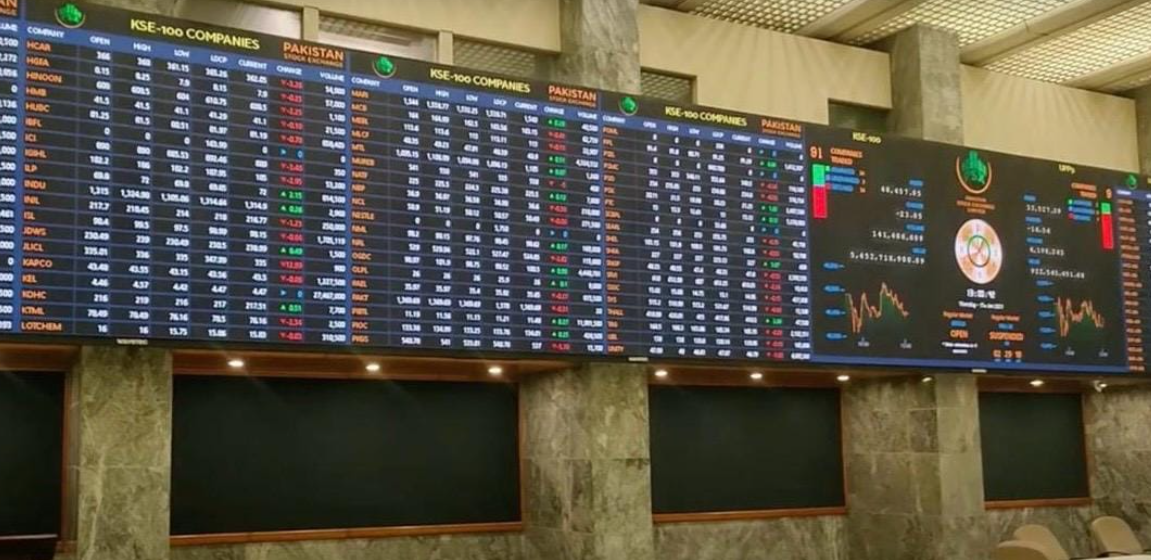
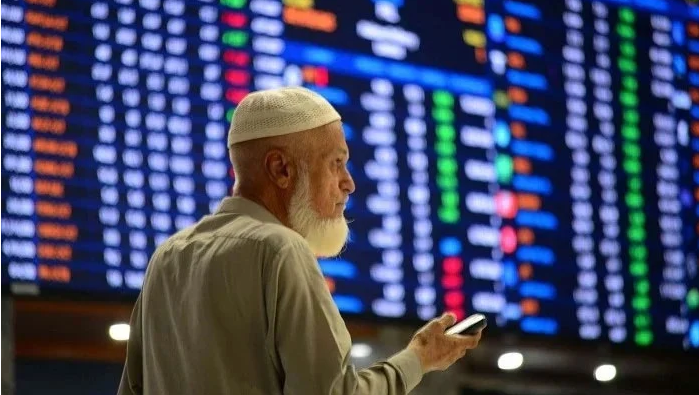
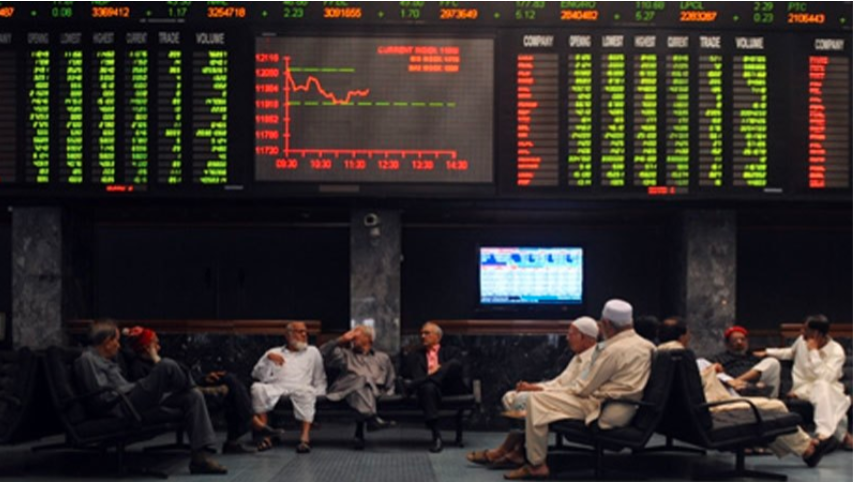
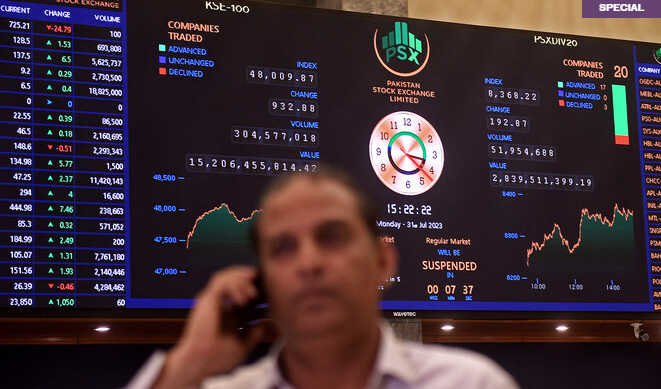
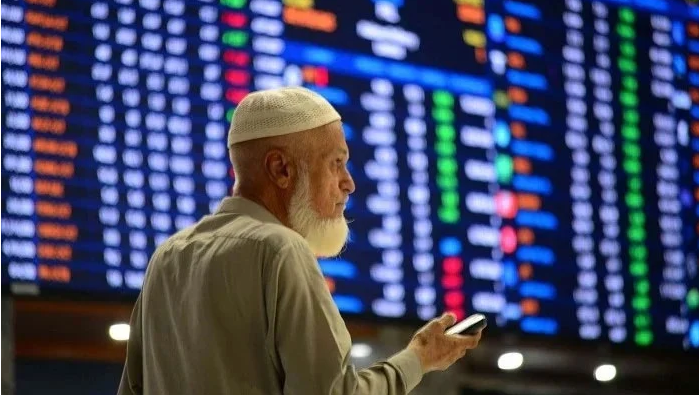
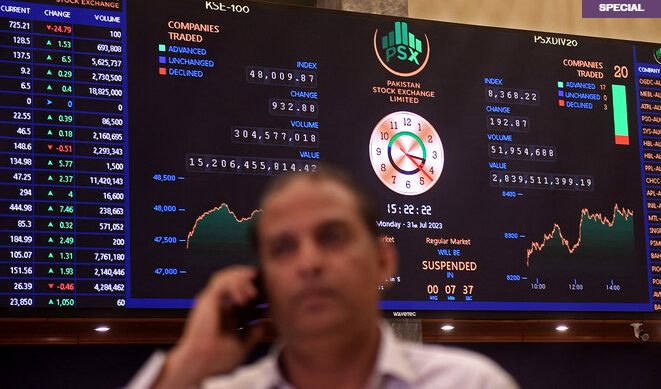
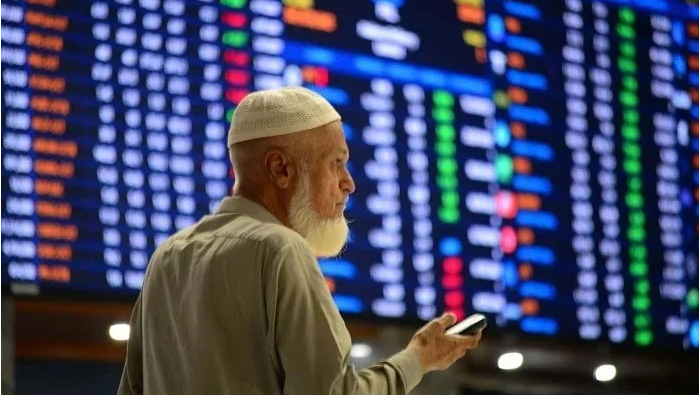
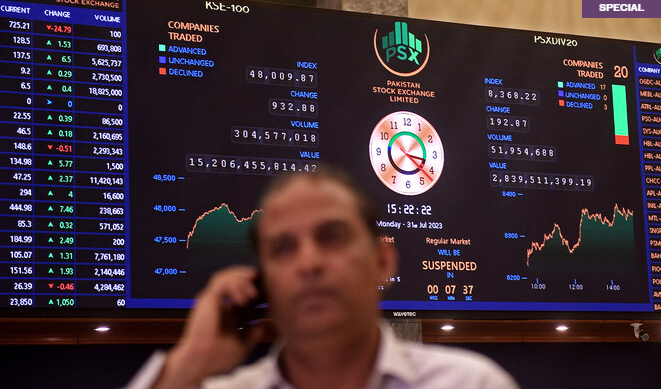
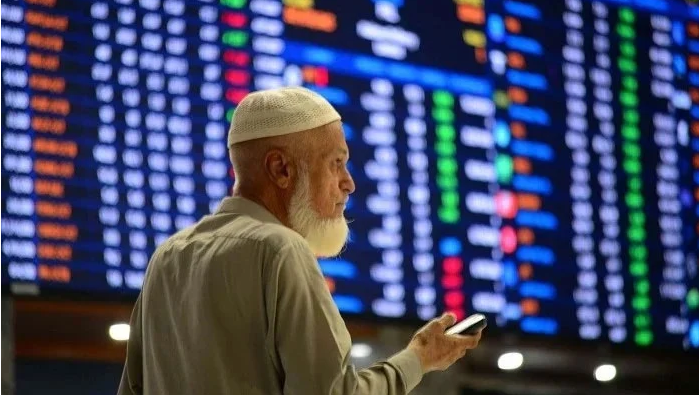
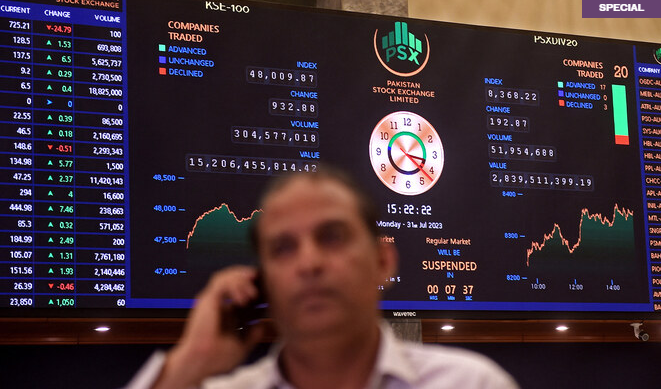
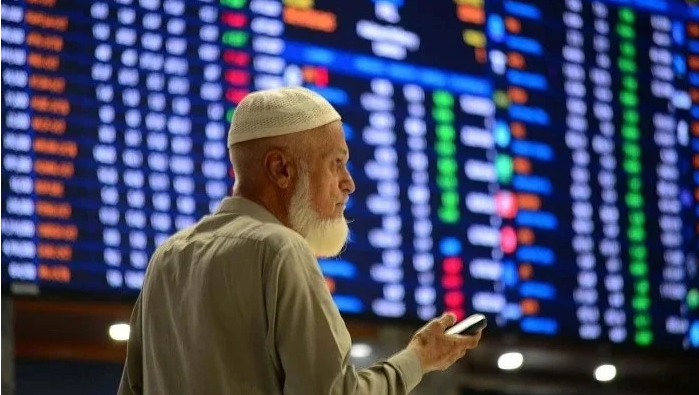
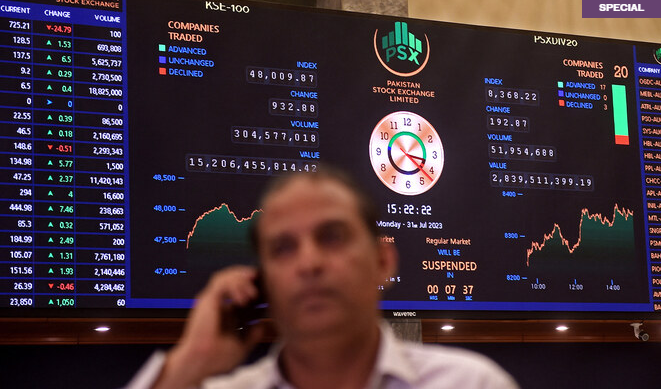
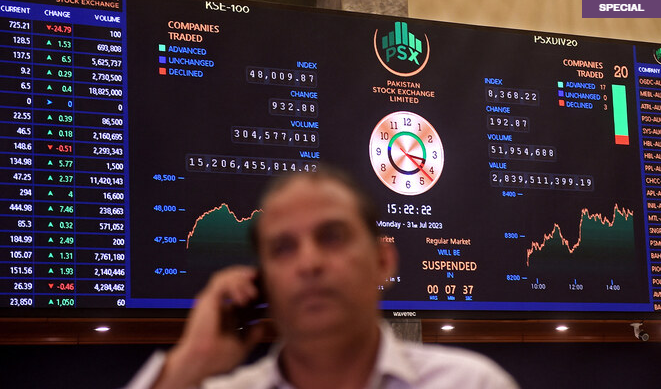
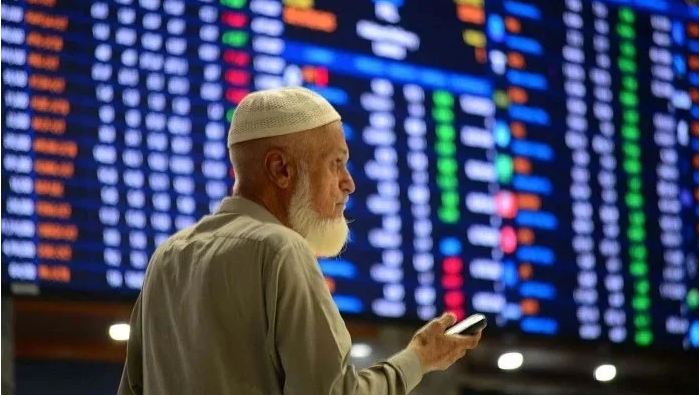
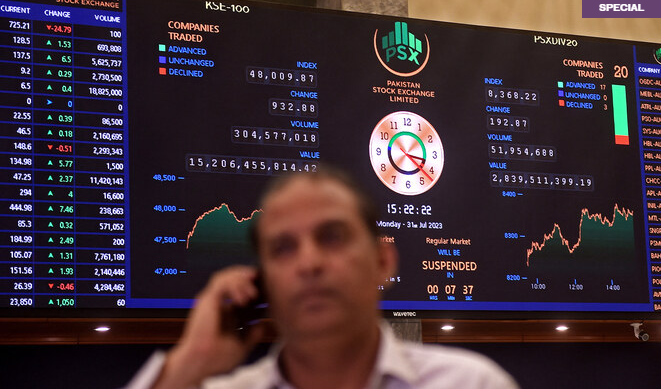
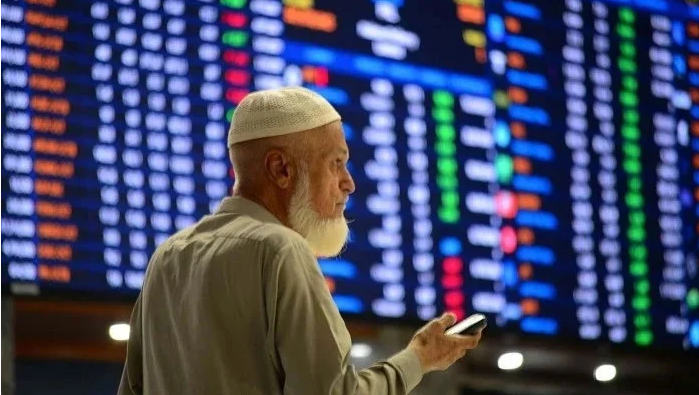
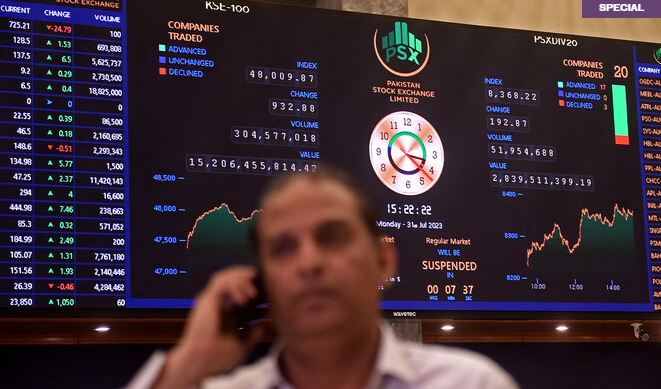
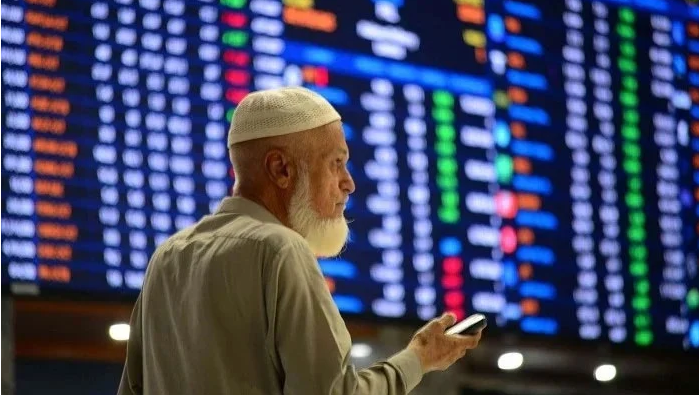
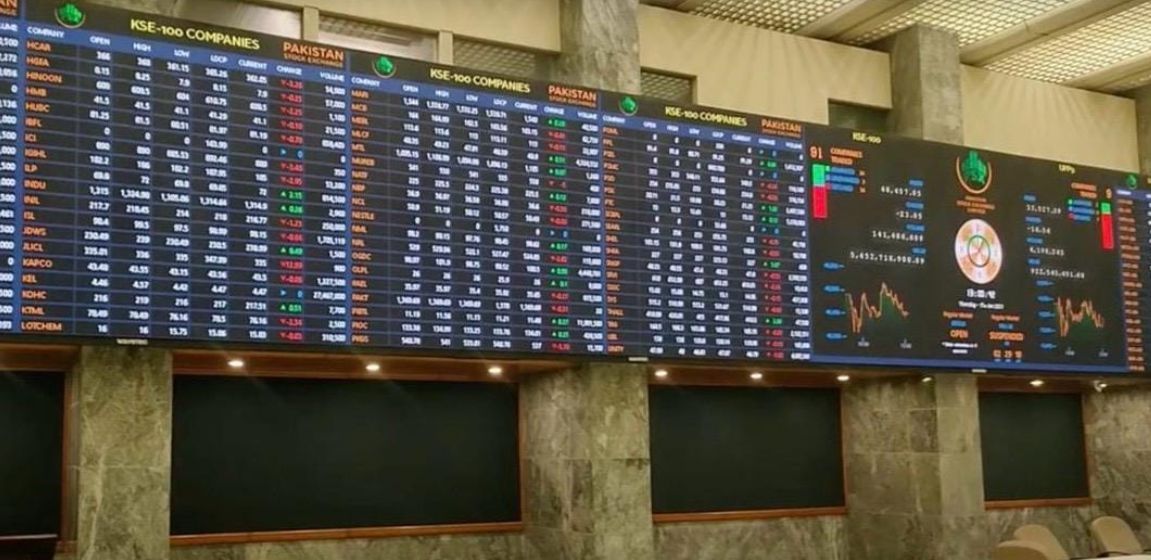
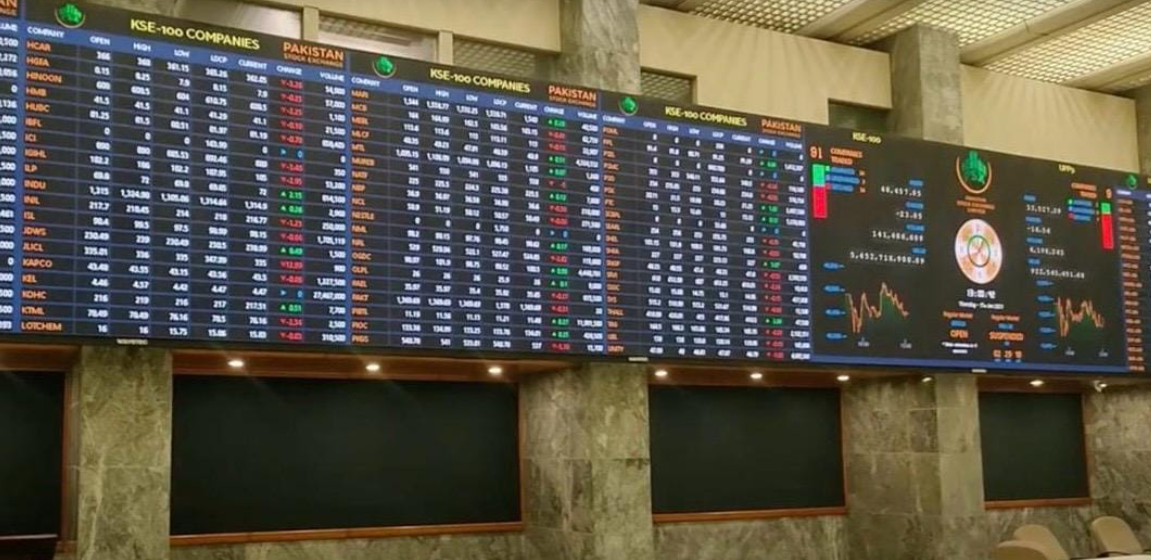
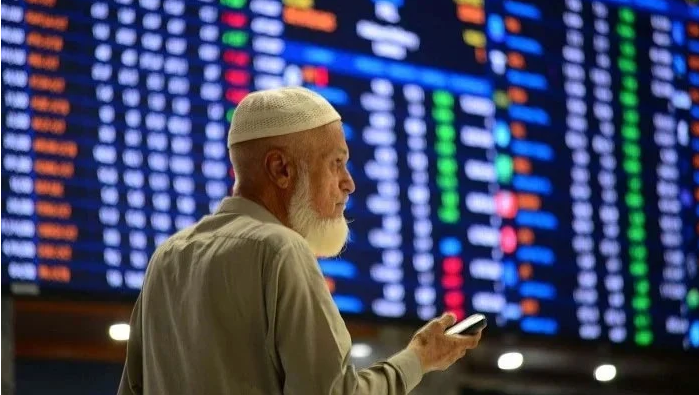
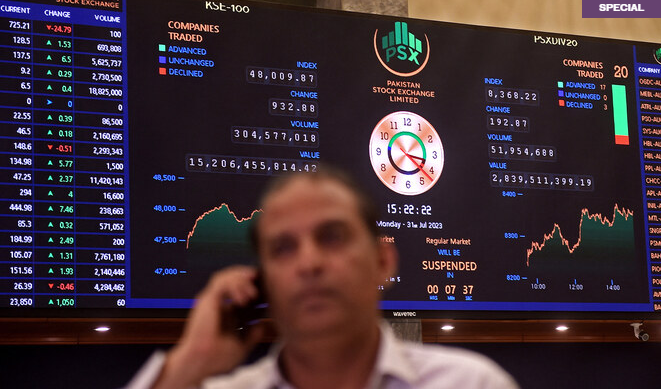
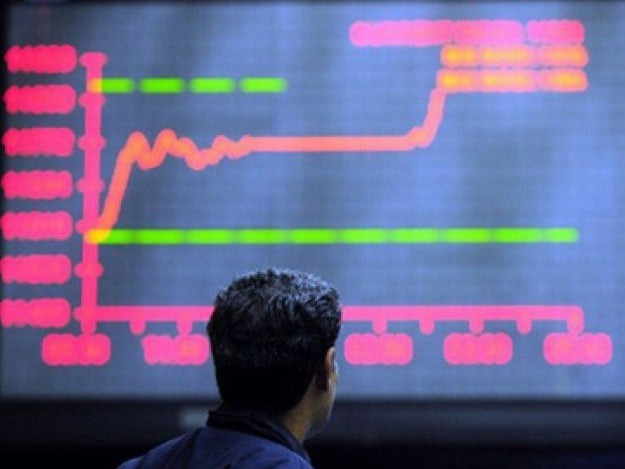
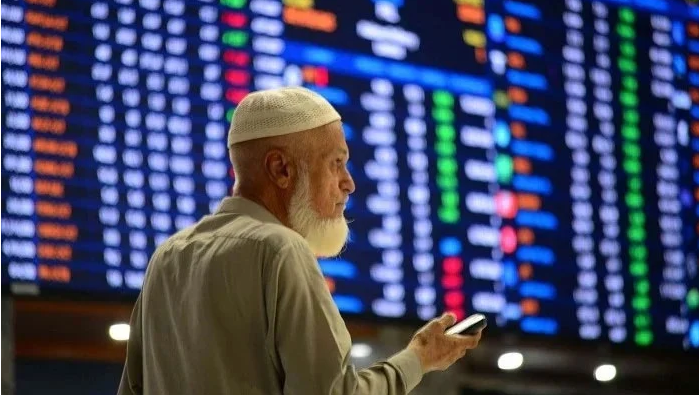
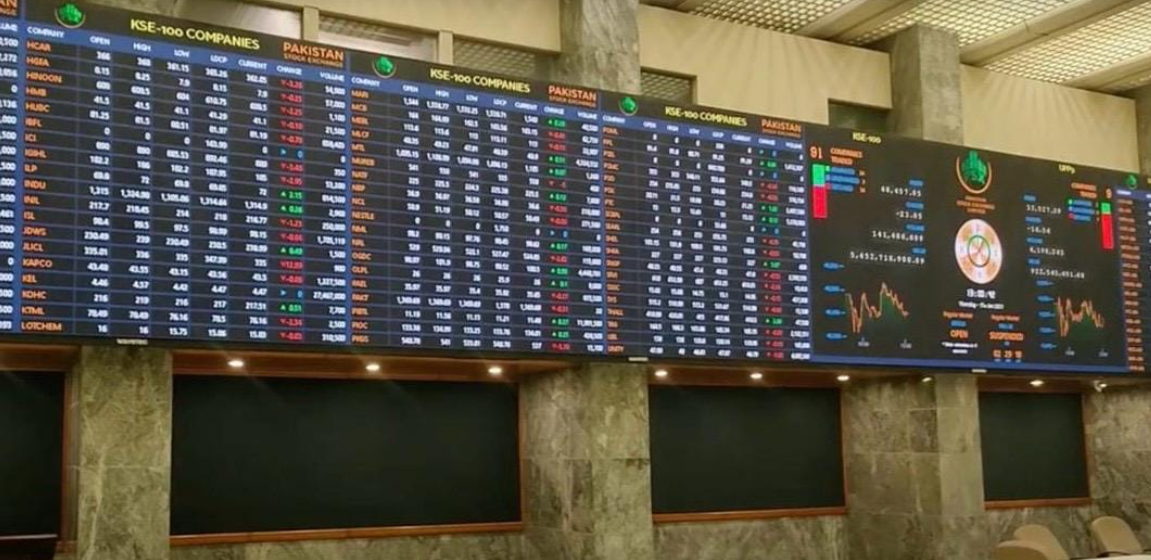
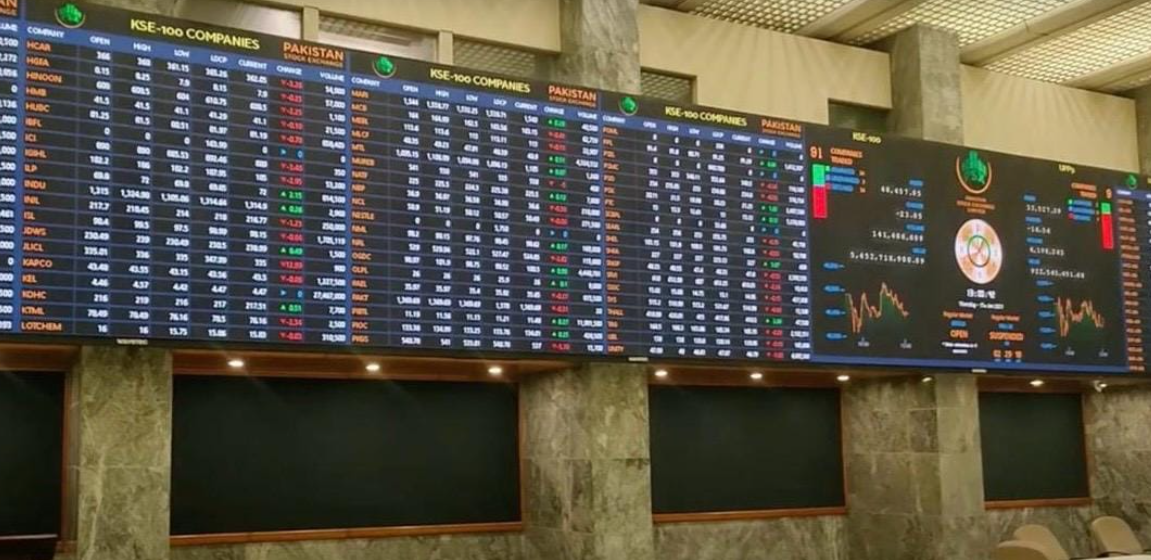
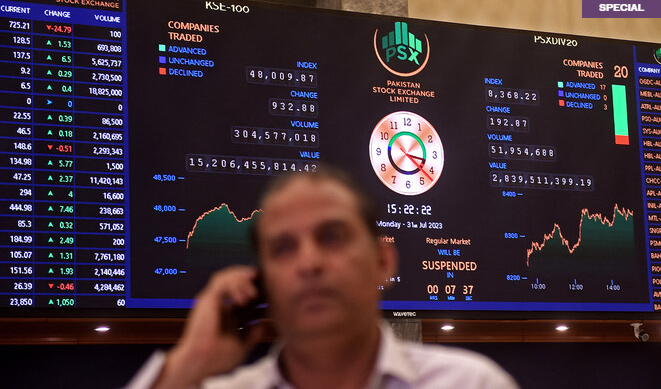
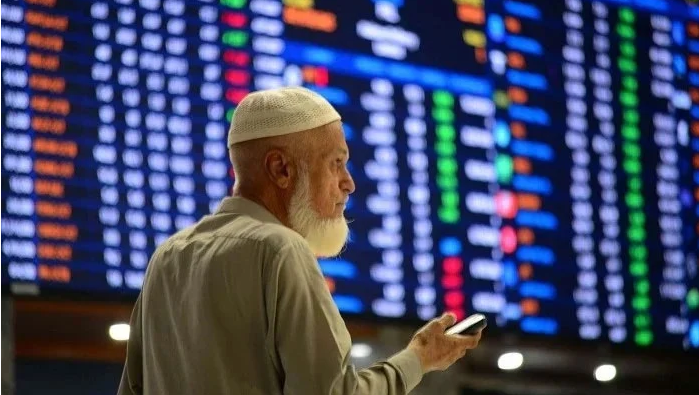
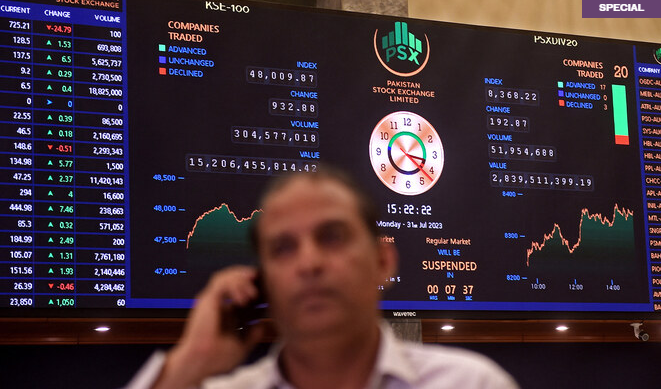
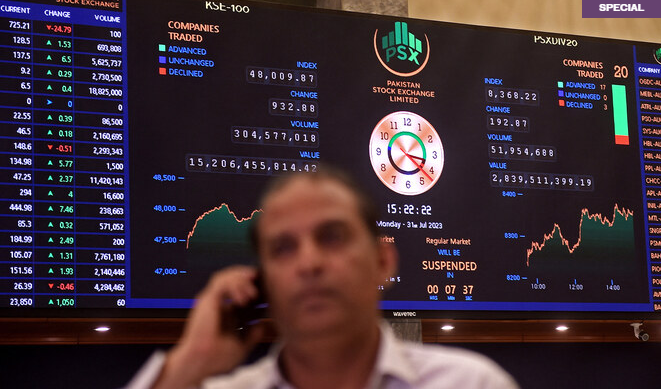
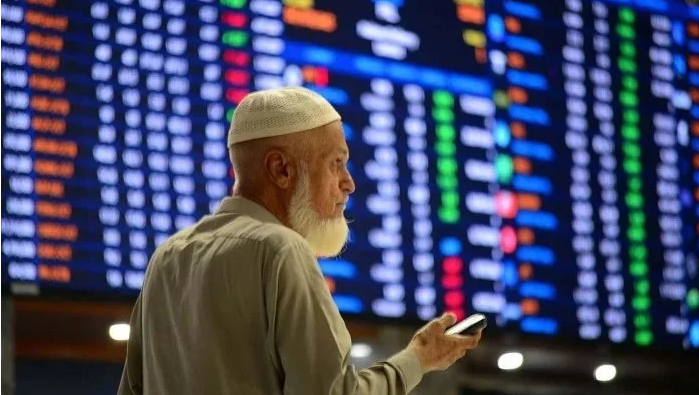
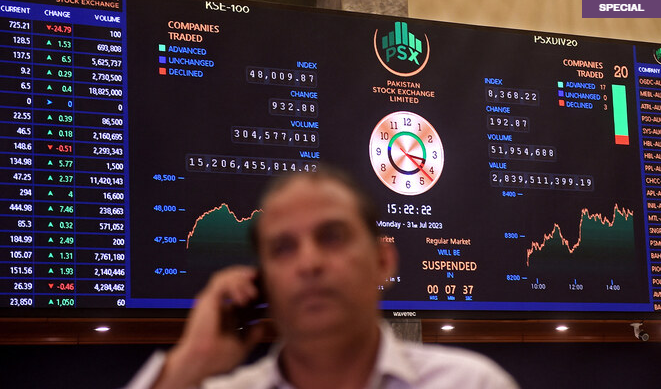
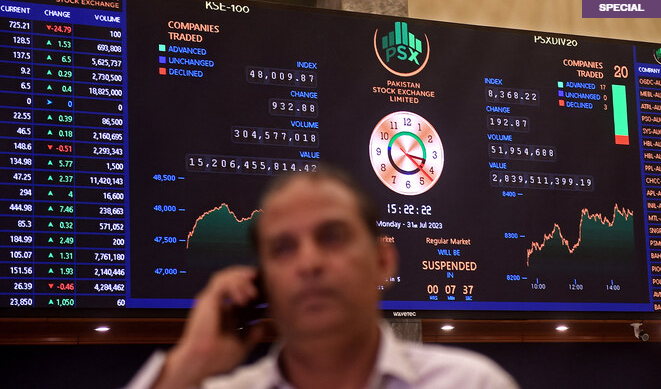
Pakistan's equity market delivered another landmark performance in FY2025-26, with the benchmark KSE-100 Index advancing 54,674 points, or 43.52%, to close at a record 180,301.70 points, marking the largest annual points gain in the index's history.
The rally extended the Pakistan Stock Exchange's (PSX) winning streak to three consecutive fiscal years, supported by improving macroeconomic fundamentals, easing inflationary pressures, progress under the IMF programme, and sustained participation from domestic investors.
Despite experiencing heightened volatility during February and March 2026 amid geopolitical tensions in the Middle East and rising global oil prices, the market staged a strong recovery in the final quarter of the fiscal year. Improved investor sentiment following financial support from Saudi Arabia, Pakistan's successful return to international debt markets, and easing geopolitical risks helped the index recover from its yearly low and end the fiscal year near record levels.
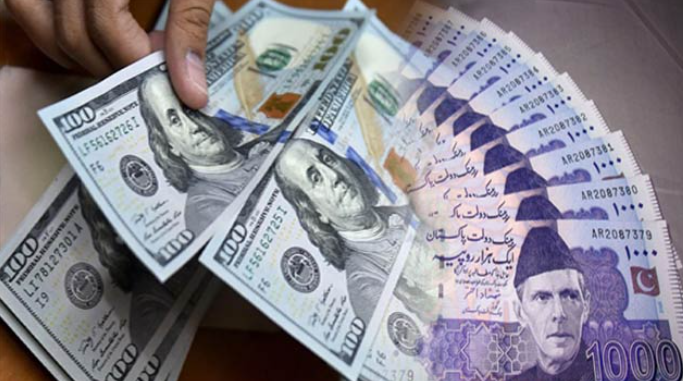
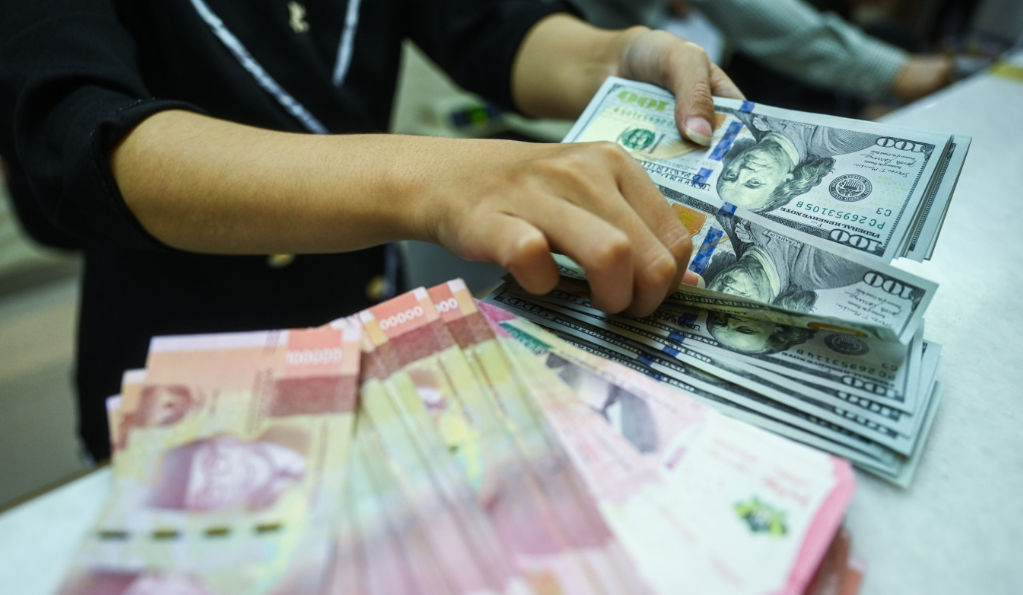
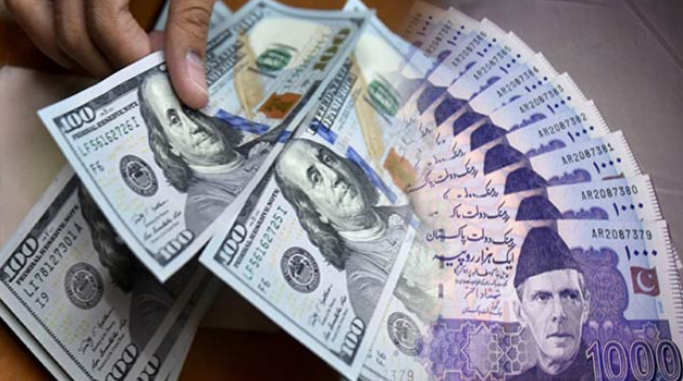
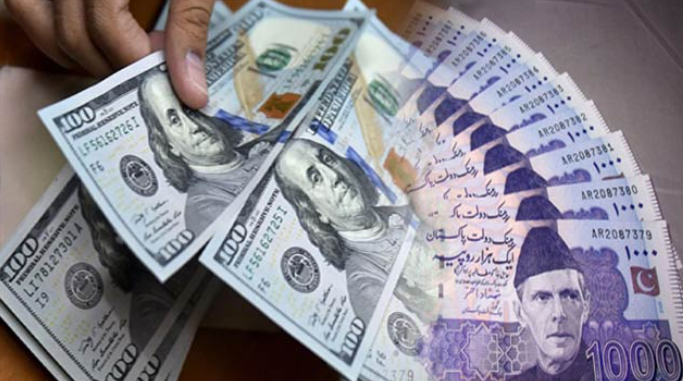
Market capitalisation also expanded significantly, reaching approximately Rs20.2 trillion at the end of FY2025-26, representing an annual increase of nearly 33%. The Pakistani rupee's relative stability further enhanced foreign currency returns, with the KSE-100 generating a 46.41% return in US dollar terms during the fiscal year.
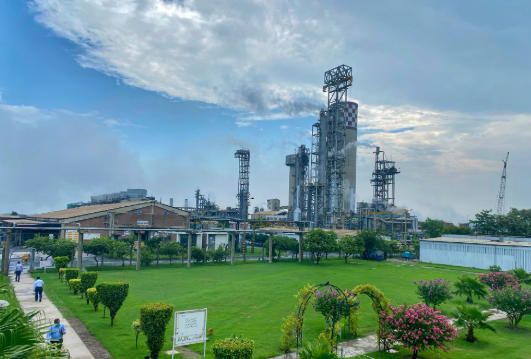
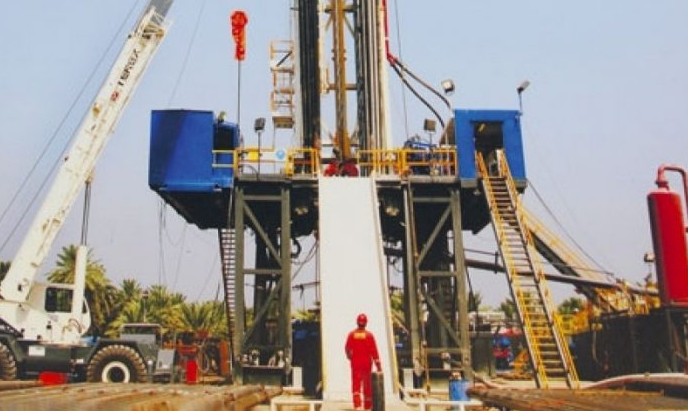
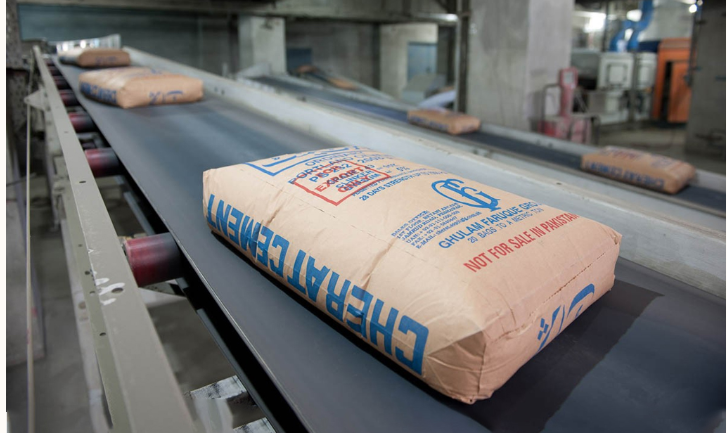
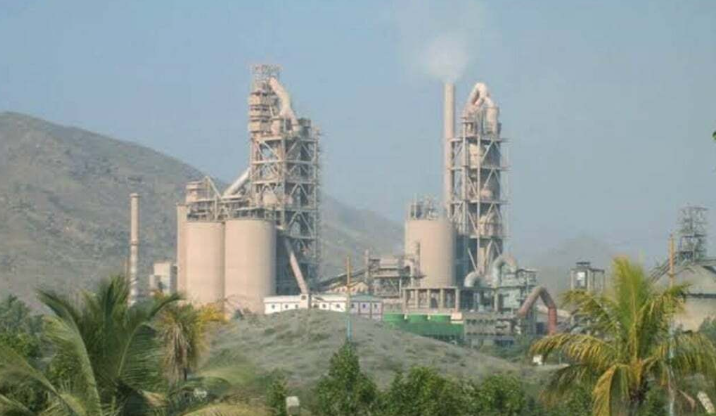
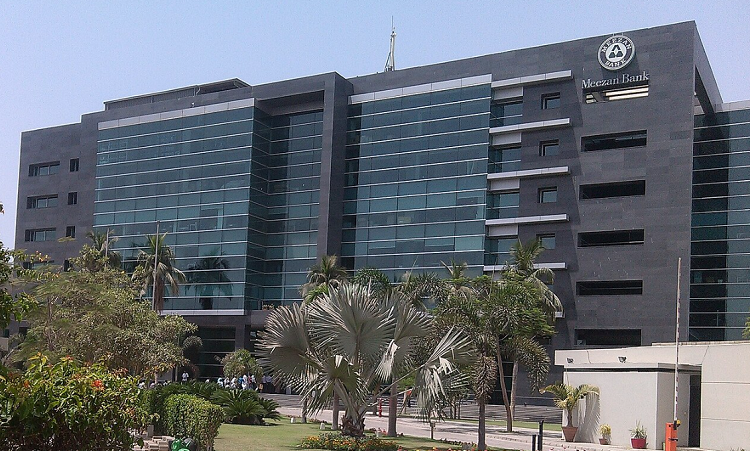
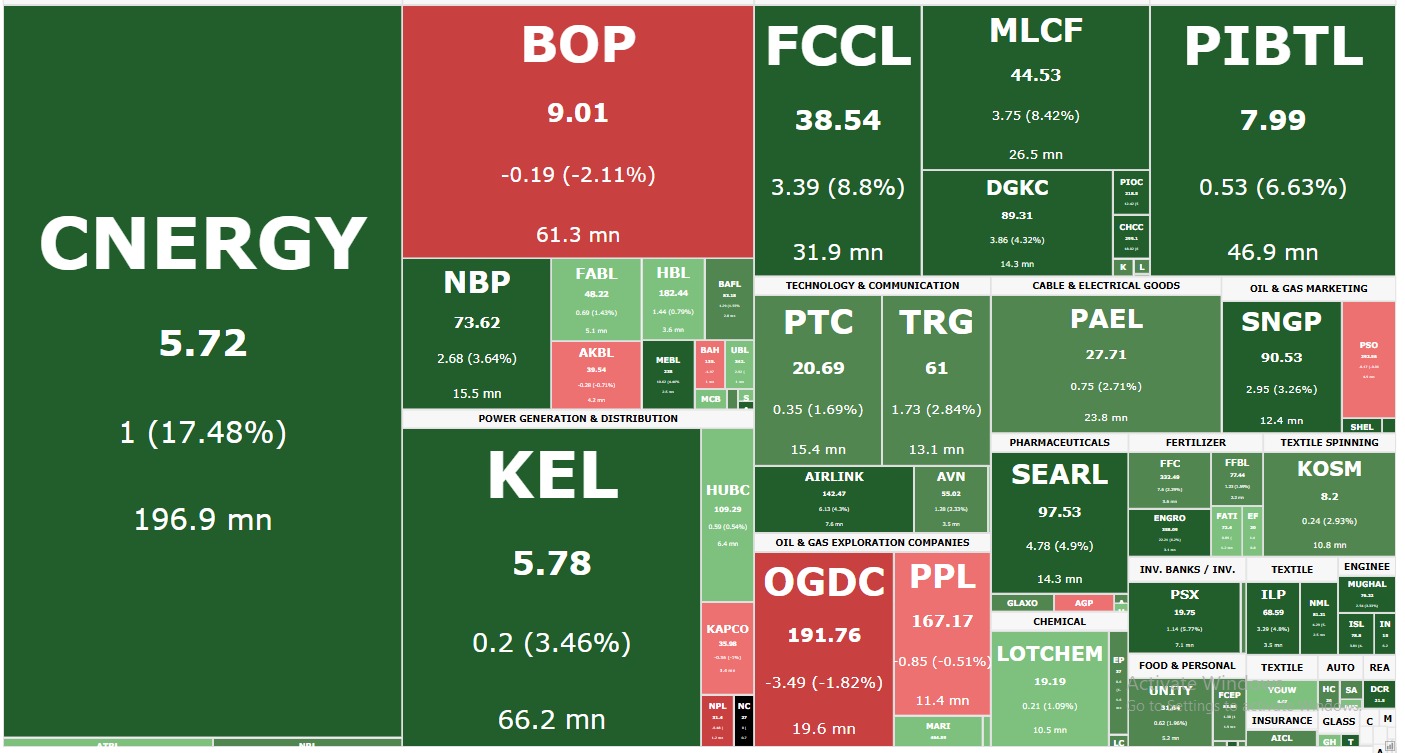
Commercial banks emerged as the strongest-performing sector, making the largest contribution to the benchmark index, followed by fertilizer, oil and gas exploration, cement, investment companies, power generation, and technology stocks. Among individual companies, Fauji Fertilizer Company (FFC), United Bank Limited (UBL), Hub Power Company (HUBC), Engro Holdings (ENGROH), and Meezan Bank (MEBL) ranked among the biggest contributors to the market's record performance.
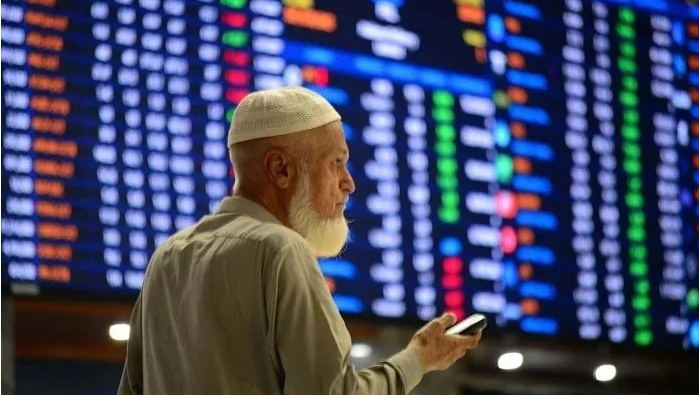
Foreign investors remained net sellers throughout FY2025-26, recording net equity outflows of approximately Rs238 billion. However, robust buying by local corporates, mutual funds, and individual investors fully absorbed the foreign selling, underscoring the growing depth and resilience of domestic participation in Pakistan's capital market.
Looking ahead, market sentiment is expected to be influenced by progress on the government's privatisation programme, IMF review outcomes, external financing plans, foreign exchange reserve trends, and global geopolitical developments. Continued macroeconomic stability and structural reforms are expected to remain key drivers of investor confidence during FY2026-27.










































-falls-to-rs43.57tr)






























































-rises-to-rs44.35-trillion)







-surges-to-rs44.23-trillion-as-bank-deposits-jump)


























-falls-weekonweek-to-rs40.95tr)











































































-ltd-reports-strong-halfyearly-results-–-profit-surged)















































)





Add a comment