
 (1).png)
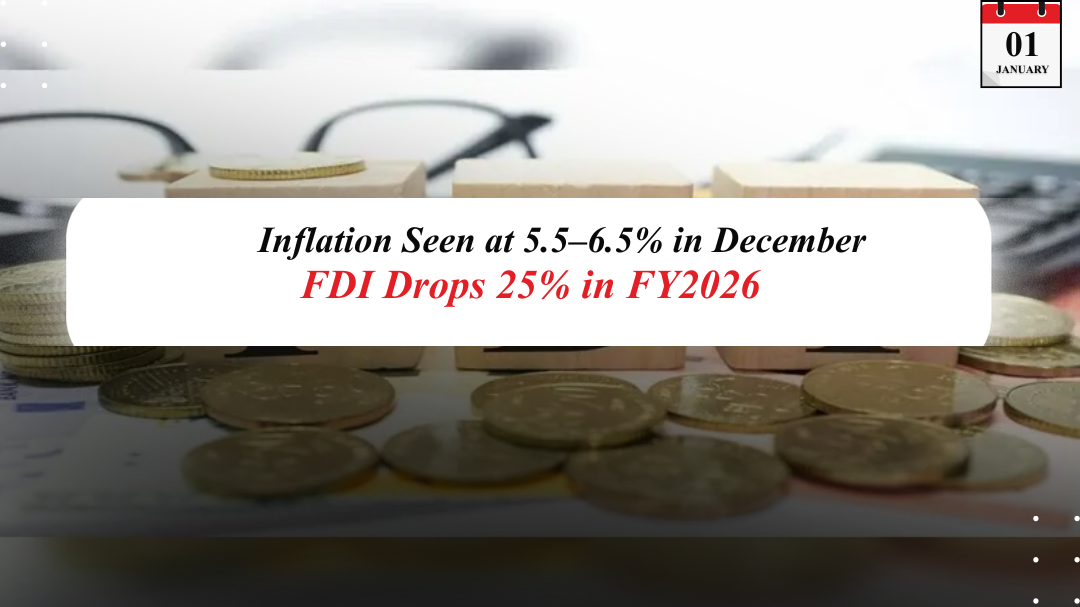
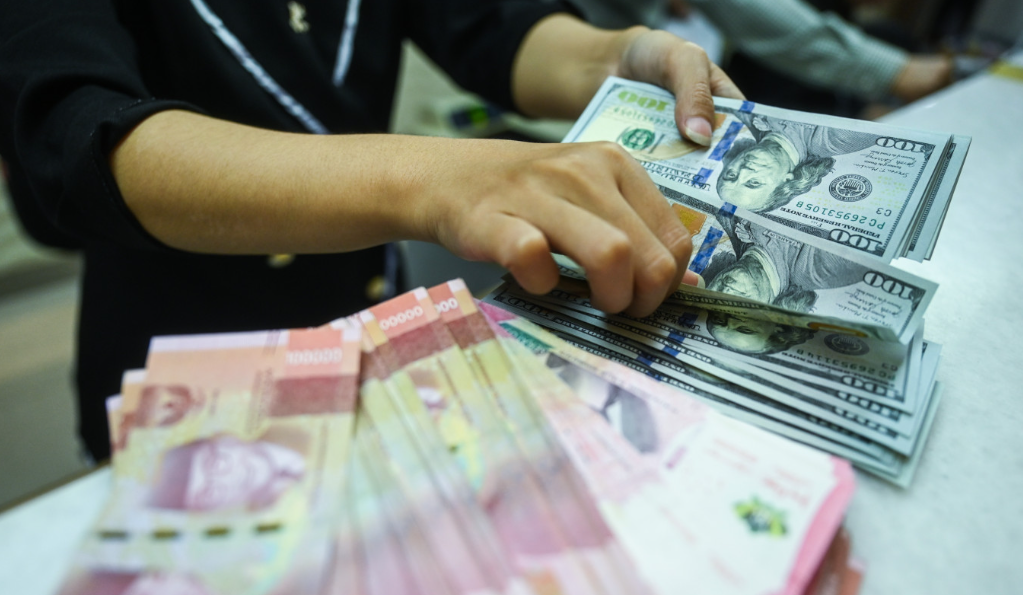
Pakistan's annual consumer inflation slowed to 9.2% in July 2026, returning to single-digit territory after three consecutive months of double-digit readings, according to data released by the Pakistan Bureau of Statistics (PBS).
The latest reading marks a decline from 11.1% in June 2026, although it remains above the 4.1% recorded in July 2025. On a month-on-month basis, the Consumer Price Index (CPI) increased 1.2%, compared with a 0.3% decline in June and a 2.9% increase in the same month last year.
Inflation moderated across both urban and rural areas. Urban CPI inflation eased to 8.7% year-on-year from 11.2% in June, while rural inflation slowed to 9.9% from 10.9%. However, both urban and rural consumer prices increased 1.2% on a monthly basis, indicating continued upward pressure on household expenses.
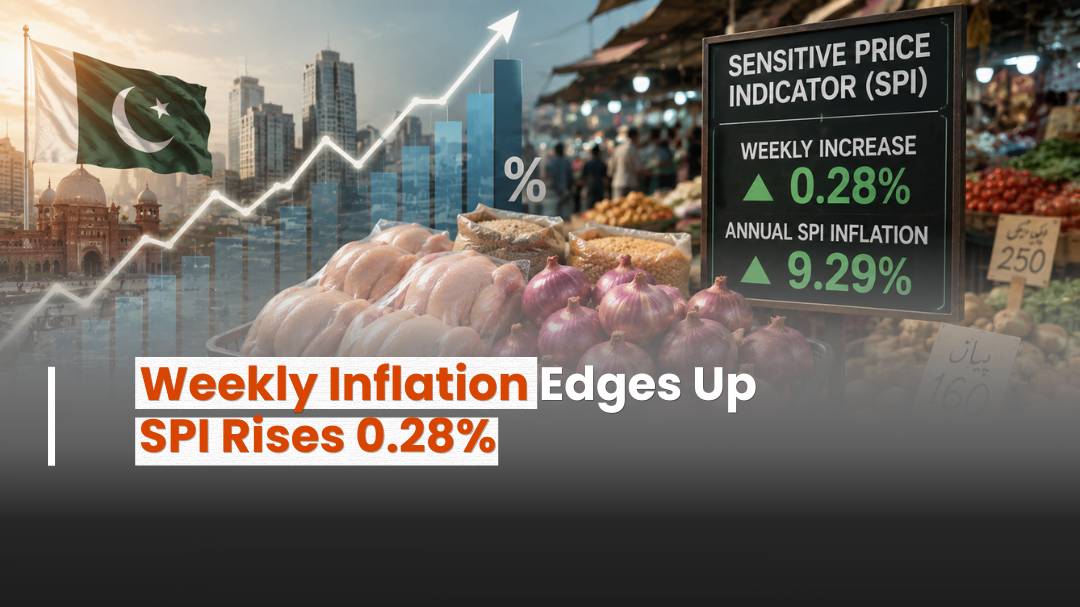
The Sensitive Price Index (SPI), which measures changes in the prices of essential commodities, rose 12.0% year-on-year in July, easing from 12.8% in the previous month. On a monthly basis, SPI increased 2.4%, reflecting higher prices of essential consumer goods.
Meanwhile, the Wholesale Price Index (WPI) climbed 9.4% year-on-year, down from 10.7% in June, while remaining unchanged on a monthly basis after declining 1.2% in the previous month.
Underlying inflation also showed signs of easing. Urban non-food, non-energy (NFNE) inflation edged down to 8.6%, while the 20% weighted trimmed mean declined to 7.5% in urban areas and 8.0% in rural areas, suggesting a gradual moderation in core price pressures.
The latest data indicates that annual inflationary pressures are easing, supported by favourable base effects and lower energy prices. However, the increase in monthly inflation highlights that price pressures persist across several consumer categories, suggesting that inflation risks remain despite the return to single-digit headline inflation.


















































-falls-to-rs43.57tr)

































































































-rises-to-rs44.35-trillion)




















-surges-to-rs44.23-trillion-as-bank-deposits-jump)























































-falls-weekonweek-to-rs40.95tr)




















































































































































-ltd-reports-strong-halfyearly-results-–-profit-surged)



















































































)












Add a comment