 (1).png)
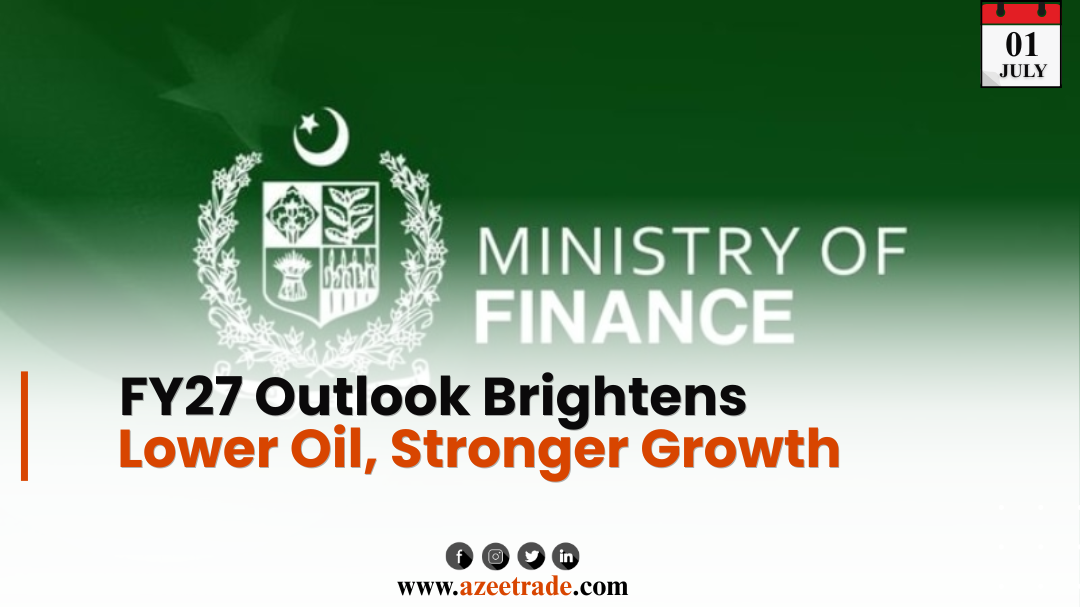
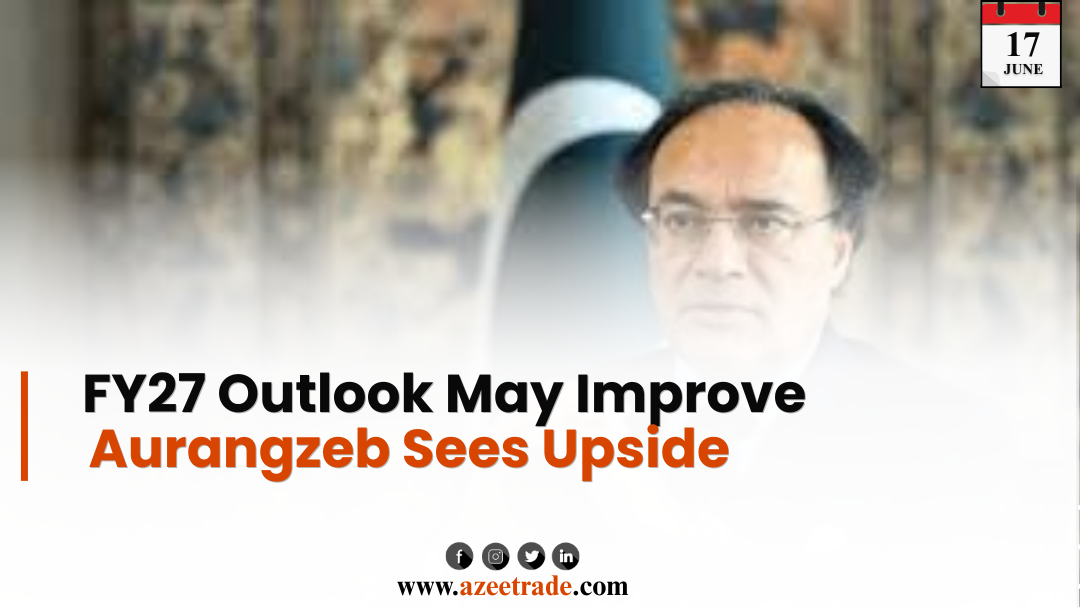
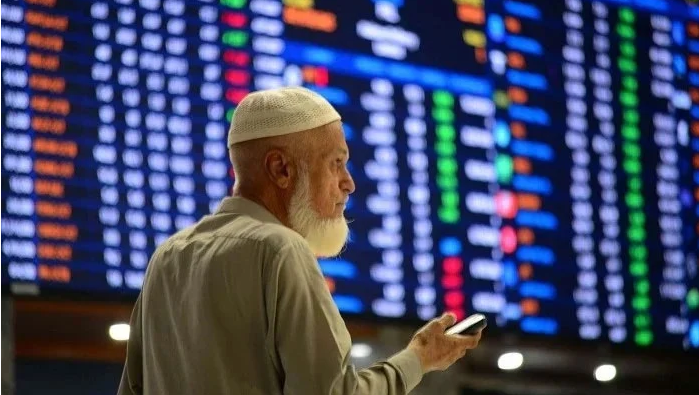
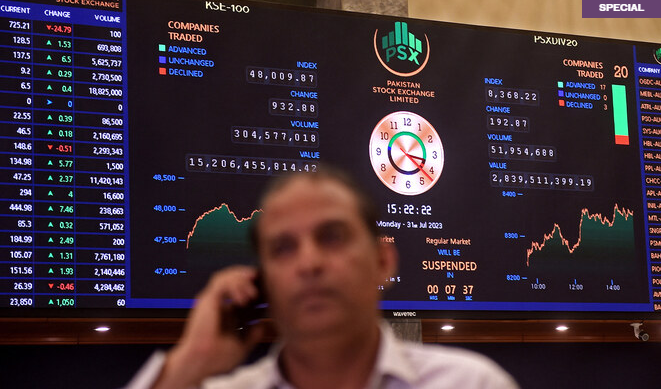
The Ministry of Finance has projected a stronger economic outlook for FY2026-27, citing easing geopolitical tensions, moderating global oil prices, continued economic reforms, and improving investor confidence as key drivers of sustained growth.
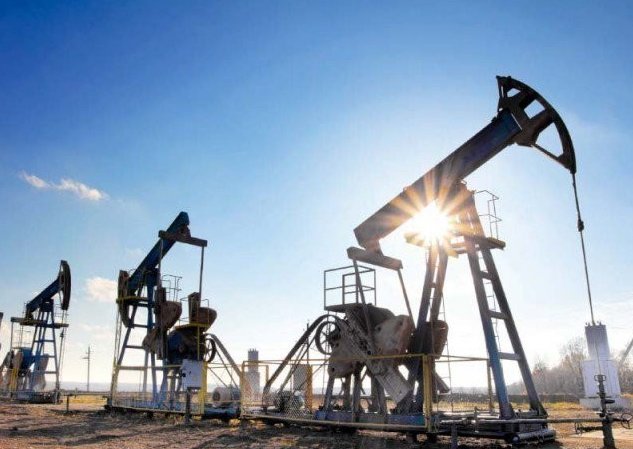
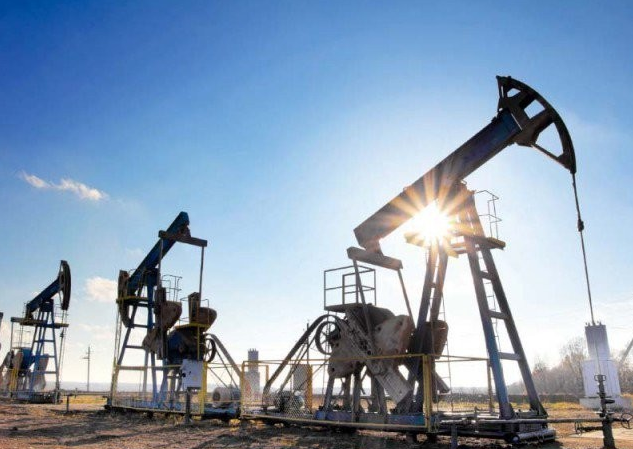
In its latest Monthly Economic Outlook, the ministry said the recent ceasefire between the United States and Iran has improved global market sentiment, contributing to a decline in international crude oil prices. Lower energy prices are expected to reduce imported inflation, lower domestic fuel and transportation costs, and provide additional support to Pakistan's external sector.
The government has already reduced domestic petroleum prices by Rs74 per litre for petrol and Rs67 per litre for diesel, with officials indicating that any further decline in global oil prices could also be passed on to consumers.
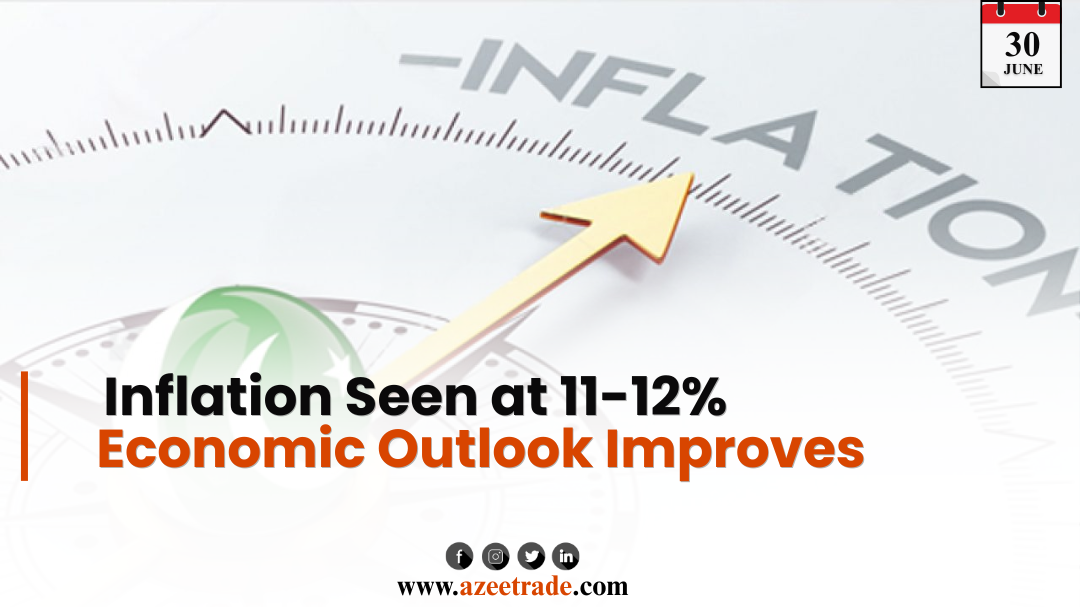
The report projects June 2026 inflation to remain within the 11-12% range, while noting that easing inflationary pressures and prudent macroeconomic management are expected to support economic stability during the upcoming fiscal year.
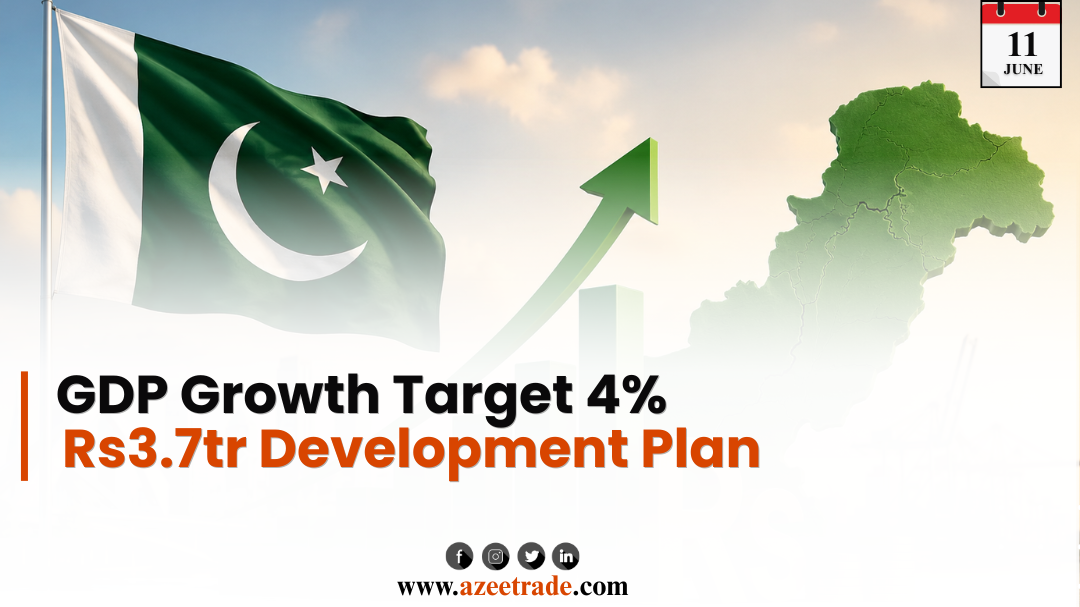
According to the Finance Ministry, Pakistan enters FY2026-27 with significantly stronger macroeconomic fundamentals. The economy recorded 3.7% GDP growth during FY2025-26—the highest in four years—while nominal GDP expanded to $452.1 billion. Growth remained broad-based across agriculture, industry, and services despite earlier flood-related disruptions and global commodity price volatility.
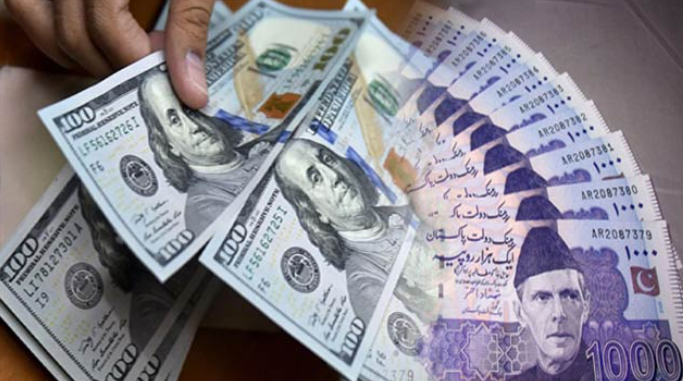
The ministry highlighted continued improvement in the external sector, supported by record workers' remittances, growing IT exports, stronger foreign exchange reserves, and a stable balance of payments. These factors are expected to strengthen Pakistan's resilience against external economic shocks.
The FY2026-27 federal budget has also been designed to reinforce macroeconomic stability by promoting export-led growth, improving business competitiveness, broadening the tax base, strengthening fiscal discipline, expanding social protection, and accelerating energy sector reforms.
The report noted that Consumer Price Index (CPI) inflation increased to 11.7% year-on-year in May 2026, compared with 10.9% in April, while average inflation during July-May FY2025-26 stood at 6.7%. Transport, housing and utilities, and non-perishable food remained the largest contributors to inflation during the period.
The Finance Ministry believes that continued structural reforms, fiscal consolidation, lower energy prices, and improving investor confidence will help sustain economic growth while maintaining macroeconomic stability throughout FY2026-27, although it cautioned that global geopolitical and commodity market risks continue to require close monitoring.











































-falls-to-rs43.57tr)












































































-rises-to-rs44.35-trillion)









-surges-to-rs44.23-trillion-as-bank-deposits-jump)


















































-falls-weekonweek-to-rs40.95tr)















































































































-ltd-reports-strong-halfyearly-results-–-profit-surged)
































































)








Add a comment