 (1).png)
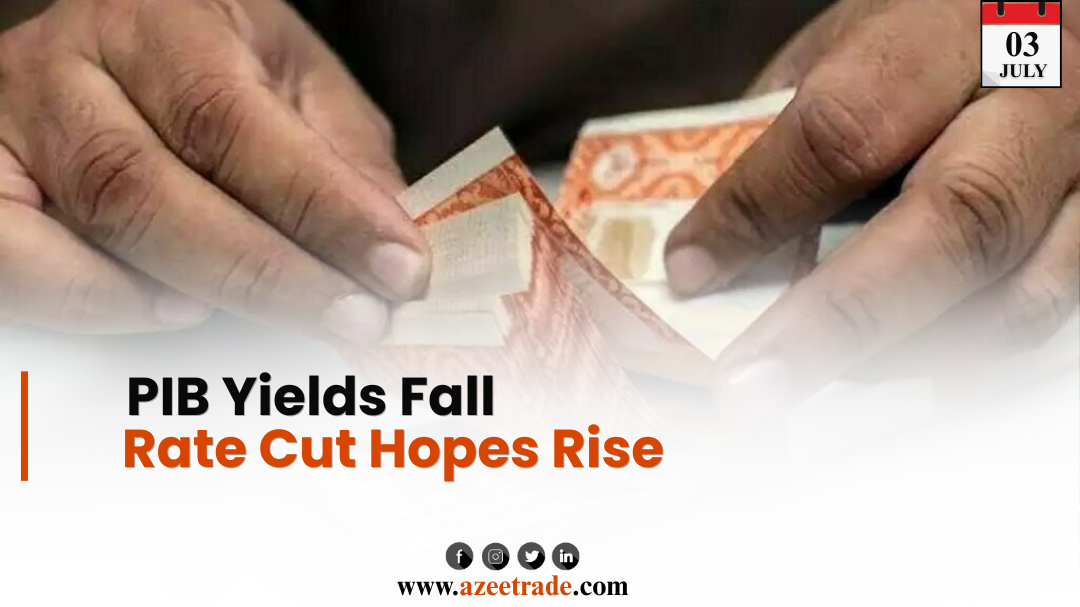
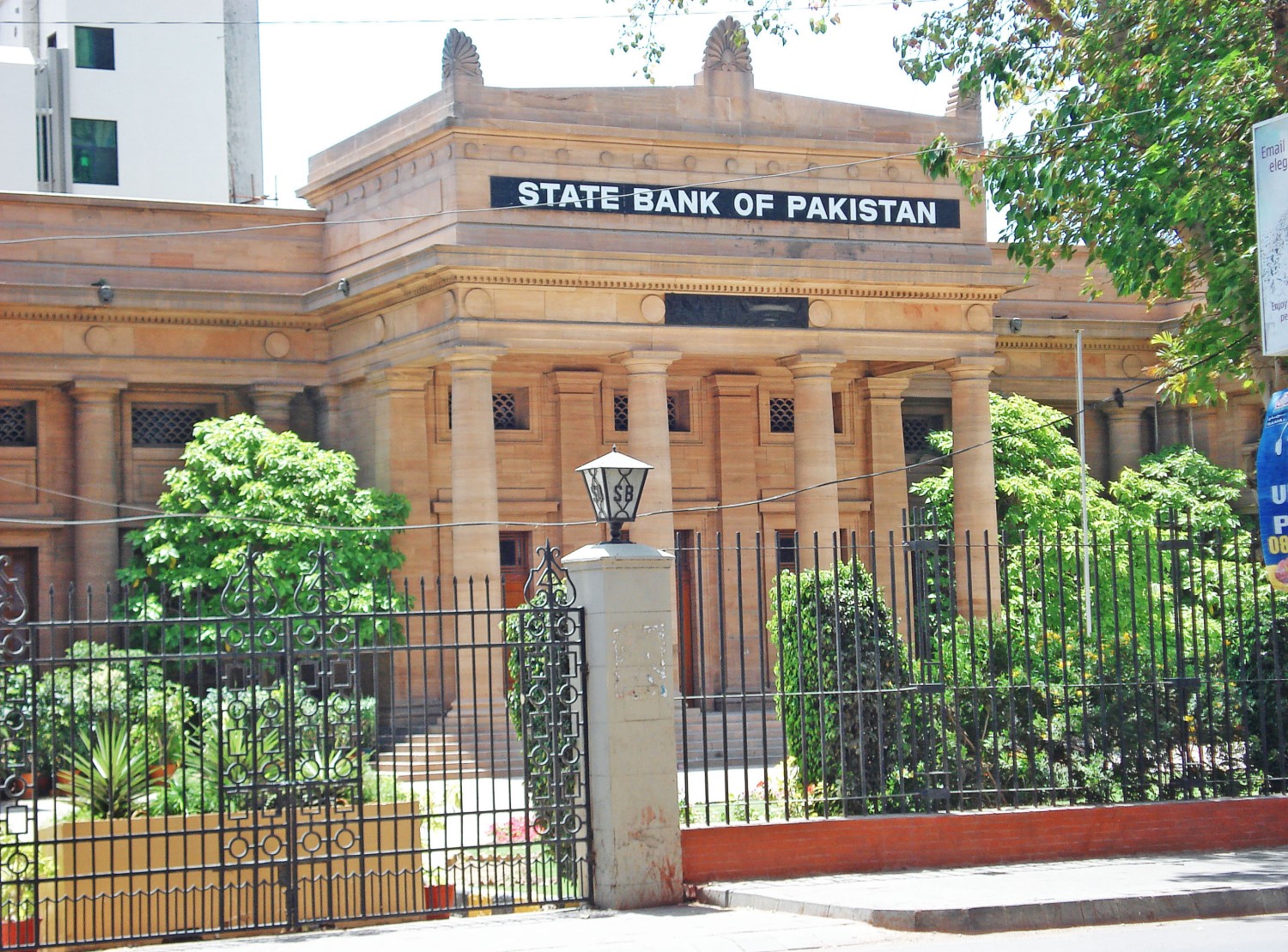
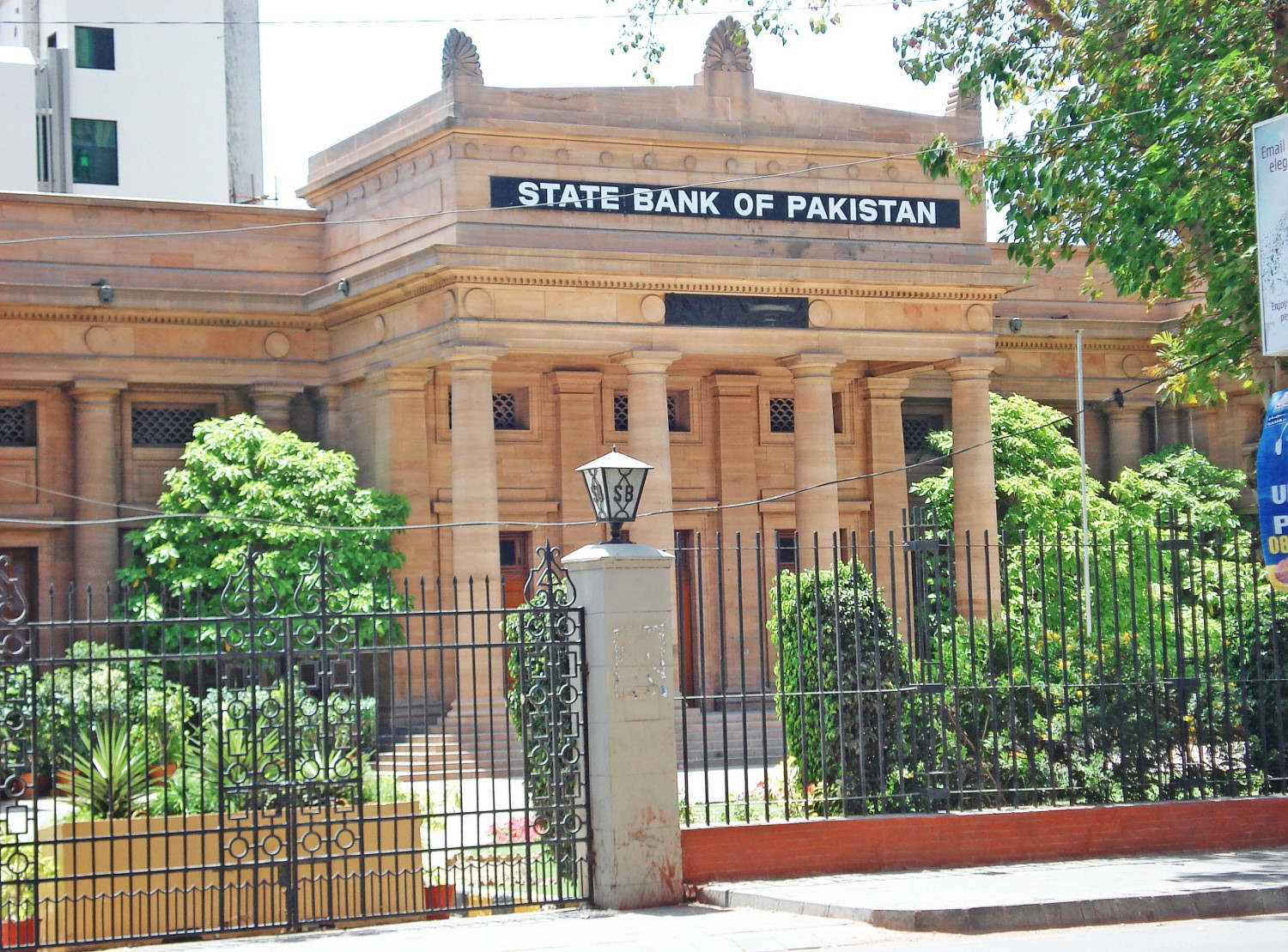
Yields on Pakistan Investment Bonds (PIBs) declined across all major maturities on Thursday as investors increasingly priced in the possibility that the State Bank of Pakistan (SBP) may shift from a tightening stance toward monetary policy easing in the coming months.
According to the auction results, the government raised Rs566 billion through the sale of fixed-rate PIBs, comfortably exceeding its target of Rs350 billion, reflecting strong investor demand for longer-term government securities.
The cut-off yield on the two-year PIB declined by 70 basis points (bps) to 11.45%, while the three-year bond yield fell 60 bps to 11.49%. The five-year PIB recorded a decline of 56 bps to 11.63%, and the 10-year bond yield eased 47 bps to 12.14%.
The decline in yields follows the release of Pakistan's latest inflation data, which showed Consumer Price Index (CPI) inflation easing to 11.1% year-on-year in June 2026, down from 11.7% in May and within the government's projected range of 11% to 12%.
Market participants interpreted the latest inflation reading as a sign that price pressures are beginning to moderate, strengthening expectations that the current interest rate cycle may have reached its peak.
According to market analysts, investors increasingly believe the 100-basis-point policy rate hike announced in April 2026 marked the final increase in the current tightening cycle. With geopolitical risks easing following the de-escalation of tensions between the United States and Iran, confidence has improved that inflation will remain manageable, paving the way for eventual monetary easing when macroeconomic conditions allow.
The sharp fall in PIB yields also reflects the unwinding of the geopolitical risk premium that had previously pushed government bond yields higher. Improved market sentiment, moderating inflation expectations, and stronger demand for government securities collectively indicate growing investor confidence in Pakistan's macroeconomic outlook.
Lower bond yields generally signal expectations of stable or declining interest rates and may help reduce the government's future borrowing costs while supporting broader financial market activity.




















































-falls-to-rs43.57tr)
































































































-rises-to-rs44.35-trillion)





















-surges-to-rs44.23-trillion-as-bank-deposits-jump)





























































-falls-weekonweek-to-rs40.95tr)


















































































































































































-ltd-reports-strong-halfyearly-results-–-profit-surged)






























































































)














Add a comment