
 (1).png)
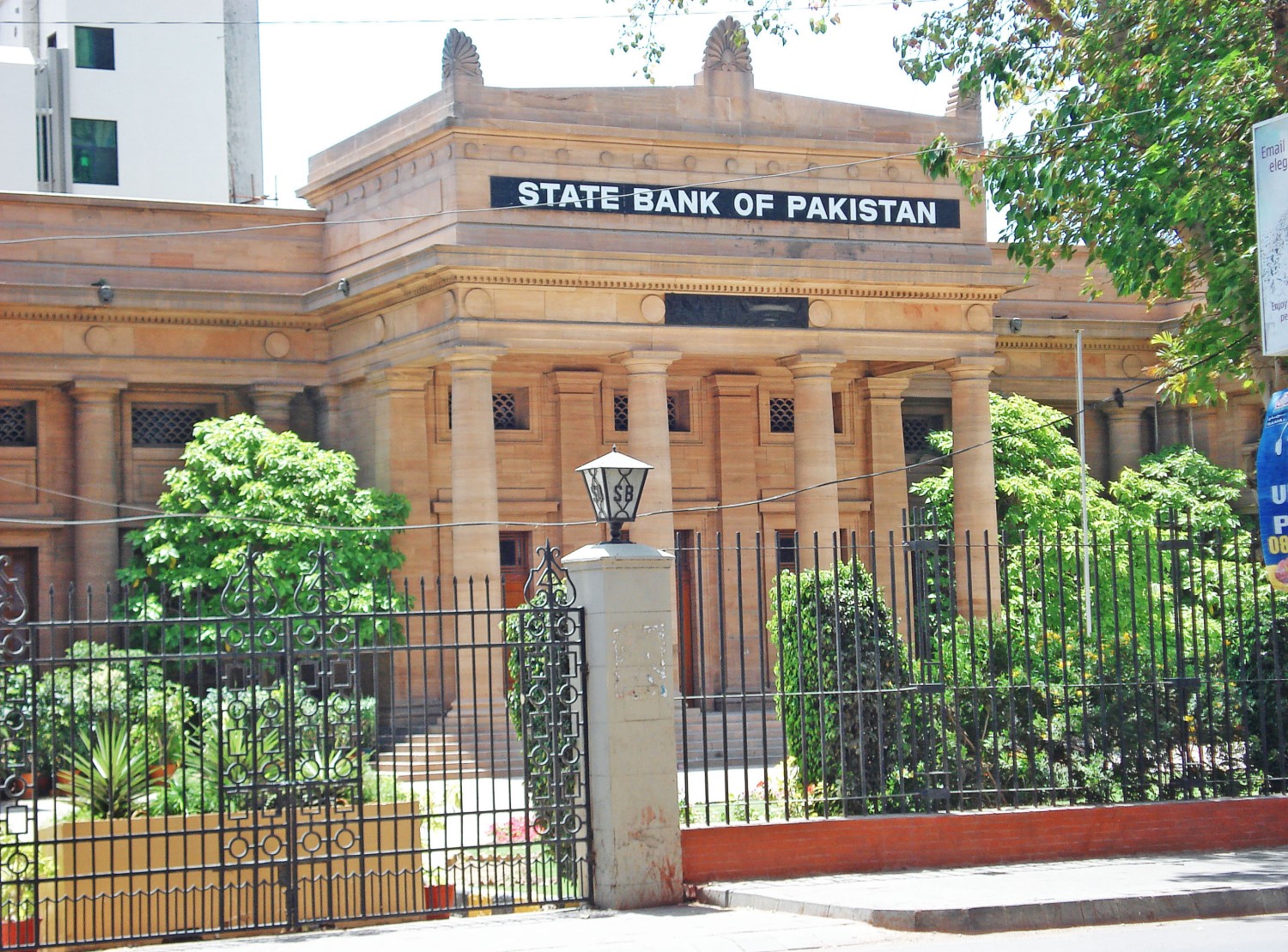
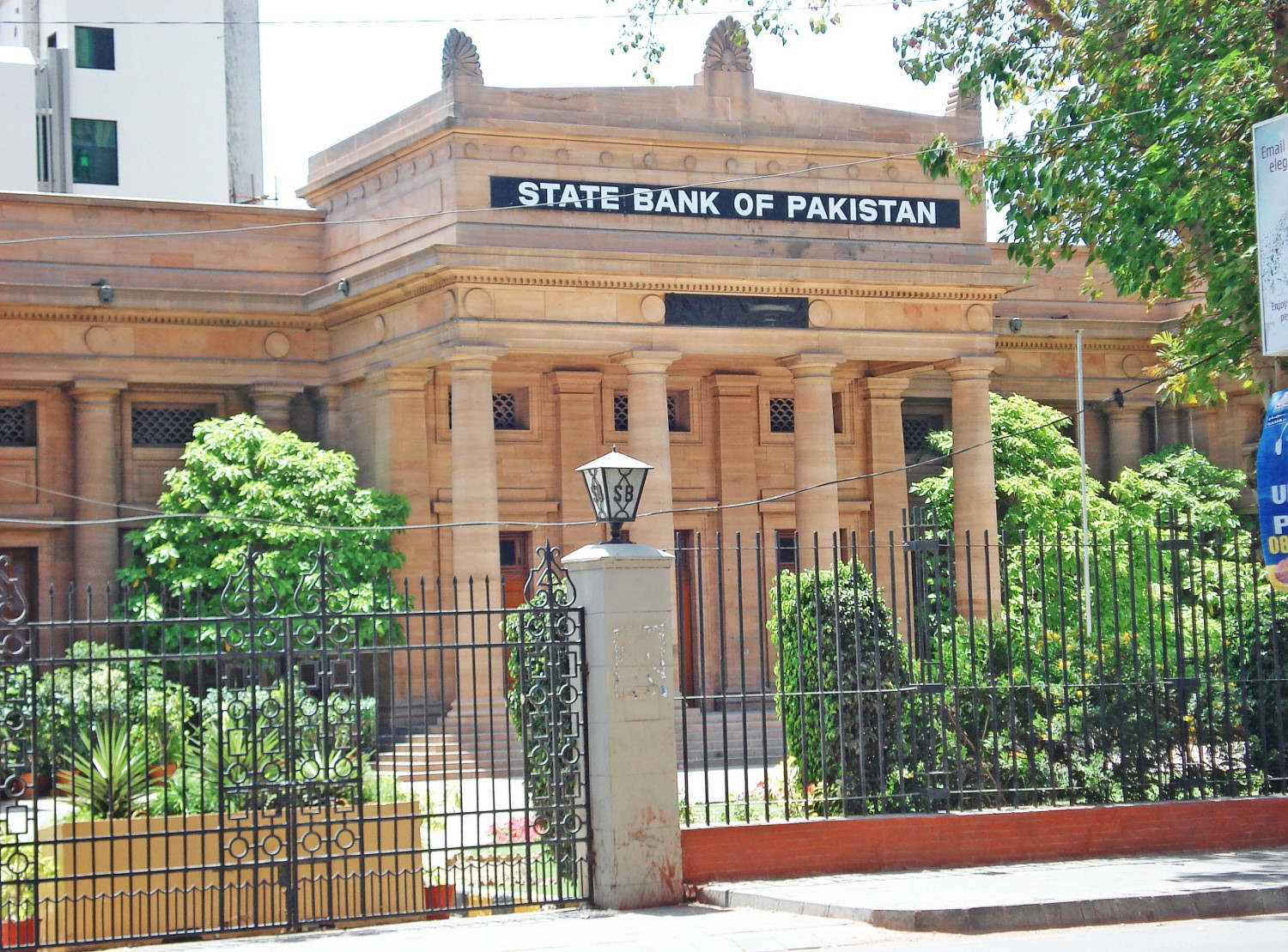
Pakistan received $3.6 billion in workers’ remittances in July 2026, the first month of fiscal year 2027, representing a 13% increase year-on-year, according to data released by the State Bank of Pakistan (SBP).
On a month-on-month basis, remittance inflows increased by 4.5%, maintaining the strong momentum witnessed during the previous fiscal year.
Saudi Arabia remained the largest source of workers’ remittances, with inflows reaching $913.9 million in July, compared with $823.7 million in the corresponding period last year.
Remittances from the United Arab Emirates increased to $737.3 million, up from $665.3 million a year earlier.
The United Kingdom recorded a notable increase, with Pakistani workers sending $555.5 million, compared with $450.3 million in the same period last year.
Meanwhile, remittances from the United States rose to $317.2 million from $269.6 million in July FY26.
The growth in remittances remained broad-based, with the UK and US recording particularly strong increases, while Saudi Arabia continued to lead in terms of overall inflows.
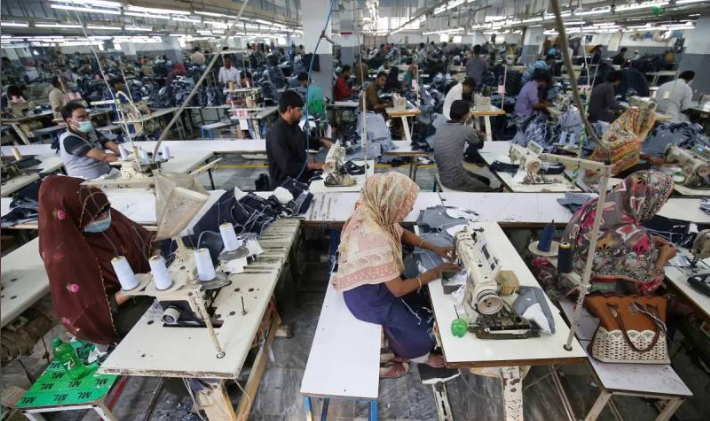
The sustained improvement in remittances has been supported by an increase in overseas migration since FY22 and reforms in Pakistan’s foreign exchange market aimed at encouraging workers to send funds through official banking channels.
Changes in banking regulations, including the SBP’s removal of the minimum deposit rate (MDR) requirement on certain deposits, are also expected to help banks manage transaction costs associated with remittance flows.
Workers’ remittances remain Pakistan’s largest source of foreign exchange inflows, providing critical support to the balance of payments and helping offset pressure from the country's trade deficit.
Pakistan received a record $41.6 billion in remittances during FY26, despite geopolitical tensions and conflict in the Middle East.
The State Bank of Pakistan expects remittances to rise further to around $44 billion in FY27, indicating continued support for the country's external account.
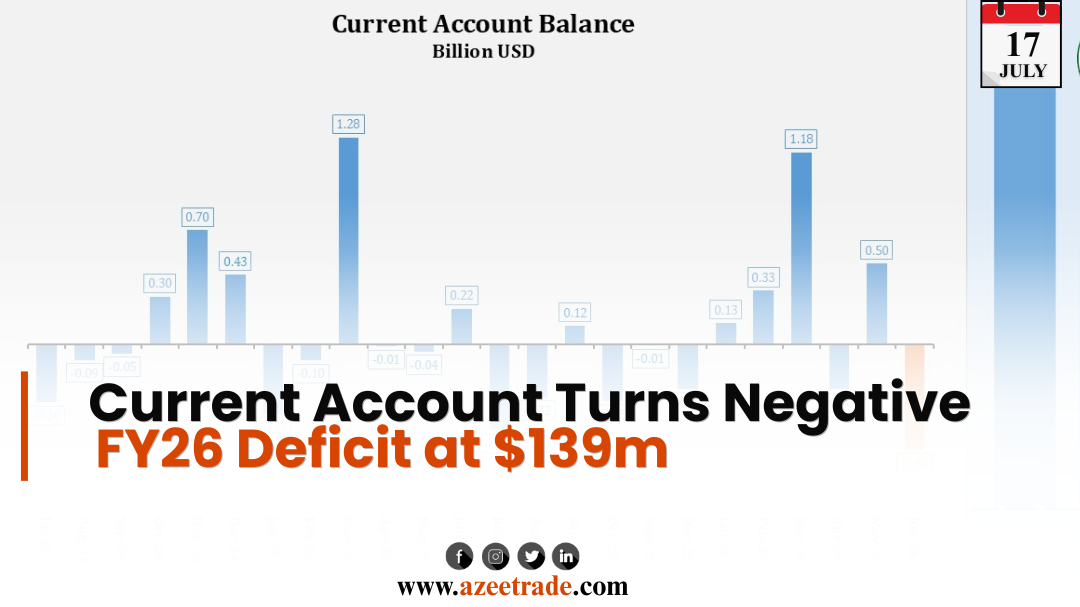
Pakistan recorded a current account deficit of $139 million in FY26, compared with a $1.8 billion surplus in the preceding fiscal year.



























































-falls-to-rs43.57tr)
































































































































-rises-to-rs44.35-trillion)



























-surges-to-rs44.23-trillion-as-bank-deposits-jump)
























































































-falls-weekonweek-to-rs40.95tr)











































































































































































































































-ltd-reports-strong-halfyearly-results-–-profit-surged)


































































































































)



















Add a comment