 (1).png)
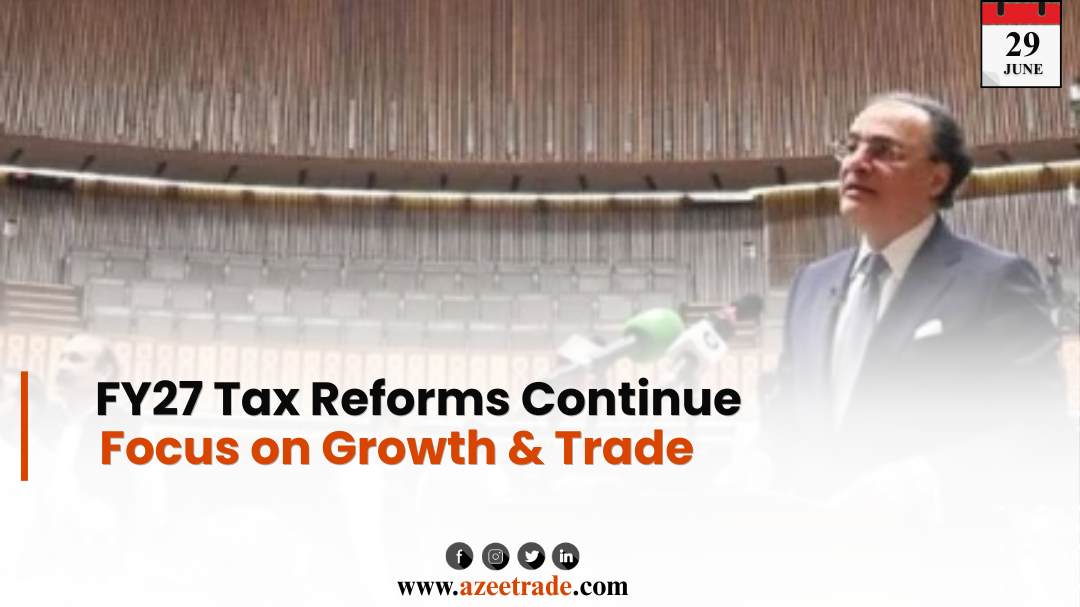
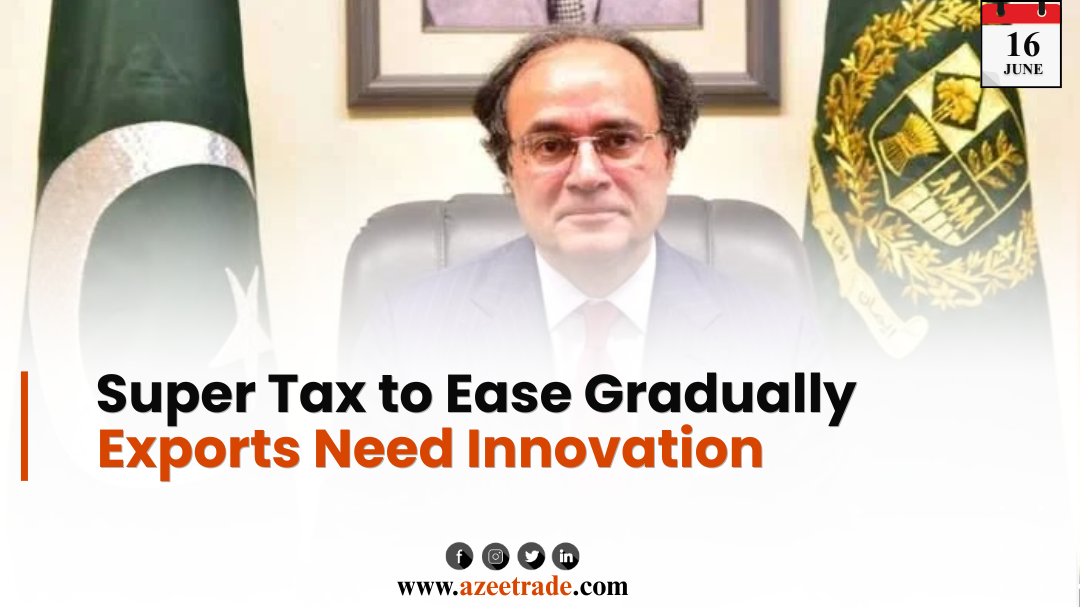
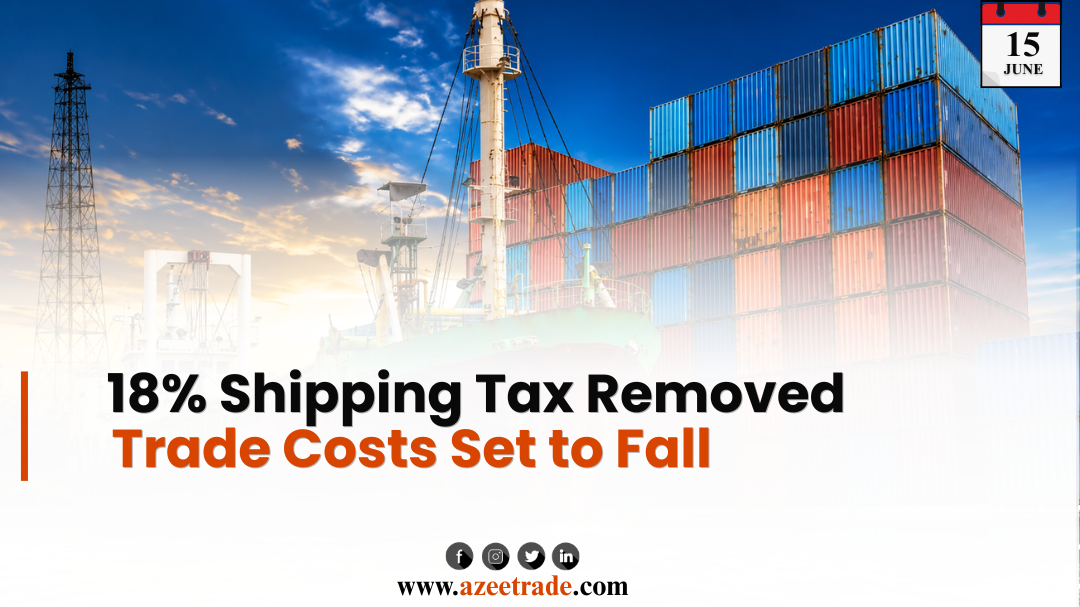
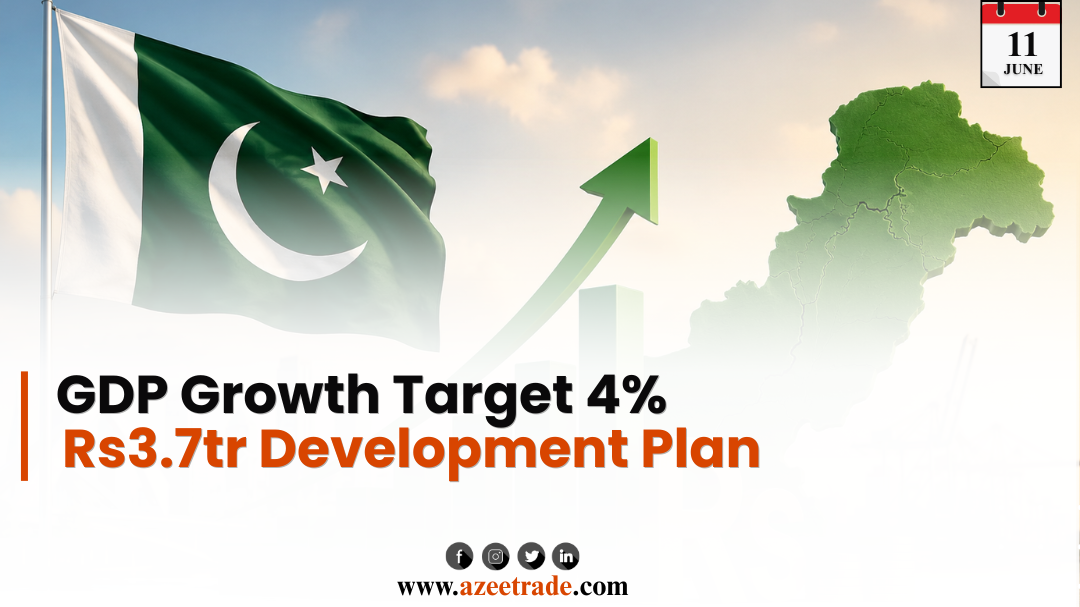
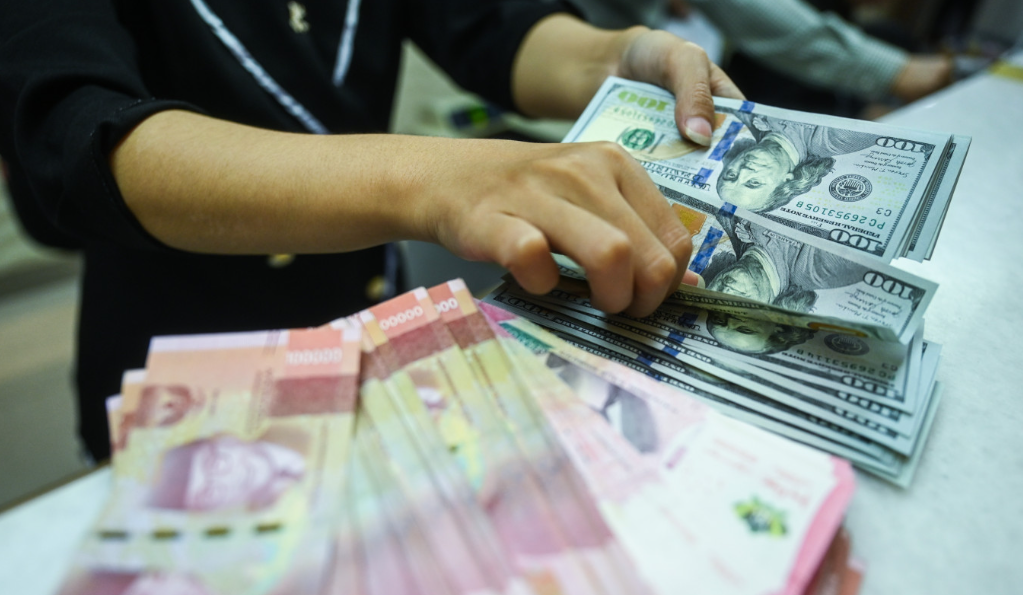
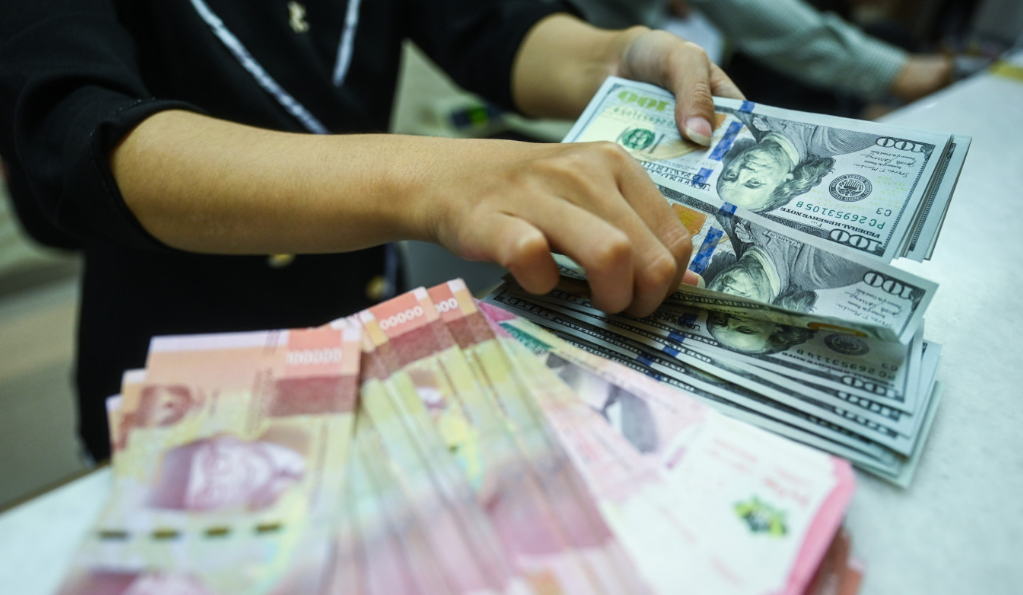
Pakistan's FY27 budget has introduced a new phase of tax reforms aimed at strengthening economic growth by continuing tariff rationalization and initiating income tax reforms designed to reduce the burden on the formal sector while improving tax administration.
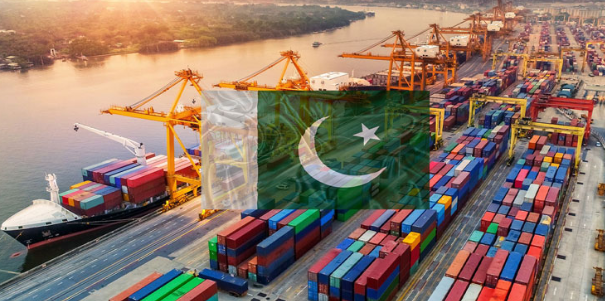
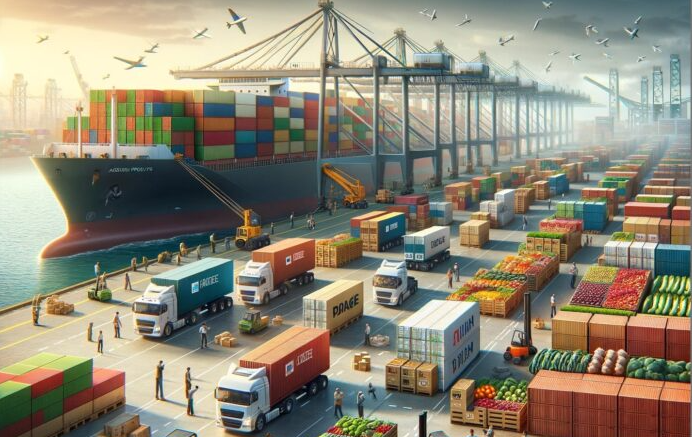
The reforms build on the National Tariff Policy 2025-30, under which import duties have been lowered for a second consecutive year to enhance industrial competitiveness, facilitate trade, and reduce reliance on protectionist policies.
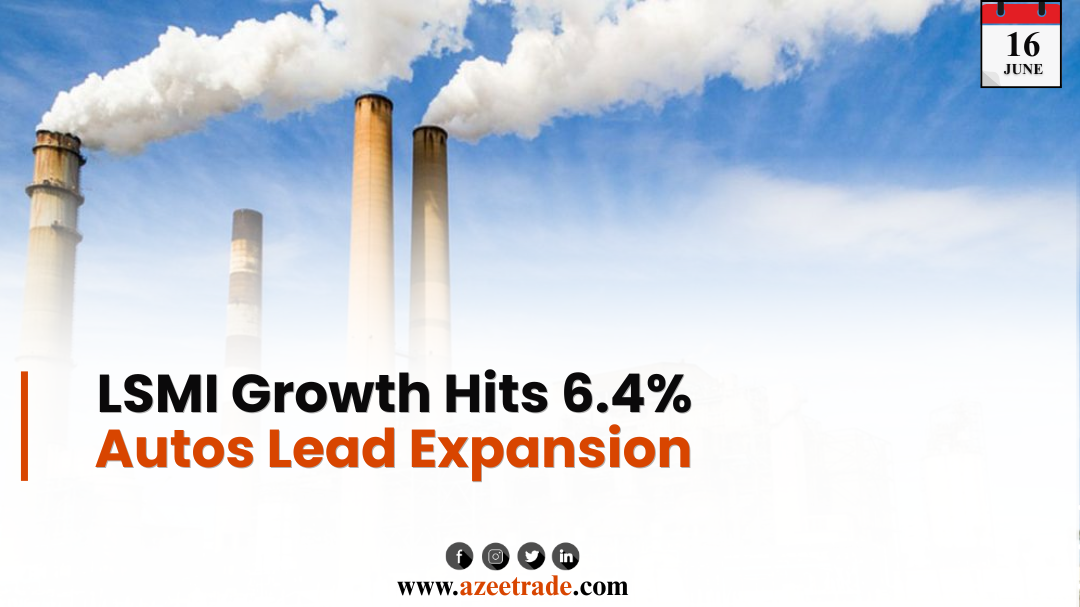
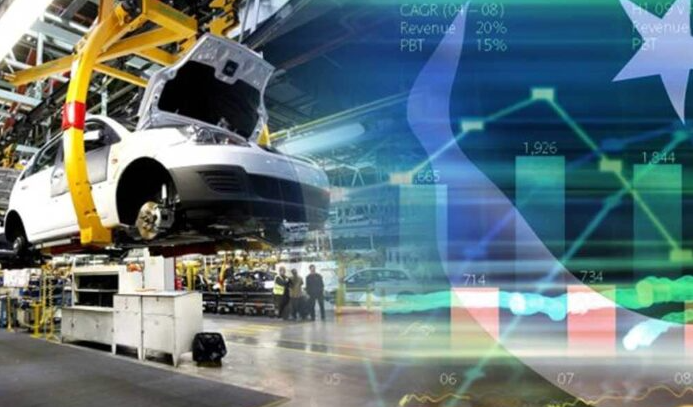
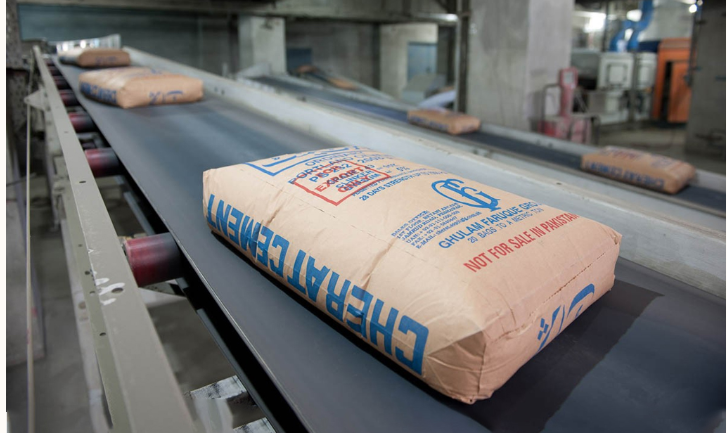
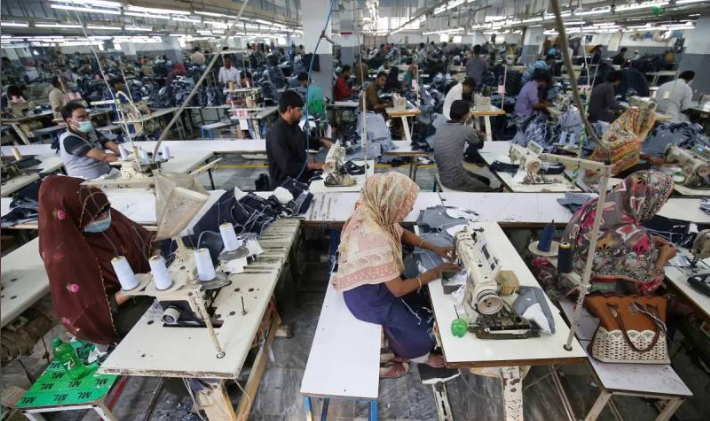
Despite concerns raised when the policy was introduced in 2025, early economic indicators suggest positive outcomes. Large-scale manufacturing recorded growth of 6.6% during the fiscal year, while small-scale manufacturing expanded by 6.2%, indicating improved industrial activity.
Import-related tax collection also outperformed expectations. Instead of declining following tariff reductions, customs and import tax revenues increased by around 12%, supported by higher import volumes and reduced incentives for informal trade.
The reforms have also helped lower customs duty exemptions and concessions, with revenue foregone declining by approximately 12%, improving tax efficiency and creating a more level playing field for businesses.
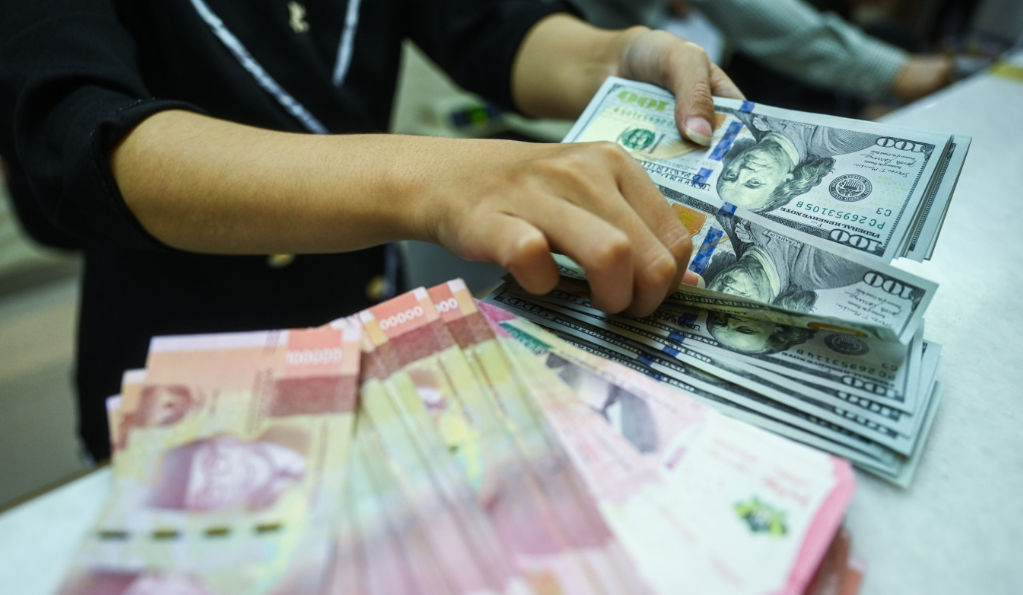
On the external front, despite higher imports, Pakistan maintained relative external stability. Total liquid foreign exchange reserves increased to approximately $22.7 billion, while the balance of payments remained broadly stable.
However, exports remained under pressure, declining by around 5% during the period. Analysts attribute the slowdown primarily to weaker international rice prices, disruptions in regional trade, and geopolitical tensions in the Middle East rather than the tariff reforms themselves.
The FY27 budget also introduces income tax reforms focused on reducing the tax burden on compliant taxpayers while strengthening tax collection through greater use of technology and improved enforcement.
Looking ahead, policymakers are expected to review advance taxes on imports, which many industry participants believe create unnecessary distortions and increase business costs, particularly for manufacturers and small and medium-sized enterprises.
Analysts believe continued implementation of tariff and tax reforms could improve Pakistan's competitiveness, broaden the tax base, attract investment, and strengthen integration into global value chains over the medium term.









































-falls-to-rs43.57tr)







































































-rises-to-rs44.35-trillion)
















-surges-to-rs44.23-trillion-as-bank-deposits-jump)






































-falls-weekonweek-to-rs40.95tr)










































































































-ltd-reports-strong-halfyearly-results-–-profit-surged)






























































)








Add a comment