 (1).png)
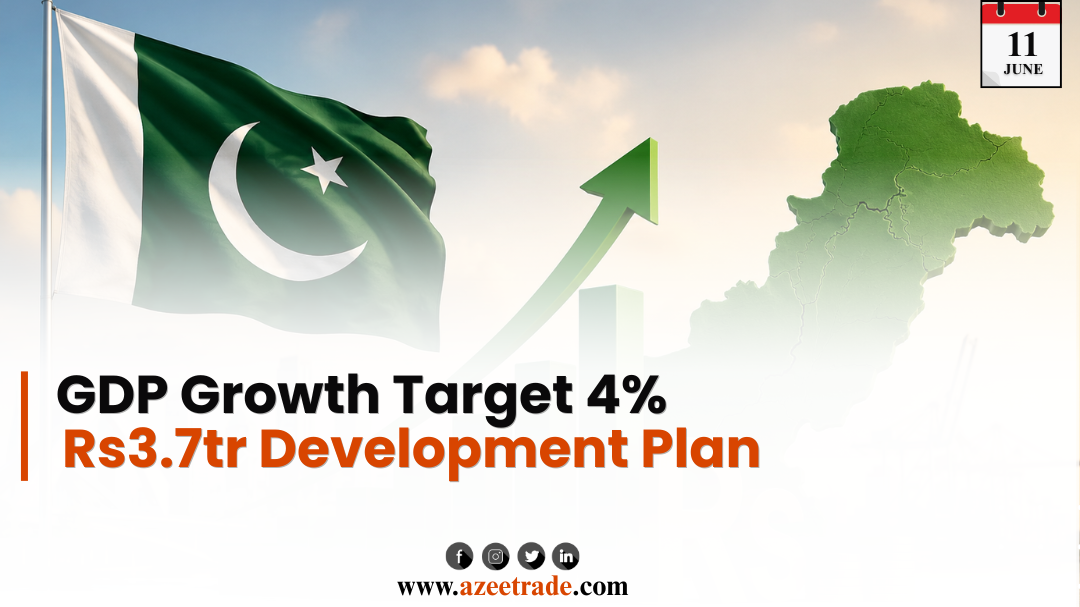
Pakistan has set a GDP growth target of 4.0% for FY2026-27 and proposed a national development outlay of Rs3.7 trillion, reflecting the government's focus on sustaining economic recovery through increased public sector investment and infrastructure development.
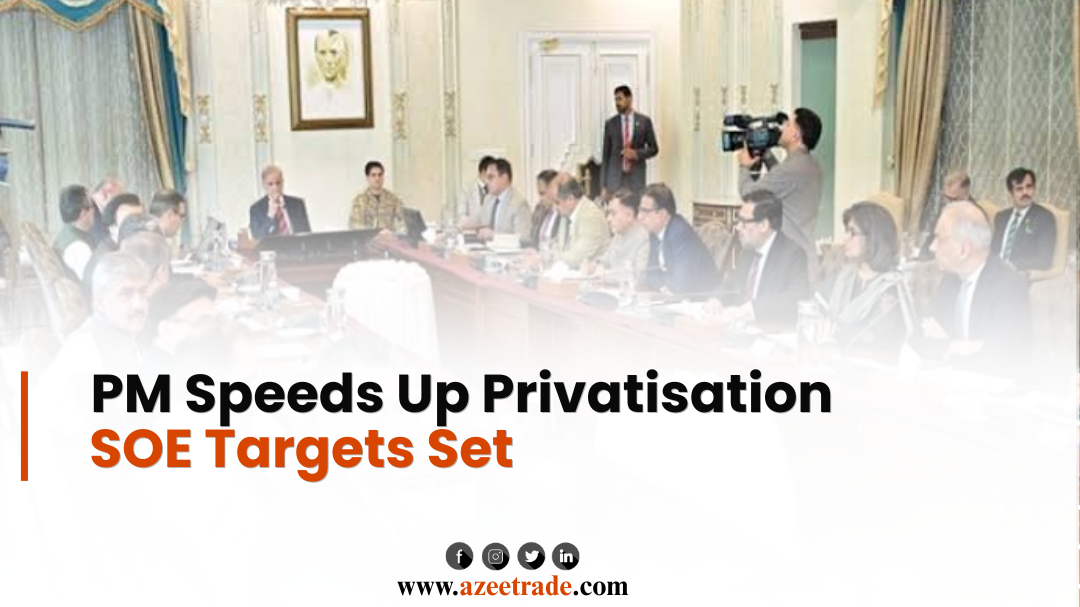
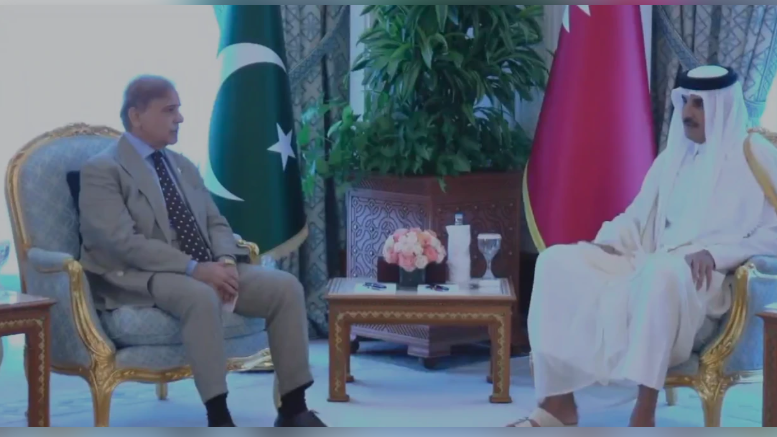
The targets were presented before the National Economic Council (NEC), chaired by Prime Minister Shehbaz Sharif, during its review of the Annual Plan for FY2026-27. The meeting also evaluated development priorities, public investment proposals, and ongoing projects under the Central Development Working Party (CDWP) and Executive Committee of the National Economic Council (ECNEC).
Under the proposed framework, Pakistan's nominal GDP is projected to expand to Rs143.6 trillion from Rs126.9 trillion in FY2025-26, while average inflation is expected to rise to 8.2% from 6.7% recorded during the outgoing fiscal year.
The government has allocated Rs1 trillion for the Federal Public Sector Development Programme (PSDP), while provincial Annual Development Programmes (ADPs) are estimated at Rs2.218 trillion, taking the total national development outlay to approximately Rs3.669 trillion.
Sector-wise, the highest allocation within the federal PSDP has been proposed for infrastructure projects at Rs602.5 billion, led by transport and communications projects receiving Rs355.9 billion. Social sector spending has been earmarked at Rs180.6 billion, including enhanced allocations for education and health, while Science & IT, governance reforms, special areas, and productive sectors are also expected to receive increased funding.
On the economic front, growth targets have been set at 3.6% for agriculture, 4.5% for industry, and 4.2% for services, indicating expectations of broad-based expansion across key sectors of the economy.
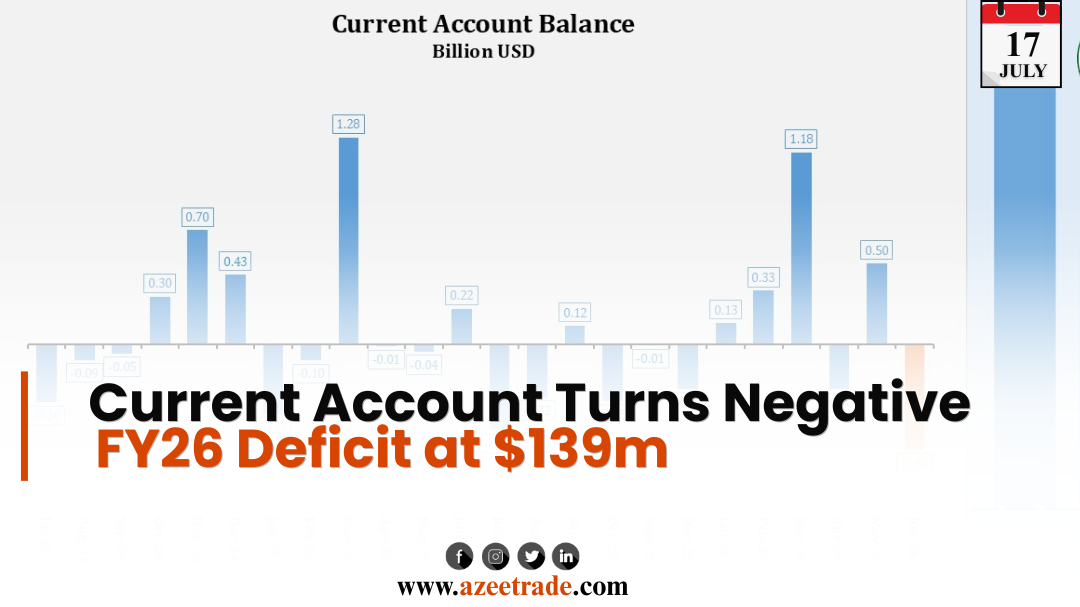
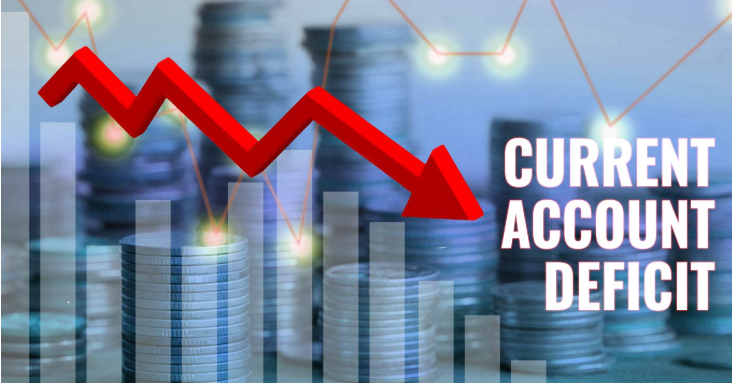
The external sector outlook suggests a gradual increase in trade activity, with goods exports projected to reach $32.9 billion and workers' remittances expected to rise to $42.4 billion during FY2026-27. However, the current account deficit is forecast to widen to $3.6 billion, equivalent to 0.7% of GDP, as stronger economic activity is likely to support higher import demand.
The NEC was also informed that Pakistan's economy expanded by 3.7% in FY2025-26, compared to 3.2% a year earlier. Inflation moderated significantly during the year, fiscal indicators improved, private sector credit recorded strong growth, and foreign exchange reserves strengthened, reflecting improving macroeconomic stability.
Meanwhile, development spending utilization remained below target, with the Federal PSDP recording expenditures of Rs590 billion, representing 72% of the revised allocation as of June 9, 2026.
The government's proposed development strategy for FY2026-27 aims to accelerate economic growth, improve infrastructure, strengthen social services, and support investment-led expansion while maintaining macroeconomic stability.








































-falls-to-rs43.57tr)








































































-rises-to-rs44.35-trillion)










-surges-to-rs44.23-trillion-as-bank-deposits-jump)








































-falls-weekonweek-to-rs40.95tr)














































































-ltd-reports-strong-halfyearly-results-–-profit-surged)

























































)







Add a comment