 (1).png)
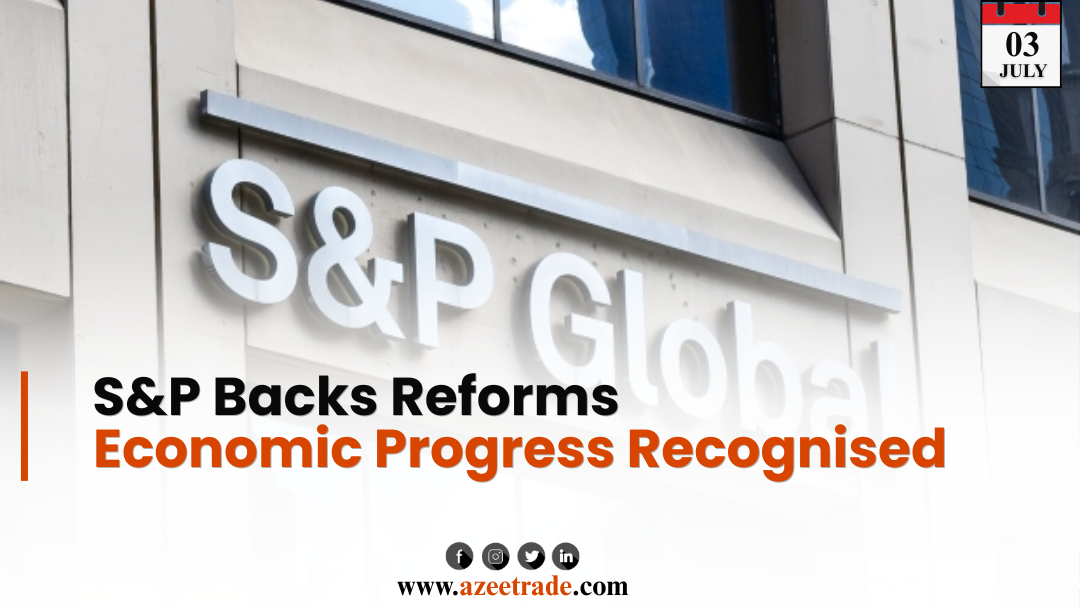
S&P Global Ratings has acknowledged Pakistan's progress in strengthening macroeconomic stability and welcomed the government's commitment to fiscal discipline, debt sustainability, external sector resilience, and structural economic reforms.
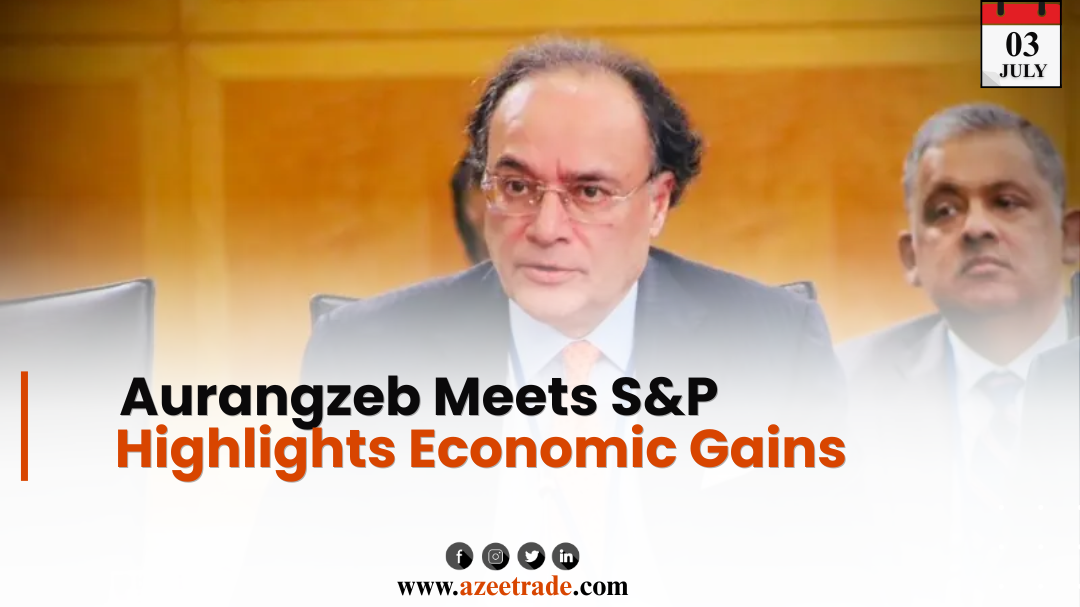
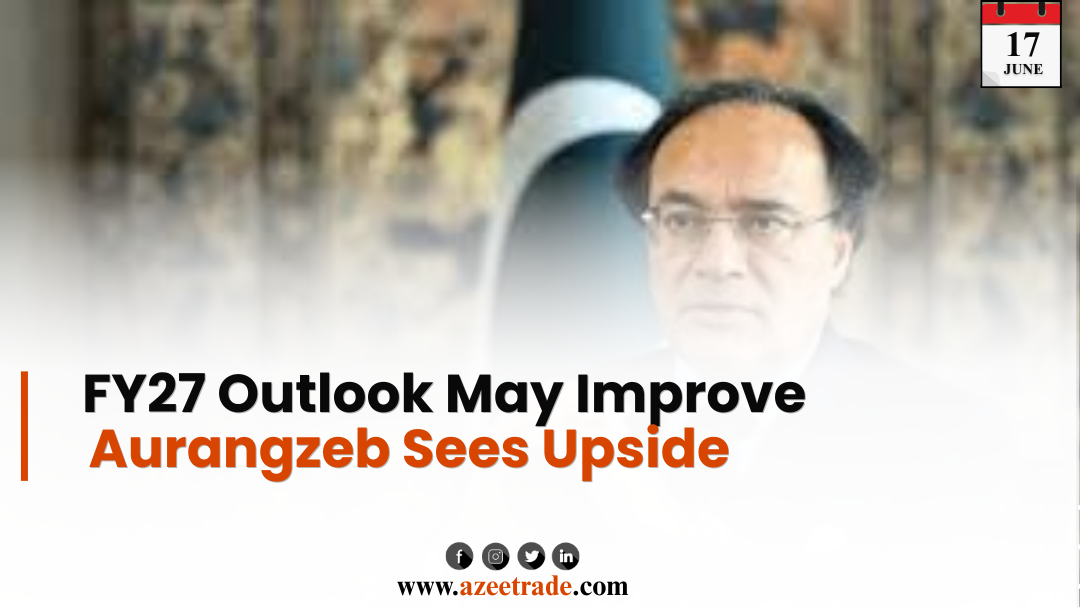
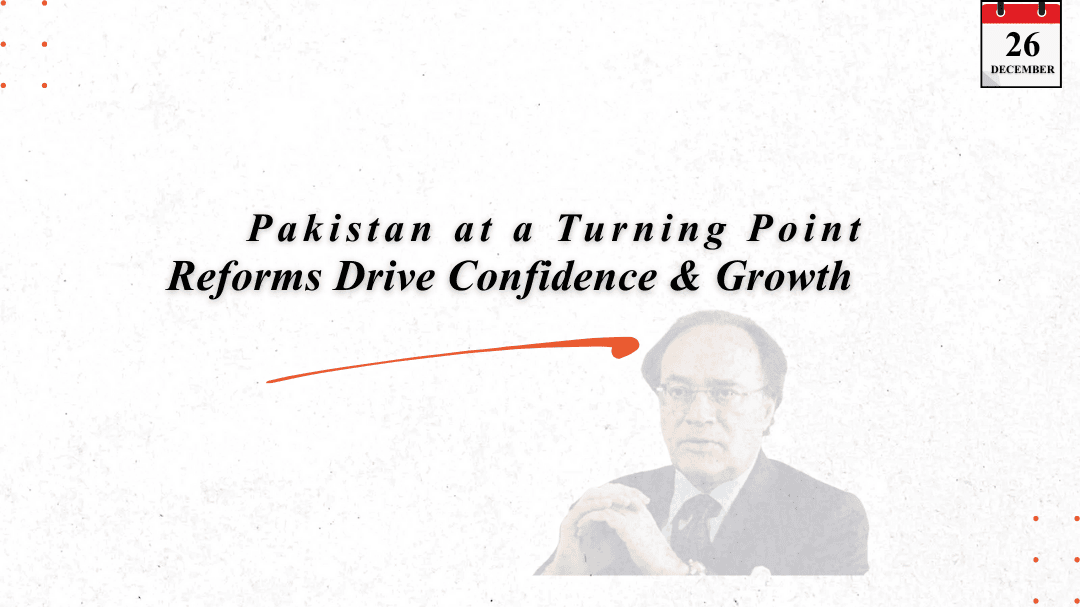
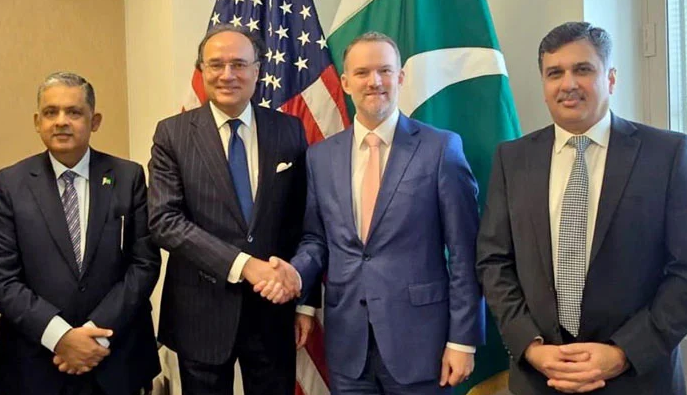
The recognition came during a meeting between a delegation of S&P Global Ratings and Federal Minister for Finance and Revenue Senator Muhammad Aurangzeb, where both sides discussed Pakistan's sovereign credit profile, medium-term economic outlook, and the implementation of the government's reform agenda.
The S&P delegation, comprising YeeFarn Phua, Director of Sovereign Ratings, and Giulia Filocca, Associate Director of Sovereign Ratings, was briefed on the country's recent economic performance and reform initiatives.
During the meeting, the finance minister highlighted improvements in Pakistan's macroeconomic fundamentals, including stronger economic growth, sustained fiscal consolidation, improved debt sustainability, and greater resilience in the external sector, supported by the FY2026-27 Federal Budget.
Aurangzeb said prudent economic management, disciplined policy implementation, and ongoing structural reforms have helped lower inflation, strengthen foreign exchange reserves, improve the external account, and restore investor confidence despite regional and global economic challenges.
The minister also highlighted progress in public debt management, noting a continued decline in the debt-to-GDP ratio, the slowest growth in central government debt in nearly 15 years, active liability management operations, debt buybacks, longer domestic debt maturities, historically lower fiscal deficits, and record primary surpluses.
He added that stronger revenue mobilization and prudent expenditure management are reinforcing fiscal sustainability and strengthening Pakistan's sovereign credit profile.
The delegation was also briefed on the government's structural reform programme covering taxation, the energy sector, state-owned enterprises, privatization, governance and public financial management, with the objective of promoting sustainable, export-led and private sector-driven economic growth.
Aurangzeb reaffirmed that reforms under the International Monetary Fund's (IMF) Extended Fund Facility (EFF) and Resilience and Sustainability Facility (RSF) remain on track, supported by successful programme reviews and timely implementation of key reform measures.
The meeting concluded with discussions on Pakistan's medium-term economic outlook, future reform priorities, and additional measures aimed at further strengthening the country's sovereign creditworthiness and investment outlook.









































-falls-to-rs43.57tr)












































































-rises-to-rs44.35-trillion)









-surges-to-rs44.23-trillion-as-bank-deposits-jump)












































-falls-weekonweek-to-rs40.95tr)
















































































































-ltd-reports-strong-halfyearly-results-–-profit-surged)











































































)








Add a comment