 (1).png)
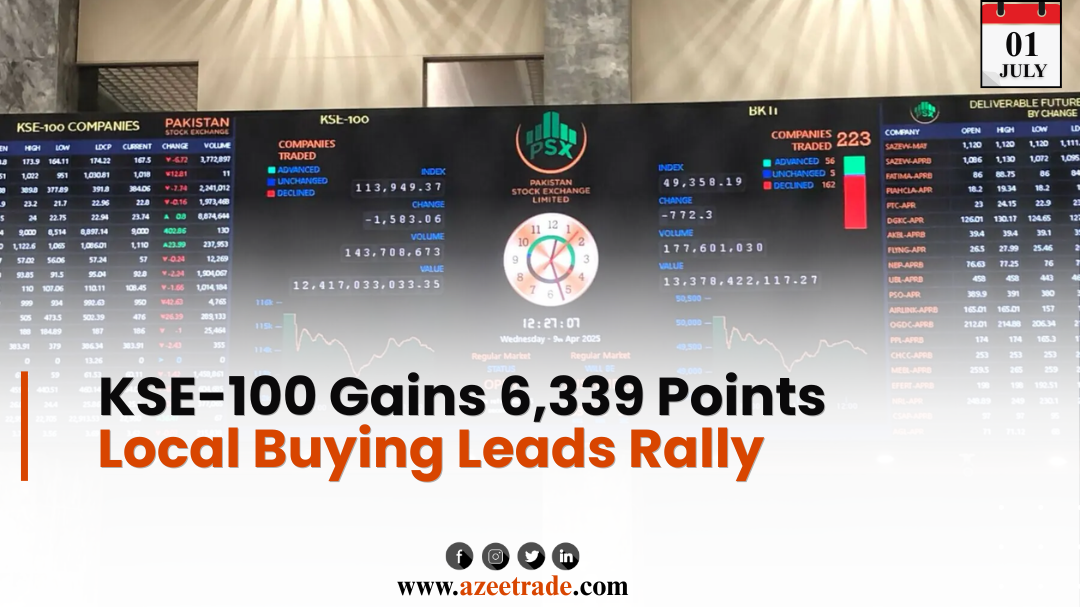
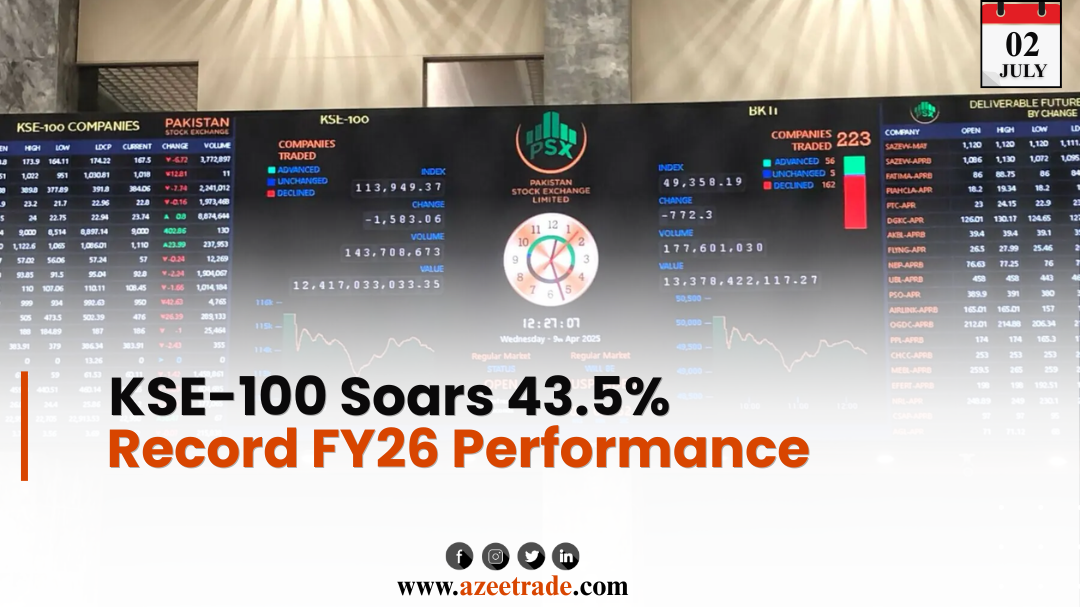
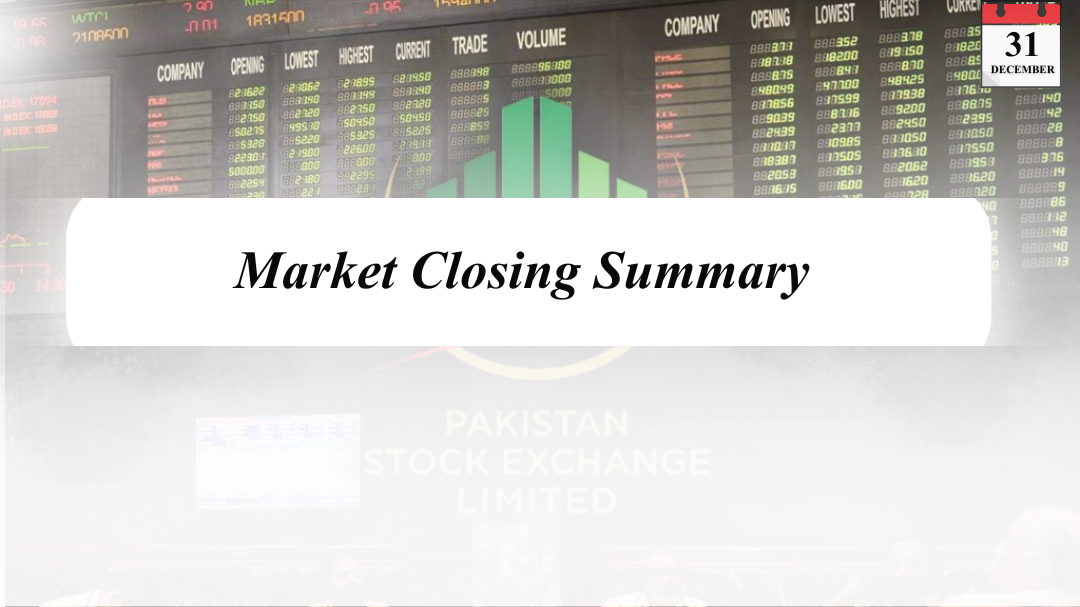
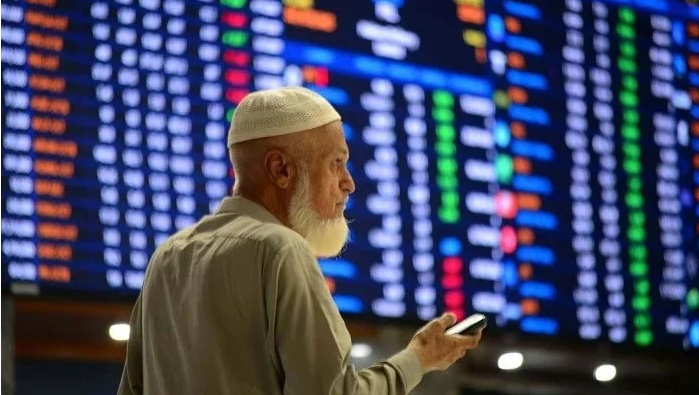
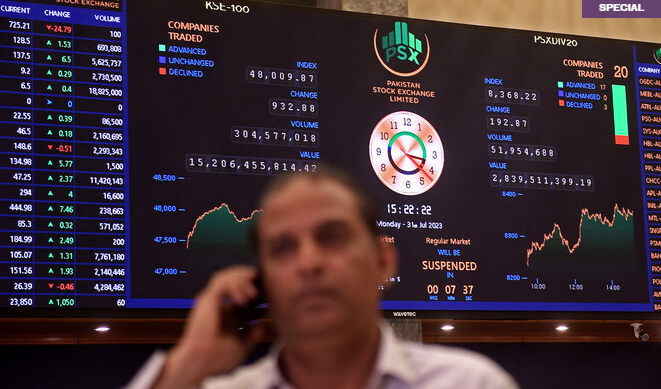
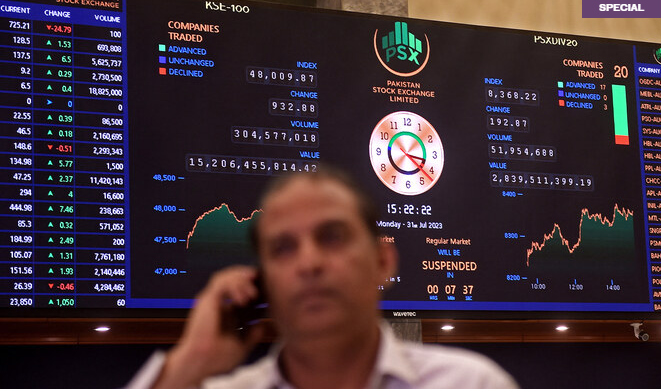
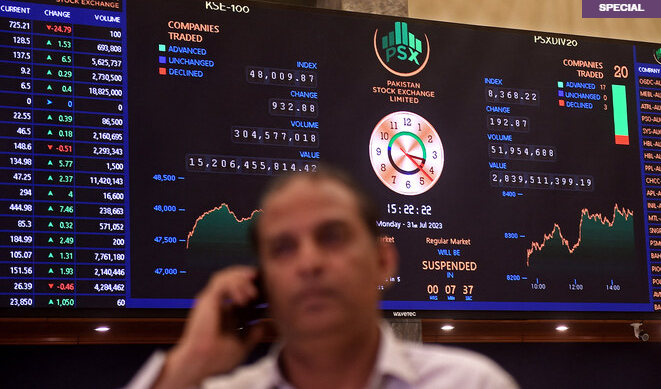
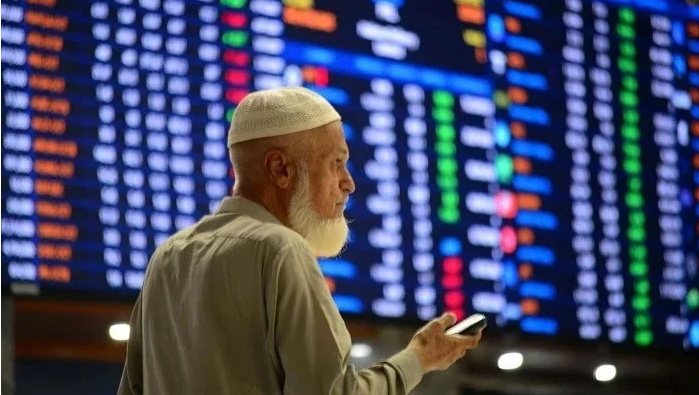
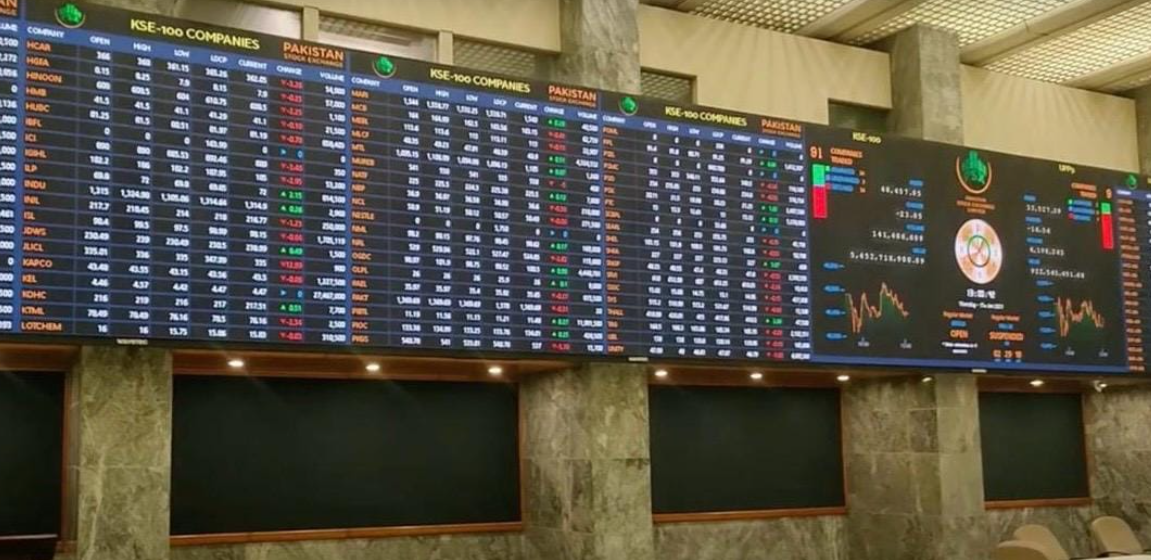
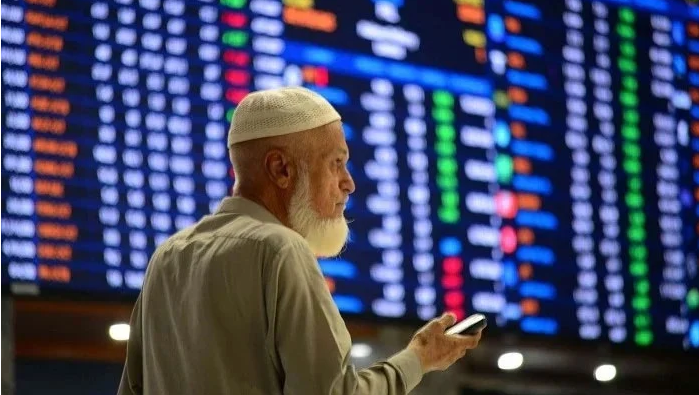
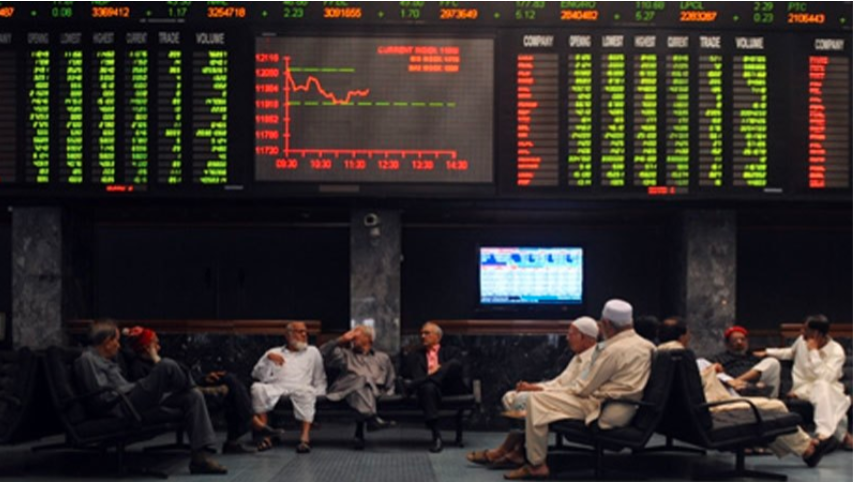
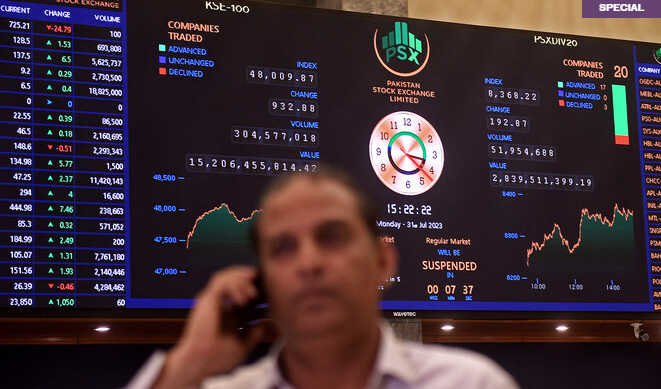
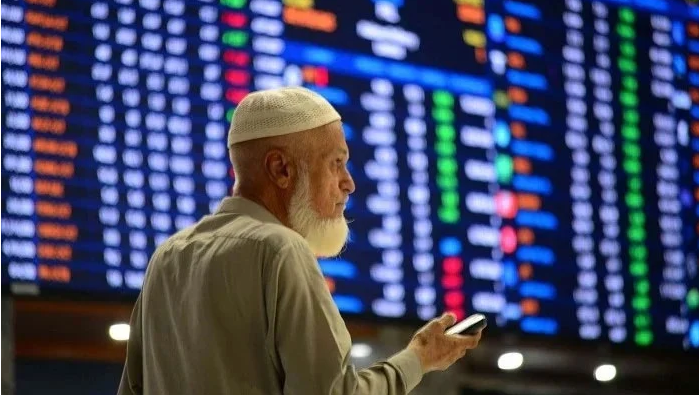
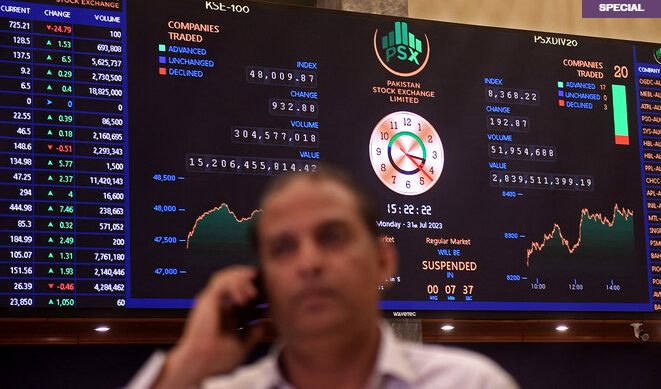
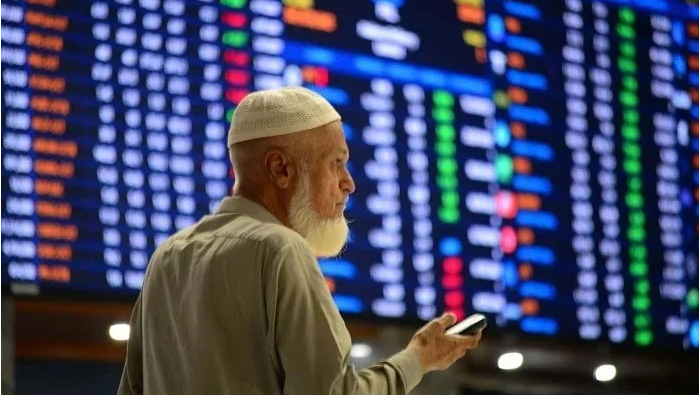
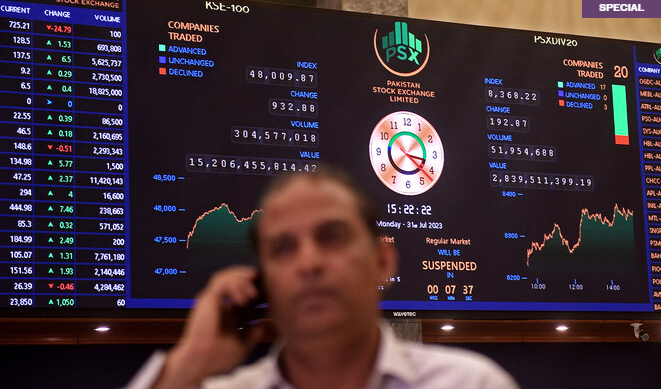
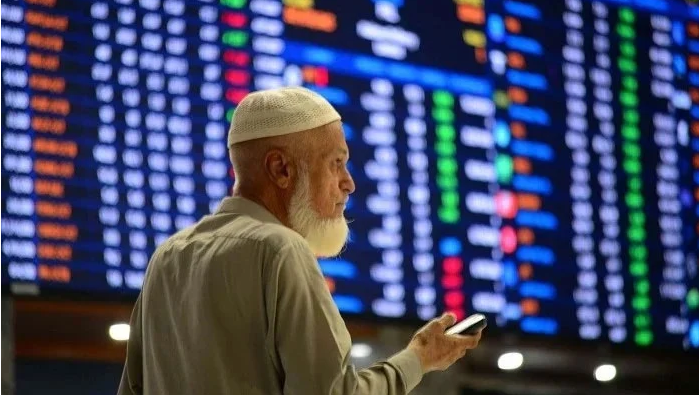
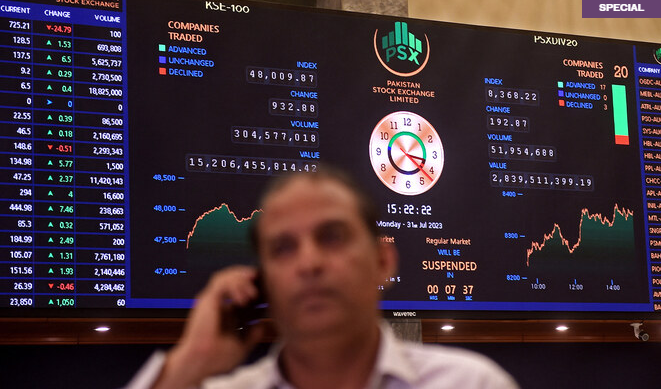
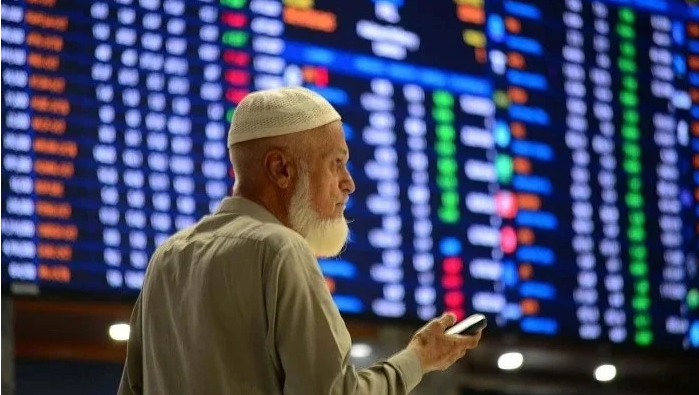
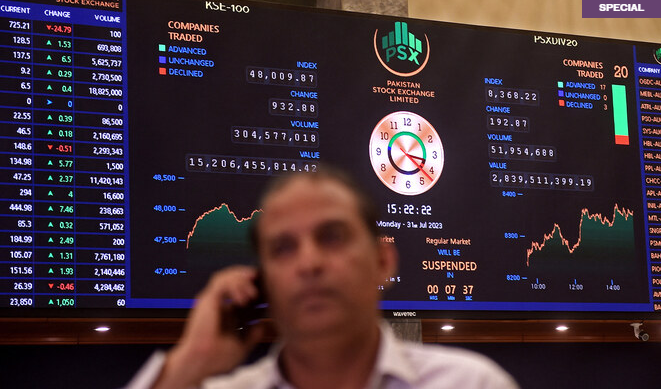
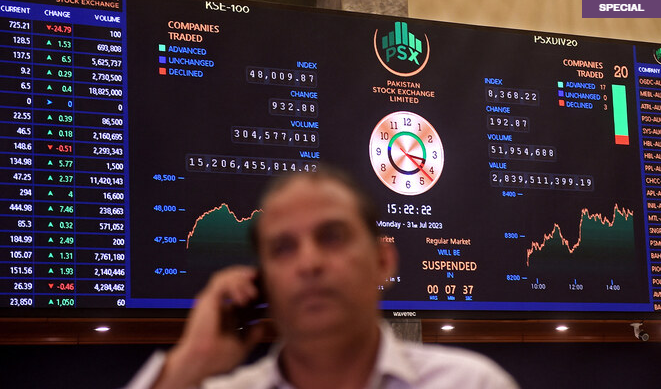
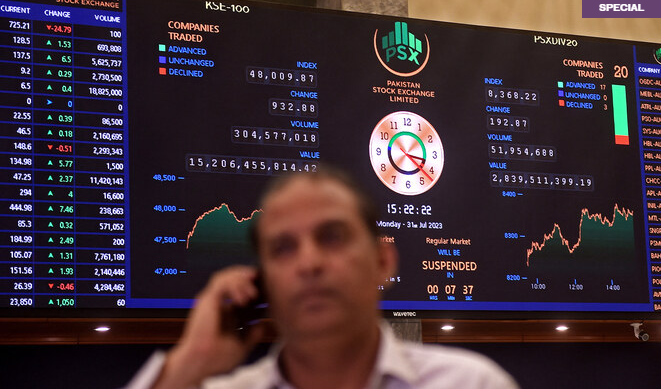
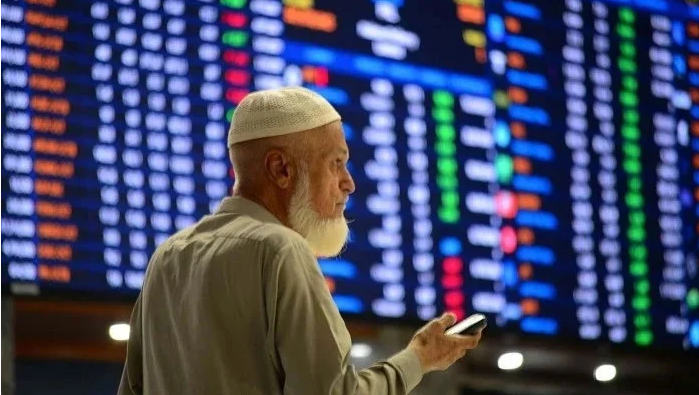
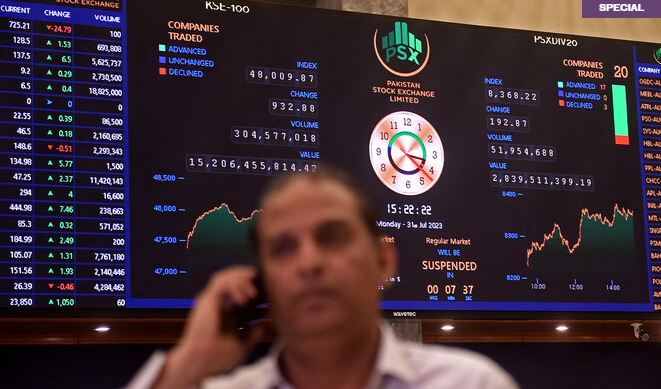
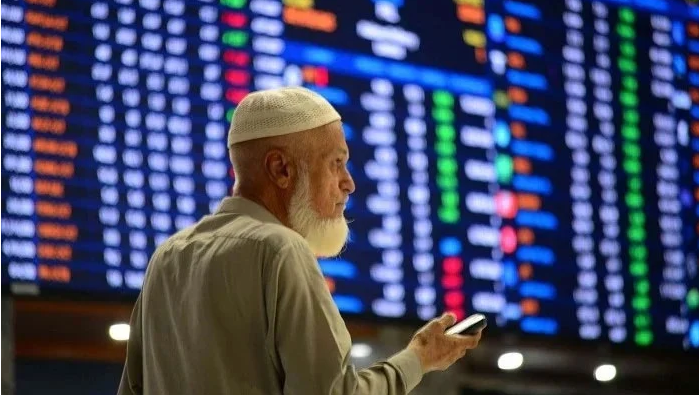
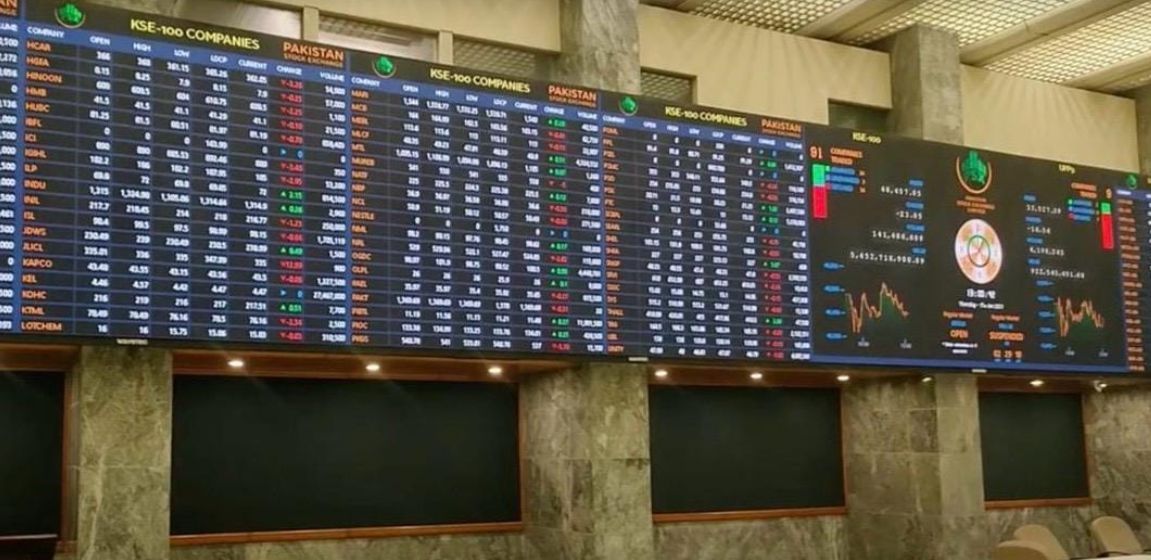
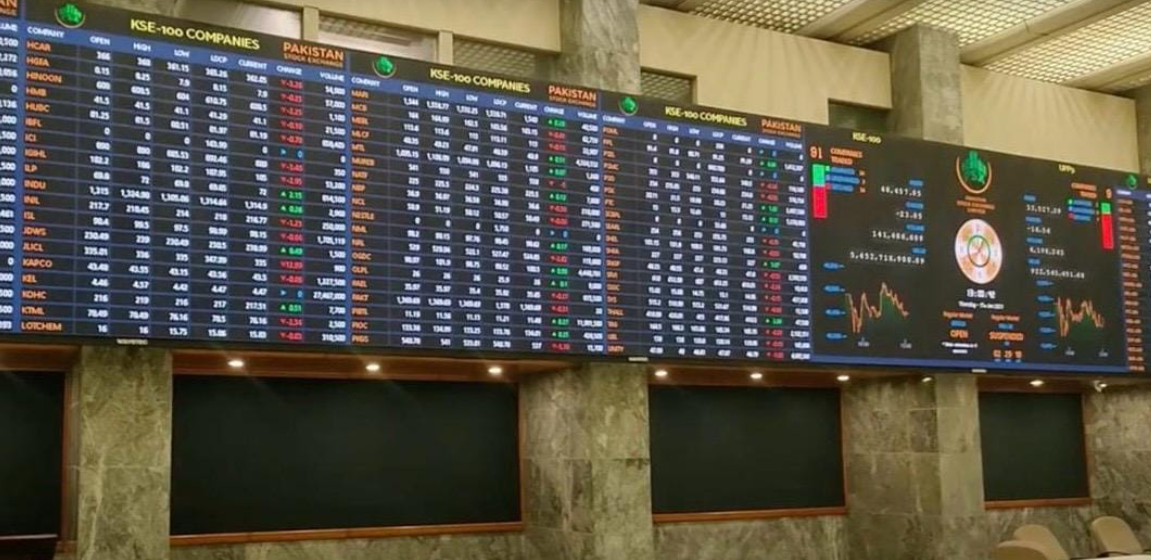
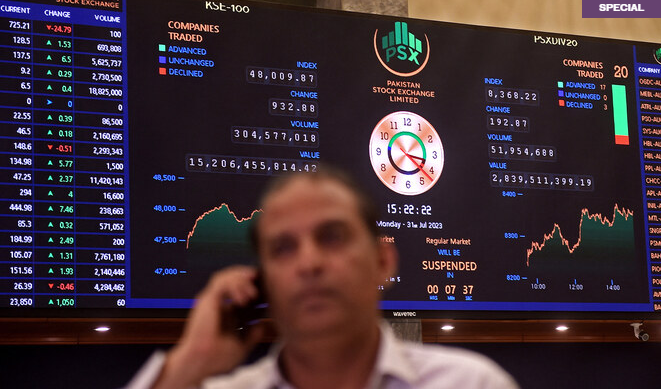
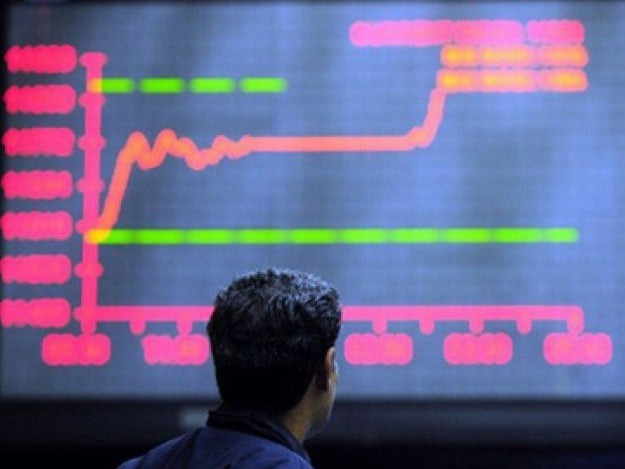
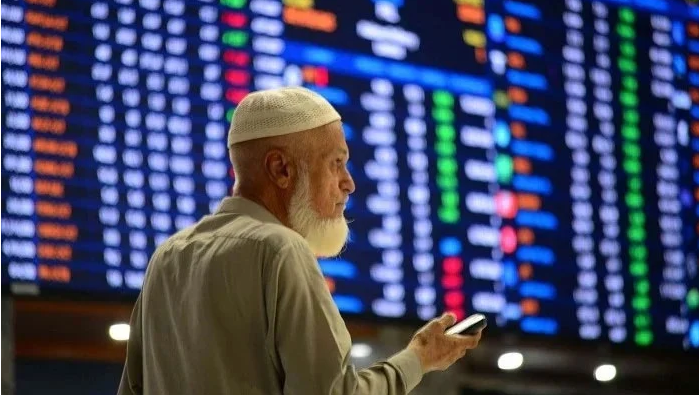
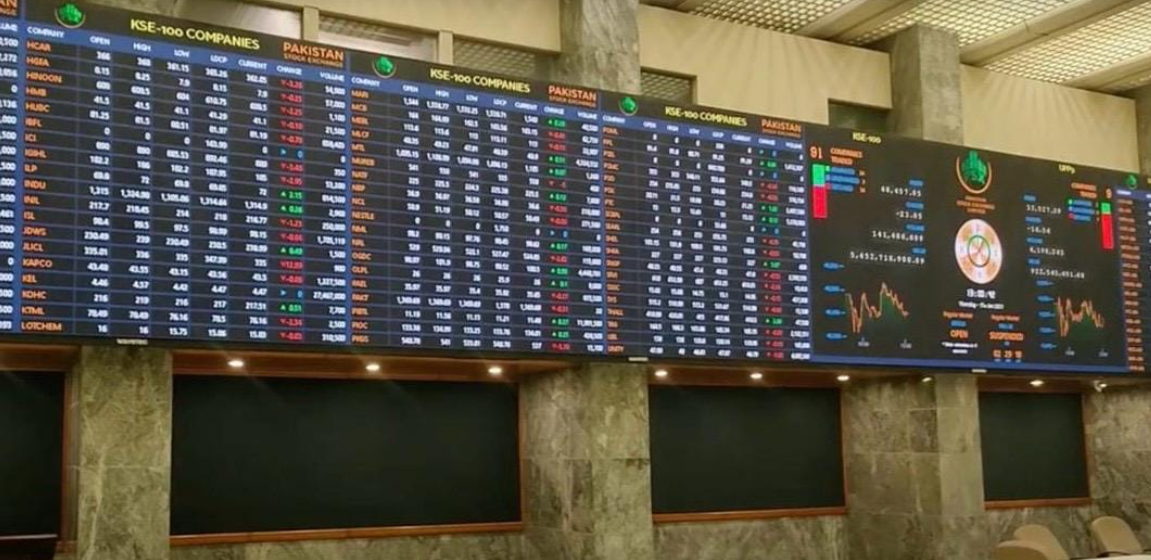
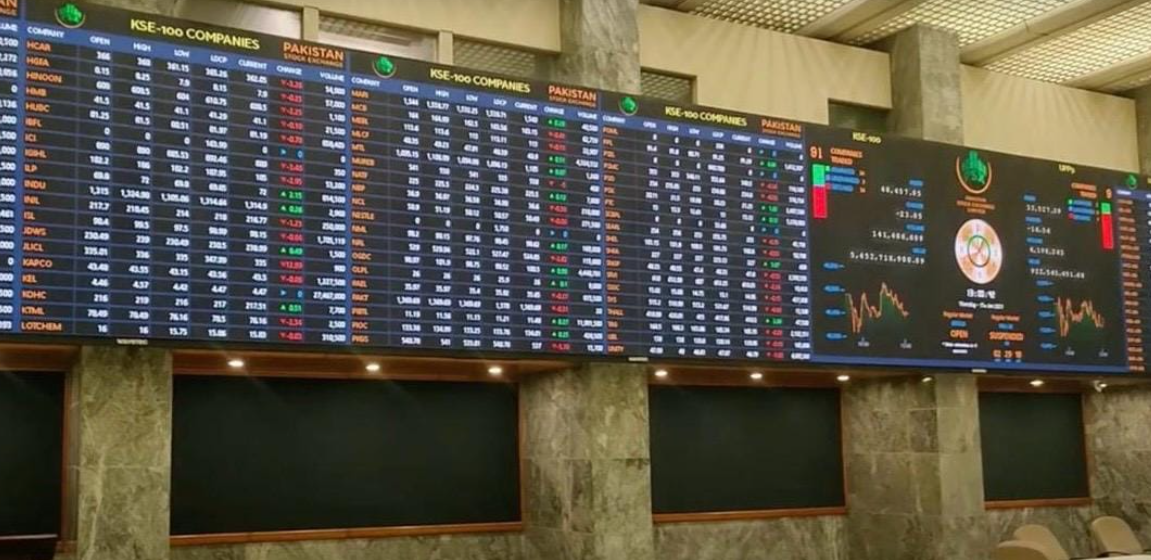
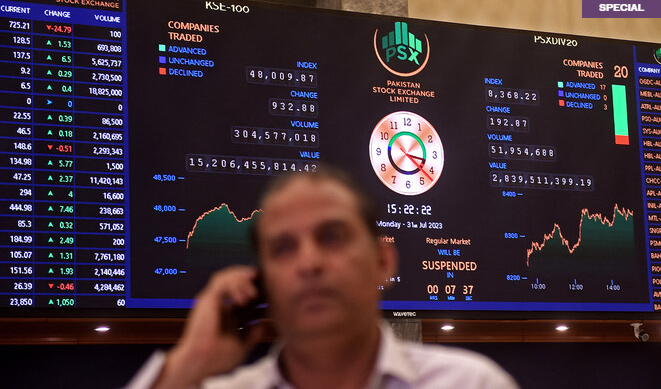
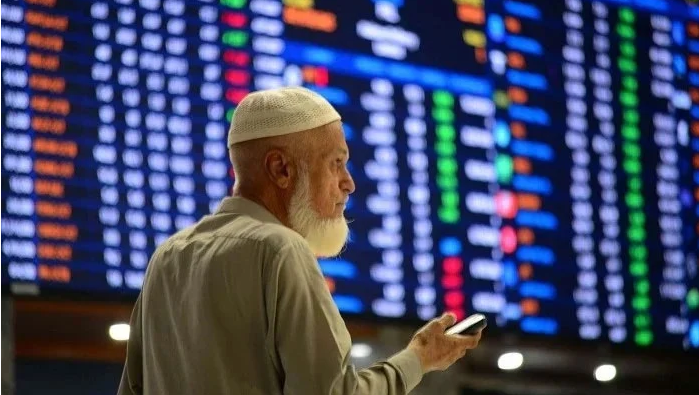
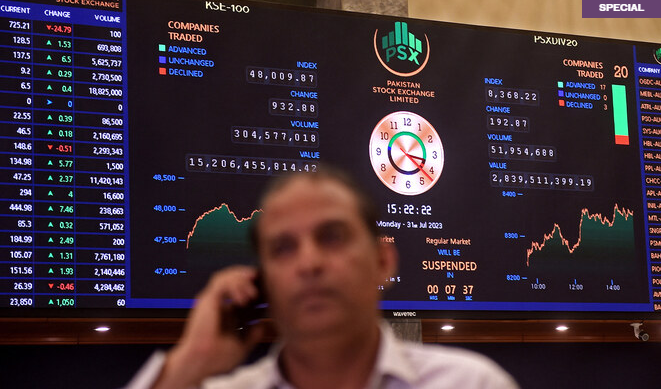
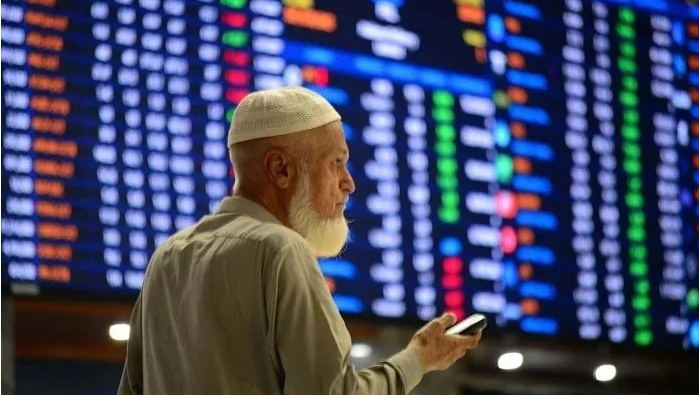
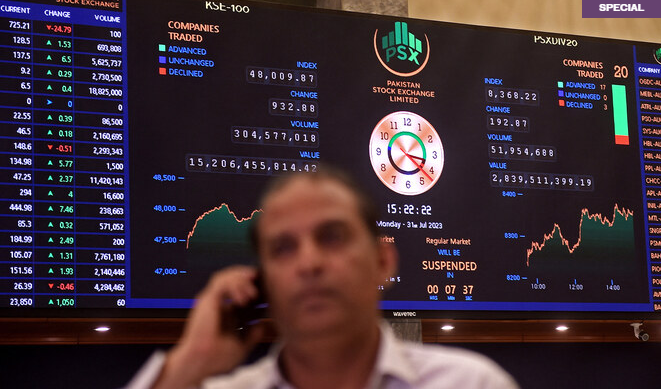
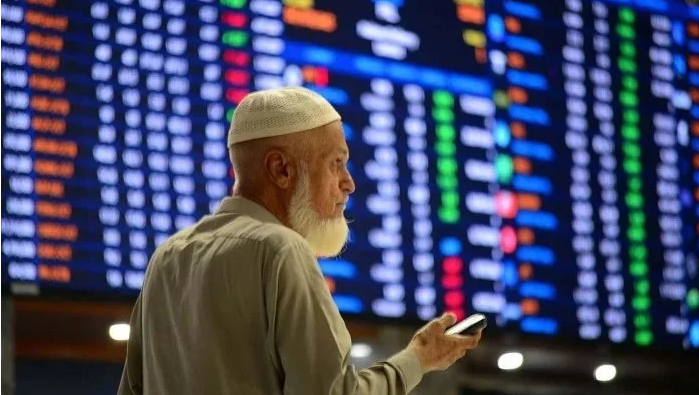
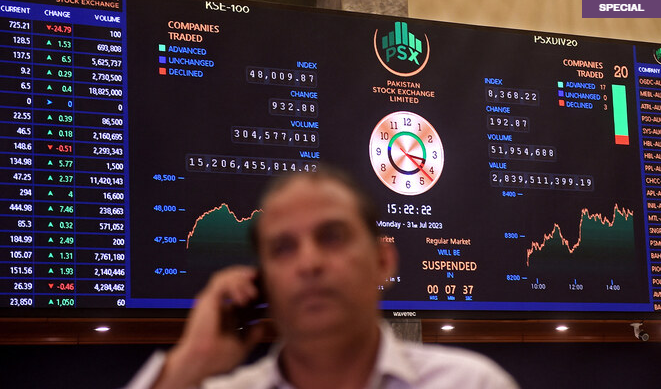
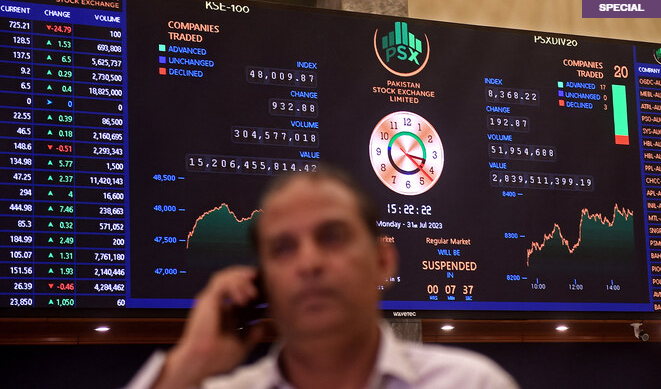
The Pakistan Stock Exchange (PSX) delivered another strong monthly performance in June 2026, with the benchmark KSE-100 Index advancing 6,338.88 points, or 3.64%, to close the month at 180,301.70 points, extending the market's bullish momentum for a third consecutive month.
The latest rally follows substantial gains in April and May, reflecting sustained investor confidence supported by improving macroeconomic conditions, easing geopolitical concerns, and continued participation from domestic institutional investors.
On a year-on-year basis, the KSE-100 Index has surged 43.52%, gaining more than 54,600 points since June 2025, highlighting the significant re-rating witnessed in Pakistan's equity market over the past twelve months.
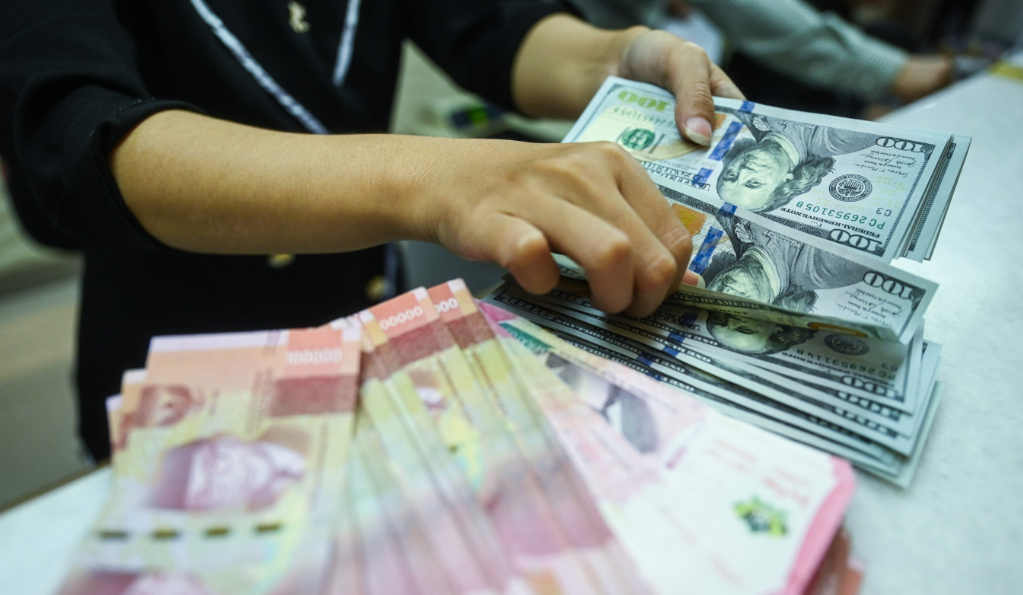
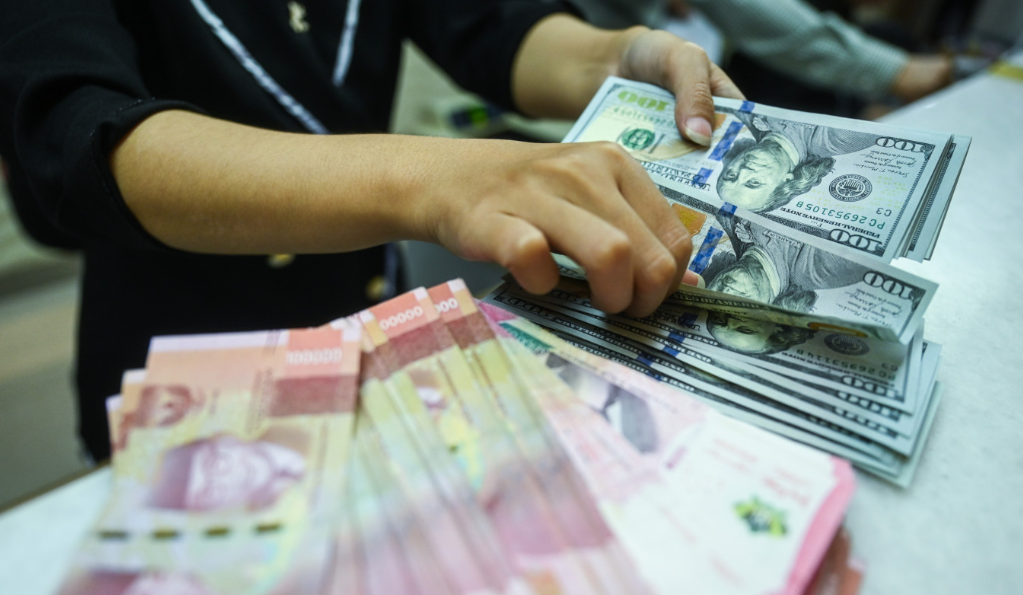
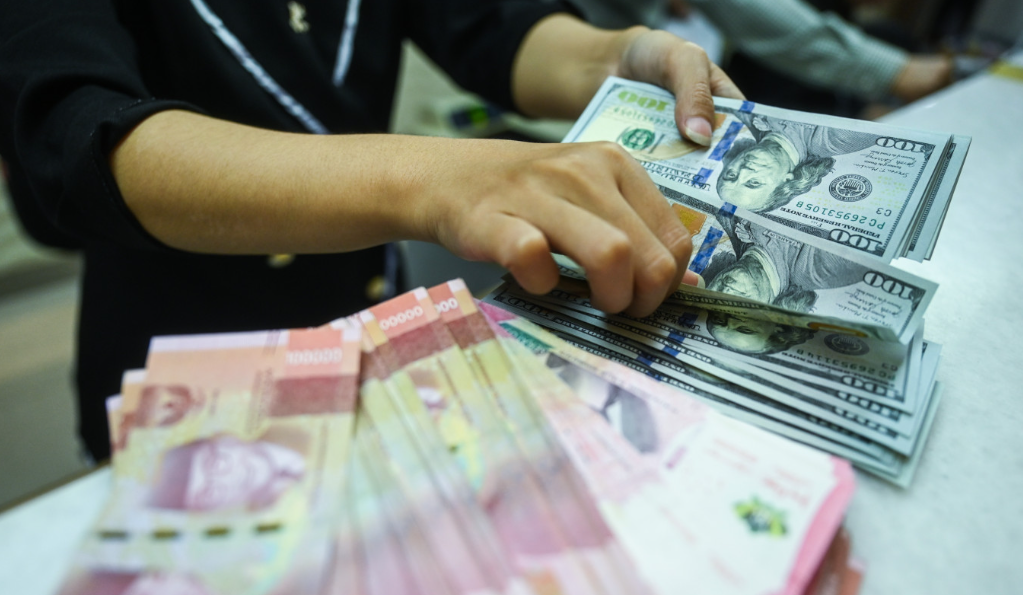
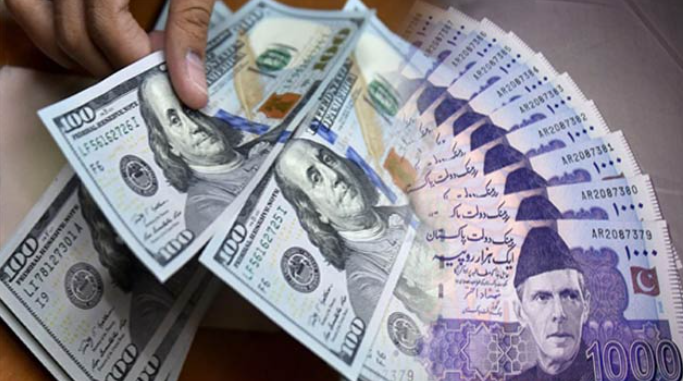
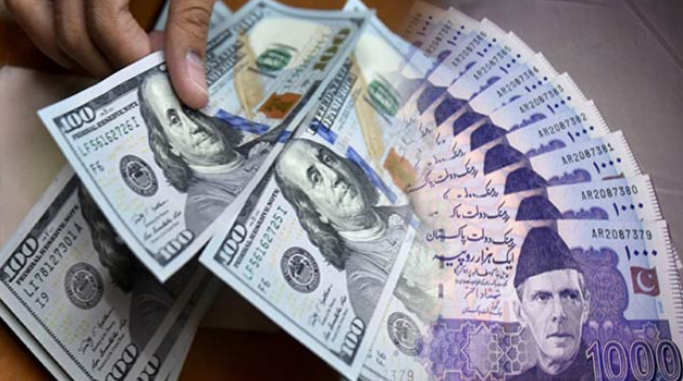
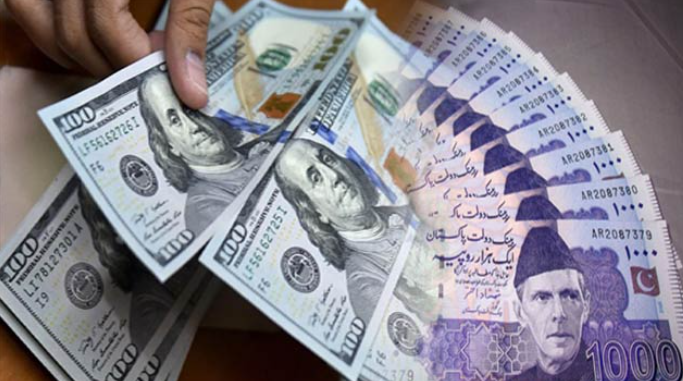
The market's performance was accompanied by an increase in valuation, with KSE-100 market capitalisation rising to Rs5.16 trillion, an increase of Rs180.3 billion during June. In US dollar terms, market capitalisation climbed to approximately $18.54 billion, benefiting from both equity gains and a modest appreciation of the Pakistani rupee.
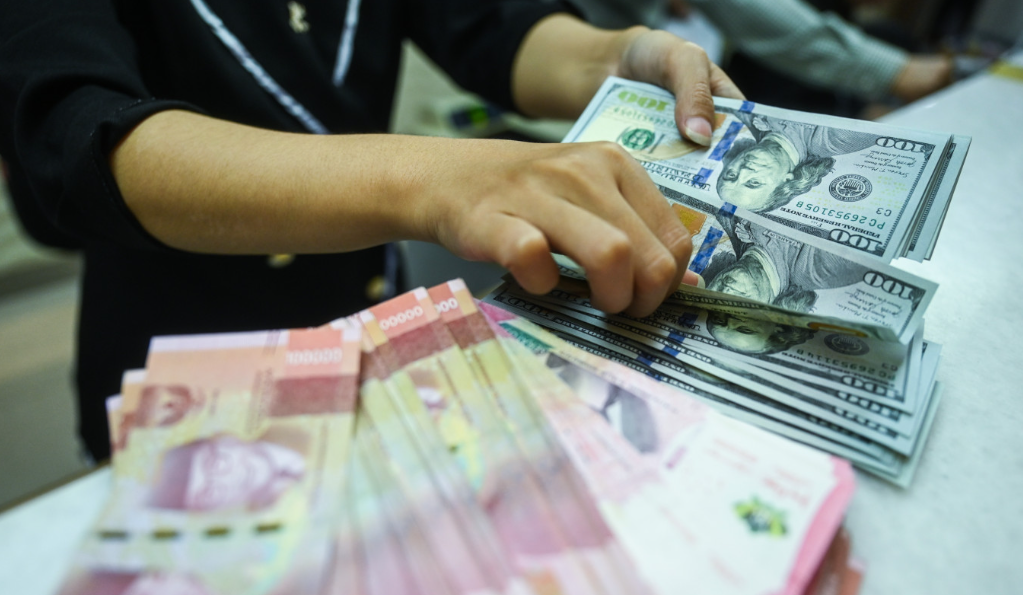
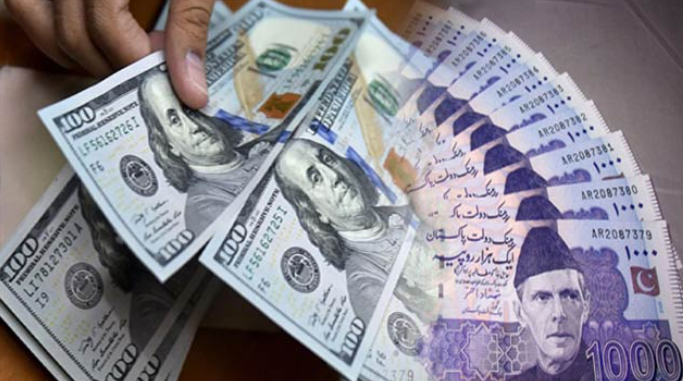
The rupee's relative stability also enhanced returns for foreign investors, with the KSE-100 delivering a slightly higher return in US dollar terms than in local currency during the month.
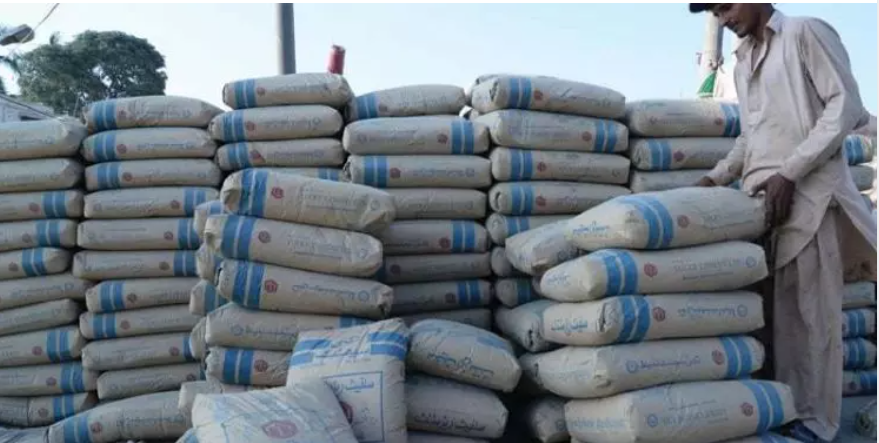
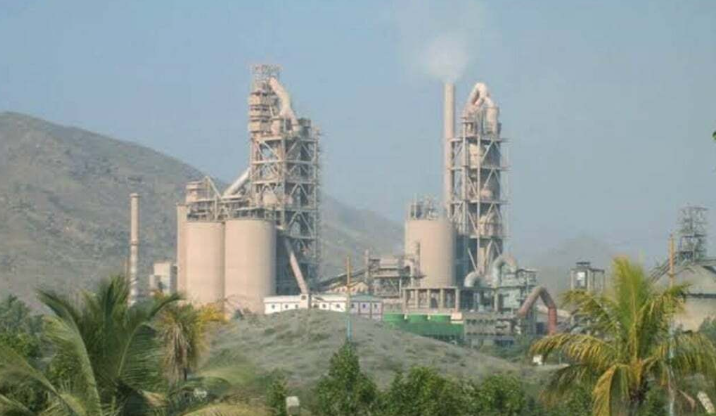
Sector-wise, commercial banks emerged as the largest contributor to the rally, followed by cement, investment companies, power generation, fertilizers, textile composite, oil and gas exploration, pharmaceuticals, and leather manufacturers. Only the technology & communication and refinery sectors recorded negative contributions during the month.
Among individual stocks, United Bank Limited (UBL) led index gains, followed by Hub Power Company (HUBC), Engro Holdings (ENGROH), Meezan Bank (MEBL), Fauji Fertilizer Company (FFC), Fatima Fertilizer (FATIMA), Pakistan Stock Exchange (PSX), Maple Leaf Cement (MLCF), Interloop Limited (ILP), and Lucky Cement (LUCK).
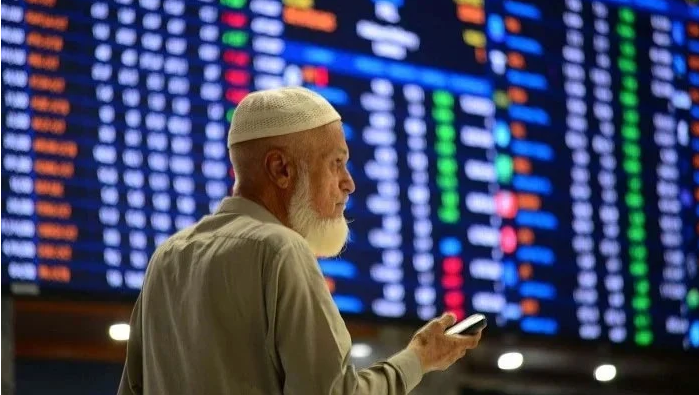
Foreign investors remained net sellers during June, recording net equity outflows of approximately Rs50.65 billion, primarily driven by selling from foreign corporate investors. However, the foreign outflows were almost entirely absorbed by domestic investors.
Local institutional investors emerged as the market's primary support, with companies and mutual funds leading net purchases during the month. Their strong participation offset foreign selling and reinforced the resilience of Pakistan's equity market.
The continued strength of domestic institutional flows suggests that local investors remain confident in Pakistan's improving economic outlook, providing a solid foundation for the market despite persistent foreign portfolio outflows.












































-falls-to-rs43.57tr)











































































-rises-to-rs44.35-trillion)













-surges-to-rs44.23-trillion-as-bank-deposits-jump)































-falls-weekonweek-to-rs40.95tr)



































































































-ltd-reports-strong-halfyearly-results-–-profit-surged)






















































)





Add a comment