 (1).png)
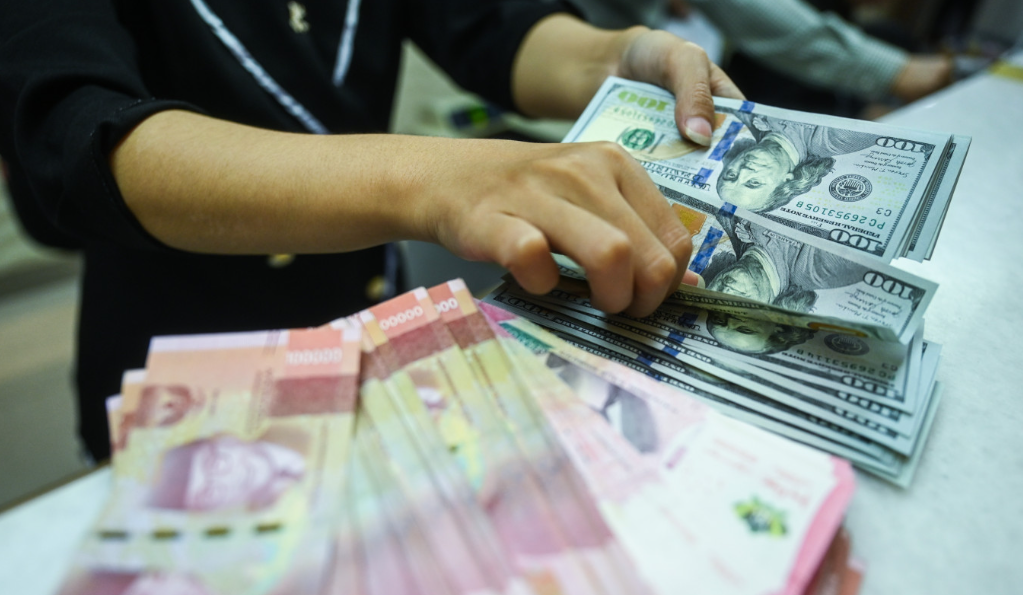
The Benazir Income Support Programme (BISP) is set for a significant expansion in FY2026-27, with the federal government proposing an allocation of Rs844 billion compared to Rs716 billion in the outgoing fiscal year, reflecting its continued focus on poverty alleviation, financial inclusion, and social protection.
Under the flagship Benazir Kafaalat Programme, quarterly cash assistance of Rs14,500 is currently being provided to around 12 million households across Pakistan. The stipend is scheduled to increase to Rs18,000 from January 2027, further strengthening support for vulnerable families amid rising living costs.
The Benazir Taleemi Wazaif Programme continues to promote education by providing conditional cash assistance to approximately 12.4 million children, linked to a minimum school attendance requirement of 70 percent. The initiative aims to improve enrollment and reduce dropout rates among low-income households.
Meanwhile, the Benazir Nashonuma Programme is supporting nearly two million pregnant and lactating women and children under the age of two, while a pilot project has also brought 52,000 adolescent girls under the programme’s coverage to address nutritional and health challenges.
BISP’s focus on economic empowerment has also expanded through the Benazir Hunarmand Programme, which offers free vocational and skills training to deserving individuals. More than 7,000 participants have already been enrolled under the initiative.
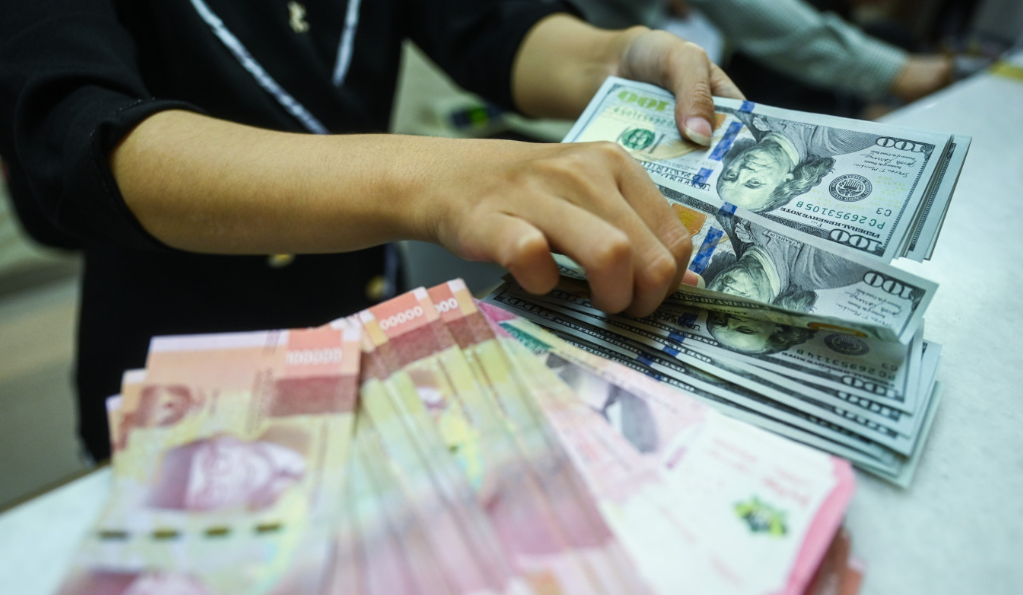
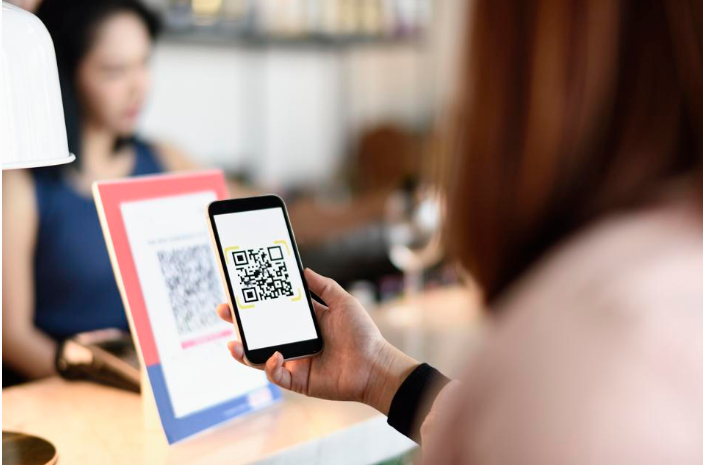
A major transformation is underway in the area of digital financial inclusion. Over 10 million beneficiaries are being integrated into the formal financial system through Digital Social Protection Wallets under the Prime Minister’s Cashless Economy initiative. More than 8.5 million free SIMs have been distributed and linked to digital wallets, while over 410,000 beneficiaries have received digital and financial literacy training.
The National Socio-Economic Registry (NSER), the backbone of BISP’s targeting system, currently holds data on 38.7 million households. Around 23 million households have updated their records through the Dynamic Registry, while a recent recertification exercise has identified more than 3.5 million potentially eligible families for future inclusion.
According to a World Bank assessment, BISP supports more than 10.3 million families, representing nearly 24 percent of all households in Pakistan. The study also highlighted the programme’s broader economic impact, estimating that every rupee disbursed generates Rs2.34 in real income through multiplier effects within local economies. Around 68 percent of these income gains accrue to the poorest 40 percent of households.
The programme is also estimated to support approximately 1.66 million full-time equivalent jobs, while economic activity generated through BISP contributes nearly Rs174 billion annually to the national exchequer.
Speaking during a briefing at Parliament House, First Lady Bibi Asifa Bhutto Zardari described BISP as a reflection of Shaheed Mohtarma Benazir Bhutto’s vision of empowering vulnerable communities through dignified social protection. She emphasized the importance of transparency, financial inclusion, and effective service delivery in strengthening the programme’s impact.
BISP Chairperson Senator Rubina Khalid said the programme is evolving beyond traditional cash transfers into a more integrated, digital, and empowerment-focused social protection system designed to create long-term socio-economic opportunities for beneficiaries.
With enhanced funding, wider beneficiary outreach, and increased digital integration, BISP is expected to play an even larger role in supporting low-income households and promoting inclusive economic development during FY2026-27.
















































-falls-to-rs43.57tr)




































































































-rises-to-rs44.35-trillion)





















-surges-to-rs44.23-trillion-as-bank-deposits-jump)





























































-falls-weekonweek-to-rs40.95tr)






















































































































































-ltd-reports-strong-halfyearly-results-–-profit-surged)









































































)












Add a comment