 (1).png)
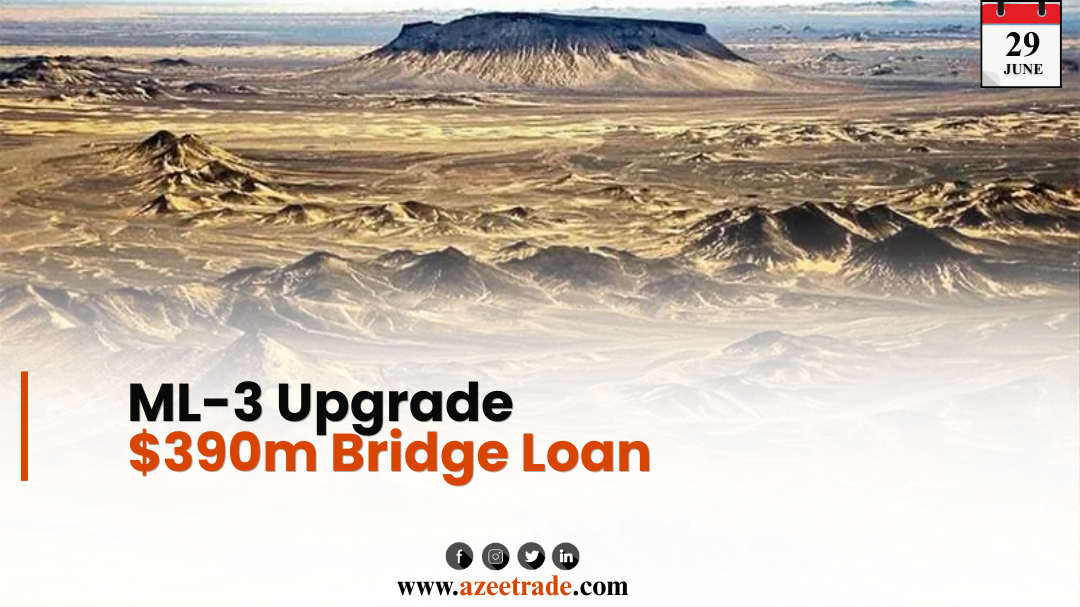
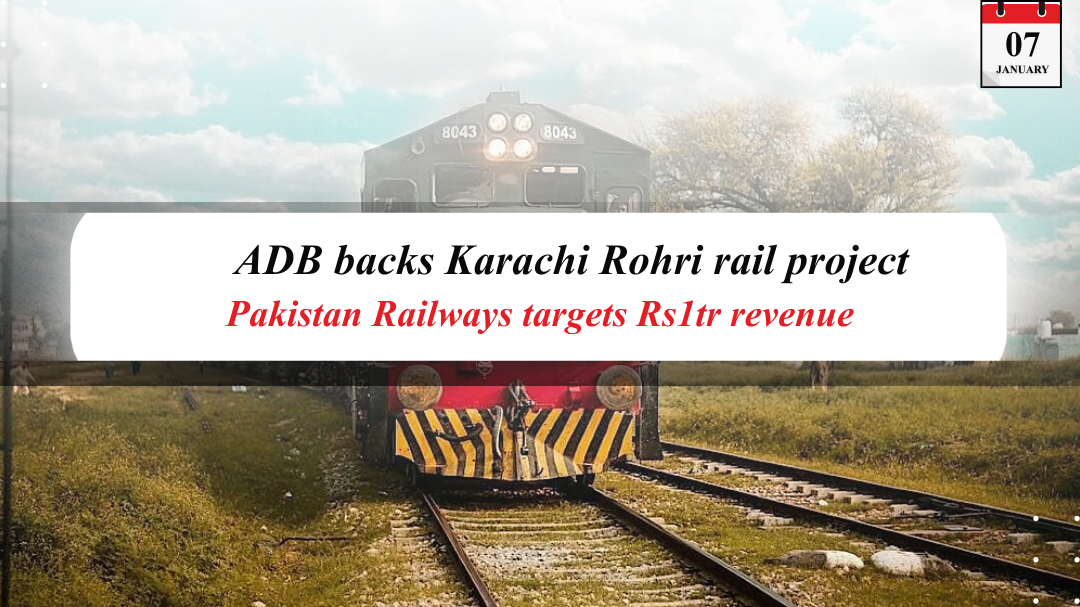
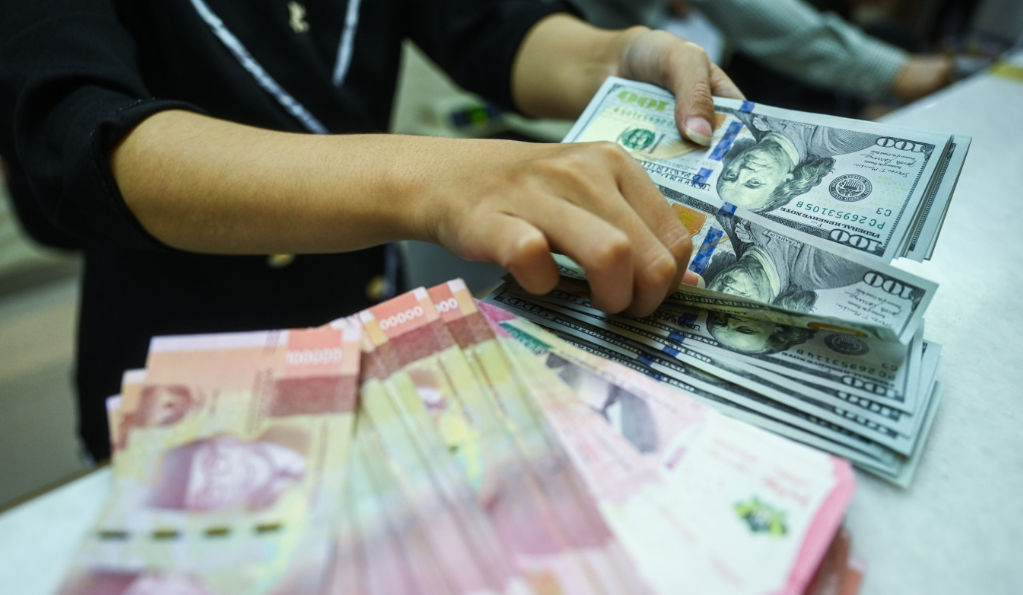
Pakistan will finance the Rs278.62 billion (approximately $892 million) upgrade of the 996-kilometre Main Line-3 (ML-3) railway through a $390 million bridge loan from the Reko Diq Mining Company (RDMC), as the government moves ahead with a key infrastructure project supporting the Reko Diq mining development.
The bridge financing, approved by the Prime Minister and the Economic Coordination Committee (ECC), will be repaid in a single bullet payment by June 2028. However, the Planning Commission has raised concerns over the repayment risk, foreign exchange exposure, and the project's unusually high security costs.
The ML-3 project covers the Rohri-Sibi-Quetta-Koh-i-Taftan railway corridor and is designed to facilitate transportation for the Reko Diq copper and gold project. RDMC is jointly owned by Barrick Gold (50%), while the remaining stake is equally held by the Government of Balochistan, OGDCL, PPL, and GHPL.
According to project documents, only Rs250 million has been allocated under the FY2026-27 PSDP, while the Planning Commission noted that first-year funding of Rs25.87 billion, representing around 9% of the total cost, may be insufficient to keep the seven-year project on schedule.
The project will be executed in two phases, with Phase-I (2026-2030) estimated at $585 million and Phase-II (2031-2033) costing around $145 million. Construction includes track renewal, bridge rehabilitation, replacement of turnouts, and the construction of 11 new railway stations between Spezand and Taftan.
A major concern raised by the Planning Commission relates to Rs46.38 billion allocated for security, accounting for nearly 17% of the total project cost. The commission questioned whether such costs should be included in the development budget and sought clarification on long-term security arrangements after project completion.
Currently, trains on the Quetta-Taftan section operate at speeds of only 10-15 km/h due to deteriorated infrastructure. Following rehabilitation, operating speeds are expected to increase to 100 km/h, while line capacity is projected to expand from two train pairs to 26 trains, significantly improving mineral transportation from Reko Diq and strengthening regional trade links with Iran, Türkiye, Central Asia, and Europe.
The Planning Commission has directed the Ministry of Railways to address financing, security, and implementation concerns before the project is presented to the Executive Committee of the National Economic Council (ECNEC) for final approval.










































-falls-to-rs43.57tr)


















































































-rises-to-rs44.35-trillion)











-surges-to-rs44.23-trillion-as-bank-deposits-jump)









































-falls-weekonweek-to-rs40.95tr)


















































































-ltd-reports-strong-halfyearly-results-–-profit-surged)













































)




Add a comment